
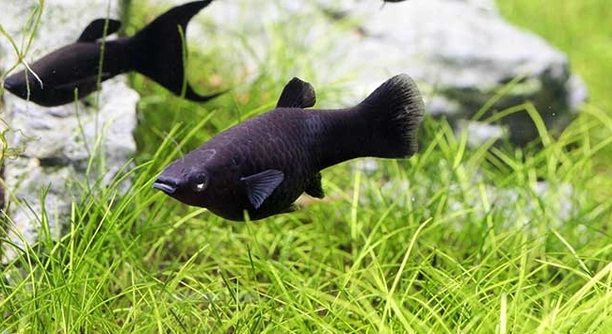
Do you ever notice your Black Molly swimming sluggishly or hiding more than usual in the tank? Maintaining clean water is important, and skipping water changes can quietly affect their health over time, often without immediate signs.
Skipping water changes for Black Mollies can lead to a buildup of toxins, including ammonia and nitrites, which stress the fish. This can cause weakened immunity, stunted growth, disease susceptibility, and ultimately shorten their lifespan if not addressed.
Even small lapses in maintenance can have lasting effects, and understanding the risks will help ensure your Black Mollies remain healthy and vibrant.
Why Regular Water Changes Matter
Water changes are essential for keeping Black Mollies healthy. Over time, waste from fish, uneaten food, and plant debris builds up, increasing ammonia and nitrite levels. These chemicals are harmful, even in small amounts, and can stress your fish. Stress lowers immunity, making them more prone to infections. Dirty water also encourages algae growth, which can reduce oxygen levels and make the tank look unhealthy. Black Mollies are particularly sensitive to water quality, so neglecting changes can quickly lead to health problems. Regular partial water changes, about 25 to 30 percent weekly, help maintain stable water parameters. It also removes toxins and replenishes essential minerals that support growth and coloration. Many aquarists notice improved activity and brighter colors when maintaining consistent water changes. Consistency matters more than perfection; missing one week occasionally is less harmful than neglecting water for a month. A clean tank supports not just survival but thriving behavior.
Maintaining water quality directly impacts your Black Mollies’ overall health and activity levels.
Even small amounts of ammonia and nitrites can irritate gills and slow growth. Black Mollies may lose appetite or show abnormal swimming. Tank conditions should be monitored using test kits for pH, ammonia, nitrites, and nitrates. Observing fish behavior and water clarity gives clues about their environment. Using a siphon during water changes removes debris from the substrate, preventing buildup that harms water quality. Filter maintenance is equally important, as clogged or dirty filters reduce efficiency. Overfeeding worsens water quality, so adjust portions carefully. Plants in the tank can help absorb some toxins, but they cannot replace regular water changes. Consistency in care creates a stable habitat, reducing stress and improving health.
Signs Your Black Molly Needs a Water Change
Cloudy water or unusual odor often signals that water quality is declining.
Other signs include sluggish swimming, clamped fins, and decreased appetite. Fish may hide more or show visible stress marks. Monitoring these indicators helps prevent serious health problems. Regular checks ensure your tank remains a safe environment.
Keeping track of water changes, feeding habits, and fish behavior is crucial. Black Mollies are hardy but sensitive to sudden changes. Ammonia spikes can cause fin rot or gill damage if not corrected promptly. Using water conditioners removes chlorine and neutralizes harmful chemicals, making tap water safe for your tank. Gradual water changes prevent shock and maintain stability in pH and temperature. Testing water weekly provides insight into tank health and allows adjustments before problems arise. Over time, a routine of consistent partial water changes, combined with monitoring, ensures a balanced ecosystem. Tanks with plants, proper filtration, and controlled feeding reduce toxin buildup naturally. Observing fish daily helps identify early signs of stress, allowing corrective action before illness develops. These measures collectively support longevity, vibrant coloration, and active behavior, keeping Black Mollies healthy and thriving in a stable aquatic environment.
Common Problems from Skipping Water Changes
Poor water quality often leads to stress, disease, and reduced activity in Black Mollies. Elevated ammonia or nitrite levels can irritate gills, causing breathing difficulties. Fish may lose appetite or develop faded coloration, signaling the need for immediate water attention.
Neglecting water changes allows toxins to accumulate quickly, creating an unsafe environment. Black Mollies may show signs of fin rot, cloudy eyes, or skin lesions. Stress weakens their immune system, making them vulnerable to bacterial and fungal infections. Overgrown algae can reduce oxygen and block light, affecting both fish and plants. Regular water testing and partial water changes are crucial for prevention. Maintaining a clean tank supports healthy growth, vibrant color, and active swimming patterns.
Behavioral changes are often the first indicator of water issues. Black Mollies may swim erratically, hide constantly, or become lethargic. Ignoring these signs can lead to rapid deterioration in health. Frequent partial water changes, combined with proper filtration and feeding, help stabilize the environment. Using a siphon during cleaning removes debris from the substrate, preventing toxin buildup. Observing daily behavior and maintaining water quality ensures that Black Mollies remain healthy, active, and stress-free.
How to Correct Water Issues
Immediate partial water changes reduce ammonia and nitrite levels quickly, improving water quality for stressed fish.
Start with a 25-30% water replacement, ensuring new water matches temperature and pH. Remove debris from the substrate with a siphon. Check filtration for clogs and clean media gently if needed. Repeat weekly until water stabilizes.
Monitor fish closely after changes. Stress may cause temporary hiding or reduced activity. Continue partial water changes and regular testing to maintain safe levels of toxins. Adjust feeding to prevent excess waste. Healthy water promotes faster recovery, restores coloration, and improves swimming behavior. Combining water changes with filtration maintenance prevents recurring problems. Over time, consistent care creates a balanced and safe tank environment that supports Black Mollies’ long-term health.
Long-Term Effects of Neglect
Continuous neglect of water changes weakens Black Mollies’ immune systems. They become more prone to infections and slow growth. Chronic exposure to toxins can shorten their lifespan and reduce overall vitality, making consistent maintenance essential.
Over time, poor water conditions can permanently damage gills and fins. Fish may develop recurring diseases, and their behavior becomes abnormal. Lifelong health is compromised without regular care, emphasizing the importance of routine cleaning and monitoring.
Best Practices for Water Changes
Performing weekly partial water changes keeps ammonia and nitrite levels low. Use a siphon to remove debris and replace 25-30% of the water with conditioned, temperature-matched water. Test water regularly for pH, nitrates, and nitrites to ensure safe conditions.
Adjusting Feeding Habits
Overfeeding worsens water quality, so feed only what Black Mollies can consume in a few minutes. Proper portion control minimizes waste buildup and reduces toxin accumulation.
FAQ
How often should I change water for my Black Molly?
Weekly partial water changes of about 25-30% are ideal. This keeps toxin levels low and maintains stable pH and temperature. Consistency matters more than perfect timing, so even small, regular changes are better than occasional large ones.
What happens if I skip water changes for a week?
Skipping a single week may not cause immediate harm, but it allows ammonia, nitrites, and other waste to build up. Fish may show mild stress, reduced appetite, or slight lethargy. Regular monitoring can prevent problems from becoming serious.
Can my Black Molly survive without water changes?
Short-term survival is possible, but long-term health will suffer. Accumulated toxins weaken immunity, increase disease risk, and stunt growth. Regular maintenance is necessary for their lifespan and overall well-being.
How do I know when water quality is poor?
Look for cloudy water, unusual odor, algae overgrowth, and visible debris. Behavioral changes like hiding, sluggish swimming, or clamped fins are key indicators of stress. Test kits for ammonia, nitrites, nitrates, and pH provide objective measures of water safety.
What should I do if ammonia levels are high?
Perform an immediate partial water change and remove debris from the substrate. Ensure filtration is functioning properly, and use water conditioners if needed. Repeat partial water changes until levels stabilize and continue weekly maintenance to prevent recurrence.
Can overfeeding affect water quality?
Yes. Uneaten food decomposes quickly, increasing ammonia and nitrite levels. Feed small portions that Black Mollies can eat within minutes. Reducing waste helps maintain clean water and reduces the frequency of emergency water changes.
Is it safe to use tap water for changes?
Tap water must be treated with a water conditioner to remove chlorine and neutralize harmful metals. Ensure temperature matches the tank to prevent stress. Conditioned tap water is safe and effective for partial water changes.
Do plants help maintain water quality?
Live plants absorb some nitrates and provide oxygen, but they cannot replace regular water changes. Plants complement filtration and maintenance but do not prevent toxin buildup on their own.
How do I prevent sudden pH changes during water changes?
Use water with similar pH and temperature as the tank. Gradual partial water changes prevent sudden swings that stress Black Mollies. Monitor pH regularly to ensure a stable environment.
What are the signs my Black Molly is recovering after a water change?
Improved activity, normal swimming patterns, brighter coloration, and regular feeding indicate recovery. Fish may hide initially due to stress but should return to normal behavior within a day or two. Regular monitoring ensures continued health.
Can I skip water changes if I have a strong filter?
A strong filter helps, but it cannot remove all toxins or debris. Partial water changes remain necessary to maintain safe ammonia and nitrite levels. Filters and water changes work together to ensure optimal water quality.
How do I maintain water quality during vacations or absences?
Prepare in advance by performing water changes and cleaning the tank. Use automatic feeders with measured portions and ensure filtration is functioning properly. For extended absences, ask someone to check water levels and fish condition.
How long can Black Mollies live with poor water maintenance?
Survival depends on toxin levels and stress. They may live weeks or months, but chronic poor conditions shorten lifespan and increase disease risk. Consistent water changes are essential for longevity.
Can water changes improve Black Molly coloration?
Yes. Clean water reduces stress, supports health, and allows colors to appear more vibrant. Dull coloration often indicates poor water quality or stress from toxins.
What is the easiest method for partial water changes?
Use a siphon to remove debris from the substrate while extracting water. Replace the removed portion with conditioned, temperature-matched water. Repeat weekly, combining with routine tank monitoring and filtration checks for the best results.
How important is daily observation compared to water testing?
Both are important. Daily observation allows early detection of behavioral changes, while water testing provides measurable levels of toxins. Combining both ensures Black Mollies remain healthy and prevents long-term damage from poor water conditions.
Can skipping water changes affect breeding?
Yes. Poor water quality stresses Black Mollies, reducing breeding activity and egg survival. Clean, stable water is essential for successful spawning and healthy fry development.
What should I do if my Black Molly shows disease symptoms after skipping water changes?
Perform a partial water change immediately and isolate the affected fish if necessary. Treat with appropriate medication and monitor water parameters closely. Consistent cleaning prevents further outbreaks and supports recovery.
How do I make water changes easier?
Prepare all equipment in advance: a siphon, bucket, and conditioned water. Perform weekly partial changes rather than full replacements. Smaller, consistent efforts reduce stress for both fish and caretaker.
Are water changes necessary for new tanks?
Yes. New tanks accumulate waste as fish acclimate. Regular partial water changes during the first few weeks stabilize water parameters and support healthy development of Black Mollies.
Final Thoughts
Maintaining clean water is one of the most important aspects of caring for Black Mollies. These fish are sensitive to changes in water quality, and skipping water changes can have serious consequences over time. Even small amounts of ammonia, nitrites, and nitrates that build up in the tank can stress the fish, weaken their immune system, and make them more susceptible to disease. Regular partial water changes remove these harmful substances and restore essential minerals that help Black Mollies grow and remain active. Many aquarists notice a visible difference in color and behavior when consistent water maintenance is kept. By keeping the tank clean, you are creating a stable and safe environment that allows Black Mollies to thrive rather than just survive.
A common mistake is to rely solely on filters to maintain water quality. While filters help remove debris and circulate water, they cannot replace the benefits of partial water changes. Over time, organic waste accumulates in the tank, and toxins can build up even with strong filtration. Observing your fish and testing the water regularly are necessary to ensure that conditions remain safe. Lethargic swimming, faded coloration, or unusual hiding behavior are often early signs that water quality may be declining. Taking action early by performing partial water changes and removing debris can prevent long-term health problems. A clean tank also reduces stress, which is crucial for immune function, overall growth, and the natural behavior of Black Mollies.
Developing a routine for water changes makes tank maintenance easier and more effective. Weekly partial water changes of around 25 to 30 percent are sufficient for most tanks. Using a siphon to remove debris from the substrate, combining it with filtered and conditioned water, provides a stable environment for your fish. Adjusting feeding habits to prevent leftover food also helps maintain water quality. Over time, consistent care results in healthier, more vibrant Black Mollies that display normal behavior and growth. Understanding the long-term benefits of regular water changes emphasizes that prevention is better than treatment. Healthy fish require a stable habitat, and simple, consistent actions like partial water changes make a significant difference in keeping Black Mollies thriving over the years.

Hello,
If you enjoy the content that we create, please consider saying a "Thank You!" by leaving a tip.
Every little bit helps us continue crafting quality advice that supports the health, happiness, and well-being of pets around the world, for pets of all shapes, sizes, and species.
We really appreciate the kindness and support that you show us!