
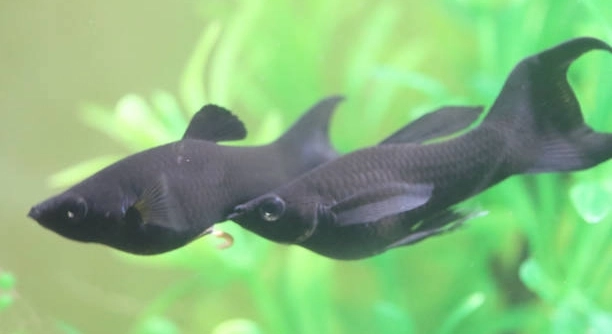
Do you ever notice your black molly swimming differently than usual and wonder what it means for your tank? Observing small changes in behavior can signal big developments, especially when these fish are ready to lay fry soon.
Black molly fish typically show clear signs before giving birth. These include changes in swimming patterns, a darkening gravid spot, a fuller belly, and increased hiding behavior. Monitoring these indicators allows aquarists to anticipate fry arrival and prepare suitable care.
Recognizing these signs early ensures your fish remain healthy and that your tank is ready for new life to thrive safely.
Changes in Swimming Patterns
When black mollies are about to lay fry, their swimming habits often change noticeably. They may become less active, staying near the bottom or corners of the tank more often than usual. Sometimes, they glide slowly along plants, moving with a kind of careful precision that is different from their normal lively behavior. This slower movement helps protect them as they become more vulnerable before giving birth. In many cases, the female might suddenly dart around the tank for short bursts, which is a natural response to perceived threats. Observing these movements closely can give you a good indication that fry are coming soon. Other fish in the tank may also react differently to these changes, either keeping distance or following the molly curiously. Being aware of these swimming patterns is key to preparing the tank for new life, including providing hiding spaces for the fry and minimizing stress for the pregnant female.
These subtle shifts in swimming can be your first clue that fry are near, allowing you to make adjustments promptly.
Providing plants and safe corners helps the female feel secure, reducing stress and giving fry the best chance to survive once they arrive. Watching these movements daily makes it easier to notice when the female is about to give birth. Over time, recognizing these patterns becomes almost instinctive for anyone maintaining a tank, and it ensures a smoother transition when the fry are born. Small changes in water temperature, hiding spots, or feeding routines can further support the female, encouraging a safer environment. Consistent observation allows you to intervene only when necessary, creating a natural and less disruptive setting for both the mother and the fry. A calm and prepared environment increases survival rates and keeps the entire tank community balanced.
Darkening of the Gravid Spot
The gravid spot on a black molly’s abdomen often becomes darker as fry develop.
This darkening is caused by the growing fry inside, and it usually intensifies closer to the birthing period. The spot can be a gray, brown, or black shade depending on the fish. Observing the color and size of this area is a reliable indicator of how soon the female will deliver fry. The gravid spot becomes more pronounced and firm as the fry develop, signaling that birth is imminent. Alongside changes in swimming behavior, this visual cue is one of the most straightforward ways to anticipate fry arrival without disturbing the fish. Regular observation allows you to track the progression and predict the timing more accurately.
In addition to monitoring the gravid spot, ensuring the female has a stress-free environment is essential. Avoid tapping the tank or rearranging decorations, and provide plenty of plants or hiding spaces for her comfort. Feeding smaller, frequent meals helps maintain her energy, which supports both her health and the fry. Clean water is critical during this time, as it prevents complications that could affect the mother or her young. By paying attention to these visual and environmental factors, you can better manage the birth process and ensure a safer start for the fry. This combination of observation and care creates a stable setting where the female can give birth naturally, and the fry have a higher chance of survival in their first days.
Increased Hiding Behavior
Pregnant black mollies tend to hide more than usual, often retreating to plants or decorations. This instinctive behavior protects them from stress and other fish, making it easier for the fry to survive once they are born.
Hiding becomes a crucial sign that the female is nearing birth. She may stay in one spot for long periods, only moving when necessary. Observing this behavior can help you determine when fry are about to appear, giving you time to prepare safe spaces. Keeping the tank quiet and avoiding sudden movements will reduce stress. Hiding also allows the female to rest and conserve energy for labor, ensuring a healthier delivery. Plants, caves, or dense decorations provide excellent shelters where she can feel secure. Over time, this instinctive pattern becomes predictable, allowing you to anticipate fry arrival and adjust the tank environment accordingly.
Providing plenty of cover not only supports the female but also improves fry survival after birth. They can immediately seek refuge in these areas, reducing the risk of being eaten. Combining hiding spots with calm water conditions and proper feeding helps both mother and fry thrive. Regular observation of her preferred hiding locations allows you to monitor health and readiness without disturbing her, ensuring a smoother birthing process and a safe start for the fry.
Restless or Aggressive Behavior
Some black mollies exhibit sudden restlessness or mild aggression as birth approaches. They may chase other fish or dart quickly across the tank, signaling stress or discomfort.
This behavior indicates that the female is preparing for delivery. She may swim rapidly in short bursts or bump against plants and decorations, which is normal. Increased vigilance and careful observation are important during this time. Providing a quiet environment and minimizing tank disturbances can help her manage stress. Overfeeding should be avoided, as it may worsen discomfort and cause digestive issues. Temporary separation of other aggressive or overly curious fish can reduce tension and create a safer environment. Monitoring water parameters is also critical, as small changes can heighten stress in a pregnant molly. When these restless behaviors are observed alongside hiding and darkening of the gravid spot, it strongly signals that fry are imminent.
Supporting a pregnant molly through this stage requires attention to both her behavior and tank conditions. Adding floating plants or additional shelters can calm her, while maintaining stable water temperature and quality reduces stress. Observing her movements and reactions daily allows you to anticipate birthing and respond appropriately. Balanced feeding and careful interaction ensure she remains healthy, leading to a safer delivery. By addressing restlessness and aggression proactively, the fry have a better chance of surviving, and the mother stays strong throughout the process. Creating a calm, structured environment is the key to managing this stage effectively.
Swollen Belly
A noticeably swollen belly is a clear indicator that black mollies are close to giving birth. The rounder, heavier abdomen signals developing fry inside, especially when combined with other behavioral changes.
Swelling increases gradually over time. Observing this growth helps predict birthing, allowing for proper tank preparation.
Frequent Surface Visits
Some pregnant black mollies swim near the water surface more often than usual. This behavior can indicate increased oxygen needs or slight discomfort. Monitoring these visits helps gauge the female’s health and readiness for fry.
Reduced Appetite
Pregnant black mollies often eat less as birth approaches. This decrease in appetite is natural and reflects their focus on preparing for delivery rather than feeding.
Lethargy
A pregnant black molly may become unusually lethargic, resting longer than normal. Reduced activity is a sign that the fish is conserving energy for the birthing process.
How long does it take for black molly fry to be born?
Black molly fry typically develop for about 4 to 6 weeks inside the female. The exact timing can vary depending on water temperature, diet, and overall health of the mother. Warmer water speeds up development slightly, while cooler water can slow it down. Observing her behavior alongside physical signs like a darkening gravid spot and a swollen belly helps estimate when the fry will arrive. During this period, it is important to provide a stable environment with clean water, plenty of hiding spaces, and minimal stress.
Do black mollies need special food before giving birth?
Feeding a pregnant black molly does not require special diets, but high-quality food helps support her energy and overall health. Providing small, frequent meals of protein-rich foods like brine shrimp, daphnia, or finely crushed flakes is ideal. Avoid overfeeding, as it can cause bloating or water quality issues, which may stress the female. Healthy nutrition ensures the fry inside develop properly and gives the mother strength for labor. A varied diet also helps maintain her immune system during this vulnerable period.
How can I protect fry from adult fish?
Adult fish, including other mollies, may eat newborn fry. The best way to protect them is by providing dense plant cover or breeding boxes within the main tank. Floating plants, moss, or artificial shelters give fry hiding spots immediately after birth. Some aquarists separate the female into a smaller tank or breeder net before delivery, allowing fry to disperse safely afterward. Regular observation ensures fry are not stressed or injured. Maintaining clean water and removing uneaten food promptly also reduces risks from aggressive adults.
When should I separate the female from the main tank?
Separating a female is recommended when other fish are overly aggressive or curious. Doing so a few days before the expected birth reduces stress and prevents potential attacks on fry immediately after delivery. Use a small, well-planted tank or a breeding box with gentle filtration. Avoid sudden movements or transfers, as these can shock the female. Maintaining stable water parameters is essential during this time, including temperature, pH, and cleanliness. The goal is to provide a calm, secure environment where the female can focus on giving birth safely.
What should I do if the female shows signs of distress?
Signs of distress include excessive hiding, frantic swimming, loss of color, or labored breathing. Immediate action involves checking water quality, temperature, and tank conditions. Ensure ammonia, nitrite, and nitrate levels are safe and stable. Adjusting water parameters slowly helps avoid further stress. Providing extra hiding spots, minimizing tank disturbances, and reducing the presence of other fish can calm the female. If distress continues, moving her to a small, secure environment can be necessary. Monitoring her closely ensures both her health and the survival of the developing fry.
How can I increase fry survival rates?
Fry survival improves with proper preparation and tank management. Provide plenty of hiding spaces, including floating plants or fine-leaved vegetation. Feed the fry with infusoria, baby brine shrimp, or finely crushed flakes immediately after birth. Keep water clean with gentle filtration and regular small water changes. Avoid overcrowding and remove adult fish that may eat fry. Observing behavior and separating fry into a dedicated nursery tank can further increase survival. Consistent attention to water parameters, food, and stress levels ensures the highest possible survival for both the mother and her young.
Can black mollies give birth more than once without resting?
Female black mollies can give birth multiple times in succession, often every 30 to 40 days. However, frequent pregnancies without recovery can weaken the female and reduce fry viability. Providing proper nutrition, clean water, and occasional rest periods between births helps maintain the mother’s health and ensures stronger, healthier fry each time. Over time, observing her reproductive cycles allows better planning for tank management and fry care.
Black mollies are fascinating fish, especially when you start noticing signs that they are ready to give birth. Paying attention to their behavior and physical changes can make a big difference in the health and survival of the fry. Simple observations like changes in swimming patterns, hiding more often, or a darkening gravid spot can tell you a lot about how close the birth is. Each female is slightly different, so spending time watching her helps you understand her unique patterns and needs. By noticing these early signs, you can provide the right environment to support both the mother and her developing fry, which is essential for a healthy tank.
Creating a calm and safe environment is one of the most important steps. Pregnant black mollies benefit from plenty of hiding spaces such as plants, decorations, or even a breeding box. Reducing stress by keeping the tank quiet and avoiding sudden changes helps the female stay healthy and less anxious. Feeding small, frequent meals of high-quality food also supports her energy and the development of the fry. Water quality plays a key role too, so regular checks and maintenance are important. Stable conditions, clean water, and proper nutrition all work together to ensure that the female can give birth without complications and that the fry have a strong start.
Understanding the behavior of black mollies before they lay fry not only improves the chances of fry survival but also strengthens the connection you have with your fish. Watching for the subtle signals and knowing how to respond creates a more predictable and manageable environment for everyone in the tank. Over time, you begin to anticipate changes and provide care that keeps the female comfortable and the fry safe. Taking these steps doesn’t require special equipment or complicated procedures, just attention, patience, and consistency. By staying observant and prepared, you ensure that your black mollies thrive and that each new generation of fry has the best chance to grow healthy and strong.

Hello,
If you enjoy the content that we create, please consider saying a "Thank You!" by leaving a tip.
Every little bit helps us continue crafting quality advice that supports the health, happiness, and well-being of pets around the world, for pets of all shapes, sizes, and species.
We really appreciate the kindness and support that you show us!