Are Cherry Shrimp Drawn to Tank Movement?
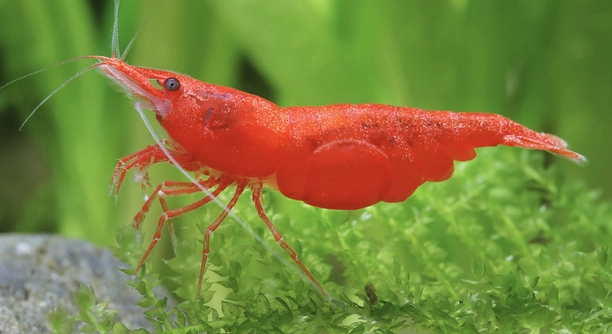
Are your cherry shrimp swimming around the tank more than usual, or do they seem to follow every ripple and current created by your movements? Observing their behavior can be both calming and strangely fascinating to watch in action. Cherry shrimp are indeed attracted to movement within their tank. This behavior is primarily driven by … Read more
Why Cherry Shrimp Might Suddenly Hide in Plants

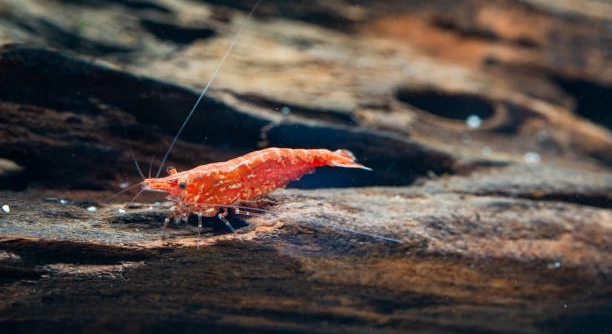
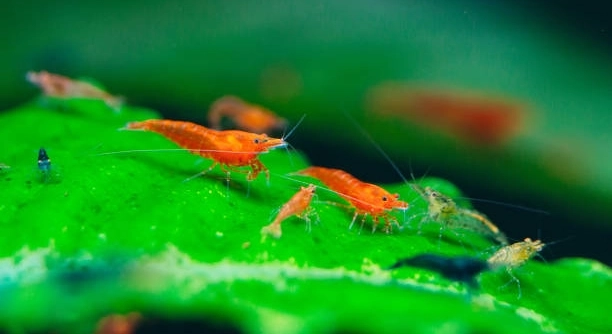
Cherry shrimp are lively little creatures that add color and charm to aquariums. Sometimes, they may suddenly disappear among plants, leaving their owners unsure of what is happening in the tank. Their behavior can seem puzzling at first glance. Cherry shrimp often hide in plants due to stress, environmental changes, or molting. Factors such as … Read more

7 Key Factors in Long-Term Shrimp Health

Paragraph: Keeping shrimp healthy over the long term requires attention to more than just feeding. Proper water conditions, tank maintenance, and understanding shrimp behavior all play a role in supporting their well-being consistently. Paragraph: Long-term shrimp health depends on several key factors, including water quality, diet, habitat stability, disease prevention, social environment, temperature control, and … Read more

7 Water Parameters That Cherry Shrimp Love

Cherry shrimp are small, vibrant creatures that thrive in well-maintained aquariums. Their health and coloration are greatly influenced by water quality. Keeping these parameters consistent helps ensure a lively and stress-free environment for your shrimp to flourish. The seven key water parameters that cherry shrimp prefer include temperature, pH, GH (general hardness), KH (carbonate hardness), … Read more

Why Do Cherry Shrimp Avoid the Tank Edges?

Cherry shrimp are delicate creatures that prefer calm and secure environments in their tanks. Their small size and sensitivity to movement make them cautious, often prompting them to stay in safer, more central areas away from edges. Cherry shrimp avoid tank edges primarily due to perceived threats and environmental stressors. Edges expose them to stronger … Read more

Do Cherry Shrimp Get Jealous of Each Other?

Have you ever noticed your cherry shrimp interacting in ways that seem unusual or competitive? Observing these tiny creatures in your tank can be surprisingly engaging and sometimes puzzling for shrimp keepers. Their subtle behaviors often spark questions. Cherry shrimp do not experience jealousy in the way humans do. Their interactions are mainly driven by … Read more

Why Do Cherry Shrimp Cluster Together?

Cherry shrimp are small, colorful creatures that brighten up any freshwater aquarium. They often move in groups, creating lively clusters that catch the eye. Watching them interact can be surprisingly calming and enjoyable for hobbyists. Cherry shrimp cluster together primarily for safety and social interaction. Grouping reduces the risk of predation and allows individuals to … Read more

7 Water Additives That Shrimp Might Dislike

Do you ever find yourself carefully preparing your shrimp tank, only to notice some of your shrimp acting strangely or hiding more than usual? Water conditions play a huge role in their comfort and health. Certain water additives can create an environment that shrimp may find stressful or harmful. Additives such as high levels of … Read more

Why Shrimp Might Swim Up and Down Repeatedly

Shrimp are fascinating creatures that often move in ways that seem unusual to the casual observer. One common behavior is swimming up and down repeatedly in their tanks or natural habitats. This motion can appear random but often has a purpose. Shrimp may swim vertically due to factors such as feeding behavior, water temperature changes, … Read more

7 Reasons Baby Shrimp Won’t Leave Hiding Spots

Do your baby shrimp seem to vanish whenever you check your tank? It can be frustrating to see them hiding constantly, making it difficult to observe their behavior or ensure they are healthy and active in their environment. Baby shrimp often remain in hiding spots due to stress, new tank environments, molting cycles, insufficient food, … Read more