
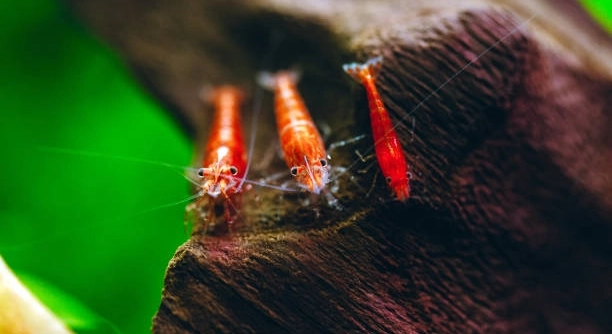
Cherry shrimp are small, vibrant creatures that thrive in well-maintained aquariums. Their health and coloration are greatly influenced by water quality. Keeping these parameters consistent helps ensure a lively and stress-free environment for your shrimp to flourish.
The seven key water parameters that cherry shrimp prefer include temperature, pH, GH (general hardness), KH (carbonate hardness), ammonia levels, nitrite levels, and nitrate levels. Maintaining these factors within optimal ranges supports their growth, molting, and overall well-being in captivity.
Understanding these conditions will improve the longevity and vibrancy of your shrimp. Each parameter plays a crucial role in creating a stable and safe aquarium environment.
Temperature
Cherry shrimp are very sensitive to temperature changes. They thrive best in water between 72 and 78°F (22-26°C). Keeping the tank within this range helps with their metabolism, molting, and activity levels. Sudden fluctuations can stress them, leading to poor coloration, slower growth, or even death. Using a reliable aquarium heater and thermometer allows you to monitor the water consistently. Room temperature can vary, so having a dedicated heater is important, especially in colder months. Avoid placing the tank near windows, vents, or areas with drafts, as this can create inconsistent temperatures. Even minor fluctuations during the day can have an impact, so aim for stability. If your tank has a filter, make sure the water movement does not create cooler or warmer spots that could affect the shrimp. Maintaining a stable environment helps them feel secure and promotes healthy behavior and reproduction in the aquarium.
Maintaining stable temperatures reduces stress and encourages active, healthy shrimp. A controlled environment is crucial for their overall wellbeing.
Consistency in water temperature ensures proper metabolism and healthy molting. Cherry shrimp are delicate, and temperature swings can compromise growth and coloration. Using a reliable heater, monitoring daily, and keeping the tank away from drafts or sunlight helps maintain a comfortable, steady environment for all inhabitants.
pH Levels
Cherry shrimp prefer slightly acidic to neutral water, typically between 6.5 and 7.5.
Keeping the pH stable is essential because sudden changes can affect molting and stress levels. Test the water regularly and use buffers if necessary to maintain balance. Plants and substrate can also influence pH.
A stable pH environment supports their immune system and overall activity. Shifts outside the preferred range can cause lethargy, molting problems, and reduced reproduction rates. Using natural elements like driftwood or certain types of substrate can help maintain desired levels. Avoid adding chemicals abruptly, as cherry shrimp react quickly to rapid changes. Observing shrimp behavior can also give clues—shrimp hiding excessively or losing color often signals pH instability. Regular testing, gradual adjustments, and maintaining consistent water sources create an environment where cherry shrimp can thrive, remain colorful, and breed successfully.
General Hardness (GH)
Cherry shrimp do best in water with a GH between 6 and 8 dGH. This measures the concentration of calcium and magnesium, essential for strong shells and successful molting.
Maintaining proper GH is crucial because it directly affects their exoskeleton development. Soft water with low GH can lead to weak shells and molting difficulties, while excessively hard water can stress shrimp and reduce breeding success. Using a GH test kit allows you to monitor levels accurately. If adjustments are needed, adding mineral supplements or using a mix of tap and RO water can help achieve the ideal range. Consistency matters more than occasional adjustments, as sudden shifts can cause stress. Observing your shrimp regularly will indicate if the water is suitable—they should molt regularly and maintain vibrant coloration without excessive hiding.
Balanced GH also influences other water parameters. Calcium and magnesium interact with pH and overall water stability, supporting a healthier aquarium ecosystem. Proper GH promotes growth, resilience, and active behavior, ensuring that shrimp can molt efficiently, reproduce, and remain colorful. Gradual changes in hardness prevent shock, while consistent monitoring keeps the tank stable and safe.
Carbonate Hardness (KH)
Carbonate hardness should ideally range from 3 to 5 dKH to stabilize pH and prevent sudden swings in acidity. Maintaining this range is key to creating a steady environment.
KH buffers water against rapid pH changes that can occur from feeding, plant decay, or other chemical shifts. Without adequate KH, pH can drop quickly, stressing shrimp and potentially causing molting issues or death. Monitoring KH with test kits and adjusting with appropriate buffers helps maintain a stable tank. Consistent KH supports overall water stability, which benefits not only cherry shrimp but also plants and beneficial bacteria. A balanced KH also interacts with GH, ensuring minerals are available without causing extreme water hardness. Regular checks prevent unnoticed fluctuations, keeping the aquarium safe for long-term shrimp health.
A stable KH creates a reliable environment that prevents stress and supports proper molting. Fluctuating KH weakens the tank’s buffering capacity, leading to sudden acidity changes that compromise shrimp health and activity. Maintaining KH with careful monitoring ensures that water conditions remain predictable, allowing shrimp to thrive naturally and reproduce effectively.
Ammonia Levels
Ammonia should always remain at 0 ppm in a cherry shrimp tank. Even small amounts can stress or kill shrimp quickly, affecting their health and activity.
Regular water testing is essential. Using a filter with biological media helps break down ammonia naturally, keeping the environment safe and stable for shrimp.
Nitrite Levels
Nitrites must also be kept at 0 ppm. Nitrite is highly toxic to cherry shrimp and can cause respiratory issues or sudden death. Monitoring water with test kits and performing regular water changes are essential practices to maintain safety. Biological filtration ensures nitrites are converted to less harmful compounds efficiently.
Nitrate Levels
Nitrate should be kept below 20 ppm. Higher concentrations can stress shrimp and promote unwanted algae growth. Regular partial water changes and controlling feeding amounts help manage nitrate levels effectively. Using live plants can also naturally absorb nitrates, contributing to a balanced and healthy aquarium ecosystem for cherry shrimp.
Water Clarity
Clear water is important to observe shrimp behavior and detect any potential problems early. Filtration and regular maintenance ensure the tank remains clean.
FAQ
What is the ideal temperature for cherry shrimp?
Cherry shrimp thrive in water temperatures between 72 and 78°F (22-26°C). Keeping the tank within this range supports their metabolism, molting, and overall activity. Sudden changes can stress shrimp, so using a heater and thermometer ensures stability. Avoid placing the tank near windows or vents where drafts may create temperature fluctuations. Consistent warmth encourages natural behavior, coloration, and breeding activity. Monitoring daily helps detect any unexpected changes early, preventing stress-related health issues. Temperature control is especially important in seasonal shifts when room temperature can vary significantly.
How do I maintain proper pH levels?
Cherry shrimp prefer a slightly acidic to neutral pH of 6.5 to 7.5. Maintaining stability is more important than reaching an exact number. Rapid shifts in pH can lead to stress, molting problems, or even death. Using natural elements like driftwood or substrate buffers can help maintain pH gently over time. Test water regularly and make gradual adjustments if needed, avoiding sudden chemical additions. Stable pH supports shrimp immune systems and activity levels, allowing them to feed, molt, and breed without unnecessary stress. Observing behavior, such as hiding or color loss, can indicate pH instability.
Why is general hardness (GH) important?
GH measures the calcium and magnesium content in water, crucial for strong shells and proper molting. Cherry shrimp need GH between 6 and 8 dGH for healthy growth. Low GH can result in weak exoskeletons and molting difficulties, while very high GH can stress shrimp. Using GH test kits helps monitor levels accurately. Adjusting GH can be done with mineral supplements or blending tap water with reverse osmosis water. Consistent GH ensures proper shell formation, healthy molting cycles, and better breeding outcomes. Monitoring shrimp regularly helps ensure the water remains within the desired range.
What is carbonate hardness (KH) and why does it matter?
KH refers to water’s buffering capacity, helping prevent sudden pH changes. Cherry shrimp do best with KH between 3 and 5 dKH. Maintaining stable KH reduces stress caused by pH swings from feeding, plant decay, or other chemical shifts. Test KH regularly and adjust gradually using appropriate buffers if needed. KH stability is essential for molting, reproduction, and overall health. It also interacts with GH, helping maintain mineral balance without causing extreme hardness. Observing shrimp for lethargy or color changes can indicate KH or pH issues. A steady KH ensures a predictable and safe environment.
How can I manage ammonia and nitrite levels?
Ammonia and nitrite are highly toxic and must be kept at 0 ppm. Even small traces can harm or kill shrimp. Regular water testing is essential. Biological filtration with media that supports beneficial bacteria converts ammonia to nitrite and then to nitrate safely. Performing consistent water changes reduces buildup. Avoid overfeeding, as leftover food contributes to ammonia spikes. Monitoring behavior such as hiding, lethargy, or unusual swimming patterns can indicate toxic levels. Maintaining a fully cycled tank before introducing shrimp is critical. Gradual adjustments and consistent maintenance prevent sudden toxicity issues and keep shrimp healthy.
What nitrate levels are safe for cherry shrimp?
Nitrate should remain below 20 ppm. Higher levels stress shrimp, reduce reproduction, and can encourage algae growth. Partial water changes remove excess nitrates, while controlling feeding amounts prevents accumulation. Live plants absorb nitrates naturally, contributing to a balanced ecosystem. Regular testing ensures levels remain safe. Maintaining low nitrates supports shrimp health, coloration, and activity. Observation of shrimp behavior also helps detect stress caused by elevated nitrate levels. A combination of water changes, careful feeding, and live plants keeps nitrate levels controlled consistently.
How important is water clarity?
Clear water allows observation of shrimp behavior and early detection of problems. Filtration and regular cleaning remove debris and prevent harmful substances from accumulating. Cloudy water can indicate waste buildup or bacterial blooms, which stress shrimp and affect molting. Maintaining clarity through mechanical and biological filtration ensures a healthy environment. Regular tank maintenance, such as substrate cleaning and water changes, promotes transparency. Clear water also supports plant growth, which benefits shrimp by providing natural shelter and surfaces for grazing. Observation through clean water helps identify potential health or environmental issues early, ensuring shrimp thrive.
How do I prevent stress in cherry shrimp?
Stress can arise from sudden changes in temperature, pH, hardness, or ammonia spikes. Keeping water parameters stable is the key. Avoid overcrowding and provide hiding spaces with plants or decorations. Gentle water flow and careful feeding routines help minimize stress. Observing behavior regularly allows early detection of issues. Stress reduction improves molting, breeding, and coloration. A consistent environment, paired with gradual changes when needed, supports overall shrimp health. Preventing stress ensures shrimp are active, reproduce successfully, and maintain vibrant colors in the aquarium.
Can cherry shrimp adapt to slightly different water parameters?
Cherry shrimp are somewhat adaptable but prefer stable conditions. Minor deviations in temperature, pH, or hardness may be tolerated temporarily, but prolonged exposure can lead to stress, weak shells, and reduced reproduction. Gradual acclimation is essential when introducing them to a new tank. Frequent testing and observation help ensure parameters remain within safe ranges. Adaptation works best when changes are incremental, allowing shrimp to adjust without compromising health. Stability is more important than exact numbers, and maintaining consistency across all water parameters creates the ideal environment for thriving shrimp.
What role do plants play in water quality?
Live plants absorb nitrates, stabilize pH, and provide shelter, improving overall water quality. They reduce waste accumulation and offer surfaces for biofilm growth, which shrimp feed on. Plants contribute to a balanced ecosystem, supporting both water chemistry and shrimp behavior. Choosing hardy plants helps maintain consistency without frequent replacement. Plant coverage also offers hiding spaces during molting or stress. A planted tank encourages natural foraging, reduces algae growth, and promotes long-term stability. Regular pruning and monitoring ensure plants remain healthy and continue benefiting the aquarium environment for cherry shrimp.
How often should I test water parameters?
Testing should occur at least once a week. Frequent checks detect early deviations in temperature, pH, GH, KH, ammonia, nitrite, and nitrate. Sudden shifts can be addressed before they harm shrimp. Using reliable test kits and keeping records helps track trends. More frequent testing is recommended after adding new shrimp, plants, or equipment. Observing behavior alongside testing ensures water remains suitable. Weekly monitoring prevents unexpected problems, reduces stress, and supports overall health. Consistent testing creates a stable environment where shrimp can thrive and reproduce without issues.
What are signs of unhealthy water conditions?
Shrimp hiding excessively, losing color, or showing irregular molting are clear indicators. Lethargy, reduced feeding, or sudden deaths also signal poor conditions. Cloudy water, algae overgrowth, or foul odors point to chemical imbalances. Early detection through observation and testing allows corrective measures. Maintaining proper water parameters minimizes stress and prevents health issues. Immediate action, such as water changes or parameter adjustments, helps restore balance. Monitoring shrimp behavior regularly ensures any deviation from optimal conditions is caught early. Observing these signs is essential for maintaining a thriving and vibrant cherry shrimp aquarium.
How can I adjust water parameters safely?
Changes should be gradual. Small increments prevent shocking shrimp. Use appropriate additives for GH, KH, or pH adjustments. For temperature, adjust the heater slowly. Avoid abrupt chemical treatments, which can harm shrimp. Partial water changes dilute unwanted compounds safely. Always test after adjustments to ensure stability. Gradual methods preserve molting cycles, reproductive activity, and coloration. Consistency matters more than speed, and careful observation ensures shrimp tolerate changes without stress. Safe adjustments promote long-term health, reduce mortality, and maintain a thriving, balanced environment in the aquarium.
How do I ensure successful molting?
Stable water parameters, proper GH and KH, and low ammonia and nitrite levels are critical for molting. Inadequate calcium or sudden pH changes can lead to incomplete molts or deaths. Providing hiding spaces reduces stress during this vulnerable period. Regular observation helps detect molting problems early. Maintaining a stable environment, adequate minerals, and gentle water flow allows shrimp to molt successfully. Consistency in diet and water chemistry ensures exoskeleton strength and healthy growth. Proper molting practices improve survival, support reproduction, and keep shrimp vibrant.
How can I promote breeding in cherry shrimp?
Stable water parameters, consistent temperature, and low stress levels encourage breeding. Adequate GH and KH, clear water, and proper nutrition support reproductive activity. Providing plants or moss gives juveniles shelter. Avoid overcrowding and sudden changes. Gradual adjustments, low nitrates, and safe water conditions create a favorable environment for egg-laying and hatching. Observing mating behaviors and juvenile growth ensures the population thrives. Healthy, unstressed adults reproduce reliably in a well-maintained tank. Balanced conditions, coupled with regular maintenance, maximize breeding success while supporting overall shrimp health and color vibrancy.
How do I prevent algae overgrowth while keeping shrimp healthy?
Control light duration, maintain low nitrates, and avoid overfeeding. Live plants compete with algae for nutrients, reducing growth naturally. Regular water changes and careful observation help maintain a clean tank. Cherry shrimp will also graze on algae, contributing to control. Algae management keeps the environment stable, improving shrimp health and preventing stress caused by excessive waste or poor water quality. A balanced ecosystem ensures both plants and shrimp thrive while limiting unwanted algae growth.
Can tap water be used for cherry shrimp tanks?
Tap water is acceptable if treated to remove chlorine or chloramine. Testing for GH, KH, pH, and other parameters ensures compatibility. Mixing with RO water allows control over hardness and mineral content. Gradual acclimation prevents stress. Regular monitoring and adjustments maintain stability. Using treated tap water with consistent testing and supplements creates a safe, reliable environment for cherry shrimp, ensuring optimal health, coloration, and reproductive success. Proper preparation avoids sudden shocks and keeps shrimp thriving over time.
What should I do if water parameters fluctuate unexpectedly?
Identify the source of fluctuation immediately, whether temperature, pH, or hardness. Perform partial water changes and adjust equipment as needed. Avoid sudden chemical additions. Monitor shrimp behavior and test water frequently until stability returns. Gradual correction ensures shrimp are not stressed. Regular maintenance, careful observation, and stable daily routines help prevent future fluctuations, ensuring a consistent environment for shrimp health, molting, and breeding. Stability is key to avoiding stress and maintaining long-term success.
How does feeding affect water quality?
Overfeeding increases ammonia and nitrate levels. Uneaten food decomposes, impacting water clarity and chemistry. Feed small amounts that shrimp can consume within a few hours. Remove excess food to maintain water stability. Balanced feeding supports growth, coloration, and reproduction without compromising water parameters. Regular observation of shrimp feeding habits allows adjustments to prevent waste buildup. Proper feeding routines, combined with monitoring and maintenance, help preserve a safe and clean environment that promotes healthy, active shrimp.
Are all water parameters equally important?
Each parameter plays a role, but stability across temperature, pH, GH, KH, ammonia, nitrite, and nitrate is crucial. Neglecting one can compromise others. Maintaining consistency ensures shrimp molting, reproduction, and activity are supported. Observing shrimp behavior helps prioritize adjustments when needed. Balanced parameters create a reliable, safe, and thriving environment. Monitoring, testing, and careful adjustments are necessary for overall health. Prioritizing stability over exact numbers helps shrimp remain stress-free, active, and vibrant. All parameters work together to maintain a successful aquarium ecosystem.
How can I monitor shrimp health effectively?
Observation is key. Look for color vibrancy, molting patterns, activity levels, and feeding behavior. Sudden hiding, lethargy, or faded coloration can indicate water issues. Testing water regularly alongside visual checks ensures early detection of problems. Keeping a log of observations helps track trends. Prompt response to changes prevents health decline. Monitoring shrimp behavior combined with water testing supports long-term health, stress reduction, and reproductive success. Consistent attention allows identification of subtle shifts in environment or health, ensuring a thriving, balanced aquarium.
How often should I perform water changes?
Weekly partial water changes of 10-20% help maintain low nitrates, stable pH, and clear water. Adjust frequency based on tank size, stocking density, and plant coverage. Consistent water changes prevent accumulation of waste, maintain mineral balance, and reduce stress. Monitoring water parameters ensures changes are effective and safe. Proper water change routines support molting, coloration, and reproduction. Consistency is more important than volume. Frequent, small adjustments keep the environment stable and reduce risk of sudden parameter swings that can negatively affect cherry shrimp health.
Can cherry shrimp live with other tank mates?
Yes, but choose peaceful species that do not prey on shrimp. Avoid aggressive fish that may stress or eat them. Small snails or other invertebrates often coexist well. Tank mates should tolerate similar water parameters. Observing interactions ensures safety and reduces stress. Proper selection maintains harmony while supporting healthy shrimp behavior, molting, and breeding. Compatibility depends on water chemistry, temperature, and feeding routines, ensuring all species thrive together without compromising shrimp health.
What should I do if shrimp stop molting or breeding?
Check all water parameters first: temperature, pH, GH, KH, ammonia, nitrite, and nitrate. Stress, poor nutrition, or unstable water chemistry often causes inactivity in molting or reproduction. Adjust gradually and provide hiding spaces. Monitor feeding and tank conditions closely. Ensuring stable, balanced parameters, consistent nutrition, and minimal stress restores molting cycles and reproductive activity. Observation allows early intervention to prevent long-term issues, supporting a thriving shrimp population. Consistency in care is the key factor in restoring normal behavior and overall health.
How do I acclimate new shrimp safely?
Float the bag to equalize temperature, then slowly mix tank water in small increments over 1-2 hours. Gradual acclimation prevents shock from differences in pH, GH, KH, and temperature. Adding shrimp directly can stress or kill them. Slow, careful introduction allows them to adjust to tank conditions safely. Observing behavior during and after acclimation ensures they adapt successfully. Patience during this process reduces mortality, supports immediate feeding, and encourages normal molting and activity. Proper acclimation protects health and ensures shrimp thrive from the start in their new environment.
Can cherry shrimp survive without plants?
Yes, but plants improve water quality, provide hiding spots, and encourage natural grazing. Without plants, shrimp need alternative shelters, like moss or decorations, and careful monitoring of nitrates and clarity. Plants contribute to stability, reduce stress, and enhance molting and breeding success. A planted or semi-planted environment is easier to maintain and healthier for shrimp long-term.
How do I prevent disease in cherry shrimp?
Maintain stable water parameters, avoid overcrowding, and keep a clean tank. Quarantine new shrimp to prevent introducing pathogens. Proper nutrition supports immunity. Observing behavior and appearance allows early detection. Clean equipment and regular maintenance reduce bacterial or fungal growth. Healthy, stress-free shrimp are more resilient. Prompt response to illness limits spread and maintains overall population health. Prevention is far more effective than treatment, ensuring shrimp remain vibrant, active, and capable of breeding successfully.
What are the most common mistakes with cherry shrimp tanks?
Neglecting water testing, overfeeding, rapid parameter changes, overcrowding, and poor filtration are frequent errors. Ignoring these can stress shrimp, cause molting issues, or reduce reproduction. Regular observation, consistent maintenance, and gradual adjustments prevent problems. Attention to each water parameter, feeding routine, and tank setup ensures shrimp thrive. Proper planning and monitoring reduce mortality and stress, creating a stable and vibrant environment for healthy shrimp growth and activity. Avoiding these mistakes is key to long-term success.
How long do cherry shrimp typically live?
With proper care and stable water parameters, cherry shrimp usually live 1.5 to 2 years. Factors like temperature, water quality, diet, and stress levels influence lifespan. Maintaining optimal conditions and minimizing stress extends life, promotes successful molting, and supports reproduction throughout their lifespan. Observation and consistent care are essential for maximizing longevity.
Can I keep shrimp in soft water?
Yes, but GH and KH should remain within preferred ranges. Extremely soft water can weaken shells and interfere with molting. Gradual adjustments or mineral supplementation ensure shrimp remain healthy. Monitoring water parameters is critical to avoid sudden stress or deficiencies. Properly balanced soft water supports growth, coloration, and reproduction without compromising health.
How do I know if shrimp are stressed?
Signs include hiding, faded coloration, slow movement, irregular molting, or reduced feeding. Stress often results from unstable water parameters, sudden changes, or inappropriate tank mates. Observing behavior regularly helps detect early signs. Correcting water chemistry, providing shelter, and minimizing disturbances reduces stress and supports overall health. Consistency and careful monitoring prevent prolonged stress and promote natural activity, reproduction, and coloration in cherry shrimp.
Are tap water additives necessary?
Additives depend on water quality. Chlorine or chloramine must be removed. Mineral supplements may be needed to maintain GH and KH within ideal ranges. Gradual use prevents sudden changes. Testing water before and after using additives ensures stability. Proper use supports shrimp health, molting, and reproduction while maintaining safe water conditions. Consistency in additives avoids stress and long-term issues.
How can I encourage natural behavior in shrimp?
Provide plants, moss, and hiding spaces. Maintain stable water parameters, moderate flow, and appropriate lighting. Feed natural foods or biofilm supplements. Minimizing disturbances allows shrimp to explore, graze, and interact normally. A stable, enriched environment supports activity, molting, and breeding, creating a thriving tank ecosystem that mimics natural conditions.
Can shrimp survive sudden parameter changes?
Sudden changes in temperature, pH, GH, KH, or toxins can quickly stress or kill shrimp. Gradual adjustments are essential. Monitoring water and observing shrimp behavior helps detect problems early. Stability is far more important than exact numbers. Avoid abrupt interventions to maintain health and longevity. Proper care ensures shrimp continue to thrive, molt, and reproduce successfully without risk from sudden environmental shifts.
What is the best filtration for cherry shrimp?
Sponge filters are ideal. They provide gentle water flow, support beneficial bacteria, and prevent shrimp from being sucked in. Biological filtration maintains low ammonia and nitrite levels while keeping water clear. Sponge filters are easy to clean without disturbing shrimp. Combining filtration with regular maintenance ensures stable, healthy water conditions that support molting, reproduction, and natural behavior.
How often should I feed cherry shrimp?
Feed small portions once or twice daily, enough for shrimp to consume within a few hours. Overfeeding leads to waste accumulation, affecting water quality. Provide varied diet including algae, biofilm, and specialized shrimp foods. Observation ensures all shrimp get food and reduces leftover decay. Consistent feeding routines promote growth, coloration, and reproduction without compromising water parameters.
What plants are best for shrimp tanks?
Mosses like Java or Christmas moss, floating plants, and small-leafed species provide grazing surfaces, hiding spots, and nitrate absorption. Hardy plants reduce maintenance, improve water quality, and enhance shrimp behavior. Dense coverage supports molting, breeding, and natural foraging. Regular trimming prevents overcrowding while maintaining benefits. A planted tank improves overall stability and shrimp health.
How do I handle sudden algae blooms?
Reduce light exposure, control feeding, and
Final Thoughts
Maintaining the ideal water parameters for cherry shrimp is essential for their health, growth, and reproduction. These tiny creatures are sensitive to changes in temperature, pH, GH, KH, ammonia, nitrite, and nitrate. Even minor fluctuations can stress them, affecting molting and coloration. Consistency is more important than perfection, and gradual adjustments help avoid shocking the shrimp. Using reliable test kits and monitoring water regularly ensures that all parameters remain within the preferred ranges. A stable environment supports active shrimp, vibrant colors, and successful breeding, making the aquarium a healthy place for these small invertebrates to thrive.
Careful attention to water chemistry also reduces the risk of disease and mortality. Ammonia and nitrite must always be at 0 ppm, while nitrate should stay low, preferably under 20 ppm. Hardness levels, both general and carbonate, provide essential minerals for strong shells and proper molting cycles. Temperature and pH stability minimize stress, allowing shrimp to behave naturally and maintain their immune systems. Plants in the tank not only provide shelter but also help absorb excess nitrates and maintain water clarity. Combining proper water maintenance, careful feeding routines, and live plants creates a balanced ecosystem that promotes long-term health and well-being for the shrimp.
Observing the shrimp regularly is just as important as maintaining water parameters. Signs such as hiding, faded coloration, irregular molting, or lethargy indicate potential problems that require immediate attention. Providing adequate shelter, avoiding overcrowding, and choosing compatible tank mates further reduce stress and create a safe environment. Gradual acclimation when introducing new shrimp ensures they adapt smoothly to the tank conditions. Over time, consistent care, monitoring, and maintenance build a stable habitat that supports not only the shrimp’s physical health but also their natural behavior. A well-maintained tank allows cherry shrimp to thrive, reproduce successfully, and display their full color potential, creating an enjoyable and sustainable aquarium environment.

Hello,
If you enjoy the content that we create, please consider saying a "Thank You!" by leaving a tip.
Every little bit helps us continue crafting quality advice that supports the health, happiness, and well-being of pets around the world, for pets of all shapes, sizes, and species.
We really appreciate the kindness and support that you show us!