
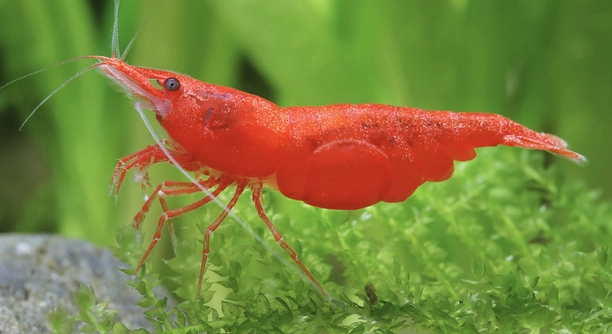
Are your cherry shrimp swimming around the tank more than usual, or do they seem to follow every ripple and current created by your movements? Observing their behavior can be both calming and strangely fascinating to watch in action.
Cherry shrimp are indeed attracted to movement within their tank. This behavior is primarily driven by their natural instincts to explore and investigate changes in their environment, including water currents, shadows, and sudden disturbances. Their response is consistent across multiple studies.
Understanding these movement patterns can help maintain a healthy and stress-free environment for your shrimp. Their reactions reveal much about their natural instincts and daily habits.
Why Cherry Shrimp React to Movement
Cherry shrimp have a natural instinct to notice changes in their environment. When something moves in the tank, such as water currents or shadows, they often respond immediately. This reaction is part of their survival mechanism. In the wild, noticing movement helps them avoid predators and locate food. Even small disturbances, like tapping the glass or rearranging decorations, can trigger swimming or hiding behaviors. Their antennae are very sensitive, allowing them to detect vibrations and changes in water pressure. This sensitivity makes them highly aware of their surroundings and responsive to even minor shifts. Observing them can help you understand their comfort levels and overall health. Over time, you may notice patterns in their reactions, which can guide how you manage feeding, cleaning, or tank adjustments. Respecting these natural behaviors ensures your shrimp stay active and stress-free while exploring their habitat safely.
Movement in the tank often stimulates curiosity, activity, and a sense of security for cherry shrimp.
Providing gentle, consistent water flow and avoiding sudden movements reduces stress. Their behavior stabilizes when the tank environment feels predictable.
Tips to Manage Tank Movement
Minimizing abrupt disturbances helps your shrimp feel safe. Sudden splashes, tapping, or rapid rearrangements can trigger hiding.
To keep movement controlled, use tools instead of hands when cleaning or adjusting decorations. Gradually introduce any water changes or additions. Consistent tank maintenance, like gentle water flow and regular feeding times, reduces startling them. Cherry shrimp respond best to stable conditions, so avoid drastic changes in temperature or lighting. Plants and hiding spots also help them feel secure, giving them places to explore or retreat if they feel threatened. Monitoring their reactions to your presence can guide adjustments to care routines. Over time, shrimp often become accustomed to predictable movements, improving their overall health and activity levels. Understanding their responses allows for a balanced environment, ensuring they thrive while maintaining natural behaviors. Consistency and observation are key to creating a calm and engaging habitat for your shrimp.
How Water Flow Affects Cherry Shrimp
Water movement keeps shrimp active and stimulates exploration. Gentle currents help distribute oxygen and nutrients evenly, encouraging them to swim and forage naturally.
Strong water flow, however, can stress shrimp and force them to cling to surfaces. They prefer moderate currents that allow natural movement without tiring them. Observing how they respond to water circulation helps determine the right filter settings. Plants and hiding spots can break currents, creating calm areas. Balancing water flow ensures shrimp stay healthy, active, and comfortable while reducing the risk of injury or stress-related behavior. Adjustments to flow should be gradual.
In planted tanks, water flow interacts with foliage, creating microcurrents that attract shrimp to explore. They often follow these gentle streams, which mimic natural environments. Positioning decorations strategically allows them to move freely while avoiding overly strong currents that may cause fatigue or stress. Regular monitoring of their activity can guide changes to flow patterns and tank layout. By maintaining balanced water movement, shrimp display natural behaviors, remain vibrant, and enjoy a habitat suited to their instincts.
Light and Shadow Effects
Cherry shrimp react strongly to changes in light and shadow, which signal activity or threats. Sudden light changes may cause hiding or rapid movement.
Consistent lighting reduces stress and helps establish a predictable routine for feeding and activity. Shadows cast by plants or decorations create secure areas for exploration. Adjusting light gradually prevents startling them. Different types of aquarium lights can influence their behavior, color intensity, and overall comfort. Providing a mix of bright and shaded areas allows them to choose where they feel safest. This also encourages natural foraging behavior, as they move between light and shadow to graze. Observing how they respond can inform lighting schedules, placement of decor, and tank maintenance routines. A stable lighting environment supports shrimp health and helps them feel secure while moving naturally through the tank.
Feeding Time Reactions
Cherry shrimp are quick to notice food falling into the tank. Their movements become more purposeful, often gathering around the feeding area immediately.
They respond to both the sight and vibrations caused by food hitting the water. Even small pieces can trigger active foraging and increased swimming around the tank.
Interaction with Tank Mates
Shrimp adjust their movements based on the behavior of other tank inhabitants. They may retreat when larger fish swim nearby or cautiously approach if tank mates are calm. This helps reduce stress and encourages peaceful cohabitation within the tank environment.
Cleaning and Maintenance
Shrimp are sensitive to rapid changes during tank cleaning. They may hide or move frantically when water is stirred or decorations are rearranged.
Keeping a gentle hand and minimizing abrupt disturbances helps them stay calm and maintain regular activity levels throughout maintenance routines.
FAQ
Why do cherry shrimp swim away when I move near the tank?
Cherry shrimp are naturally cautious creatures. Movement near the tank creates vibrations and shadows that signal potential danger. Their instinct is to retreat or hide until the area feels safe again. Over time, gentle and consistent interactions may help them become more comfortable with your presence.
Do cherry shrimp follow my hand or objects in the tank?
Yes, cherry shrimp often investigate objects or hands moving in their environment. They are attracted to changes, including light shifts or water currents created by movement. This behavior is exploratory rather than aggressive and is part of how they interact with their surroundings.
Can tank vibrations stress cherry shrimp?
Excessive vibrations can cause stress, making shrimp hide or swim erratically. Even mild taps on the glass or heavy footfalls near the aquarium can affect their behavior. Minimizing sudden vibrations helps them stay calm and maintain normal feeding and swimming patterns.
Do cherry shrimp enjoy swimming in strong currents?
Cherry shrimp prefer gentle to moderate water flow. Strong currents can tire them quickly and force them to cling to surfaces, which may increase stress. Providing areas of calm water alongside flowing sections allows them to choose their comfort level while still experiencing natural movement.
How do lights affect cherry shrimp activity?
Sudden changes in lighting can startle shrimp, causing them to hide. Consistent light cycles help them establish routines for feeding and activity. Shadows created by plants and decorations give them secure areas to explore, making them feel safer while swimming. Gradual adjustments in lighting are ideal.
Why do shrimp react differently to new decorations?
New decorations alter water flow, light, and available hiding spots, which can trigger exploratory or cautious behavior. They may move around more or hide until they feel the environment is safe. Introducing decorations gradually and observing their reactions helps prevent stress.
Do cherry shrimp recognize tank mates?
Shrimp adjust their movement based on other inhabitants. Calm tank mates encourage normal foraging, while aggressive or fast-moving fish may trigger hiding. Their responses are instinctual and help reduce risk of injury while coexisting peacefully.
How often should I check water movement for shrimp comfort?
Monitoring water flow regularly is important, especially after adding new equipment or changing filter settings. Observing shrimp behavior during these times ensures currents remain gentle enough for them to swim naturally without fatigue or stress.
Can feeding times affect their response to movement?
Yes, during feeding, shrimp are highly attentive to changes in their environment. They may swim toward food or investigate new disturbances more actively. Establishing predictable feeding routines can help manage their reactions and reduce unnecessary stress during daily tank maintenance.
Is hiding behavior normal after tank cleaning?
Hiding after cleaning is common. Disturbances from water changes, rearranged decorations, or siphoning can trigger temporary retreat. Allowing calm, gradual adjustments during maintenance helps shrimp feel secure and return to normal activity faster.
Do cherry shrimp explore more at certain times of day?
Shrimp activity often aligns with light cycles. They are typically more active during periods with moderate lighting and retreat during sudden brightness or darkness. Consistent day-night cycles help maintain predictable behaviors, making it easier to observe and care for them effectively.
Will repeated exposure to movement reduce stress?
Yes, gradual, consistent exposure to gentle movement can help shrimp become accustomed to changes in the tank. This does not eliminate their natural instincts but can reduce sudden hiding, allowing for calmer, more predictable activity over time.
Can overhandling or tapping the tank harm them?
Excessive handling or tapping can cause stress, erratic swimming, and in severe cases, physical injury. Limiting direct interference and using tools for maintenance preserves their well-being while maintaining a natural, low-stress environment.
Do shrimp respond differently to water changes?
Rapid or large water changes can trigger hiding or frenzied swimming. Performing gradual water adjustments and maintaining stable temperature and chemistry helps shrimp adapt without excessive stress. Observing their reactions can guide better maintenance practices.
How do plants influence movement behavior?
Plants create microhabitats and break up currents, giving shrimp areas to explore or retreat. Dense plant coverage encourages natural foraging and reduces stress, while bare tanks may make them feel exposed and hesitant to move freely.
Are shrimp more active in groups?
Yes, cherry shrimp display more natural activity when kept in groups. They interact subtly with each other, foraging and exploring together. Isolation can make them more cautious and less active, while a group environment encourages typical swimming patterns.
Can vibrations from household activity affect them?
Everyday vibrations from appliances or footsteps may cause temporary hiding or swimming changes. Positioning the tank on a stable surface and minimizing sudden disturbances reduces unnecessary stress and helps shrimp maintain regular behaviors.
Does feeding type influence their movement response?
Shrimp respond differently to flakes, pellets, or fresh food. Food that creates more water disturbance or sinks quickly can trigger increased activity as they investigate. Offering a variety of feeding methods keeps them engaged and stimulates natural foraging instincts.
How do shrimp adapt to new tanks?
New tanks introduce unfamiliar currents, lighting, and decorations, prompting cautious exploration. Gradual acclimation and observing their responses to movement, light, and water flow helps them adjust safely while reducing stress. Predictable routines accelerate comfort and encourage normal behaviors.
Can light reflection from nearby objects affect shrimp?
Reflections or glare can mimic movement and startle shrimp, causing temporary retreat. Positioning the tank away from direct sunlight or reflective surfaces reduces unexpected stimuli and creates a calmer environment for consistent activity patterns.
How long does it take for shrimp to stop reacting to minor disturbances?
Adjustment varies, but generally a few days to weeks of consistent, gentle conditions helps shrimp become accustomed to minor changes. Providing predictable water flow, lighting, and feeding routines accelerates this process and encourages natural, relaxed behavior.
Do shrimp react differently in planted versus bare tanks?
Planted tanks offer hiding spots, shade, and microcurrents, making shrimp feel safer and more active. Bare tanks can leave them exposed, increasing cautious or erratic movement. Strategic plant placement enhances exploration while reducing stress, allowing shrimp to express natural behaviors confidently.
How can I encourage shrimp to explore safely?
Balanced water flow, consistent lighting, gradual maintenance, and secure hiding spots promote safe exploration. Observing their behavior and adjusting conditions as needed helps them remain active, healthy, and stress-free, while still responding naturally to environmental changes.
Are some shrimp more sensitive to movement than others?
Yes, individual shrimp may vary in temperament. Younger or newly introduced shrimp often react more strongly, while older or acclimated shrimp may tolerate minor disturbances. Monitoring each shrimp’s behavior helps tailor care to maintain comfort for all inhabitants.
What signs indicate stress from movement?
Erratic swimming, prolonged hiding, clinging to surfaces, or reduced feeding are signs of stress. Recognizing these behaviors early allows adjustments in flow, lighting, or maintenance practices to restore a calm environment.
Does tank size affect their reaction to movement?
Smaller tanks amplify vibrations and changes, making shrimp more sensitive. Larger tanks offer space to retreat and disperse movement effects. Ensuring adequate space and hiding spots helps shrimp respond naturally without constant stress or fatigue.
How do shrimp respond to shadows cast by external activity?
Shadows can signal potential threats, causing shrimp to pause or hide. Gradual changes and consistent lighting reduce unnecessary reactions, allowing shrimp to feel secure and explore freely within their tank environment.
Can adding new shrimp trigger movement responses?
Yes, introducing new shrimp creates unfamiliar movement and water disturbances. Existing shrimp may hide or swim cautiously until they adjust to new companions. Gradual acclimation and observation help all shrimp settle safely.
Does water temperature influence movement sensitivity?
Temperature changes can alter shrimp metabolism and responsiveness. Sudden shifts may increase activity or stress. Maintaining stable temperatures supports predictable behavior and ensures shrimp react appropriately to normal environmental changes without unnecessary alarm.
Are shrimp more active during certain feeding techniques?
Yes, sinking pellets, live foods, or small flakes stimulate more active movement as shrimp forage and compete. Rotating feeding techniques encourages exploration while keeping behavior natural and engaging within the tank.
Do shrimp respond differently to glass tapping versus hand movement?
Tapping glass produces sharp vibrations that startle shrimp more than hand movement, which generates gentler currents. Minimizing glass tapping reduces stress and allows shrimp to maintain calm, predictable swimming and feeding behavior patterns.
Can shrimp become accustomed to frequent tank activity?
Repeated, gentle exposure to movement helps shrimp tolerate daily interactions without excessive hiding. While instincts remain, gradual familiarity reduces stress and promotes natural, confident exploration.
How does substrate type affect their movement reactions?
Fine sand or gravel allows shrimp to forage safely and reduces injury during active swimming. Coarse or sharp substrates can make them more cautious and limit natural exploration, influencing how they respond to movement in the tank.
Do shrimp respond to vibrations from nearby tanks?
Yes, vibrations from adjacent tanks can create subtle currents or pressure waves that shrimp detect. Minimizing inter-tank disturbances and maintaining stable conditions ensures shrimp remain calm and focused on their environment.
How long should I wait after rearranging decorations?
Shrimp may need several hours to a day to adjust. Observing their activity and avoiding additional disturbances during this period helps them regain normal swimming and feeding behavior safely.
Does water chemistry affect their response to movement?
Unstable pH, hardness, or ammonia levels can heighten sensitivity. Maintaining stable water parameters ensures shrimp respond naturally to movement rather than showing stress due to poor conditions.
Can juvenile shrimp be more reactive than adults?
Yes, juveniles are generally more cautious and may hide more frequently when movement occurs. Adults tend to tolerate minor disturbances better, but both age groups benefit from gentle, predictable tank conditions to encourage healthy activity.
Do shrimp react differently to human shadows versus other animals?
Human shadows often trigger caution due to size and movement patterns. Smaller animals, like snails or other shrimp, are less threatening, eliciting less dramatic hiding or retreat behaviors. Observing these differences helps manage tank interactions.
How do seasonal changes influence movement sensitivity?
Changes in room temperature, lighting, or humidity can subtly affect shrimp behavior. Seasonal adjustments may increase caution or alter activity levels. Maintaining stable tank conditions reduces the impact of external seasonal changes on shrimp behavior.
Can adding new plants trigger a response?
Yes, new plants alter water flow, light, and hiding spaces. Shrimp may explore cautiously or temporarily hide until they adjust. Gradual introduction and monitoring ensures stress is minimized.
Does tank shape or height matter?
Tall or narrow tanks may create more pronounced currents and shadows. Shrimp may react more strongly in these environments. Proper decoration and plant placement help balance movement and provide secure areas.
How do shrimp sense movement in the water?
They use antennae and tiny hairs to detect vibrations and water pressure changes. This sensory system allows them to respond quickly to potential threats, food, or environmental changes.
Is constant tank activity stressful?
Yes, constant disturbances can lead to chronic stress, reducing feeding, growth, and activity. Creating calm periods and stable routines is essential for their well-being.
Do shrimp ever ignore movement?
When confident in a safe environment, shrimp may ignore minor disturbances. Acclimated shrimp in stable tanks often focus on foraging and interaction rather than reacting to every change.
Can water conditioners reduce stress from movement?
Indirectly, by maintaining stable water chemistry, conditioners reduce additional stress. Stable conditions help shrimp respond naturally to movement rather than compounding reactions with chemical stress.
How important is observation for movement management?
Regular observation allows adjustments in flow, lighting, and decorations, ensuring shrimp remain healthy and stress-free. It also helps identify early signs of overreaction or stress, allowing timely interventions.
Does crowding affect sensitivity?
Overcrowding increases stress and competition, making shrimp more reactive to movement. Proper stocking ensures space for natural behavior and reduces hiding or erratic swimming.
Can gentle hand movements help acclimate shrimp?
Yes, slow and predictable hand movements can help shrimp become accustomed to human presence. This reduces stress over time while maintaining natural instincts.
Are some shrimp species more sensitive than others?
Different shrimp species vary in temperament and sensitivity. Cherry shrimp are moderately responsive, but other species may react more intensely or tolerate more movement. Knowledge of species-specific behavior informs care strategies.
Do shrimp respond to tank cleaning noises?
Cleaning noises, such as siphoning or scrubbing, can startle shrimp. Minimizing loud sounds and moving gently during maintenance helps maintain calm and reduces stress-related behavior.
Can they detect reflections on the tank glass?
Reflections can simulate movement, causing temporary hiding. Adjusting lighting and reducing glare minimizes unnecessary reactions, creating a calmer environment.
How long do shrimp typically hide after disturbances?
Hiding duration varies from a few minutes to several hours depending on the disturbance and individual temperament. Providing secure spots helps them feel safe and return to activity sooner.
Does feeding frequency influence movement sensitivity?
Predictable feeding schedules reduce stress-related reactions to movement. Irregular feeding may increase alertness and responsiveness to any changes in the tank, causing more frequent hiding or swimming.
Can stress from movement affect reproduction?
Yes, prolonged stress can reduce molting, mating behavior, and egg-laying. Stable, calm conditions with predictable movement and hiding areas support healthy reproductive activity.
Do shrimp respond differently to morning versus evening activity?
They tend to be more active during periods of moderate light and calmer at extremes of brightness or darkness. Aligning tank routines with natural light cycles supports normal activity and reduces stress reactions.
Are there signs that movement is harming them physically?
Scratches, torn appendages, or excessive clinging indicate stress or physical impact from strong currents or constant disturbances. Adjusting tank flow and handling practices prevents injury.
Can small air bubbles or filter ripples trigger reactions?
Yes, even minor water disturbances can attract attention or cause temporary hiding. Positioning filters and aeration carefully reduces excessive stress while maintaining necessary circulation.
Do shrimp react to your voice or sounds outside the tank?
Louder noises may create vibrations that they detect. While not as intense as water movement, consistent loud sounds can trigger mild hiding or cautious swimming.
How quickly do shrimp return to normal after movement stops?
Most resume normal behavior within minutes to hours, depending on disturbance intensity and tank conditions. Providing calm, secure areas accelerates recovery.
Can introducing driftwood or rocks change movement behavior?
Yes, new structures alter flow, shadows, and hiding spaces. Gradual placement and observation ensure shrimp adapt without excessive stress or disruption of normal swimming patterns.
Do shrimp respond differently to temperature fluctuations?
Sudden changes increase alertness and hiding. Maintaining steady temperatures ensures they respond to movement naturally rather than being overreactive due to stress.
Is it safe to tap the glass lightly to attract shrimp?
Light tapping can stimulate curiosity but should be minimal. Excessive tapping increases stress and can lead to erratic swimming or hiding, so gentle, infrequent interactions are best.
How do shrimp adjust to a busy tank environment?
They find microhabitats and hiding spots to navigate safely. Over time, consistent and calm conditions help them maintain normal swimming and foraging despite external activity.
Can tank decorations affect social interactions?
Yes, plants, rocks, and caves influence where shrimp gather and explore. Proper arrangement promotes natural interactions and reduces stress, allowing shrimp to move comfortably within the tank.
Are juvenile shrimp more reactive than adults?
Juveniles are more cautious and sensitive to movement. Adults tolerate minor disturbances better but still rely on predictable tank conditions to reduce stress and maintain natural behavior.
Do they respond to water changes differently if done slowly?
Gradual changes minimize stress and hiding. Sudden water replacements can cause frenzied swimming, while slow adjustments allow shrimp to adapt comfortably and maintain normal activity.
Can aquarium equipment noise affect movement?
Filters, pumps, and air stones create vibrations that shrimp sense. Consistent, moderate equipment operation reduces stress, while sudden loud noises can trigger hiding or erratic swimming.
Does feeding location influence their movement?
Shrimp often converge where food is dropped. Changing feeding spots frequently can increase exploration but may also stress less confident individuals. Consistent placement encourages calm and predictable foraging.
How long does it take for shrimp to adjust to new tank flow?
Adjustment varies by shrimp and tank setup. Typically, they acclimate within a few hours to days when currents are moderate and gradual changes are implemented, ensuring safe swimming and natural behavior.
Do cherry shrimp ever ignore disturbances?
Yes, in a calm, stable environment, shrimp may focus on foraging or social interactions rather than reacting to minor movements. Confidence grows with consistent tank conditions and predictable routines.
Can adding floating plants reduce sensitivity?
Floating plants diffuse light and currents, creating shaded areas. This reduces stress from sudden movement or vibrations and encourages natural exploration while providing safe zones.
Does substrate color influence movement behavior?
Shrimp may feel more secure on darker or textured substrates, which provide visual contrast and mimic natural hiding spots. Light or reflective substrates can increase cautious behavior.
Are shrimp more active in groups during movement?
Groups stimulate exploration and natural behaviors. Observing each other’s reactions can encourage more confident swimming and reduce individual stress when reacting to environmental changes.
Can water surface agitation trigger hiding?
Excessive surface ripples simulate movement or potential threats. Moderate agitation is acceptable, but minimizing constant surface disturbance reduces stress and promotes normal activity.
Do shrimp react differently to overhead movement?
Shadows or movements above the tank can cause hiding or cautious swimming. Gradual lighting and stable tank positioning reduce unnecessary reactions and create a secure environment.
Can diet influence movement sensitivity?
Well-fed shrimp show less frantic response to minor disturbances. Hunger increases alertness and activity, causing them to respond more readily to water or light changes.
How can I tell if movement is causing long-term stress?
Indicators include reduced feeding, slow growth, excessive hiding, or molting problems. Adjusting tank flow, lighting, and maintenance practices mitigates stress and supports healthy, natural behavior.
Do shrimp respond to vibrations from tapping other objects in the room?
Yes, sensitive antennae detect vibrations from external sources. Minimizing such disturbances helps maintain calm and consistent behavior in the tank.
Does tank placement affect movement response?
High-traffic areas can cause more frequent hiding. Positioning the tank in a quieter space reduces unnecessary stress and allows shrimp to respond naturally to normal tank activity.
Can consistent routines reduce movement sensitivity?
Yes, predictable feeding, cleaning, and lighting routines help shrimp become accustomed to minor disturbances, reducing stress while supporting natural activity and exploration.
Do cherry shrimp react differently to sudden versus slow movement?
Sudden changes trigger hiding or rapid swimming, while slow, gentle movement is less likely to startle them. Gradual changes promote comfort and natural behavior patterns.
How do they respond to seasonal light changes?
Gradual seasonal shifts are tolerated, but sudden extremes can cause hiding or altered activity. Maintaining consistent artificial lighting helps mitigate stress from natural light fluctuations.
**Can small water changes reduce stress
Cherry shrimp are small but highly sensitive creatures that respond to even subtle changes in their environment. Their natural instincts make them cautious, alert, and curious at the same time. Movement in the tank, whether from water flow, shadows, or objects, can trigger a variety of behaviors, from cautious exploration to quick hiding. Understanding how they react helps provide a stable and comfortable habitat that allows them to thrive. Observing their responses over time gives insight into their comfort level and overall health. Every adjustment in water flow, tank decorations, or lighting has the potential to influence their daily patterns, so paying close attention is important for maintaining a stress-free environment.
Providing areas of calm alongside gentle currents helps balance their need for movement with their need for security. Plants, rocks, and other hiding spaces give cherry shrimp a chance to retreat when they feel threatened or stressed. This natural behavior is essential for their well-being, as it reduces unnecessary stress and allows them to carry out daily activities like foraging, swimming, and interacting with tank mates. Consistent lighting, predictable feeding times, and gradual maintenance routines further support their sense of security. By creating a tank that mimics the balance of natural habitats, shrimp are more likely to display active, healthy behavior, making it easier to enjoy their unique and fascinating traits.
Over time, gentle and predictable handling helps shrimp become accustomed to regular activity in and around the tank. While they will always retain their natural caution, repeated exposure to controlled movement reduces stress reactions and encourages more confident exploration. Paying attention to subtle cues such as hiding, rapid swimming, or antennae movements provides valuable information about their comfort and the effectiveness of your tank setup. Maintaining stable water conditions, careful observation, and thoughtful placement of decorations all contribute to a thriving environment where cherry shrimp can behave naturally. With patience and consistent care, their responses to movement can become manageable, allowing both the shrimp and the caretaker to enjoy a balanced and healthy aquatic habitat.

Hello,
If you enjoy the content that we create, please consider saying a "Thank You!" by leaving a tip.
Every little bit helps us continue crafting quality advice that supports the health, happiness, and well-being of pets around the world, for pets of all shapes, sizes, and species.
We really appreciate the kindness and support that you show us!