
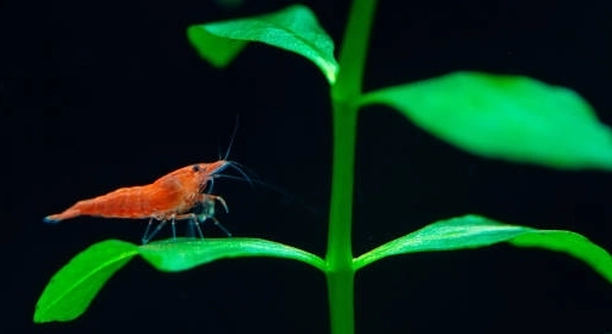
Cherry shrimp are delicate creatures that prefer calm and secure environments in their tanks. Their small size and sensitivity to movement make them cautious, often prompting them to stay in safer, more central areas away from edges.
Cherry shrimp avoid tank edges primarily due to perceived threats and environmental stressors. Edges expose them to stronger water currents, sudden light changes, and potential predators, prompting a natural instinct to remain in the center where conditions feel safer and more stable.
Observing their behavior closely can reveal subtle patterns and needs, helping you create a more comfortable and stress-free habitat for your shrimp.
Common Reasons Cherry Shrimp Avoid Tank Edges
Cherry shrimp often stay away from tank edges because they sense increased risk there. Water flow is usually stronger near the edges, which can make them feel unstable or threatened. Bright light or reflections from glass can startle them, adding to their caution. Edges also offer less cover, and shrimp naturally seek areas where they feel protected. When tank decorations are concentrated in the center, shrimp feel safer and tend to stay around plants, rocks, or hiding spots. Even subtle vibrations outside the tank can influence their behavior, making them retreat toward the center. Temperature fluctuations near glass walls can also play a role, as edges often experience more rapid changes. Observing their patterns over time can help you identify which factors are causing stress. Adjusting tank setup and lighting can encourage them to explore more evenly, improving their overall comfort and visibility.
By providing consistent conditions, shrimp gradually become more relaxed and visible, often venturing closer to edges when they feel secure.
Creating a stable environment is key. Use gentle water flow, maintain even temperatures, and add hiding spots near edges. Covering bright lights or reducing reflections can help. Regular monitoring allows you to spot stress signs early. Feeding shrimp in multiple locations encourages them to explore different areas. Keeping the tank quiet and limiting sudden movements nearby reduces fear. Over time, consistent care leads to shrimp feeling confident throughout the tank. Each small adjustment improves their comfort and encourages natural behavior. Observing subtle shifts, like occasional edge visits, signals that your shrimp are adapting well.
How Tank Setup Affects Edge Avoidance
The layout of your tank heavily influences shrimp behavior. Sparse edges make them feel exposed, while dense center decorations provide security.
Tank design directly impacts comfort levels. Proper placement of plants, rocks, and substrate creates natural pathways and hiding spots, encouraging exploration. Avoid placing strong water currents near edges, as it increases stress. Consistent lighting reduces sudden changes that can trigger retreat. Regularly distributing food and observing shrimp responses helps adjust tank features effectively. Gradual environmental improvements lead to more balanced movement and reduce the tendency to cling to the center. Over time, shrimp show increased confidence, moving freely and interacting with different areas of the tank. Thoughtful arrangement of decor and careful monitoring of conditions ensures that edge avoidance diminishes, supporting healthier shrimp behavior. Paying attention to these details makes a noticeable difference in their daily activity and overall well-being.
Water Conditions and Shrimp Comfort
Water quality directly affects where shrimp feel safe. High ammonia or nitrite levels make edges less appealing, while stable parameters keep them relaxed.
Maintaining clean water is crucial for cherry shrimp. Regular water changes and careful monitoring of ammonia, nitrite, and nitrate levels prevent stress that pushes them toward the tank center. Temperature and pH stability are equally important, as fluctuations can cause shrimp to hide. Providing well-filtered, oxygenated water encourages them to explore the entire tank. Even small inconsistencies can make them cling to safer spots, so consistent maintenance is key. Using gentle filtration prevents strong currents near edges, making these areas more inviting. Observing their responses to adjustments helps ensure that water conditions are optimal for both health and comfort.
Filtration, aeration, and temperature control all influence shrimp behavior. Proper balance lets them move freely, including near tank edges, without fear.
Predators and External Stressors
Presence of other animals affects shrimp movement. Even peaceful fish can intimidate them, keeping them away from exposed areas.
Shrimp are sensitive to their surroundings. Sudden movements outside the tank, vibrations, or shadows can make edges feel risky. Predatory or larger tank mates increase stress, as shrimp instinctively avoid open areas where they might be vulnerable. Providing plenty of hiding spots and dense vegetation allows them to feel secure while exploring. Gradually introducing tank mates and monitoring interactions reduces tension, helping shrimp venture closer to edges over time. External stressors, even subtle ones, shape shrimp behavior significantly. By minimizing disturbances, you create an environment where shrimp feel confident throughout the tank, not just in the center.
Lighting and Edge Behavior
Bright or direct light makes shrimp feel exposed near edges. Soft, diffused lighting encourages them to explore more evenly.
Sudden changes in lighting can startle shrimp, pushing them toward shaded or central areas. Maintaining consistent, gentle illumination reduces stress and promotes natural movement across the tank.
Hiding Spots and Decorations
Shrimp prefer areas with cover, such as plants, rocks, and moss. Lack of hiding spots near edges limits their exploration. Providing decorations throughout the tank allows shrimp to feel secure while venturing closer to edges. Thoughtful placement encourages natural behavior and reduces stress caused by exposed areas.
Feeding Patterns
Cherry shrimp tend to congregate where food is available. Regularly distributing food across the tank motivates them to explore edges and less central areas, gradually increasing their confidence and movement.
FAQ
Why do cherry shrimp hide near the center of the tank?
Cherry shrimp feel safest in areas that provide cover and protection. The center often has more plants, rocks, and moss, which reduce exposure to light, water currents, and perceived threats. By staying in the center, shrimp minimize stress and maintain a sense of security.
Can tank edges ever be safe for shrimp?
Yes, edges can become safe if environmental factors are managed. Gentle water flow, consistent temperature, soft lighting, and sufficient hiding spots along edges encourage shrimp to explore without fear. Gradually adjusting these elements allows them to feel comfortable throughout the tank.
Do tank mates affect edge behavior?
Larger or more active fish can intimidate shrimp, causing them to avoid open areas. Even peaceful species may trigger instinctive caution. Dense vegetation and decorations can reduce stress, allowing shrimp to venture closer to edges while still feeling protected.
Does water quality influence their movement?
Absolutely. High ammonia, nitrites, or unstable pH and temperature can make shrimp retreat to the safest, most stable areas of the tank. Regular monitoring, gentle filtration, and consistent water changes support confident movement, including along tank edges.
How does lighting impact shrimp behavior near edges?
Bright or direct lighting can make edges feel exposed, prompting shrimp to stay in shaded areas. Using diffused or moderate lighting creates a calmer environment, helping them explore edges while maintaining comfort. Gradual changes prevent startling and encourage natural activity.
Do feeding practices affect edge exploration?
Yes. Shrimp tend to move toward areas with accessible food. By spreading food across the tank, including near edges, they gradually gain confidence to explore less central locations while staying secure. Feeding patterns can shape behavior over time.
Can decorations make a difference?
Decorations are crucial. Hiding spots like rocks, plants, or moss reduce perceived risk, especially near edges. Strategically placing decorations throughout the tank encourages shrimp to move more freely and explore open areas without stress.
How long does it take for shrimp to feel comfortable near edges?
Adjustment time varies depending on the shrimp and tank conditions. Gradual improvements in water quality, lighting, and tank setup can help shrimp explore edges over several weeks. Consistency and minimal stress are key to building their confidence.
Does tank size matter?
Smaller tanks often feel more exposed, which can make shrimp avoid edges. Larger tanks provide more space and areas to hide, reducing stress. In both cases, ensuring even coverage of hiding spots and stable conditions encourages balanced movement throughout the tank.
What subtle signs indicate shrimp are stressed?
Shrimp that cling to the center, hide constantly, or show reduced feeding activity may be stressed. Rapid or erratic swimming, color changes, and prolonged immobility are also signs. Addressing water quality, tank setup, and environmental factors helps restore normal behavior.
Can shrimp learn to explore edges over time?
Yes. Gradual, consistent improvements in the environment, gentle feeding patterns, and minimal disturbances allow shrimp to gain confidence. With patience, they start venturing into previously avoided areas while remaining cautious and secure.
Are there seasonal or temperature influences on edge behavior?
Temperature fluctuations and seasonal changes in lighting or room conditions can affect shrimp comfort. Stable, moderate temperatures and consistent lighting reduce stress, making edges less intimidating. Observing behavior during these changes helps in making timely adjustments.
Do reflections or glass clarity impact behavior?
Strong reflections or very clear glass may startle shrimp, making edges feel risky. Reducing reflections with background coverings or soft lighting can minimize fear and encourage exploration.
How important is tank placement in a room?
Tanks near heavy foot traffic, vibrations, or sudden light changes can stress shrimp. Placing the tank in a quieter, stable area allows shrimp to move more confidently, including near edges. Stability in the surroundings supports calm, natural behavior.
Can molting affect shrimp edge behavior?
During molting, shrimp are vulnerable and prefer secure, hidden areas. They may avoid edges until their new exoskeleton hardens. Providing ample hiding spots ensures safety during this sensitive period.
Do water plants influence edge exploration?
Yes. Dense plants near edges give shrimp a sense of protection. They feel safer moving along these areas if there is adequate coverage. Sparse edges without plants are naturally avoided until confidence grows.
Are juvenile shrimp more cautious than adults?
Juveniles are smaller and more vulnerable, so they tend to avoid exposed edges. As they grow and gain strength, they gradually explore more areas. Providing consistent protection helps all age groups move confidently.
How do vibrations or noises affect shrimp?
Sudden vibrations, tapping, or loud noises can make shrimp retreat to safer zones. Minimizing disturbances and keeping the tank in a stable environment allows shrimp to feel secure throughout, including near edges.
Can substrate type influence edge behavior?
Substrate near edges that is rough, bare, or slippery may make shrimp hesitant to explore. Using fine gravel, sand, or adding moss can make edges feel more natural and inviting, encouraging movement.
Is it normal for some shrimp to never explore edges?
Yes, individual behavior varies. Some shrimp are naturally cautious. Maintaining optimal tank conditions ensures even the most timid shrimp are healthy and stress-free, even if they remain near the center most of the time.
Do lighting schedules affect shrimp confidence?
Consistent day-night lighting cycles help shrimp predict environmental changes, reducing stress. Gradual transitions between light and dark periods prevent startling, encouraging shrimp to explore more evenly, including near edges.
Can water flow adjustments encourage edge exploration?
Yes. Strong currents near edges push shrimp toward calmer areas. Reducing flow intensity or redirecting currents allows edges to become more appealing while keeping the tank well-oxygenated and safe.
How often should I monitor shrimp behavior?
Daily observation helps identify stress signs and behavioral changes. Noting patterns in edge avoidance, feeding, and movement supports timely adjustments, improving overall comfort and encouraging exploration of all tank areas.
Do tank decorations need regular rearrangement?
Minor rearrangements can refresh shrimp interest, but frequent drastic changes may cause stress. Gradual adjustments provide new exploration opportunities while maintaining a sense of security.
Is it necessary to separate shrimp during stressful periods?
Separation is rarely required unless aggression or extreme stress occurs. Providing adequate hiding spots and stable conditions usually resolves edge avoidance issues without isolating shrimp.
Does tank age influence shrimp comfort near edges?
Older, well-established tanks often have stable conditions, making edges less intimidating. Newly set-up tanks may require time and adjustments before shrimp feel confident exploring all areas.
Can plants or moss near edges increase activity?
Yes. Adding plants or moss along edges provides cover and encourages natural foraging. Shrimp gradually explore these areas, gaining confidence while remaining protected.
Are there species differences in edge avoidance?
Some shrimp species are naturally bolder, while others are cautious. Cherry shrimp tend to be moderately timid, favoring secure central areas until environmental conditions build confidence.
Does tank water depth affect edge behavior?
Shallow edges may feel less protective. Sufficient water depth combined with plants or decorations makes edges more appealing, reducing avoidance tendencies.
Can seasonal water chemistry changes influence edge behavior?
Shifts in pH, hardness, or temperature linked to seasonal water supply changes may stress shrimp. Monitoring and stabilizing water chemistry ensures shrimp feel secure throughout the tank.
Is edge avoidance more noticeable in small tanks?
Yes, small tanks can feel more exposed. Adding plants, hiding spots, and stable conditions helps shrimp feel secure and encourages them to explore edges despite limited space.
Do shrimp explore more at certain times of day?
Shrimp are often more active in dimmer light periods. Adjusting feeding times or lighting schedules can encourage edge exploration when they feel safer and less exposed.
How does tank cleanliness affect behavior?
Clean tanks with minimal debris reduce stress. Excess waste near edges may make shrimp hesitant. Consistent maintenance ensures a safe, appealing environment throughout the tank.
Can shrimp learn from observing others?
Yes. Shrimp tend to mirror movement patterns of tank mates. Seeing others explore edges can gradually build confidence, especially if conditions remain stable and secure.
Are there long-term strategies to reduce edge avoidance?
Yes. Maintaining stable water parameters, consistent lighting, gentle water flow, distributed food, and adequate hiding spots fosters confidence. Over weeks, shrimp slowly venture into edges, showing natural, stress-free behavior across the tank.
Does tank water temperature stability matter more than lighting?
Both are important, but temperature fluctuations can stress shrimp more quickly than minor lighting changes. Stable warmth helps them explore freely, while gentle lighting supports comfort.
Can shrimp avoid edges due to territorial behavior?
Cherry shrimp are generally non-territorial, but crowded tanks may push timid individuals toward the center. Adding plants and hiding spots reduces competition and edge avoidance.
Are there behavioral cues that indicate growing confidence?
Shrimp venturing toward edges, foraging in open areas, and interacting with tank mates signal increased comfort. Gradual exploration shows adaptation to the environment and reduced stress.
Do you need special equipment to encourage edge exploration?
No special equipment is required. Adjusting lighting, water flow, hiding spots, and feeding patterns is sufficient. Consistency and careful observation are more effective than additional gadgets.
How important is patience in encouraging edge exploration?
Patience is key. Shrimp adapt gradually. Frequent changes or disturbances can hinder progress. Gentle, consistent care allows them to gain confidence naturally and explore all areas safely.
Can adding more plants make shrimp overconfident near edges?
Not overconfident, but better coverage encourages exploration. Properly distributed plants make edges feel secure, gradually reducing avoidance without pushing shrimp into risky areas.
Is it normal for shrimp to remain near edges occasionally?
Yes. Even cautious shrimp sometimes explore edges briefly for food or shelter. Consistent conditions make these visits more frequent and stress-free.
Do feeding schedules influence edge confidence over time?
Yes. Regularly placing food near edges encourages shrimp to venture safely, gradually reducing avoidance and reinforcing secure exploration patterns.
Can stress from new tank setups increase edge avoidance?
Absolutely. Newly introduced shrimp may hide in the center initially. Gradual acclimation, stable water, and hiding spots help them explore safely over time.
Does water hardness affect shrimp edge behavior?
Extreme hardness can make edges feel less secure due to altered comfort levels. Maintaining moderate hardness supports confident movement across all tank areas.
Can temperature gradients in the tank influence movement?
Yes. Edges that are cooler or warmer than the center may be avoided. Uniform temperature helps shrimp feel safe throughout the tank.
Are there times when edge avoidance is temporary?
Yes. Molting, stress, or environmental changes may cause temporary avoidance. Once conditions stabilize, shrimp often resume normal exploration, including edges.
Does tank shape affect edge exploration?
Long, narrow tanks may create more exposed edges, increasing avoidance. Square or well-decorated tanks provide better coverage, encouraging natural movement and comfort.
Do juvenile shrimp require extra care for edge exploration?
Juveniles are more timid. Providing dense plants, stable water, and gentle conditions allows them to gradually explore edges safely while growing stronger.
Can frequent tank maintenance stress shrimp?
Yes. Sudden water changes, rearrangements, or excessive handling can increase edge avoidance. Gentle, consistent care minimizes stress and encourages natural behavior throughout the tank.
Are there signs that shrimp are adapting to edges?
Yes. Increased movement along edges, foraging in previously avoided areas, and calm behavior indicate growing confidence and comfort with the environment.
Does tank height influence edge avoidance?
Taller tanks may make shrimp feel exposed near the top edges. Providing vertical plants and hiding spots helps them explore safely at all heights.
Can edges be made more attractive for shrimp?
Yes. Adding plants, moss, gentle water flow, and feeding spots creates a secure environment. Over time, shrimp venture to edges without stress, showing natural behavior.
Do cherry shrimp ever prefer edges over the center?
Occasionally, edges with sufficient cover and food become appealing. With the right setup, edges can be used for foraging or shelter, balancing movement across the tank.
Can observing shrimp help improve tank design?
Yes. Watching patterns, stress signs, and edge avoidance informs adjustments in decorations, water flow, and lighting, creating a more comfortable and stimulating environment.
Are there common mistakes that increase edge avoidance?
Frequent sudden water changes, poor lighting, insufficient hiding spots, and strong currents near edges all increase avoidance. Consistency and gentle care reduce stress and encourage exploration.
Is it normal for some shrimp to never fully explore edges?
Yes, individual temperament varies. As long as shrimp are healthy, feeding well, and stress-free, remaining near the center is normal behavior.
Can feeding near edges accelerate adaptation?
Yes. Placing food near edges gradually builds confidence, encouraging shrimp to explore while feeling secure. This method supports natural movement patterns over time.
Do shrimp avoid edges more in shared tanks?
Yes. Other species, even peaceful ones, can trigger caution. Dense plants, decorations, and stable conditions help reduce avoidance in community tanks.
How does water current affect shrimp near edges?
Strong currents push shrimp toward calmer zones. Adjusting flow or using baffles reduces stress and encourages edge exploration, allowing shrimp to move naturally without fear.
Are edge visits more frequent at night?
Shrimp are often more active during low-light periods. Reduced light and quiet surroundings increase confidence, making occasional edge exploration more likely.
Do seasonal changes in light or temperature affect edges?
Yes. Sudden shifts in lighting or temperature may cause temporary avoidance. Maintaining stable conditions minimizes stress and promotes consistent exploration.
Can edge avoidance indicate illness?
Extended hiding, reduced feeding, or abnormal movement may indicate stress or health issues. Monitoring water quality and shrimp behavior helps identify problems early.
Do shrimp ever use edges for social interaction?
Yes, if edges are secure and decorated. Shrimp may gather near plants or moss at edges for feeding or temporary shelter, especially in calm conditions.
Can multiple small hiding spots reduce edge avoidance?
Yes. Smaller, scattered shelters provide security along edges, encouraging gradual exploration without overwhelming the shrimp or triggering stress.
Is gradual exposure better than sudden changes to edges?
Absolutely. Slowly improving edge conditions, adding plants, and feeding in stages allows shrimp to adapt naturally without fear or stress.
Can shrimp behavior inform tank improvements?
Yes. Observing stress signs, edge avoidance, and activity patterns highlights areas needing adjustment, improving overall habitat and encouraging confident, natural behavior.
Do shrimp respond differently to artificial versus natural decor near edges?
Natural decor like plants and moss often provides better cover and comfort. Artificial decorations work if they offer hiding spots and maintain stable conditions.
Does water depth near edges influence shrimp behavior?
Shallow edges may feel exposed. Adequate depth, combined with plants or moss, helps shrimp feel secure and encourages exploration without risk.
Can edge avoidance be entirely eliminated?
Not always. Individual temperament and instincts may prevent full exploration. Optimizing environment ensures shrimp remain healthy and stress-free regardless of edge preference.
Do shrimp use edges for molting?
Sometimes. If edges provide adequate hiding spots, shrimp may molt there. Ensuring safe areas throughout the tank supports healthy molting behavior.
Are edges more appealing with gentle water flow?
Yes. Moderate currents and even distribution of plants make edges safer and more inviting, encouraging gradual exploration and comfort.
Does tank transparency affect edge behavior?
Clear glass or reflections may intimidate shrimp. Using subtle backgrounds or soft lighting reduces exposure, making edges feel safer for natural movement.
Can seasonal feeding adjustments influence edge visits?
Yes. Placing food in different locations over time encourages exploration and builds confidence, helping shrimp use edges more comfortably.
Are there specific times shrimp prefer edges?
Typically, during quiet, low-light periods or when food is present. Timing activities to these periods supports natural, confident exploration.
Can water circulation adjustments improve edge behavior?
Yes. Redirecting strong currents away from edges creates calmer zones, encouraging shrimp to move safely and naturally along tank perimeters.
Do shrimp show personality differences in edge exploration?
Yes. Some are naturally curious, others cautious. Environmental improvements help all shrimp feel secure, though individual behavior may vary consistently.
Can overcrowding increase edge avoidance?
Yes. Too many shrimp or tank mates increase competition and stress. Adequate space and hiding spots reduce avoidance and promote healthy movement.
Is observing molting patterns helpful for edge behavior?
Yes. During molting, shrimp retreat to secure areas. Understanding this helps provide sufficient hiding spots, reducing stress and edge avoidance.
Does water temperature consistency influence edge visits?
Yes. Stable temperatures encourage confident movement. Fluctuations make edges feel unsafe, reinforcing central hiding behavior.
Do seasonal water chemistry changes affect edges?
Yes. Shifts in pH, hardness, or temperature may temporarily increase edge avoidance. Consistent monitoring minimizes stress and supports confident exploration.
Can shrimp adapt to open edges over time?
With stable conditions, gentle lighting, adequate cover, and gradual feeding adjustments, shrimp slowly gain confidence and explore previously avoided edges naturally.
Do edges become more attractive with gradual environmental improvements?
Yes. Adding hiding spots, reducing strong currents, stabilizing water parameters, and consistent feeding patterns make edges safer, encouraging shrimp to explore more freely.
Is edge avoidance more pronounced in timid shrimp?
Yes. Shy individuals naturally favor central, secure areas. Optimized conditions reduce stress and increase confidence, but some may still prefer the center.
Does feeding frequency impact edge exploration?
Regular feeding across multiple areas, including edges, encourages shrimp to move and forage confidently, gradually reducing avoidance behavior.
Can shrimp learn to feel safe near edges through observation?
Yes. Watching other shrimp explore safely helps timid individuals gain confidence, especially in well-planted, stable tanks.
Do edges near filters require special care?
Yes. Strong water flow or suction near edges can intimidate shrimp. Adjusting filtration to reduce direct currents allows safer edge exploration.
Is it normal for shrimp to prefer edges during specific activities?
Yes. Foraging, molting, or temporary shelter may lead shrimp to edges. Adequate cover ensures these activities occur safely without stress.
Do shrimp adapt differently to vertical edges?
Yes. Tall edges may feel exposed. Vertical plants or moss provide protection, allowing confident movement along height variations.
Are some tank setups more conducive to edge exploration?
Yes. Tanks with evenly distributed hiding spots, gentle flow, consistent lighting, and stable water conditions encourage shrimp to explore edges naturally and safely.
Can edge avoidance indicate future stress issues?
Persistent avoidance may signal suboptimal conditions. Monitoring water quality, lighting, and environmental stability helps prevent long-term stress and supports healthy shrimp behavior.
Do shrimp ever use edges as a refuge from dominant tank mates?
Yes. Even non-aggressive tank mates may prompt shrimp to retreat to edges with adequate cover
Final Thoughts
Cherry shrimp are naturally cautious creatures that rely on safe, stable environments to thrive. Their tendency to avoid tank edges is not a sign of a problem but a reflection of their instincts. Edges often feel exposed due to stronger water currents, brighter lighting, or lack of hiding places, which triggers their need for security. By understanding these behavioral patterns, you can create a tank that balances safety with opportunities for exploration. Observing shrimp carefully over time allows you to see how adjustments in water quality, decorations, and lighting affect their comfort. Their preference for central or sheltered areas is part of their natural response to perceived threats, and it is important to respect this tendency while making gradual improvements to the environment. Consistency is key in helping them feel secure, and small, steady changes are usually more effective than drastic alterations.
Water conditions play a critical role in edge avoidance. Stable temperatures, proper filtration, and balanced pH help shrimp feel confident throughout the tank. Sudden fluctuations can stress them and increase their reluctance to explore. Similarly, distributing hiding spots and plants along edges provides reassurance, reducing the sense of exposure. Regular water maintenance, gentle filtration, and monitoring water parameters ensure the tank remains comfortable. Feeding practices also influence movement, as shrimp are more likely to explore areas where food is available. Gradually introducing food near edges can encourage them to venture into previously avoided zones. Over time, these small adjustments contribute to more balanced activity and natural behavior. Attention to detail in tank setup, water quality, and lighting makes a noticeable difference in how freely shrimp move.
It is important to remember that each shrimp may behave differently. Some will remain close to the center no matter how well the tank is set up, while others will gradually explore edges as they gain confidence. Providing a calm, stable environment with adequate cover allows even the most timid shrimp to live stress-free. Patience is essential, as changes in behavior often occur slowly and subtly. Observing patterns such as molting, feeding, and general activity can guide adjustments to tank conditions, ensuring shrimp health and comfort. By focusing on stability, environmental enrichment, and careful monitoring, you support natural behavior while reducing stress. Ultimately, understanding why cherry shrimp avoid edges helps create a more harmonious, well-maintained tank where shrimp feel secure and can exhibit their full range of behaviors naturally.

Hello,
If you enjoy the content that we create, please consider saying a "Thank You!" by leaving a tip.
Every little bit helps us continue crafting quality advice that supports the health, happiness, and well-being of pets around the world, for pets of all shapes, sizes, and species.
We really appreciate the kindness and support that you show us!