
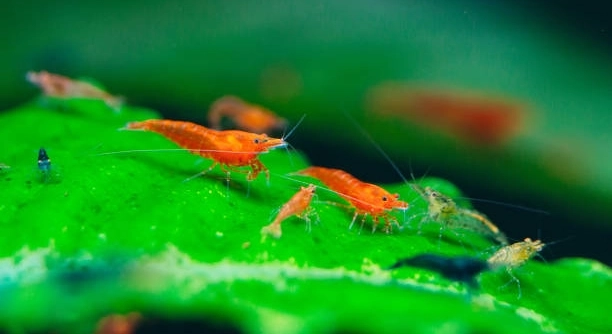
Paragraph: Keeping shrimp healthy over the long term requires attention to more than just feeding. Proper water conditions, tank maintenance, and understanding shrimp behavior all play a role in supporting their well-being consistently.
Paragraph: Long-term shrimp health depends on several key factors, including water quality, diet, habitat stability, disease prevention, social environment, temperature control, and stress reduction. Each factor contributes to growth, reproduction, and survival, forming a comprehensive framework for sustainable care.
Paragraph: Knowing these essentials will help you maintain shrimp that thrive and remain active, ensuring a balanced and healthy aquatic environment over time.
Water Quality and Filtration
Maintaining clean water is essential for shrimp health. Poor water quality can quickly lead to stress, disease, and even death. Regular water changes, testing for ammonia, nitrites, and nitrates, and ensuring proper filtration will keep the environment stable. Using activated carbon or bio-media in filters can help remove harmful substances and support beneficial bacteria. Shrimp are sensitive to sudden changes, so monitoring pH and hardness is important. Avoid overcrowding the tank, as excess waste can overwhelm the filtration system. Temperature consistency also supports water stability. Keeping the tank clean and balanced will reduce stress and prevent illness. Observing your shrimp daily can help you notice early signs of water issues, like unusual behavior or discoloration. Simple steps like regular siphoning of debris and changing a portion of water weekly can maintain optimal conditions. Providing a stable environment encourages healthy molting, feeding, and growth, making your shrimp more resilient to minor fluctuations in their habitat.
Clean water is the single most important factor for healthy shrimp, supporting growth, molting, and immune function consistently over time.
Regular observation and consistent maintenance of water parameters ensure shrimp thrive. Small, consistent actions prevent major health problems before they occur, keeping your tank balanced.
Balanced Diet and Feeding
Providing a varied diet ensures shrimp get essential nutrients for growth and reproduction. Commercial shrimp pellets, algae wafers, and blanched vegetables like zucchini or spinach supply vitamins and minerals. Overfeeding can pollute the tank, so offer small amounts and remove uneaten food promptly. Occasional protein sources, such as brine shrimp or daphnia, can improve coloration and vigor. Natural biofilm in the tank also contributes to a healthy diet. Feeding at consistent times encourages regular behavior and reduces stress, while varied textures stimulate natural foraging instincts. Monitoring shrimp while they eat helps you adjust portions and ensures all shrimp have access to food, preventing dominance or starvation in the group. Avoid sudden changes in diet, as shrimp can be sensitive to new foods. By providing a balanced, measured diet, you support their immune system, enhance molting success, and promote long-term health and activity. Healthy feeding practices lead to vibrant, active shrimp that flourish in their habitat.
Shrimp need variety in their diet to thrive, combining pellets, vegetables, and occasional live or frozen protein sources for optimal health.
A balanced diet prevents nutrient deficiencies, supports coloration, encourages natural foraging, and strengthens immunity. Careful portion control avoids water pollution while ensuring all shrimp receive proper nutrition.
Temperature and Environment
Maintaining stable temperatures is critical for shrimp health. Sudden fluctuations can stress them, slow growth, and disrupt molting. Ideal temperature ranges vary by species, but consistency matters more than exact numbers. Heating or cooling devices should be reliable and monitored regularly.
Shrimp are sensitive to temperature swings, which can affect metabolism and activity. Using a heater or thermostat helps maintain a steady range. Avoid placing the tank near windows, vents, or direct sunlight, as these areas can cause sudden changes. Temperature stress can weaken immunity, making shrimp more prone to disease and molting issues. Small adjustments over time are better than large, sudden shifts. Monitoring daily ensures the environment remains supportive for all tank inhabitants, keeping shrimp active and healthy.
Consistent temperature also impacts reproduction and molting cycles. Stable warmth supports enzyme function and energy levels, allowing shrimp to grow and develop normally. Environmental stability reduces stress, which lowers mortality and encourages natural behavior. Sudden cold or heat spikes can cause hiding, lethargy, or refusal to eat. By carefully managing the tank’s temperature, you create conditions that promote overall vitality, resilience to minor disturbances, and long-term well-being, ensuring your shrimp remain lively and reproduce successfully.
Disease Prevention and Observation
Routine observation helps detect early signs of disease. Behavior changes, color shifts, or damaged exoskeletons indicate potential issues that should be addressed immediately. Maintaining water quality and proper diet reduces infection risks.
Quarantining new shrimp before adding them to the main tank prevents introducing pathogens. Treating the tank promptly if disease appears limits spread. Using natural remedies and maintaining hygiene, like cleaning tools and avoiding cross-contamination, supports overall health. Shrimp can recover from minor infections with proper care, but prevention is far easier than treatment. Regular inspection and maintaining a clean, stable environment reduces stress and susceptibility, keeping the population strong and resilient.
Observation also helps identify subtle changes that may indicate stress or environmental imbalance. Monitoring behavior, molting, and feeding patterns allows early intervention before serious health issues arise. Preventative measures, like controlling tank density and avoiding sudden water changes, minimize disease risks. Maintaining an organized cleaning and feeding schedule supports immune function and reduces competition. By combining vigilance with consistent maintenance practices, you create a tank environment that promotes natural behavior, reduces stress, and ensures shrimp remain healthy and active.
Social Environment and Compatibility
Shrimp thrive in peaceful groups. Aggressive or overly active tank mates can stress them, affecting feeding and molting. Keeping compatible species together supports natural behavior and reduces injury.
Overcrowding also causes stress. Maintaining appropriate numbers allows each shrimp space to forage, hide, and molt safely. A calm environment encourages regular activity and healthier shrimp overall.
Stress Reduction Practices
Minimizing sudden changes in water, lighting, or tank setup helps reduce stress. Stress weakens immunity, slows growth, and increases susceptibility to disease. Consistent routines and gentle handling maintain a stable environment that supports natural behavior. Proper hiding places also allow shrimp to feel secure, improving overall health.
Molting Support
Providing optimal calcium and minerals aids successful molting. Healthy molts are essential for growth and shell strength, preventing deformities and mortality. Regular water changes, proper diet, and stable conditions ensure shrimp can molt efficiently.
Temperature Consistency
Sudden temperature fluctuations cause stress and can disrupt feeding, molting, and immunity. Maintaining a steady range for the species ensures stable metabolism and long-term health. Monitoring daily prevents unnoticed swings and supports shrimp vitality.
FAQ
How often should I change the water in my shrimp tank?
Regular water changes are crucial for shrimp health. Typically, changing 10–20% of the water weekly helps remove waste and maintain stable water chemistry. Overdoing it can stress the shrimp, while infrequent changes allow toxins to build up, increasing disease risk.
What is the best diet for long-term shrimp health?
A balanced diet combining commercial shrimp pellets, blanched vegetables, and occasional protein sources like brine shrimp supports growth, coloration, and reproduction. Avoid overfeeding, and remove uneaten food to prevent water contamination. Natural biofilm in the tank also contributes essential nutrients.
How can I tell if my shrimp are stressed?
Signs of stress include hiding excessively, lethargy, unusual swimming patterns, or refusal to eat. Color fading and frequent failed molts can also indicate stress. Observing these behaviors early allows for adjustments in water quality, diet, or environment before serious health problems occur.
Do shrimp need live plants in their tank?
Live plants are highly beneficial. They provide hiding spaces, reduce nitrate levels, and encourage natural foraging. While not strictly necessary, live plants enhance water quality and create a more stable, comfortable habitat that supports overall shrimp well-being.
Can I keep different shrimp species together?
Compatibility depends on species behavior and size. Peaceful species like cherry shrimp can share a tank with other small, non-aggressive shrimp. Avoid mixing larger, aggressive species that may attack or stress smaller shrimp. Observing interactions helps maintain a calm, safe environment.
What temperature is ideal for my shrimp?
Ideal temperature ranges vary by species, but consistency is more important than exact numbers. Most freshwater shrimp thrive between 72–78°F (22–26°C). Sudden fluctuations can stress shrimp, affecting molting, feeding, and immunity. Use a reliable heater or thermostat and avoid placing the tank near direct sunlight or drafts.
How do I prevent diseases in my shrimp tank?
Prevent disease by maintaining clean water, quarantining new shrimp, and providing a balanced diet. Avoid overcrowding and monitor for early signs of illness, such as discoloration or unusual behavior. Regular tank cleaning, careful handling, and stable conditions reduce infection risks.
Why is molting so important for shrimp?
Molting allows shrimp to grow and replace their exoskeleton. Successful molts require proper calcium, minerals, and a stable environment. Stress, poor diet, or water quality issues can cause molting problems, leading to deformities or death. Supporting molting is essential for long-term shrimp health.
How can I reduce stress in my shrimp?
Minimize sudden changes in water parameters, lighting, or tank layout. Provide hiding spaces like plants or decorations, maintain consistent feeding schedules, and avoid aggressive tank mates. A calm, stable environment promotes natural behavior and strengthens immunity.
What signs indicate my shrimp are healthy?
Healthy shrimp are active, forage regularly, molt successfully, and display vibrant colors. They interact calmly with tank mates, hide when necessary, and respond to food promptly. Regular observation of these behaviors ensures that water quality, diet, and social conditions are supporting their long-term health.
Can I use tap water for my shrimp tank?
Tap water can be used if properly treated to remove chlorine, chloramine, and heavy metals. Testing pH, hardness, and other parameters ensures the water is safe. Using conditioned water consistently helps maintain stability and supports healthy shrimp growth.
How many shrimp should I keep in one tank?
Avoid overcrowding. Stocking density depends on tank size and filtration. Giving each shrimp space reduces stress, prevents competition for food, and minimizes waste buildup. A well-planned population supports healthy behavior, growth, and reproduction.
What equipment is essential for long-term shrimp care?
A reliable filter, heater, and thermometer are essential. Additional items like water test kits, air stones, and hiding structures improve tank stability. Proper equipment ensures water quality, temperature consistency, and a safe environment for shrimp to thrive.
Can I feed my shrimp only pellets?
Relying solely on pellets is not ideal. While pellets provide nutrients, incorporating vegetables, occasional protein, and allowing access to natural biofilm ensures a more complete diet. Variety supports molting, immunity, and long-term health, preventing deficiencies or slow growth.
How often should I observe my shrimp?
Daily observation is recommended. Checking behavior, feeding, molting, and color changes allows early intervention if issues arise. Regular monitoring supports stable conditions, reduces stress, and helps maintain a healthy, active shrimp population over time.
Is it necessary to quarantine new shrimp?
Yes. Quarantining new shrimp for 2–3 weeks prevents introducing diseases or parasites to the main tank. Observing them separately ensures they are healthy before mixing them with established shrimp, protecting the long-term health of the entire population.
How do I encourage breeding in my shrimp tank?
Stable water parameters, a balanced diet, and minimal stress encourage reproduction. Providing hiding spaces and maintaining consistent conditions support molting and mating behavior. Healthy, unstressed adults are more likely to breed successfully, increasing the population naturally over time.
What should I do if my shrimp stop eating?
Loss of appetite often signals stress, poor water quality, or disease. Check water parameters, ensure proper temperature, and review diet. Observing behavior and addressing environmental or health issues promptly can help shrimp recover and resume normal feeding.
Can lighting affect shrimp health?
Yes. Excessive or harsh lighting can stress shrimp, while too little light can limit plant growth and biofilm formation. Moderate, consistent lighting supports natural behavior, feeding, and plant health, contributing to a balanced, healthy environment.
How long can shrimp live in a well-maintained tank?
Most freshwater shrimp live 1–3 years, depending on species and care. Proper water quality, diet, temperature, and stress management extend lifespan, supporting long-term activity, reproduction, and overall well-being in the tank.
What are the most common signs of illness?
Discoloration, lethargy, erratic swimming, failed molts, or missing limbs indicate potential illness. Early detection through daily observation allows corrective actions, such as water changes or isolation, minimizing health risks and preventing further spread within the tank.
How can I maintain consistent water parameters?
Regular testing, partial water changes, avoiding sudden additions, and monitoring temperature and pH help maintain stability. Consistency supports molting, immunity, and overall shrimp health, reducing stress and promoting long-term vitality.
Are decorations and hiding spots necessary?
Yes. Plants, rocks, and shelters provide security, reduce stress, and encourage natural behavior. Hiding spaces are especially important during molting, protecting vulnerable shrimp and improving overall survival rates.
Can shrimp survive without a heater?
Some species tolerate room temperatures, but most benefit from stable warmth. A heater ensures consistent conditions, supporting metabolism, feeding, and molting. Temperature fluctuations without a heater can stress shrimp, affecting growth, immunity, and reproduction.
How do I prevent algae overgrowth?
Moderate lighting, proper feeding, and routine tank cleaning reduce algae growth. Shrimp will naturally graze on some algae, but controlling nutrient levels and avoiding overfeeding is the most effective prevention.
Can I mix shrimp with fish?
Small, peaceful fish may coexist with shrimp, but aggressive or large species can stress or eat them. Monitoring interactions and providing hiding spaces ensures a safe environment and reduces injury or stress.
How do I ensure successful molting cycles?
Stable water, proper minerals, balanced diet, and low stress support successful molts. Observing shrimp during molting helps detect problems early. Providing hiding spaces allows safe molts and promotes long-term growth and shell health.
What role does biofilm play in shrimp health?
Biofilm provides a natural food source rich in nutrients and supports digestion. It forms on plants, decorations, and substrate, supplementing diet and encouraging natural foraging behavior, contributing to overall vitality and growth.
How often should I clean the tank?
Regular maintenance is key. Partial water changes weekly and cleaning of debris, substrate, and filter media as needed keeps water quality high. Avoid over-cleaning, which can disrupt beneficial bacteria and destabilize the environment, stressing shrimp.
What minerals are essential for shrimp?
Calcium and magnesium support shell formation and molting. Trace minerals in the diet or water ensure healthy growth, strong exoskeletons, and successful reproduction. Maintaining proper mineral levels prevents deformities and improves overall resilience.
Can stress affect reproduction?
Yes. Stress from poor water quality, aggressive tank mates, or sudden changes can inhibit mating behavior and reduce survival of eggs and juveniles. Stable, calm conditions are essential for successful breeding.
How can I tell if my shrimp are getting enough food?
Shrimp should be active during feeding, with minimal competition or aggression. Uneaten food indicates overfeeding, while aggressive scavenging or lack of growth may signal insufficient nutrition. Observing behavior ensures proper portions and balanced diet for all shrimp.
Is it necessary to use a water test kit regularly?
Yes. Testing ammonia, nitrites, nitrates, pH, and hardness ensures parameters remain within safe ranges. Regular testing prevents unnoticed imbalances that could stress shrimp or cause disease, supporting long-term health and stability.
Can I use tap water conditioner for shrimp?
Yes. Conditioners neutralize chlorine, chloramine, and heavy metals, making tap water safe. Using conditioned water consistently supports stable chemistry, reducing stress and promoting healthy growth and reproduction.
How can I help shrimp molt successfully?
Providing calcium-rich foods, stable water conditions, and hiding spaces encourages proper molting. Avoid sudden changes or stressors, and monitor shrimp during the process. Healthy molts are critical for growth, shell strength, and overall survival.
What signs indicate good shrimp health?
Active foraging, vibrant color, successful molting, regular interaction with tank mates, and calm behavior indicate strong health. Monitoring these signs helps maintain optimal care and ensures the tank environment meets shrimp needs consistently.
How important is tank size for shrimp health?
Adequate space reduces stress, competition, and waste buildup. Larger tanks provide stable water parameters, better social interaction, and room for plants and hiding spots, supporting long-term health, growth, and reproduction.
Can I feed my shrimp commercial flakes or only pellets?
Flakes are acceptable if formulated for shrimp, but pellets or wafers provide more balanced nutrition and slow release in the water. Combining pellets with vegetables and occasional protein ensures complete dietary support.
Are shrimp sensitive to water pH changes?
Yes. Sudden pH shifts stress shrimp, affecting feeding, molting, and immunity. Maintaining a stable pH within species-specific ranges promotes growth, reduces stress, and prevents disease. Regular testing helps prevent harmful fluctuations.
How do I acclimate new shrimp to my tank?
Slow acclimation prevents shock. Float the bag to equalize temperature, then gradually mix small amounts of tank water over 1–2 hours. This helps shrimp adjust to water parameters safely and reduces stress.
Can I use substrate to improve shrimp health?
Yes. Substrates like sand or fine gravel support biofilm growth, provide hiding spaces, and allow natural foraging. Some specialized substrates buffer water and supply minerals, aiding molting and overall health.
How can I tell if my shrimp are breeding successfully?
Look for berried females with eggs under their abdomen, consistent hatching, and active juveniles. Healthy adults, stable conditions, and minimal stress support reproduction, ensuring a sustainable population over time.
What should I do if my shrimp molt fails?
Failed molts often indicate stress, poor water quality, or mineral deficiency. Improve water parameters, provide calcium-rich foods, and ensure hiding spaces. Isolate affected shrimp if necessary to prevent injury and support recovery.
Are tank mates necessary for shrimp health?
Not strictly. Social shrimp benefit from group interactions, but compatibility matters. Peaceful tank mates enhance activity and natural behavior, while aggressive species increase stress and risk of injury.
How long can shrimp live in ideal conditions?
With stable water, proper diet, and low stress, most freshwater shrimp live 1–3 years. Some species may live slightly longer. Lifespan depends on care, environment, and successful molting cycles.
Can I use chemicals to treat shrimp diseases?
Many chemicals are harmful to shrimp. Use species-safe treatments or natural remedies whenever possible. Prevention, observation, and maintaining stable conditions are safer strategies than relying on chemical interventions.
How do I prevent shrimp from escaping the tank?
Shrimp can climb and escape through open lids. Ensure a secure cover, and seal gaps. Providing plants and hiding spaces reduces stress and climbing behavior, keeping them safely inside the tank.
Can water hardness affect shrimp health?
Yes. Hardness influences molting and shell formation. Soft water may lead to weak shells, while excessively hard water can cause stress. Testing and adjusting hardness ensures optimal growth and successful molts.
Is it necessary to remove dead shrimp immediately?
Yes. Dead shrimp decompose quickly, increasing ammonia and other toxins. Prompt removal prevents water quality issues and reduces the risk of disease spreading to healthy shrimp.
How do I encourage shrimp activity?
Providing a clean tank, stable water, hiding spaces, and a varied diet encourages foraging and interaction. Avoiding stress and maintaining proper temperature supports natural behavior and overall vitality.
Are shrimp sensitive to light cycles?
Yes. Consistent day and night cycles support feeding, activity, and molting behavior. Too much light causes stress, while too little can limit plant and biofilm growth, reducing natural food sources.
Can I use aquarium salt for shrimp?
Some species tolerate small amounts of aquarium salt for stress reduction or disease prevention. Research species-specific tolerance carefully, as excessive salt can harm freshwater shrimp.
What is the ideal pH range for shrimp?
Most freshwater shrimp prefer slightly acidic to neutral water, around 6.5–7.5. Consistent pH supports molting, reproduction, and overall health. Sudden changes can stress shrimp, affecting growth and immunity.
How do I know if my shrimp tank is overcrowded?
Signs include constant competition for food, stressed or hiding shrimp, and water quality issues. Maintaining appropriate stocking density ensures each shrimp has space to feed, molt, and interact naturally.
Can I feed shrimp only vegetables?
Vegetables provide some nutrients, but protein and trace minerals are necessary for growth, molting, and reproduction. A balanced diet combining pellets, vegetables, and occasional protein ensures long-term health.
Is filtration necessary for shrimp tanks?
Yes. Filtration maintains water quality, supports beneficial bacteria, and reduces harmful toxins. Proper filtration prevents stress, disease, and molting issues, ensuring a stable, healthy environment.
How do I deal with algae overgrowth?
Moderate lighting, controlled feeding, and regular cleaning prevent excessive algae. Shrimp graze on algae, but controlling nutrients and maintaining balance is essential to avoid negative impacts on water quality.
Can I use tap water without testing it?
No. Even treated tap water may have unsafe pH, hardness, or contaminants. Testing ensures safe parameters, preventing stress, illness, or molting problems. Regular testing is essential for long-term shrimp health.
How do I maintain stable ammonia levels?
Regular partial water changes, avoiding overfeeding, and proper filtration keep ammonia low. Beneficial bacteria in filters convert ammonia to less harmful substances, supporting shrimp health and preventing stress-related issues.
Can I feed shrimp frozen food?
Yes. Frozen foods like brine shrimp or daphnia provide protein and variety. Thaw before feeding and offer in small amounts to prevent water contamination and maintain water quality.
How important is hiding space for molting shrimp?
Critical. Shrimp are vulnerable during molts. Plants, rocks, or decorations provide shelter, reducing stress, preventing injury, and supporting successful growth and shell development.
What is the role of calcium in shrimp health?
Calcium supports exoskeleton formation and successful molts. Insufficient calcium leads to weak shells, failed molts, and increased mortality. Supplementing through water, diet, or mineral-rich substrates is essential for long-term health.
How do I acclimate shrimp to new water parameters?
Gradual introduction, mixing small amounts of tank water into their transport water over 1–2 hours, prevents shock. Slow acclimation reduces stress and supports survival in the new environment.
Can shrimp live in low-light tanks?
Yes, but low light limits plant and biofilm growth. Providing moderate lighting helps natural food sources and encourages healthy foraging and activity without stressing the shrimp.
How do I prevent shell deformities in shrimp?
Stable water, proper diet, adequate minerals, and stress reduction prevent deformities. Supporting successful molts ensures strong shells, proper growth, and overall shrimp vitality.
Can I keep shrimp with snails?
Yes. Peaceful snails coexist well, cleaning leftover food and algae. Ensure snails do not compete excessively for resources, and maintain water quality to support both species.
Are shrimp sensitive to vibrations or loud noises?
Yes. Excessive vibrations or loud sounds can stress shrimp, causing hiding, reduced feeding, or failed molts. Position the tank in a stable, quiet area to minimize disturbances.
How often should I monitor water parameters?
Weekly testing for ammonia, nitrites, nitrates, pH, and hardness is recommended. Frequent monitoring ensures stability, supports molting, reduces stress, and prevents long-term health problems.
What are the consequences of poor water quality?
Poor water quality stresses shrimp, slows growth, disrupts molting, weakens immunity, and increases disease susceptibility. Consistent maintenance, proper filtration, and regular water testing prevent these issues, supporting long-term health.
How do I maintain proper calcium levels?
Use mineral-rich substrates, calcium supplements, or fortified foods. Regular water testing ensures levels are sufficient to support healthy molts, strong exoskeletons, and overall vitality.
Can shrimp survive without hiding spots?
Survival is possible, but stress increases significantly. Hiding spots reduce vulnerability during molts, encourage natural behavior, and improve overall health and reproduction success.
How do I prevent stress during tank cleaning?
Clean gradually, avoid sudden water changes, and limit handling. Preserve hiding spots and maintain consistent water parameters. Gentle, consistent maintenance reduces stress and supports shrimp health.
Can I feed shrimp live food regularly?
Occasional live food provides protein and stimulates foraging, but overfeeding can harm water quality. Balanced feeding with pellets, vegetables, and protein ensures long-term health.
Is it safe to use fertilizers in planted shrimp tanks?
Yes, if shrimp-safe fertilizers are used. Avoid high doses of chemicals or heavy metals. Fertilizers support plant growth, indirectly benefiting shrimp by improving water quality and providing natural food sources.
How can I help shrimp recover from molting stress?
Provide stable water, hiding spaces, and proper diet with sufficient minerals. Avoid disturbances, maintain temperature consistency, and ensure minimal competition to support recovery and future successful molts.
What is the ideal tank setup for shrimp?
A well-filtered
Maintaining long-term shrimp health requires consistent attention to several key factors. Water quality, temperature, diet, and a calm environment are all critical elements that influence shrimp growth, molting, and reproduction. Shrimp are sensitive creatures, and even small fluctuations in water chemistry or temperature can cause stress. Ensuring stable conditions is more important than achieving perfect numbers, as stability supports their natural behavior and reduces disease risk. Regular observation allows you to notice early signs of problems, such as unusual behavior, color changes, or failed molts. Addressing these issues promptly helps prevent more serious health complications and supports a thriving shrimp population.
A balanced diet plays a central role in long-term health. Commercial pellets provide essential nutrients, but supplementation with vegetables, occasional protein, and access to natural biofilm ensures complete nutrition. Overfeeding can harm water quality, so offering small, measured amounts and removing uneaten food is essential. Shrimp require minerals like calcium and magnesium for successful molting and strong exoskeletons, making both diet and water chemistry important. In addition to feeding, social dynamics and stress management influence well-being. Overcrowding, aggressive tank mates, or sudden environmental changes can lead to stress, which weakens immunity and slows growth. Providing hiding spots and maintaining compatible populations help shrimp feel secure and active.
Disease prevention and regular maintenance are also vital components of long-term shrimp care. Quarantining new shrimp, keeping the tank clean, and monitoring water parameters reduce the risk of infection. Even minor issues, if ignored, can escalate quickly, so proactive measures are necessary. Consistent partial water changes, filtration, and careful monitoring of temperature, pH, and hardness help maintain a stable environment. Molting support, such as providing sufficient minerals and stress-free spaces, ensures shrimp grow properly and maintain strong shells. By focusing on these elements together—water quality, diet, environment, and preventive care—you create a healthy and balanced habitat. Long-term attention to these factors ensures shrimp remain vibrant, active, and resilient, supporting both their survival and overall well-being in the aquarium over time.

Hello,
If you enjoy the content that we create, please consider saying a "Thank You!" by leaving a tip.
Every little bit helps us continue crafting quality advice that supports the health, happiness, and well-being of pets around the world, for pets of all shapes, sizes, and species.
We really appreciate the kindness and support that you show us!