
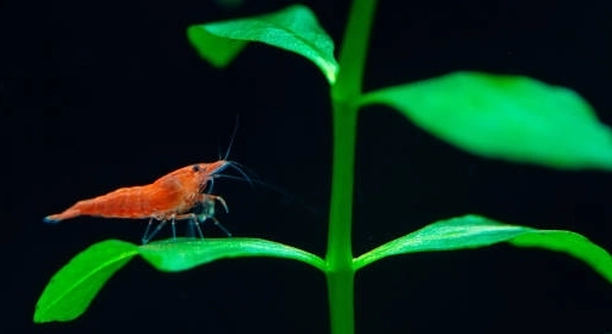
Do your baby shrimp seem to vanish whenever you check your tank? It can be frustrating to see them hiding constantly, making it difficult to observe their behavior or ensure they are healthy and active in their environment.
Baby shrimp often remain in hiding spots due to stress, new tank environments, molting cycles, insufficient food, lack of cover, predation threats, or water quality issues. Each factor can influence their willingness to leave shelters and explore openly.
Understanding these reasons will help you create a safer and more comfortable habitat, encouraging your shrimp to emerge and thrive naturally in your tank.
Stress in Baby Shrimp
Baby shrimp are very sensitive to stress. Sudden changes in light, temperature, or tank movement can make them retreat to hiding spots. Even loud noises nearby or frequent disturbances in the tank can trigger hiding behavior. Stress reduces their activity and may even affect molting. Young shrimp often stay hidden when the environment feels unsafe. A consistent, calm tank routine helps them feel secure and encourages normal behavior. Providing plenty of hiding spaces like plants or small decorations gives them a place to feel safe. Over time, they will gradually explore more as they adapt to their surroundings. Monitoring water parameters and maintaining a predictable feeding schedule can also reduce stress. Avoid overcrowding and limit handling. These small adjustments create a stable environment that allows baby shrimp to grow and develop naturally without constantly hiding, supporting their health and survival in the long term.
Providing more cover reduces stress and makes shrimp feel safer. They are less likely to hide when they have secure spots.
Keeping stress low requires observing shrimp carefully. Adjusting tank conditions, ensuring gentle water flow, and avoiding sudden changes are critical. Feeding small amounts frequently keeps them active. If you notice persistent hiding, checking water quality is essential, as ammonia or nitrite spikes worsen stress. Regular monitoring of pH, temperature, and hardness ensures the environment matches their needs. Shrimp are sensitive to chemical changes, so cleaning the tank without disturbing them too much is important. Over time, they learn routines and begin venturing out during feeding times. Hiding decreases when they feel consistently safe and well-fed. Incorporating live plants or moss enhances comfort and mimics natural habitats, helping them gain confidence. Patience and observation are key. A calm, stable environment supports growth and molting cycles, allowing baby shrimp to develop properly and gradually spend more time outside their shelters.
Molting Cycles
Molting is a critical time for baby shrimp. Their exoskeleton softens, making them vulnerable to predators and stress. During this period, they hide to protect themselves.
Molting repeats every few days in young shrimp, requiring frequent shelter and minimal disturbance.
Providing safe hiding spaces during molting ensures shrimp can shed their shells successfully. Without secure areas, they may experience stress or incomplete molts, which can lead to health problems. Observing their behavior around molting times helps predict when they will hide most. Adequate calcium and minerals in the diet support strong exoskeletons and reduce molting issues. Maintaining stable water parameters prevents complications that can arise during soft-shell stages. Using gentle filtration and avoiding aggressive tank mates also lowers risk. Baby shrimp that have reliable, safe hiding spots recover faster and resume normal activity sooner. Over time, they learn to molt safely and explore more consistently, balancing their need for protection with growth and movement. Regular monitoring, combined with proper nutrition and habitat management, ensures their development proceeds smoothly while minimizing stress and hiding behavior.
Insufficient Food
Baby shrimp may hide when they feel insecure about food availability. They tend to stay in sheltered areas if they are not confident they can find enough to eat.
Providing small, frequent feedings ensures that baby shrimp receive adequate nutrition without competing too much. Overfeeding can cause water quality problems, but underfeeding increases hiding behavior. Observing them during feeding times helps determine if they are getting enough. Using finely crushed flakes or specialized shrimp food makes it easier for them to eat while remaining safe in their hiding spots. Rotating types of food, including algae or biofilm supplements, encourages them to venture out and explore more actively. Consistent feeding routines reduce anxiety and make baby shrimp more willing to leave shelters gradually.
If food is scarce, shrimp may hide longer. Regular feeding and proper portioning encourage them to explore and gain confidence.
Predation Threats
Predators in the tank make baby shrimp retreat immediately. Even small fish can intimidate them, causing prolonged hiding periods.
Separating shrimp from aggressive or larger tank mates minimizes risk. Hiding spots like plants, moss, or small caves provide safety during vulnerable times. Observing shrimp behavior helps identify which tank mates cause fear. Shrimp instinctively avoid open areas when potential predators are present. Overcrowded tanks increase stress and reduce opportunities for safe exploration. Careful selection of compatible species is critical for a balanced tank. Providing multiple shelters ensures every shrimp has a secure space to retreat. Protecting them from predation promotes healthy growth and increases their willingness to leave hiding spots gradually.
Creating secure areas and minimizing threats allow shrimp to explore confidently. Consistent observation and careful tank planning improve safety and encourage natural behavior over time.
New Tank Environment
Baby shrimp often hide in a new tank because everything feels unfamiliar. They need time to adjust to new water conditions, decorations, and tank mates.
Gradually introducing them to a stable environment helps reduce stress. Live plants and gentle water flow make the tank feel more secure and encourage exploration over time.
Water Quality Issues
Poor water conditions can cause baby shrimp to remain hidden. High ammonia, nitrites, or sudden pH changes stress them and reduce activity. Maintaining consistent water parameters and performing regular water changes keeps the environment safe. Proper filtration and monitoring are essential to prevent water-related stress and ensure shrimp stay healthy.
Lack of Cover
Without adequate hiding places, baby shrimp feel exposed and vulnerable. Plants, moss, or small caves provide necessary security.
Why are my baby shrimp always hiding?
Baby shrimp hide for several reasons, often linked to survival instincts. Stress, predation threats, or sudden changes in the tank can make them retreat to secure areas. New tanks or disturbances in water conditions also encourage hiding. Providing consistent water parameters and sufficient cover reduces this behavior.
How can I reduce stress in baby shrimp?
Stress is a major factor in hiding. Minimizing sudden movements around the tank, maintaining a stable temperature, and avoiding drastic water changes are essential. Gentle filtration and quiet feeding routines also help. Over time, a calm environment allows shrimp to feel secure and explore freely.
Do baby shrimp hide during molting?
Yes, molting makes them vulnerable. Their soft exoskeleton leaves them exposed to predators, so they instinctively seek hiding spots. Providing moss, plants, or small caves ensures safety and allows them to molt without risk. Adequate minerals in their diet support healthy molts.
Is it normal for baby shrimp to stay hidden in a new tank?
Absolutely. A new tank presents unfamiliar conditions, including water parameters, lighting, and tank mates. Shrimp may hide until they acclimate. Gradual introduction, gentle water flow, and plenty of hiding spaces help them adjust faster and encourage normal behavior.
Can water quality affect hiding behavior?
Yes, poor water conditions increase hiding. Ammonia, nitrite spikes, or abrupt pH changes stress shrimp. Regular water testing, consistent water changes, and stable filtration maintain safe conditions. Healthy water allows shrimp to leave hiding spots and remain active in the tank.
Does diet influence whether shrimp hide?
Insufficient food can make baby shrimp reluctant to leave shelters. Offering small, frequent feedings of finely crushed flakes, algae, or biofilm supplements encourages them to explore. Overfeeding should be avoided, as it can harm water quality. Balanced nutrition reduces hiding behavior and promotes growth.
Can tank mates cause baby shrimp to hide?
Yes, predators or aggressive fish increase hiding. Even small or curious fish can intimidate shrimp. Providing multiple hiding spots and carefully selecting compatible species ensures safety. Shrimp that feel secure gradually explore more as they become confident.
How long will baby shrimp hide?
The duration varies based on stress, molting, food availability, and environment stability. Some shrimp may hide for hours after a change, while others may take days. Ensuring safe hiding spots and stable conditions reduces hiding duration and supports natural behavior.
What types of cover work best for baby shrimp?
Live plants, moss, small caves, or aquarium decorations offer security. Dense areas allow shrimp to feel safe while molting or adjusting. Multiple hiding spaces distributed around the tank ensure all shrimp have access and reduce competition for shelter.
When should I be concerned about hiding?
Prolonged hiding paired with inactivity, loss of appetite, or discoloration can indicate stress or illness. Monitoring water quality and feeding habits helps identify issues. Intervening with water adjustments, nutrition, or tank environment changes ensures shrimp health.
Baby shrimp hiding is a common behavior that reflects their need for safety and comfort. It is a natural response to stress, predators, or environmental changes. Understanding why they hide helps maintain a healthy tank and encourages them to explore more confidently. By observing their behavior, you can identify patterns and adjust the environment to meet their needs. Stress reduction, stable water conditions, and appropriate feeding routines are all essential factors that influence their willingness to leave hiding spots. Many shrimp may initially appear shy or inactive, but this does not necessarily indicate illness.
Providing plenty of hiding places is critical for baby shrimp to feel secure. Plants, moss, small caves, and decorations create safe areas where they can retreat during molting or when threatened. These spaces mimic natural habitats and allow them to engage in normal behaviors without constant stress. Over time, shrimp learn to use these shelters strategically, returning to them when they feel vulnerable and leaving them when it is safe to explore. Adjusting tank layout to provide multiple, accessible hiding spots ensures that all shrimp have areas to feel protected, reducing competition and stress within the tank.
Maintaining consistent water quality and feeding practices also supports healthy shrimp behavior. Sudden changes in temperature, pH, or chemical levels can cause them to hide for extended periods. Feeding small amounts frequently ensures that all shrimp have access to food without overcrowding. Observing shrimp during feeding times, molting, and other daily activities allows you to notice changes in behavior and respond accordingly. With careful attention to their environment, diet, and safety, baby shrimp gradually spend more time outside their hiding spots, exploring the tank and interacting naturally. This combination of proper care, observation, and patience creates a balanced and healthy habitat where baby shrimp can thrive.

Hello,
If you enjoy the content that we create, please consider saying a "Thank You!" by leaving a tip.
Every little bit helps us continue crafting quality advice that supports the health, happiness, and well-being of pets around the world, for pets of all shapes, sizes, and species.
We really appreciate the kindness and support that you show us!