7 Small Tweaks That Keep Shrimp Happier
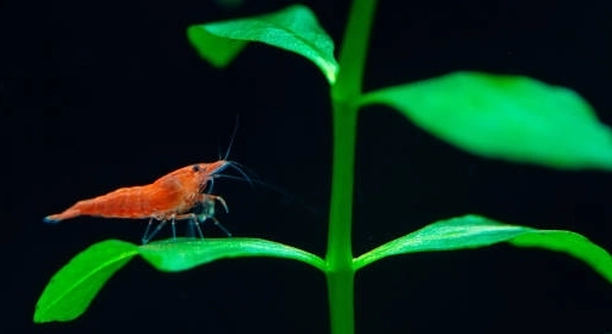
Are your shrimp looking a little stressed in their tank, making you wonder how to create a calmer space for them? A few gentle adjustments can make a noticeable difference in their comfort and behavior. Keeping shrimp happier requires stable water parameters, gentle filtration, steady temperature, balanced feeding, and adequate shelter. These focused adjustments reduce … Read more
7 Best Times of Day to Feed Cherry Shrimp

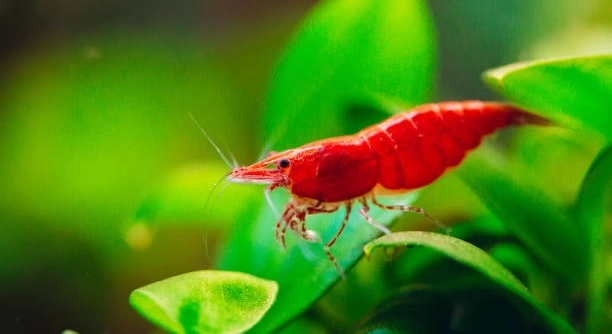
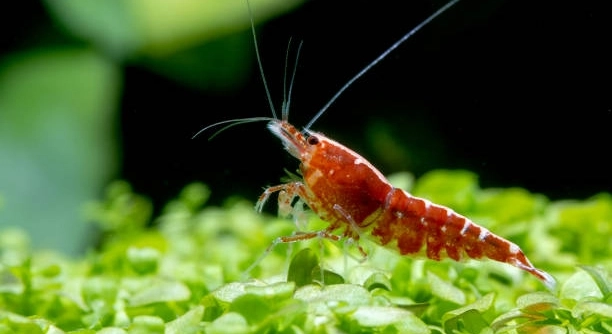
Feeding cherry shrimp may seem simple, yet timing plays an important role in their health and activity. Many shrimp keepers overlook this factor, which can affect growth, behavior, and overall well-being in subtle but significant ways. The best times of day to feed cherry shrimp are typically morning, midday, and evening. Feeding during these periods … Read more

7 Shrimp Behaviors That Seem Like Aggression

Have you ever watched your shrimp dart around the tank and wondered if their quick movements meant something unfriendly, making their tiny behaviors seem confusing as you try to understand their simple underwater world better. Shrimp behaviors that appear aggressive typically stem from territorial instincts, feeding competition, or normal social interactions. These actions include chasing, … Read more

Can Cherry Shrimp Live with Corydoras?

Do you ever wonder how different freshwater species interact in a shared tank? Cherry shrimp and Corydoras are popular choices for hobbyists seeking a peaceful, colorful aquarium environment that is easy to maintain. Cherry shrimp can coexist with Corydoras in a community aquarium under proper conditions. Ensuring sufficient hiding spaces, gentle substrate, and compatible water … Read more

7 Foods to Try When Shrimp Stop Eating

Are your shrimp suddenly ignoring their usual meals, leaving you worried about their health and appetite? Changes in behavior can be stressful, especially when your tank has always had a lively and eager group of shrimp. When shrimp stop eating, offering a variety of alternative foods can help stimulate their appetite and maintain proper nutrition. … Read more

Can Cherry Shrimp Tell Plants Apart?

Cherry shrimp are small freshwater creatures that live among plants in aquariums. They spend their days grazing, exploring, and interacting with their environment, forming habits that help them survive and thrive. Observing their behavior can be quite engaging. Research indicates that cherry shrimp do not possess the sensory ability to distinguish between plant species. Their … Read more

Can Cherry Shrimp Be Startled by Movement?

Have you ever wondered how your cherry shrimp respond when there is movement near their tank, especially during your normal daily routines at home as you walk past their peaceful little world each passing moment. Cherry shrimp can indeed be startled by sudden movement, as their sensory systems are highly attuned to shifts in light, … Read more

Do Cherry Shrimp Prefer Sand or Gravel?

Do you enjoy keeping cherry shrimp in your aquarium but find yourself wondering which substrate they thrive on best? Many hobbyists are unsure whether sand or gravel provides the ideal environment for these delicate creatures. Cherry shrimp generally prefer fine-grained sand over gravel, as it allows for easier foraging, reduces the risk of injury, and … Read more

Why Are Cherry Shrimp Constantly Grooming Themselves?

Cherry shrimp are small, vibrant freshwater creatures that add charm to aquariums. Observing them closely, you might notice they spend a lot of time cleaning their bodies, moving their tiny legs and antennae constantly. Cherry shrimp constantly groom themselves to maintain cleanliness, remove debris, and prevent fungal or bacterial growth. This behavior supports their overall … Read more

7 Reasons Shrimp Prefer One Side of the Tank

Many shrimp owners notice their pets favoring one side of the tank. This behavior can seem odd, but it is actually common. Observing shrimp movement carefully can reveal interesting patterns and habits within their environment. Shrimp prefer one side of the tank due to variations in light, water flow, temperature, and available food. Environmental conditions … Read more