
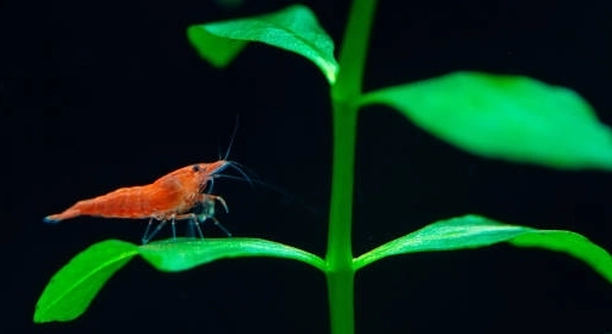
Are your shrimp looking a little stressed in their tank, making you wonder how to create a calmer space for them? A few gentle adjustments can make a noticeable difference in their comfort and behavior.
Keeping shrimp happier requires stable water parameters, gentle filtration, steady temperature, balanced feeding, and adequate shelter. These focused adjustments reduce environmental stress and support healthier behavior, helping shrimp thrive with greater consistency within a well maintained and properly monitored habitat.
These small refinements help your shrimp experience calmer surroundings and consistent comfort that supports improved behavior and overall well being.
Keeping Water Conditions Consistent
Stable water conditions give shrimp a predictable environment that supports steady behavior and better overall comfort. When parameters stay within safe ranges, shrimp react with calmer movement and improved feeding patterns. I focus on small adjustments that stabilize their space and prevent sudden changes that can create tension in their tank. Clean water with the right balance of minerals helps them maintain strong shells and natural coloration. This stability makes their daily environment easier to navigate, while also lowering the chances of stress related issues. By keeping things consistent, shrimp settle into their habitat with more confidence.
Shrimp respond well when their water stays clean and predictable, letting them move and feed without unnecessary stress. This stability supports better growth and steadier behavior while reducing risks that come from sudden parameter changes.
A gentle filtration system paired with regular maintenance helps preserve clarity and balance. I avoid changes that are too large or too quick, as shrimp react strongly to sudden shifts. Slow and steady updates keep them comfortable and more active. A reliable routine for water testing and small water changes supports stable parameters that are easier for shrimp to handle. Clean water also helps prevent issues that can develop when minerals become unbalanced or waste builds up over time. By staying consistent and watching for subtle shifts, shrimp can thrive with less stress and a stronger sense of security.
Improving Their Feeding Routine
Balanced feeding supports shrimp health by giving them predictable access to nutrients they need for steady growth and molting. Consistency in what and how much they eat helps maintain their natural rhythm and reduces stress caused by irregular feeding habits.
Feeding shrimp small portions that match their natural grazing style keeps them active without overwhelming the tank. I focus on foods that support shell strength and natural color, offering them in controlled amounts so the water stays clean. This approach helps shrimp eat comfortably and maintain steady routines while avoiding leftover waste that can disrupt water quality. Careful feeding encourages calmer behavior, better molting, and a healthier environment for every shrimp in the tank.
Enhancing Tank Shelter Options
Providing secure hiding spots helps shrimp feel protected and encourages calmer behavior throughout the day. Simple structures like moss, small caves, and leaf litter create shaded areas that reduce stress and support steadier movement within the tank.
Shrimp settle more easily when they have multiple spaces where they can retreat without disruption. I like using natural materials that blend into the habitat while offering coverage from bright lighting and active tankmates. These sheltered spaces also support molting, since shrimp often seek out quiet areas during that sensitive time. A mix of plants and small structures creates layers of protection that give shrimp choices, helping them feel more at ease and encouraging natural activity.
Consistent shelter placement also prevents territorial tension in the tank. When shrimp can spread out comfortably, they avoid competing for limited hiding spots, allowing them to maintain steady routines. A thoughtfully arranged environment supports peaceful behavior and helps shrimp remain calm.
Maintaining a Gentle Flow
A gentle flow keeps shrimp comfortable by allowing them to move without struggling against strong currents. Soft, steady water movement also helps maintain oxygen levels while preventing debris from settling in areas that shrimp regularly explore.
I select filters that create subtle circulation while avoiding sudden bursts that can unsettle shrimp. Adjusting the outflow direction helps guide the current across the tank in a smooth pattern that supports natural grazing and exploration. By preventing overly forceful movement, shrimp remain relaxed and able to navigate their space with ease. A balanced flow supports healthier feeding, clearer water, and a calmer environment that makes it easier for shrimp to thrive.
Reducing Sudden Temperature Changes
Keeping temperature steady prevents unnecessary stress and supports healthier molting cycles. I avoid quick adjustments and rely on a reliable heater to maintain a gentle and consistent range that shrimp can handle without discomfort or sudden behavioral changes.
Small variations can cause noticeable tension in the tank, so I monitor the temperature regularly to ensure stability. A steady environment helps shrimp stay active, feed confidently, and maintain a calmer rhythm throughout the day.
Managing Tank Lighting
Balanced lighting keeps shrimp comfortable and encourages natural activity. I use soft, consistent light that avoids harsh brightness, giving them a stable rhythm without overwhelming their space. This balance supports their color, feeding habits, and everyday behavior in a low stress environment.
Avoiding Overcrowding
Limiting the number of shrimp and tankmates creates a comfortable environment where they can move freely. A spacious layout supports natural routines, reduces tension, and helps each shrimp maintain a calm and steady rhythm within the tank.
FAQ
How often should I check my shrimp tank’s water parameters?
Regular monitoring keeps the tank stable and prevents issues from developing unnoticed. I check parameters several times a week to ensure conditions stay consistent. Shrimp react quickly to subtle changes, so staying aware allows me to correct minor shifts before they create stress. Frequent testing also helps maintain a balanced environment that supports molting and feeding. Stable parameters reduce the risk of sudden swings that can affect behavior. Even simple adjustments can make a noticeable difference in their comfort. Consistency is the key to keeping shrimp relaxed and thriving in their habitat.
What type of food supports better health and steady growth?
Shrimp benefit from a balanced mix of algae, biofilm, and high quality prepared foods that support shell strength and color. I rotate their diet to maintain variety while keeping portions controlled. Overfeeding can disrupt water quality, so I offer small amounts they can finish easily. Foods rich in minerals help with molting, while natural grazing materials keep them active without overwhelming the tank. Maintaining a steady feeding routine prevents stress from irregular schedules. A balanced approach ensures they receive nutrients without creating waste that could affect the tank’s stability.
Why is gentle filtration important for shrimp comfort?
Shrimp handle soft, steady water movement more easily than strong currents. Gentle filtration keeps the water clean without creating an environment that forces them to struggle. A calm flow supports natural exploring and grazing. It also keeps debris suspended long enough to be collected by the filter. I position the outflow carefully so the current moves smoothly across the tank. This helps shrimp maintain their routines without feeling pushed around. A balanced system supports better feeding behavior, improved clarity, and a calmer environment that allows shrimp to feel secure.
How do hiding spots improve shrimp behavior?
Shrimp rely on sheltered spaces to feel safe, especially during molting. Hiding spots made from plants, moss, and small structures allow them to retreat when they need rest. I arrange multiple covered areas so shrimp can spread out comfortably. These spaces lower tension and limit competition among them. When shrimp feel protected, they move with more confidence and maintain steadier feeding habits. Shelter also helps reduce stress from bright lighting or active tankmates. A well designed layout gives them a peaceful environment where they can settle into natural rhythms.
What lighting setup keeps shrimp comfortable without overwhelming them?
Soft, stable lighting encourages shrimp to stay active while preventing stress. I choose lights that provide gentle brightness and avoid strong fluctuations. A consistent schedule supports their natural routines and keeps them from hiding excessively. Balanced lighting also enhances their coloration without causing discomfort. Too much brightness can create tension, while too little may affect their activity. Maintaining a steady cycle helps shrimp feel secure and supports a calm environment. A simple, predictable system works best for their everyday needs.
Is overcrowding harmful to shrimp behavior and health?
Overcrowding creates unnecessary stress by limiting space and increasing competition for food and hiding spots. Shrimp thrive when they have enough room to move freely. I keep the population balanced so they can maintain their routines without interruption. A spacious environment prevents tension and supports healthier interactions. When shrimp have adequate room, they feed more steadily and show more natural behavior. Avoiding overcrowding also reduces waste buildup, helping maintain clean and stable water conditions. A comfortable population size keeps the tank peaceful and supports long term well being.
Final Thoughts
Caring for shrimp becomes much easier when each part of their environment is kept steady and thoughtfully arranged. I have found that small adjustments often make the biggest difference, especially when they focus on stability and softness in the tank. Shrimp react immediately to their surroundings, so giving them predictable conditions helps them move, feed, and molt with more confidence. Clean water, gentle flow, and balanced lighting support their natural behavior without overwhelming them. These elements come together to form an environment that lets shrimp settle into a calm rhythm. When every part of the tank feels consistent, they respond with brighter color, steadier activity, and healthier habits. Building this stability takes time, but the results are noticeable and encouraging, especially for anyone who wants their shrimp to feel secure and comfortable.
Feeding, shelter, and population size also play a major role in long term comfort. I keep feeding routines simple, offering small portions that match their grazing style so they can eat without stress. This prevents leftover waste from building up and keeps the water clearer, which makes the tank healthier overall. Shrimp also rely heavily on hiding spaces, especially during vulnerable moments like molting. A blend of plants, moss, and small structures gives them places to rest without interruption. The more options they have, the more peaceful the tank becomes. Overcrowding can quickly disrupt this balance, so maintaining a comfortable number of shrimp helps reduce tension and supports natural movement. When each shrimp has space to explore and retreat, they behave more freely and stay more relaxed throughout the day.
All of these small tweaks come together to shape a gentler and more supportive habitat. I focus on consistency, subtle adjustments, and awareness of how shrimp respond to their surroundings. Watching them thrive in a calm environment makes every bit of effort feel worthwhile. Each improvement, no matter how small, brings them closer to a stable and comfortable life in the tank. Their behavior becomes clearer, their routine becomes smoother, and their overall health improves in noticeable ways. Building this environment is a steady process, but it creates a lasting foundation that helps shrimp stay happy and active. With the right balance of care, attention, and predictability, shrimp can flourish in a space that feels safe and familiar every day.

Hello,
If you enjoy the content that we create, please consider saying a "Thank You!" by leaving a tip.
Every little bit helps us continue crafting quality advice that supports the health, happiness, and well-being of pets around the world, for pets of all shapes, sizes, and species.
We really appreciate the kindness and support that you show us!