
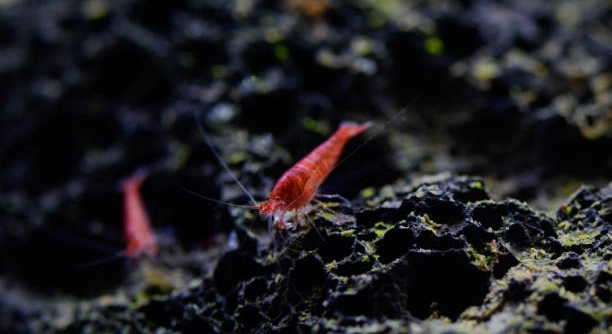
Cherry shrimp are small freshwater creatures that live among plants in aquariums. They spend their days grazing, exploring, and interacting with their environment, forming habits that help them survive and thrive. Observing their behavior can be quite engaging.
Research indicates that cherry shrimp do not possess the sensory ability to distinguish between plant species. Their feeding and movement patterns are guided primarily by texture, biofilm presence, and environmental factors rather than recognition of specific plants.
Understanding how shrimp interact with plants provides insight into maintaining a healthy aquarium environment. Observing their choices can help improve care and plant placement strategies.
How Cherry Shrimp Interact with Plants
Cherry shrimp spend most of their time among plants, grazing on algae, biofilm, and tiny particles that collect on leaves. They are attracted to surfaces that are easy to cling to and navigate, rather than specific plant species. Observing them, you notice how they move carefully along stems, often pausing to feed or inspect areas for potential food. Their behavior is influenced by water flow, light, and the texture of the plant. Some plants with smoother leaves may be less frequented, while rougher leaves with more biofilm tend to get more attention. Over time, shrimp create trails along their preferred surfaces, leaving a subtle pattern in the tank. These patterns can help aquarists understand shrimp preferences and improve tank layout. The presence of multiple plants creates a varied habitat, allowing shrimp to explore safely while reducing stress and promoting natural behavior, which is important for their overall health.
Shrimp do not memorize or recognize plant species. They respond mainly to the conditions each plant provides, such as food and shelter.
By understanding these patterns, you can choose plants that support feeding behavior and enhance movement in the tank. Even subtle differences in texture or placement can change where shrimp spend most of their time. Careful observation allows you to create areas that encourage exploration, providing both safety and stimulation. Maintaining a mix of plants, with some offering rough surfaces and others smooth leaves, ensures shrimp have diverse areas to graze and hide. Providing plenty of surfaces with biofilm growth will keep them active and healthy. Over time, these observations can guide you in adjusting plant placement for optimal interaction. A well-planted tank is not just visually appealing; it directly influences shrimp behavior and wellbeing. This approach also helps in planning feeding schedules and monitoring tank cleanliness, as shrimp often graze in predictable patterns that keep algae and biofilm in check naturally.
Practical Tips for Plant Selection
Focus on plants that develop biofilm easily, as this attracts grazing shrimp and encourages regular movement.
When selecting plants, consider texture, growth rate, and maintenance needs. Plants with fine leaves, such as mosses, provide grazing surfaces and hiding spots. Hardier stems support climbing and exploration, while floating plants offer shade and reduce stress by creating shaded zones. Choose a mix of tall, short, broad, and fine-leaved plants to create varied habitats within the tank. Slow-growing plants may reduce maintenance, but fast-growing ones can provide additional surfaces for grazing. Placement is also critical—positioning plants to form pathways encourages natural movement, and clustering certain species can simulate protective zones. Observing how shrimp interact with different plants over time helps in refining plant selection. Proper lighting and nutrient balance are also key, as healthy plants support biofilm growth, which directly influences shrimp activity. Adjusting tank conditions to favor both plants and shrimp ensures a balanced and dynamic environment where shrimp thrive naturally.
Feeding Behavior and Plant Preference
Cherry shrimp graze mostly on biofilm, algae, and detritus. They do not select plants based on species but on surfaces that provide food and easy access. Rough or textured leaves often attract more grazing activity.
Shrimp spend significant time moving along plant surfaces, picking at biofilm and small particles. They tend to explore areas with higher light or water flow, where algae and organic matter accumulate. Smooth leaves are less frequented unless biofilm is present. Shrimp rarely show repetitive preference for a single plant species. Their feeding is guided by availability and accessibility rather than recognition of specific plants. Observing this behavior helps in planning tank maintenance and plant placement to encourage natural grazing.
Movement patterns are consistent, with shrimp often circling the same areas to feed. Clusters of plants create natural pathways that guide their exploration. Floating plants and mosses provide additional surfaces for grazing and protection, while bare areas see less activity. By monitoring these patterns, adjustments can be made to improve feeding efficiency and shrimp wellbeing. Regular observation ensures plants and shrimp coexist in a balanced, thriving tank environment.
Environmental Factors Affecting Interaction
Light intensity, water flow, and tank layout influence shrimp behavior significantly. They gravitate toward areas with favorable conditions, often avoiding extremes of temperature or current.
Temperature stability is crucial for shrimp activity, as sudden changes can reduce movement and feeding. Proper water flow helps distribute nutrients and maintain biofilm, encouraging shrimp to explore more surfaces. Tank layout, including plant density and arrangement, affects movement patterns and grazing efficiency. Dense clusters of plants provide hiding spots but may limit open areas for feeding. Floating plants can offer shade and reduce stress, impacting interaction with submerged vegetation. Observation of shrimp behavior under varying environmental conditions informs optimal tank management. Adjusting light cycles, flow, and plant arrangement ensures a healthy, active shrimp population, supporting natural feeding and exploratory behaviors consistently.
Seasonal and Growth Effects
Shrimp activity can vary with seasonal changes in light and temperature. Plant growth also affects available surfaces, which can influence grazing patterns and movement within the tank.
As plants mature, they provide more hiding spots and surfaces for biofilm to develop. Shrimp respond to these changes naturally, shifting their activity toward areas offering both food and shelter.
Observing Individual Differences
Some shrimp may show subtle personal preferences for certain surfaces or plant textures. These differences are minor and mostly related to accessibility and comfort rather than plant species recognition.
Maintaining Plant Health
Regular pruning and cleaning prevent excessive biofilm accumulation that can overwhelm plants. Healthy plants encourage balanced shrimp grazing, keeping both flora and fauna thriving.
FAQ
Can cherry shrimp recognize different plant species?
Cherry shrimp do not have the ability to distinguish plant species. Their interaction with plants is guided by the texture, surface area, and the presence of biofilm or algae. Smooth leaves are often less frequented unless covered with food sources, while rougher or moss-covered surfaces attract more grazing.
Why do some plants get more shrimp activity than others?
Plants that develop biofilm, algae, or detritus naturally attract more attention. The size, density, and structure of leaves also influence activity. Shrimp prefer surfaces they can cling to easily, allowing them to feed and move safely. Floating plants provide shade, while clustered stems create pathways that guide movement.
Do cherry shrimp prefer moss over other plants?
Mosses offer both feeding surfaces and hiding spots, making them highly attractive. Shrimp can graze on biofilm covering moss while also using it for protection. However, moss is not inherently “preferred” due to species recognition but rather for the food and shelter it provides.
Will shrimp damage the plants they interact with?
Shrimp are gentle grazers and rarely harm healthy plants. They may nibble on weak or decaying leaves, but this behavior is part of natural cleaning. Their grazing helps manage biofilm and small debris, indirectly benefiting plant health. Maintaining strong, healthy plants minimizes any potential damage.
How do environmental conditions affect shrimp interaction with plants?
Water temperature, light, and flow patterns play major roles. Stable conditions encourage regular movement and feeding. Excessive light or strong currents can shift shrimp activity, while shaded areas from floating plants may increase grazing in calmer regions. Adjusting these factors ensures balanced behavior and plant interaction.
Does plant placement matter for shrimp activity?
Yes, placement influences movement and grazing. Dense clusters create secure zones, while open areas allow free exploration. Positioning plants with varied textures and heights encourages natural patterns, with shrimp using different areas for feeding, hiding, and resting. Careful arrangement promotes both shrimp and plant health.
Can shrimp distinguish between live and artificial plants?
Shrimp respond to surfaces, not the plant’s origin. Artificial plants with rough textures or biofilm growth can attract similar grazing behavior as live plants. They are less effective for food production, but movement and exploration patterns remain consistent. Observation shows shrimp focus on accessibility rather than plant type.
How can I encourage shrimp to explore all plants in the tank?
Providing biofilm growth on various surfaces and arranging plants to create pathways helps. Vary textures and heights to offer different grazing opportunities. Floating plants or shaded areas can guide movement. Observation allows adjustments to optimize exploration, supporting natural behaviors and even biofilm distribution throughout the tank.
Do all shrimp behave the same with plants?
Individual differences exist but are minor. Some shrimp may favor certain surfaces for comfort or accessibility, yet these preferences are driven by practical factors like food availability and safety rather than recognition of plant species. Monitoring behavior helps in understanding activity patterns.
Is it necessary to feed shrimp if plants are covered in biofilm?
While biofilm provides natural grazing material, supplemental feeding ensures shrimp receive balanced nutrition. Healthy food promotes growth, breeding, and consistent activity. Feeding also reduces over-reliance on biofilm, helping maintain both plant and shrimp health in the aquarium.
Cherry shrimp are fascinating little creatures that interact with their environment in ways that are both simple and purposeful. They do not have the ability to recognize plant species, but they respond to surfaces that provide food, shelter, and safety. Observing their movement and grazing patterns reveals how much they rely on texture and accessibility. Rough or moss-covered leaves attract more activity because they hold biofilm and algae, while smoother surfaces are less frequented unless there is a significant food source. This behavior highlights the importance of understanding the factors that influence shrimp interaction with plants, rather than expecting them to show preference for one species over another. By noting these patterns, aquarists can create a tank layout that supports both shrimp and plant health, encouraging natural activity and reducing stress.
Maintaining a well-balanced environment is essential for cherry shrimp to thrive. Environmental factors like water flow, temperature, and light intensity significantly impact shrimp behavior. Stable conditions promote consistent movement, regular grazing, and natural exploration. Plants play a dual role in providing surfaces for feeding and areas for hiding. Dense clusters of plants offer protection, while open spaces encourage movement and activity. Floating plants add shade and reduce stress, while slow-growing mosses and textured stems provide grazing opportunities. By observing how shrimp respond to these conditions, it becomes clear that plant arrangement, texture, and biofilm development are more influential than species recognition. Careful attention to these factors ensures that shrimp remain active, healthy, and engaged with their environment, while also maintaining the plants in optimal condition.
Understanding cherry shrimp behavior allows for a more thoughtful approach to aquarium care. Their grazing helps manage biofilm and small debris, indirectly benefiting plant health, while their movement patterns inform decisions about plant placement and tank structure. Although individual shrimp may show minor preferences for certain surfaces, these are mostly related to convenience and access to food, rather than true recognition of plant types. Observing their habits over time allows aquarists to adjust plant density, variety, and arrangement to create a harmonious habitat. By combining awareness of environmental conditions, feeding strategies, and plant management, shrimp and plants can coexist in a balanced, thriving aquarium. This approach not only supports the wellbeing of the shrimp but also ensures the long-term health of the planted tank ecosystem, creating a stable and natural environment that benefits every inhabitant.

Hello,
If you enjoy the content that we create, please consider saying a "Thank You!" by leaving a tip.
Every little bit helps us continue crafting quality advice that supports the health, happiness, and well-being of pets around the world, for pets of all shapes, sizes, and species.
We really appreciate the kindness and support that you show us!