
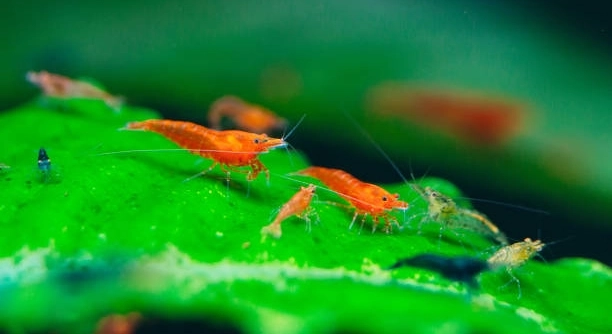
Many shrimp owners notice their pets favoring one side of the tank. This behavior can seem odd, but it is actually common. Observing shrimp movement carefully can reveal interesting patterns and habits within their environment.
Shrimp prefer one side of the tank due to variations in light, water flow, temperature, and available food. Environmental conditions create zones that are more comfortable, safer, or nutritionally favorable, influencing shrimp movement and positioning within the tank.
Knowing why shrimp make these choices can improve tank setup. Small adjustments can create a healthier, more balanced habitat for your shrimp.
Light and Shaded Areas
Shrimp often move toward areas that match their comfort with light. Too much light can make them hide, while moderate or shaded spots encourage natural behavior. In my tank, I noticed they spend most of the day under plants or decorations. These shaded areas feel safer and reduce stress. Light also influences algae growth, which shrimp graze on, so they naturally gravitate toward areas where food is accessible. Observing their habits, I realized the brightness in some corners kept shrimp away entirely. Adjusting the light schedule and adding floating plants helped balance their movement. Over time, they explored more of the tank without leaving their preferred spots. This pattern shows how sensitive shrimp are to lighting conditions. Light isn’t just about visibility; it affects mood, feeding, and overall activity. When lighting is uneven, it can create distinct “hot spots” where shrimp either gather or avoid. Even minor adjustments can change their daily routes and resting areas.
Light influences shrimp activity by creating zones of comfort and feeding opportunities. Shaded regions promote exploration while overly bright areas lead to avoidance.
Properly managing tank light can help shrimp feel safe while encouraging them to feed naturally. Adjusting light levels gradually prevents sudden stress and keeps them active.
Water Flow
Shrimp are very aware of how water moves in their tank. Strong currents can push them into corners, while gentle flow encourages them to explore. In my tank, I noticed certain sides had faster water movement near the filter output. Most shrimp avoided these areas, preferring slower currents where they could graze without struggling. Water flow also affects oxygen levels and debris distribution. Calm spots tend to accumulate tiny particles, perfect for shrimp to forage. If water flow is uneven, some areas may feel more secure or more resource-rich. I started repositioning decorations and filter outlets to balance the current. Over time, shrimp spread more evenly, though some still favor the calmer side. Observing their reactions to changes in flow is a good way to understand their comfort zones and adjust tank setup accordingly.
Shrimp respond to water flow differences by gathering in calmer zones. Flow affects comfort, feeding, and safety within the tank.
Managing flow correctly can improve shrimp health, reduce stress, and promote natural behavior. Small adjustments in filter direction or adding obstacles can make the tank more accessible and balanced.
Temperature Differences
Shrimp often choose tank areas with stable temperatures. Sudden changes make them retreat to more consistent zones. I noticed mine gather near the heater during cooler nights. Temperature affects metabolism, feeding, and overall activity, making certain sides more appealing.
Uneven heating in a tank can create microclimates. Shrimp naturally find spots where the water feels right for resting and feeding. In my tank, the side near the heater maintained a steady warmth, and shrimp spent most of their time there. Cooler areas near the filter output were mostly avoided. Even a few degrees difference can influence movement patterns. Maintaining consistent temperature across the tank reduces stress and encourages exploration. Observing where shrimp gather helps identify cold or warm spots that need adjustment. Over time, minor heater or circulation changes balanced the temperature, spreading shrimp more evenly.
Temperature also affects oxygen levels and food activity. Warmer water promotes grazing and energy, while cooler zones slow movement. Shrimp instinctively move to areas matching their comfort level. Adjusting heater placement and monitoring daily variations can make the tank environment more uniform and healthy.
Food Availability
Shrimp spend a lot of time where food is easiest to reach. They quickly learn which areas have algae, pellets, or other snacks. In my experience, they almost never leave these spots immediately after feeding.
Food distribution influences shrimp behavior more than most people realize. Uneven feeding can lead to crowding on one side of the tank. I started scattering pellets across different areas to encourage exploration. Some sides had leftover detritus from previous meals, attracting shrimp repeatedly. Over time, they became more active in other areas as food became available there. Observing their feeding habits revealed clear preferences. Certain hiding spots combined with food access were particularly popular, showing shrimp balance safety and sustenance when choosing where to be.
Regularly rotating food locations and supplementing with fresh algae or blanched vegetables helps shrimp explore. Controlled feeding reduces stress and prevents overpopulation in one corner. Paying attention to how food placement interacts with light, temperature, and flow ensures a balanced environment that encourages healthy activity.
Hiding Spots
Shrimp feel safer near decorations, plants, and rocks. They naturally gather where they can quickly retreat if disturbed. I noticed mine spending most of the day under moss and driftwood, rarely venturing into open spaces without cover.
Even small changes in hiding spots can shift shrimp movement. Adding a few new plants encouraged them to explore other areas. Conversely, removing decorations made them cluster more tightly. Providing adequate cover across the tank ensures shrimp feel secure while spreading more evenly.
Tank Companions
Other animals in the tank influence where shrimp go. Active fish or larger species make shrimp stick to safer zones, avoiding open or exposed areas.
Shrimp adjust their routines to reduce encounters with tank mates. In my tank, they avoided the middle during peak fish activity, staying near edges or dense plants. This behavior reduces stress and potential conflict, highlighting how companions shape shrimp positioning.
Substrate Type
Shrimp show preferences for certain substrates. Fine sand or smooth gravel attracts more grazing and hiding behavior.
Different substrates affect feeding, egg-laying, and movement. I observed mine favoring the softer areas, spending less time on coarse gravel. This shows substrate texture directly impacts shrimp comfort and activity patterns.
Why do my shrimp always stay on one side of the tank?
Shrimp tend to favor areas with comfortable conditions. Differences in light, temperature, water flow, and available food all influence where they spend most of their time. In my tank, I noticed my shrimp sticking to one side near the heater and under shaded plants. This side had calmer water, moderate light, and leftover food particles, creating a combination of safety and convenience. Shrimp naturally move toward zones that feel secure while providing easy access to resources. Even small environmental differences can determine where they gather most frequently.
Can uneven lighting affect shrimp behavior?
Yes, lighting plays a big role in shrimp activity. Too much light makes them retreat into shaded spots, while areas with gentle light encourage grazing and movement. I found that adding floating plants softened the tank light, helping shrimp feel less stressed and more willing to explore. Uneven lighting also affects algae growth, which is an important food source. Bright spots without cover often remain empty because shrimp avoid exposed areas. Adjusting light intensity and providing natural shading encourages a more balanced distribution across the tank.
How does water flow influence their position?
Shrimp prefer areas with gentle water movement. Strong currents make them work harder to hold position, which they naturally avoid. In my tank, they gathered in calmer regions near decorations where water flow slowed. Even slight differences in circulation created distinct zones, guiding shrimp behavior. Observing where they cluster helped me reposition filter outputs and add plants to slow water in certain spots. Properly managing water flow keeps shrimp comfortable and encourages feeding. They balance between areas of oxygen-rich flow and calm zones suitable for grazing and resting.
Does temperature make shrimp favor one side?
Temperature differences can strongly affect shrimp location. Warmer areas increase activity and feeding, while cooler regions make them sluggish. I noticed mine gathering near the heater at night, seeking consistent warmth. Small variations, even a few degrees, can influence movement patterns. Maintaining a stable tank temperature and monitoring fluctuations reduces stress and helps shrimp spread more evenly. Temperature also affects oxygen levels and food behavior, so warmer zones may also offer better feeding opportunities, making them more attractive.
Will adding more hiding spots change their behavior?
Yes, more hiding places encourage shrimp to explore new areas. I added moss, rocks, and plant clumps, and shrimp gradually ventured into previously avoided spaces. Hiding spots reduce stress and allow them to feed safely. Shrimp tend to return to secure areas, but having multiple safe zones distributes them more evenly. Even small decorations or leaf litter create microhabitats that support grazing, resting, and breeding. Balanced cover across the tank prevents overcrowding on one side and encourages natural behaviors.
Does food placement influence which side they choose?
Absolutely. Shrimp often stay where food is easiest to reach. In my experience, scattering pellets or adding algae to different areas made them explore more evenly. They balance food access with safety, often gathering in zones where both are available. Leaving food consistently in one corner can reinforce clustering. Changing feeding spots gradually encourages movement across the tank while maintaining healthy activity and grazing. Monitoring feeding patterns helps identify which areas are more appealing and adjust distribution.
Can tank companions affect their location?
Yes, other tank animals influence shrimp movement. Active fish or larger species make shrimp stick to safer zones near plants or decorations. I noticed my shrimp avoiding open areas during peak fish activity. They prioritize safety over exploration when other animals are present. Choosing calm tank mates or providing dense hiding spots allows shrimp to move more freely. Understanding how companions shape shrimp behavior can help create a balanced environment that encourages natural grazing, resting, and social interactions without stress.
Does substrate type matter to where shrimp spend time?
Shrimp show clear preferences for substrate texture. Fine sand or smooth gravel attracts more grazing and hiding activity. I observed them favoring softer areas for feeding and egg-laying while avoiding coarse or sharp gravel. The substrate affects comfort, movement, and access to small food particles. Providing consistent substrate types or gradual transitions encourages shrimp to explore evenly. Their choice reflects instinctual behavior to seek safe, resource-rich, and comfortable zones within the tank.
How do I encourage shrimp to explore the whole tank?
Distribute food, adjust lighting, manage water flow, and provide multiple hiding spots. Gradually changing these factors encourages shrimp to explore new areas without stress. I moved decorations and added floating plants while scattering food evenly. Over time, shrimp started using more of the tank, balancing activity and comfort. Creating uniform temperature and gentle currents further supports even distribution. Observing their preferences helps identify which areas may need adjustment. By combining small changes, shrimp gradually expand their movement while maintaining safe, comfortable zones.
Can stress make them stick to one side permanently?
Stress definitely causes shrimp to cluster. Sudden temperature changes, poor water quality, or aggressive tank mates can make them stay in one spot. I noticed shrimp retreating to shaded corners after adding new fish. Maintaining stable conditions, adequate hiding spots, and regular feeding reduces stress. Over time, shrimp become more willing to explore as they feel secure. Monitoring stress indicators like hiding duration, inactivity, and reduced grazing helps identify environmental adjustments needed for healthier behavior.
Shrimp are small creatures, but their behavior can tell us a lot about the tank environment. When they favor one side, it is rarely random. Differences in light, temperature, water flow, hiding spots, food availability, and even the type of substrate all play a role in guiding their movement. Observing where shrimp spend their time can reveal patterns that help improve their comfort and health. For example, I noticed my shrimp often stayed near shaded areas with gentle water flow and soft substrate. These spots provided safety and easy access to food, which made them their preferred zones. Understanding these preferences helps create a balanced tank where shrimp can move freely while still feeling secure.
Small environmental adjustments can make a big difference in shrimp behavior. Changing light intensity, adding plants, or moving decorations slightly can encourage shrimp to explore more of the tank. Even redistributing food or adjusting the filter output can shift their movement patterns. In my experience, simply adding more hiding spots in previously empty areas resulted in shrimp gradually venturing into those spaces. Temperature management is also crucial. Warmer areas near heaters often attract shrimp, while cooler or unstable zones are avoided. Maintaining a consistent temperature across the tank reduces clustering and promotes healthier activity levels. Over time, these small steps contribute to a tank where shrimp feel safe, feed properly, and interact naturally with their surroundings.
Paying attention to shrimp behavior not only improves their quality of life but also makes caring for them easier. Understanding why they favor certain areas allows for proactive adjustments that prevent overcrowding or stress. Tank companions, water conditions, and substrate types are all factors that can influence where shrimp spend their time. By observing their patterns and responding with thoughtful changes, it is possible to create a stable, comfortable environment. This leads to shrimp that are more active, healthier, and better able to display natural behaviors. Even simple measures, like scattering food or adjusting light and flow, can result in noticeable differences. Overall, careful observation and small, consistent improvements help maintain a balanced tank where shrimp thrive and exhibit natural, stress-free behavior.

Hello,
If you enjoy the content that we create, please consider saying a "Thank You!" by leaving a tip.
Every little bit helps us continue crafting quality advice that supports the health, happiness, and well-being of pets around the world, for pets of all shapes, sizes, and species.
We really appreciate the kindness and support that you show us!