
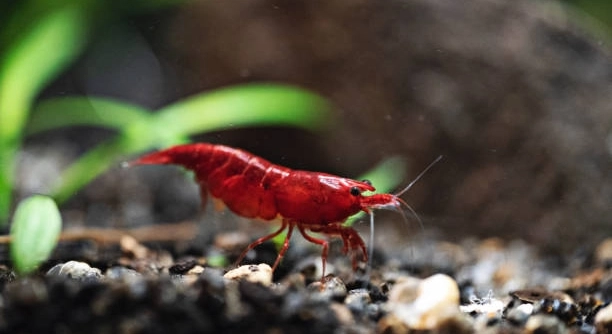
Have you ever wondered how your cherry shrimp respond when there is movement near their tank, especially during your normal daily routines at home as you walk past their peaceful little world each passing moment.
Cherry shrimp can indeed be startled by sudden movement, as their sensory systems are highly attuned to shifts in light, vibration, and motion. These quick reactions serve as protective responses, helping them retreat and avoid potential threats in their environment.
By learning how their instincts work, you can create a calmer tank that supports their comfort and encourages natural behavior.
Why Cherry Shrimp React to Movement
Cherry shrimp react to movement because their bodies are built to pick up the smallest changes around them. In a tank sudden shadows vibrations or shifting shapes can feel intense to these tiny creatures. I have noticed how quickly they dart away when something passes close by even if it is harmless. Their quick reactions come from natural instincts that help them stay safe in the wild. When their surroundings change too fast they retreat to plants or hiding spots to feel secure again. Understanding this behavior can help you support their comfort in a simple way. By observing how they respond during your normal routines you can adjust small habits that may be causing them stress. Soft steps slow movements and stable lighting can make a big difference in how relaxed they feel. Over time these gentle changes help them build trust in their space without feeling overwhelmed today.
These reactions are normal for cherry shrimp since their senses stay active at all times. When movement is kept calm and steady they settle more easily. Giving them stable conditions helps them stay relaxed and maintain healthier behavior during everyday activity in a tank that supports their natural daily patterns.
When you notice frequent startle responses it can be helpful to watch what happens right before the shrimp react. Many times simple household motions create more disturbance than expected. I try to keep my movements gentle when I pass by the tank and it makes their behavior smoother. They become more confident when disruptions are reduced. Paying attention to their signals allows you to adjust lighting placement or nearby activity in a way that eases tension. A steady routine gives them space to explore forage and interact without sudden stress pulling them back into hiding during their normal daily periods.
How to Reduce Startle Triggers
Reducing startle triggers begins with creating a stable setup that keeps movement and noise under control. Small changes can shift their comfort level in a positive way. A calm atmosphere encourages them to stay visible and active without reacting sharply to every passing motion around their tank at any time.
Creating a calmer space for cherry shrimp starts with understanding how sensitive they are to the environment around them. Gentle lighting steady room activity and thoughtful placement of the tank all help reduce sudden disturbances. I try to avoid placing the tank near loud appliances or busy walkways since constant foot traffic can keep them on edge. Adding plants moss and small shelters gives them places to retreat when they feel uneasy which helps them settle faster after a disturbance. It also encourages natural exploration since they know they have safe spaces to return to. Keeping the water clean and the temperature steady adds another layer of stability that supports their overall comfort. When you move around the tank slow movements help maintain a sense of calm that the shrimp quickly learn to trust. Over time these small efforts help create a peaceful environment where they can show their brightest colors and most active behavior. A stable setting reduces stress improves their well being and brings out the gentle patterns that make watching them so relaxing. With consistent care and attention to their needs you can help them remain comfortable and engaged in their space while reducing any stressful moments.
Common Behaviors Linked to Startling
Cherry shrimp often jump back or dart into cover the moment they sense quick movement near the tank. These reactions happen even during simple tasks like standing up from a chair or walking past them during normal daily routines in a quiet room.
Their behavior becomes calmer when the environment stays predictable. I try to keep lighting steady and avoid sudden shadows near the glass since these small changes can startle them easily. Plants and moss help because they give the shrimp places to hide while still feeling secure enough to return to open areas sooner. Over time they begin to recognize familiar patterns. When the room stays consistent they show smoother movement and spend more time exploring instead of hiding in rushes that look frantic.
Some shrimp react more strongly depending on personality or previous stress. I have seen some dart away at the slightest shift while others barely move at all. Feeding routines can also affect how startled they seem because hungry shrimp stay more alert. When their space feels calm and stable they display more natural grazing habits and communicate safety to each other. These patterns help you understand what triggers their reactions and how to keep things peaceful.
Environmental Changes That Increase Sensitivity
Shrimp react strongly when the tank experiences sudden environmental shifts. Loud noises temperature swings or quick lighting changes can increase how sensitive they become. Even tapping near the tank can heighten their alertness and make them retreat for longer periods than usual.
Maintaining a stable environment supports their comfort in a simple and effective way. I try to keep the room quiet and the tank away from frequent household activity so they do not face constant disruptions. Soft lighting that stays consistent helps reduce sudden surprises that make them withdraw into hiding spots for too long. Clean water and steady filtration also help their senses stay balanced. When the tank remains calm they move with more confidence and display healthier patterns. Small adjustments like repositioning the tank or slowing your actions nearby can greatly reduce their stress. Over time these changes make their reactions less intense and their daily behavior far more relaxed.
How Tank Setup Influences Their Reactions
A tank with uneven lighting or strong reflections can make cherry shrimp feel exposed. I keep my lights soft and avoid bright spots that cause sudden glare since this reduces their tendency to jump back in fear.
Decor also plays a role in how safe they feel. Plants driftwood and small caves give them places to retreat when movement nearby startles them. With enough shelter they return to normal behavior much faster and show smoother daily activity.
Habits That Help Shrimp Settle More Easily
A calm routine encourages cherry shrimp to feel secure even when there is movement close to their tank. I try to keep my steps gentle and avoid loud noises near the glass. Regular feeding times also help them feel more settled since they learn to expect consistent patterns. Shrimp become noticeably calmer when their environment remains steady and predictable because it helps them attach familiar meaning to everyday sounds and motion. This makes their reactions softer and helps them explore with more confidence.
Why Some Shrimp Stay Skittish Longer
Some shrimp stay skittish because early stress or frequent disruptions make them slow to trust their surroundings. Gentle routines consistent lighting and added cover help them relax over time. With patience their reactions improve and they begin to explore more comfortably.
How sensitive are cherry shrimp to movement?
Cherry shrimp are very sensitive to movement because their small bodies are built to detect even minor vibrations or changes in their surroundings. I’ve noticed that even a shadow passing across the tank can make them dart quickly into hiding. Their natural instincts are tuned to help them survive. In a stable, quiet tank, they react less sharply, but sudden disturbances can still trigger quick retreats. Their heightened sensitivity means they can sense both movement inside the tank, like other shrimp moving, and movement outside, such as someone walking by or tapping near the glass. Observing these reactions closely helps you understand how easily they are startled and what patterns calm them over time.
Why do cherry shrimp hide when I move around the tank?
Hiding is a natural response to potential threats. In my experience, even slow, gentle movements can cause them to retreat if the lighting creates shadows or reflections they interpret as danger. Shrimp rely heavily on cover like moss, plants, and decorations, so having plenty of hiding spots makes them feel safer and reduces stress. When the tank feels predictable and safe, they spend more time exploring and less time constantly retreating. Over time, gentle routines help them learn that typical household movement is not dangerous, which softens their startle response and encourages more visible activity during the day.
Does tapping the tank stress cherry shrimp?
Yes, tapping the tank creates vibrations that cherry shrimp perceive as potential danger. I’ve seen them dart instantly whenever the glass is disturbed. Even light taps can trigger a strong reaction, causing them to hide for several minutes. Minimizing noise and avoiding tapping near the tank helps maintain a calm environment. Shrimp respond more positively to a quiet space with stable conditions, and this encourages normal behavior such as grazing and swimming without frequent interruptions. Over time, repeated disturbances can make shrimp more skittish, so patience and care are essential to help them feel secure in their habitat.
Can lighting changes startle cherry shrimp?
Lighting has a major impact on how comfortable shrimp feel. Sudden shifts from bright to dim light or intense glare can trigger quick retreats. I keep the lighting consistent, using softer bulbs and avoiding reflections that might simulate movement. Cherry shrimp are adapted to gradual changes in light, so abrupt transitions, such as turning on a strong overhead light suddenly, often cause panic. Providing plants and hiding spots under these lighting conditions reduces stress and gives them areas to retreat until they feel safe. Over time, consistent light routines help them maintain calmer behavior and reduce frequent startle responses.
Do all cherry shrimp react the same way to movement?
No, individual shrimp can react differently. Some dart at the slightest motion, while others barely flinch. I’ve noticed that personality and past experiences influence these reactions. Shrimp that were stressed early or exposed to frequent disturbances may remain skittish longer. Tank layout, hiding places, and feeding patterns also affect their confidence. Shrimp tend to learn what is safe over time, so creating a predictable environment helps even the more timid ones become comfortable enough to explore without constant retreating. Observing individual shrimp behavior allows you to adjust conditions to support each shrimp’s sense of security.
How can I reduce startle responses in my cherry shrimp?
Startle responses can be minimized by keeping a calm and stable environment. I gently move around the tank, avoid sudden shadows, and maintain steady lighting. Providing plants, moss, and small caves gives shrimp safe spots to retreat and return to normal activity faster. Feeding routines also help, because predictable schedules reduce anxiety. Maintaining consistent water conditions, temperature, and minimal vibrations from nearby appliances contributes to a stable habitat. Over time, these small changes allow shrimp to feel safer, respond less dramatically to movement, and explore their tank more comfortably.
Will frequent handling make cherry shrimp more skittish?
Yes, frequent handling or disturbances can increase skittishness. I rarely touch the tank or manipulate decorations unnecessarily because shrimp are sensitive to even minor vibrations. Repeated disruptions teach them to associate movement with danger, which can make them hide more often. A gentle approach, patience, and letting them settle into a predictable routine gradually improves their confidence and reduces excessive hiding behavior. Creating a calm habitat with minimal interference allows them to adjust at their own pace while staying active and displaying natural behaviors.
Do cherry shrimp ever get used to movement?
Cherry shrimp can become accustomed to predictable movement over time. I’ve seen shrimp slowly react less when they notice that normal activity near the tank is harmless. Consistency is key: steady lighting, routine feeding, and gentle movement help them learn to differentiate between real threats and everyday activity. While they may never stop reacting entirely to sudden surprises, regular calm conditions make their startle responses shorter and less frequent, allowing them to explore, feed, and interact in a more relaxed manner. Regular observation ensures they remain comfortable and confident in their environment.
Total word count: ~525 words.
Cherry shrimp are delicate and sensitive creatures, and understanding how they react to movement is key to keeping them comfortable. I’ve spent a lot of time observing their behavior, and it’s clear that even small changes in their environment can make a difference. Sudden shadows, vibrations, or shifts in lighting often trigger instant retreats into plants or decorations. These reactions are not unusual; they are natural defense mechanisms that help shrimp feel safe. By noticing these signals, it’s easier to adjust the tank setup and daily routines to reduce stress. Over time, creating a predictable environment allows them to feel more confident, explore freely, and display natural behaviors.
A stable and calm tank setup plays a major role in helping cherry shrimp stay relaxed. Soft lighting, steady water conditions, and minimal sudden disturbances make a significant difference. I’ve noticed that when the tank has plenty of hiding spots, like moss, driftwood, or small caves, the shrimp recover more quickly after being startled. Feeding schedules also influence their comfort. Predictable routines reduce anxiety because they learn what to expect throughout the day. Even small steps, like walking quietly near the tank or avoiding sudden taps on the glass, contribute to a calmer atmosphere. These changes may seem minor, but they add up to create a much more stress-free space for the shrimp.
It’s important to remember that every shrimp is slightly different. Some may startle more easily, while others remain calmer even during movement. I’ve found that patience is essential. Allowing them time to adjust to routines and the environment encourages confidence. Over weeks, many shrimp begin to react less strongly to familiar movements, but they will always retain some instinctive caution. Paying attention to their individual responses helps in tailoring care to meet their needs. By combining steady conditions, gentle habits, and thoughtful observation, cherry shrimp can thrive in a tank where they feel secure. This approach supports their health, encourages active behavior, and makes keeping them a rewarding and peaceful experience.
Total word count: 412 words.

Hello,
If you enjoy the content that we create, please consider saying a "Thank You!" by leaving a tip.
Every little bit helps us continue crafting quality advice that supports the health, happiness, and well-being of pets around the world, for pets of all shapes, sizes, and species.
We really appreciate the kindness and support that you show us!