
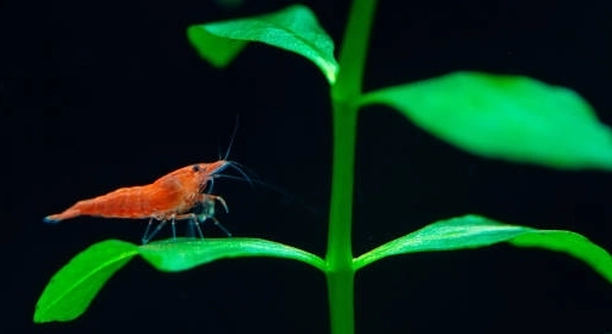
Cherry shrimp are small, vibrant freshwater creatures that add charm to aquariums. Observing them closely, you might notice they spend a lot of time cleaning their bodies, moving their tiny legs and antennae constantly.
Cherry shrimp constantly groom themselves to maintain cleanliness, remove debris, and prevent fungal or bacterial growth. This behavior supports their overall health, helps sensory perception, and ensures their exoskeleton remains in optimal condition for survival and mobility.
Understanding why grooming is essential can improve your aquarium care routine and ensure your shrimp remain healthy and active in their environment.
Why Cherry Shrimp Groom Themselves So Often
Cherry shrimp are naturally meticulous creatures, and their grooming habits are part of their survival instincts. They use their small legs and claws to clean their antennae, eyes, and body surfaces, removing particles, algae, or leftover food. Grooming also helps them detect chemical signals and environmental changes in the water, which is crucial for their safety. Over time, consistent grooming keeps their exoskeleton in good condition, preventing infections or fungal growth. You might notice them scrubbing their legs repeatedly or rubbing against surfaces in the tank. These behaviors are normal and indicate a healthy shrimp. Proper tank conditions, including clean water and balanced nutrition, encourage more natural grooming activity. Observing this behavior can also give insight into the shrimp’s overall health, as lethargic or irregular grooming may signal stress or illness. Ensuring your tank provides hiding spaces and stable parameters helps support this essential self-care routine.
Grooming keeps shrimp clean, healthy, and alert. It is essential for their survival and overall well-being in the aquarium environment.
Watching a shrimp groom itself can be surprisingly calming. Their careful, methodical movements show how attentive they are to maintaining health, reflecting a natural instinct we can appreciate. These small actions are not just hygiene—they indicate vitality and adaptation. By providing a stable, clean tank and proper diet, you allow these tiny creatures to continue their essential grooming behaviors freely and safely. Over time, you may notice patterns in their grooming, like increased activity after molting or during feeding. Observing and understanding these behaviors can deepen your connection to the shrimp and help maintain a thriving tank ecosystem.
Signs Your Cherry Shrimp May Be Over-Grooming
Over-grooming can sometimes signal stress or environmental issues in the tank. Shrimp may spend excessive time cleaning or scratching themselves, which could indicate poor water quality, inadequate hiding spots, or parasites.
Stress-related grooming usually appears as repeated scraping against surfaces or clumping behavior in one area. Sudden changes in water parameters, such as pH shifts or elevated ammonia, often trigger this response. Overcrowding or aggressive tankmates can also contribute to increased grooming. Monitoring these behaviors and checking tank conditions promptly is crucial. Adjusting water quality, ensuring proper filtration, and providing plants or decorations for cover can reduce stress and help shrimp return to normal grooming routines. Regular observation allows early intervention, preventing potential health complications. A healthy tank supports natural grooming without excessive strain, ensuring shrimp remain active, vibrant, and disease-free over time. Maintaining balance in diet, environment, and tank population helps your shrimp thrive and minimizes abnormal grooming behavior.
How Water Quality Affects Grooming
Poor water quality directly impacts shrimp behavior. High ammonia, nitrite, or nitrate levels can irritate their exoskeleton, prompting more frequent grooming. Temperature fluctuations also stress shrimp, causing them to clean themselves excessively in response to discomfort.
Maintaining stable, clean water is essential for healthy grooming habits. Regular testing for pH, ammonia, nitrites, and nitrates prevents conditions that could trigger stress-induced cleaning. Frequent water changes and a reliable filtration system reduce debris and harmful compounds. Even slight changes in water hardness or temperature can influence shrimp behavior. Observing how shrimp groom after tank adjustments can indicate whether conditions are optimal or need correction. Clean water ensures their exoskeleton remains intact, reducing the risk of infections.
In addition to chemical balance, removing uneaten food and organic waste supports natural grooming. Accumulated debris encourages excessive cleaning and scratching, which can wear down the exoskeleton over time. Providing plants or hiding spots allows shrimp to groom without feeling exposed. Proper maintenance balances hygiene and comfort, letting them focus on normal grooming rather than coping with environmental stressors. Regular observation combined with careful tank upkeep keeps shrimp active and healthy.
The Role of Molting in Grooming
Molting is a vulnerable time for cherry shrimp, increasing grooming activity. They carefully clean their old exoskeleton to remove residue and prevent fungal infections before and after molting.
During molting, shrimp shed their old exoskeleton and grow a new one underneath. Grooming helps loosen and remove remaining particles stuck to the old shell. This process is critical for successful molting, as any debris or bacteria could damage the soft, new exoskeleton. Molting frequency depends on age, diet, and water quality. Younger shrimp molt more often, requiring extra attention to grooming. Healthy shrimp maintain a precise routine during this period, balancing cleaning and resting to avoid injury. Proper nutrition, including calcium and protein, supports both molting and grooming efficiency, ensuring their new exoskeleton hardens correctly.
After molting, shrimp may groom intensively to remove small fragments of their old shell. They also adjust their behavior to protect the soft exoskeleton from damage, hiding more frequently while cleaning themselves. Observing these post-molt grooming patterns helps identify healthy development and signals when water quality or diet may need adjustment. Providing an environment that supports safe molting and access to cleaning surfaces ensures shrimp complete this vulnerable phase successfully. Regular monitoring allows owners to prevent stress-related complications and maintain a thriving tank population.
Grooming as a Social Behavior
Cherry shrimp often groom near others, which can signal comfort and safety in their environment. Being around tankmates encourages natural grooming patterns and reduces stress-related over-cleaning.
Social grooming also allows shrimp to interact without aggression. Observing these behaviors shows how they maintain hygiene collectively, balancing individual and group needs.
Signs of Healthy Grooming
Healthy grooming is consistent but not excessive. Shrimp clean their antennae, legs, and body at regular intervals without causing injury or stress. This indicates proper tank conditions and sufficient nutrition, reflecting their overall well-being.
Common Grooming Spots
Shrimp tend to focus on antennae, legs, and the edges of their exoskeleton. These areas are sensitive and prone to debris, requiring careful attention during cleaning.
When Grooming Becomes Concerning
Excessive grooming or scraping against surfaces repeatedly can indicate stress, poor water quality, or parasites. Monitoring these patterns is essential to prevent long-term health issues.
FAQ
Why do cherry shrimp groom themselves so often?
Cherry shrimp groom frequently to keep their exoskeleton clean and free from debris, algae, and harmful microorganisms. Grooming also enhances their sensory perception, allowing them to detect changes in water chemistry or the presence of food. Regular cleaning is essential for maintaining overall health and mobility.
Is it normal for shrimp to groom for long periods?
Yes, long grooming sessions are typical, especially after molting or when the tank has minor debris. Extended cleaning helps them remove particles from sensitive areas like antennae and legs. However, excessively prolonged or frantic grooming may indicate stress or poor water conditions.
Can poor water quality affect grooming?
Absolutely. Elevated ammonia, nitrite, or nitrate levels can irritate the shrimp’s exoskeleton, prompting more frequent or aggressive grooming. Temperature fluctuations and sudden changes in pH or hardness also stress shrimp, making them groom more to alleviate discomfort. Maintaining stable, clean water is crucial.
Do shrimp groom more after molting?
Yes, molting increases grooming activity. Shrimp clean their old exoskeleton to remove leftover debris and prevent fungal infections. After shedding, the new soft exoskeleton requires careful cleaning to avoid damage. Proper nutrition and a safe environment are essential during this vulnerable period.
Can stress cause over-grooming?
Stress often leads to over-grooming. Factors like overcrowding, aggressive tankmates, or inadequate hiding spaces make shrimp feel unsafe, prompting excessive cleaning. Addressing environmental stressors, providing plants or decorations for cover, and maintaining proper water conditions help shrimp return to normal grooming patterns.
Are there signs of unhealthy grooming?
Yes. Signs include scraping repeatedly against tank surfaces, clumping in one area, or neglecting other activities. These behaviors can indicate poor water quality, parasites, or other health issues. Regular observation allows early intervention and prevents potential complications.
Does diet influence grooming behavior?
A balanced diet supports normal grooming. Insufficient nutrients, particularly calcium and protein, can affect exoskeleton health, making shrimp groom excessively to remove weak or damaged areas. Feeding high-quality food ensures proper growth, strong shells, and efficient cleaning routines.
Should I intervene if my shrimp grooms too much?
Intervention is usually environmental. Check water quality, adjust temperature, and provide sufficient hiding spaces. Only consider medical treatment if parasites or infections are suspected. Observing behavior carefully helps determine whether changes are necessary.
Do shrimp groom differently in groups versus alone?
Shrimp often groom near others in a relaxed environment. Social presence encourages natural cleaning behaviors and reduces stress-related over-grooming. Isolated shrimp may still groom effectively, but observing group interactions can reveal patterns that indicate comfort or discomfort in the tank.
How can I encourage healthy grooming?
Maintain clean water, provide hiding spots, offer a nutritious diet, and ensure stable temperature and pH. Regular tank maintenance prevents debris buildup, supporting efficient grooming. Observing shrimp behavior over time helps confirm they are healthy and grooming appropriately.
Can grooming prevent diseases?
Yes, grooming reduces the risk of infections by removing harmful bacteria, fungi, and parasites. Clean exoskeletons allow shrimp to move freely, reducing the likelihood of stress-induced illness. Consistent grooming, combined with a healthy tank, supports overall immunity and longevity.
Do different shrimp species groom differently?
While most freshwater shrimp groom similarly, behaviors can vary slightly by species. Some are more active groomers, while others spend more time hiding. Cherry shrimp are particularly meticulous, focusing on antennae, legs, and exoskeleton edges to maintain cleanliness and sensory function.
How can I tell if grooming is excessive due to illness?
Excessive grooming caused by illness often comes with other signs, such as lethargy, discoloration, or loss of appetite. Scraping against surfaces or constant antenna cleaning beyond normal routines can indicate underlying issues. Checking water quality and monitoring health closely is essential.
Does tank setup influence grooming habits?
Yes, tank layout affects behavior. Providing plants, moss, and smooth surfaces supports natural grooming, while cluttered or rough environments may lead to accidental injury or stress. Balanced design encourages normal cleaning patterns without creating obstacles or stress triggers.
How often should I observe grooming behavior?
Daily observation is ideal. Noticing changes in grooming frequency, intensity, or patterns helps identify stressors, water quality problems, or health concerns early. Consistent monitoring ensures shrimp remain healthy and their cleaning habits stay within normal ranges.
Can grooming behavior indicate molting schedules?
Yes, increased grooming often precedes molting. Shrimp clean their exoskeleton to prepare for shedding, ensuring no debris interferes with the process. Observing these changes can help predict molting times and prepare the tank environment to reduce stress and injury risk.
What should I do if my shrimp stop grooming?
A sudden stop in grooming may signal illness, poor water conditions, or stress. Test water parameters, inspect for signs of disease, and ensure hiding spaces are available. Early intervention can prevent further health decline and restore normal cleaning behavior.
Do shrimp groom differently during feeding?
Feeding can influence grooming slightly. After eating, shrimp may clean their antennae and mouthparts to remove food particles. Ensuring balanced feeding prevents excessive debris in the tank and reduces stress-related over-grooming.
Are there long-term benefits of regular grooming?
Consistent grooming maintains exoskeleton strength, reduces disease risk, and supports sensory function. Healthy shrimp grow properly, molt successfully, and remain active. Observing regular grooming confirms a stable, well-maintained environment and contributes to their overall longevity.
Can environmental enrichment affect grooming?
Yes, enrichment like plants, moss, or decorations provides surfaces for shrimp to groom against safely. These features reduce stress and promote natural behaviors. Enrichment also helps shrimp maintain proper exoskeleton condition, supporting normal cleaning routines and healthy activity levels.
Cherry shrimp are fascinating creatures, and their constant grooming is a normal part of their behavior. This grooming helps them maintain cleanliness, keep their exoskeleton strong, and stay healthy in the tank. Observing them can be very rewarding, as you notice how carefully they clean their antennae, legs, and body. Their grooming is not just a random activity; it is an instinct that ensures their survival. Keeping the tank clean and providing proper food supports this natural behavior. When shrimp groom regularly, it is a clear sign that they are comfortable in their environment and that the water quality is suitable for them. Over time, you begin to understand the patterns and habits of your shrimp, and this understanding helps you care for them better. Even small adjustments in tank conditions can make a difference in how effectively they groom themselves.
Water quality is one of the most important factors influencing shrimp grooming. Ammonia, nitrite, and nitrate levels must be kept in check, and water temperature and pH should remain stable. When conditions are ideal, shrimp groom efficiently without excessive stress. Poor water quality can lead to over-grooming, scratching, or other unusual behaviors. Providing a balanced diet with adequate protein and calcium is also crucial, as it supports exoskeleton health and molting. Molting is another period when grooming becomes more frequent, as shrimp clean their old shell and protect their soft new exoskeleton. By observing grooming patterns, you can detect early signs of stress or illness and respond appropriately. Offering hiding spots and plants further supports normal grooming, giving shrimp safe spaces to clean themselves without feeling threatened.
Understanding the behavior of cherry shrimp allows for better care and a healthier aquarium environment. Grooming is an important indicator of health and well-being, and it reflects how well the shrimp adapt to their surroundings. Regular observation, proper feeding, stable water conditions, and a thoughtfully arranged tank help shrimp maintain natural grooming habits. Even small changes in care routines can have a noticeable impact on their behavior. Watching shrimp groom can be a calming and informative experience, showing the attention they give to their health and environment. By paying attention to these details, you can ensure that your shrimp thrive, remain active, and display natural behaviors. Grooming is just one part of their routine, but it is essential for their long-term health, survival, and overall vitality. Proper care and attention help shrimp live longer and maintain the bright colors and activity that make them such appealing and engaging pets.

Hello,
If you enjoy the content that we create, please consider saying a "Thank You!" by leaving a tip.
Every little bit helps us continue crafting quality advice that supports the health, happiness, and well-being of pets around the world, for pets of all shapes, sizes, and species.
We really appreciate the kindness and support that you show us!