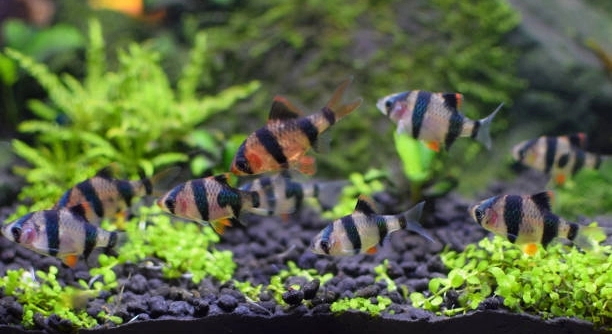
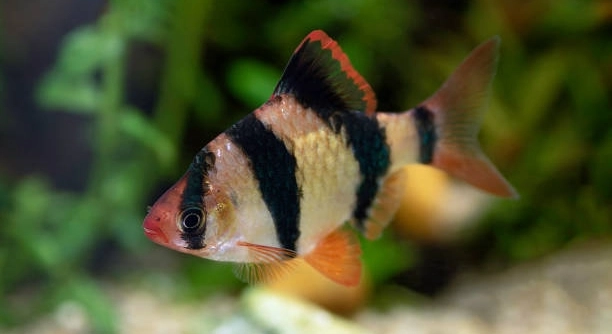
7 Weird Behaviors Tiger Barbs Show Before Breeding
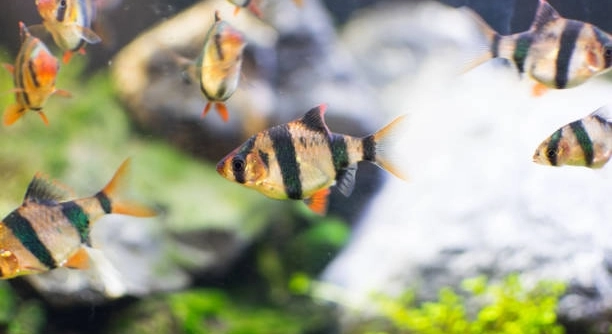
Tiger barbs are colorful freshwater fish popular in home aquariums. Their behavior changes noticeably before breeding. Watching these changes can help owners understand their fish better. Before breeding, tiger barbs display unusual behaviors such as increased chasing, flaring their fins, color intensification, and repetitive swimming patterns. These actions signal readiness to mate and establish dominance … Read more
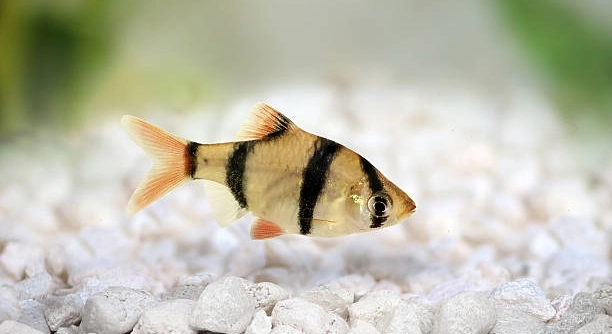
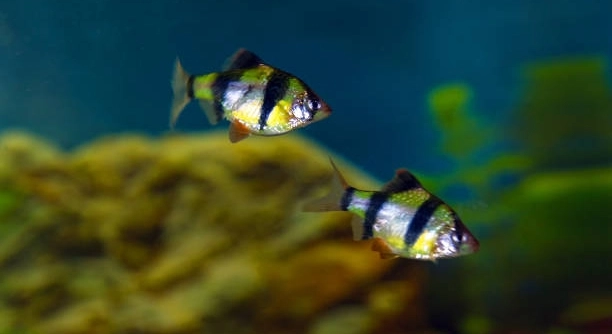
7 Odd Tiger Barb Behaviors Explained

Are your tiger barbs displaying strange habits like chasing, glass surfing, or standing still for too long? You’re not alone. These small fish often surprise owners with behaviors that seem unusual or even alarming at first. Tiger barbs are active and social fish, and their odd behaviors often stem from natural instincts, environmental factors, or … Read more

Why Tiger Barbs Might School Near the Top

Do your tiger barbs tend to swim near the top of the tank, leaving you wondering if this behavior is normal or concerning? Tiger barbs may school near the top due to environmental factors such as low oxygen levels, poor water circulation, or feeding habits. This behavior is often a response to water conditions rather … Read more

7 Reasons Your Barb May Be Swimming Alone

Is your barb suddenly swimming alone, away from the rest of your fish? This change in behavior can be concerning for any fish owner. Barbs often swim alone due to stress, illness, territorial disputes, poor water quality, or incompatibility with tank mates. These issues affect their comfort and social behavior, prompting them to isolate themselves … Read more

Why Tiger Barbs May Suddenly Turn Shy

Do your tiger barbs seem less active lately, hiding more often or avoiding interactions they used to enjoy? Tiger barbs may suddenly turn shy due to changes in their environment, such as new tank mates, poor water quality, or stress from overcrowding. These factors can cause a shift in their natural, active behavior. Understanding what … Read more

7 Things That Disrupt a Tiger Barb’s Routine

Tiger barbs are lively fish that thrive on a stable environment. Changes in their routine can cause stress and affect their behavior and health. Recognizing what disrupts their daily life is important for any aquarium keeper. Common disruptions to a tiger barb’s routine include sudden changes in water temperature, poor water quality, irregular feeding schedules, … Read more

7 Tips for Setting Up a Tiger Barb Nursery

Setting up a nursery for tiger barbs requires careful planning and attention to their specific needs. These lively fish need a stable environment to grow healthy and strong. Preparing the right conditions early on is essential for success. To establish an effective tiger barb nursery, focus on maintaining clean water, proper temperature, adequate space, and … Read more

Can Tiger Barbs Be Kept in Brackish Water?

Tiger Barbs are popular freshwater aquarium fish known for their lively behavior and striking colors. Many aquarium enthusiasts wonder about their adaptability to different water conditions. Understanding their needs helps create a healthy environment for these fish. Tiger Barbs are not suited for brackish water environments. They thrive best in freshwater with stable pH and … Read more

Can a Tiger Barb Live Alone? (7 Things to Consider)

Tiger barbs are lively, colorful fish often chosen for home aquariums. They can brighten up a tank and offer an engaging experience for fish keepers. Many wonder how well these fish do when kept alone. Tiger barbs can live alone, but they are naturally social and thrive better in groups. Keeping a single tiger barb … Read more

7 Tank Additions That Barbs Appreciate

Barbs are lively fish that bring energy to any aquarium. Many owners want to create a tank environment that keeps them healthy and happy. Adding the right tank mates can improve their behavior and overall well-being. Choosing compatible tank additions for barbs is essential for maintaining a balanced and peaceful aquarium. Ideal companions should share … Read more