
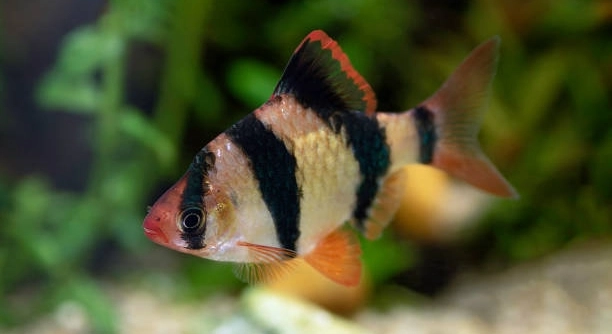
Barbs are lively fish that bring energy to any aquarium. Many owners want to create a tank environment that keeps them healthy and happy. Adding the right tank mates can improve their behavior and overall well-being.
Choosing compatible tank additions for barbs is essential for maintaining a balanced and peaceful aquarium. Ideal companions should share similar water conditions, temperament, and activity levels to reduce stress and aggression among fish.
Exploring the best tank additions will help you build a thriving community for your barbs and enhance their natural behavior in your aquarium.
Danios: Active and Social Swimmers
Danios are lively fish that match the energy of barbs well. They thrive in similar water conditions and enjoy swimming in groups, which complements the barbs’ active nature. Their small size and peaceful temperament make them excellent tank additions without causing stress or competition for space. Danios are hardy and adapt easily, making tank maintenance simpler. Their shimmering scales add a nice visual contrast, creating a dynamic and colorful aquarium environment. Because both species prefer similar temperature and pH ranges, they coexist comfortably, avoiding territorial disputes. Adding danios encourages natural schooling behavior, helping barbs feel more secure and engaged. It is important to keep danios in small groups of at least five to maintain their social needs. Their presence promotes a balanced community tank where all fish can thrive without aggression.
Danios also help reduce algae growth by feeding on tiny particles, which benefits the tank ecosystem.
They make an excellent choice for barbs because their similar swimming style and temperament reduce conflict. Their social behavior helps create a lively and peaceful tank, enhancing the overall aquarium experience.
Corydoras Catfish: Bottom Dwellers That Balance the Tank
Corydoras catfish spend most of their time near the tank bottom, cleaning leftover food and keeping the substrate tidy. They are peaceful fish that don’t compete with barbs for space or food. Their calm nature makes them a good addition to community tanks.
Corydoras catfish are hardy and easy to care for, thriving in a range of water conditions. They prefer a soft, sandy substrate where they can safely forage. Because barbs tend to swim in the middle and upper levels of the tank, corydoras provide balance by occupying the lower levels. This separation reduces territorial disputes and stress. Corydoras also add gentle movement and activity to the tank without disrupting the barbs’ schooling behavior. Their small size and shy demeanor mean they blend in well without drawing too much attention. Keeping corydoras in groups of at least four ensures they feel safe and active. This natural cleanup crew helps maintain water quality by eating uneaten food, which can otherwise lead to waste buildup. Their peaceful nature makes them a reliable and beneficial addition to a barb aquarium, contributing to a healthy and harmonious environment for all inhabitants.
Cherry Barbs: Compatible and Colorful
Cherry barbs share similar water and temperature needs with most barb species, making them compatible tank mates. They are peaceful and add a splash of red color that contrasts nicely with other barbs. Their calm nature helps maintain harmony in a community tank.
Cherry barbs are smaller and less aggressive than many other barb types, which reduces territorial disputes. Their social behavior matches well with other barbs that enjoy schooling. They prefer dense vegetation where they can hide and feel secure, which also benefits shy tank mates. Their adaptability to different tank setups makes them an easy choice for most hobbyists. Cherry barbs’ peaceful temperament complements more active barbs, creating a balanced environment. Including cherry barbs encourages natural interaction and reduces aggressive tendencies among fish. Their vibrant colors enhance the visual appeal of the aquarium without causing stress or competition.
In addition to their calm personality, cherry barbs are hardy and require minimal care, which suits both beginners and experienced aquarists. They contribute to a healthy, peaceful community tank.
Gouramis: Peaceful and Graceful
Gouramis are gentle fish that add variety and calm to a barb tank. They prefer similar water conditions and usually avoid conflict with more active barbs. Their graceful swimming style contrasts nicely with the fast-moving barbs.
Gouramis come in different sizes and colors, providing visual interest without overwhelming the tank. They are labyrinth fish, meaning they can breathe air from the surface, which helps them survive in less oxygenated water. This trait can benefit barbs in tanks with moderate aeration. Gouramis tend to be shy but curious, often exploring the middle and upper water levels without disturbing the barbs’ schooling. Their slow movements and peaceful nature help reduce overall tank stress. Adding one or two gouramis provides balance and diversity to the aquarium without upsetting social dynamics. Proper tank size and plenty of hiding spots are important to ensure gouramis feel secure alongside barbs.
Platies: Hardy and Peaceful
Platies are calm fish that get along well with barbs. Their easygoing nature helps keep the tank atmosphere relaxed.
They adapt to a wide range of water conditions, making them low-maintenance companions for barbs in community tanks.
Rainbowfish: Vibrant and Active
Rainbowfish bring bright colors and lively movement to a barb tank. They share similar water parameters and schooling habits, which helps create a peaceful environment. Their larger size compared to barbs encourages natural respect and reduces aggression. Rainbowfish are social and thrive in groups, adding dynamic interaction to the aquarium. Their active swimming complements the barbs’ energy, making the tank feel balanced and engaging. They also appreciate plenty of swimming space and hiding spots, which helps reduce stress for all fish. Overall, rainbowfish are excellent additions for those who want a colorful, active community tank alongside barbs.
Otocinclus Catfish: Natural Algae Eaters
Otocinclus catfish are small algae eaters that help keep the tank clean. Their peaceful nature fits well with barbs.
What are the best tank mates for barbs?
The best tank mates for barbs are species that share similar water requirements and temperaments. Fish like danios, cherry barbs, and corydoras catfish work well because they are active but peaceful enough not to cause fights. Avoid slow-moving or very shy fish, as barbs can stress them out. It’s important to pick companions that swim in different tank levels to reduce competition for space. Keeping tank mates that school or group together helps maintain a balanced environment. Always research the specific species before adding them to ensure compatibility.
Can barbs live with gouramis?
Yes, barbs can live with gouramis if the tank is large enough and has plenty of hiding spaces. Gouramis are generally peaceful and swim slower than barbs, which helps reduce aggression. Since gouramis are labyrinth fish, they can breathe surface air, which gives them an advantage in tanks with moderate aeration. However, some gourami species can be territorial, so it’s best to monitor interactions carefully and avoid overcrowding. Introducing tank plants and decorations also helps provide shelter and reduces stress for both species.
How many barbs should be kept together?
Barbs are schooling fish and should be kept in groups of at least five or six. This grouping helps them feel secure and reduces aggressive behavior, as barbs tend to pick on single or small groups. Keeping them in larger numbers spreads out aggression and encourages natural social behaviors. A group also looks more lively and colorful in the tank. For smaller tanks, aim for the minimum group size, but larger tanks can hold bigger schools. Maintaining a proper group size is essential for the health and happiness of barbs.
Do barbs require special care when mixed with other fish?
Barbs don’t require highly specialized care, but careful attention is needed when mixing them with other species. Their semi-aggressive nature means tank mates should be chosen wisely to avoid bullying or injury. Keeping the water clean and stable is important, as barbs are sensitive to poor water conditions. Regular monitoring of fish behavior helps catch any signs of stress or aggression early. Providing enough space, hiding spots, and proper feeding routines minimizes conflicts. With the right setup, barbs can live peacefully with many compatible fish.
What should I feed barbs when they have tank mates?
When barbs share a tank with other fish, it’s important to offer a varied diet to meet all their nutritional needs. Barbs eat flakes, pellets, and live or frozen foods like bloodworms and brine shrimp. Feeding should be spread out to prevent competition and ensure all fish get enough. Some tank mates, like bottom dwellers, prefer sinking pellets, while barbs eat from the middle or surface. Offering food in different areas helps reduce aggression during feeding time. Regular feeding with balanced food keeps all fish healthy and energetic.
Are barbs aggressive towards smaller fish?
Barbs can sometimes be aggressive toward smaller or slower fish, especially if kept in too small groups or cramped tanks. Their natural behavior includes chasing and fin-nipping, which can stress or injure smaller companions. Choosing tank mates of similar size and temperament helps reduce this problem. Also, keeping barbs in proper group sizes lessens aggression by dispersing their energy. Providing plenty of space and hiding spots allows smaller fish to escape if needed. Careful observation is key to maintaining peace in mixed-species tanks with barbs.
Can barbs live with shrimp or snails?
Barbs may pose a risk to shrimp and small snails, as their curious and active nature sometimes leads them to nip at or chase invertebrates. Some barbs are less aggressive and can coexist with larger snail species or well-hidden shrimp, but there’s always a risk. To keep shrimp or snails safe, provide dense plants and hiding places. It’s best to choose robust snail species like mystery snails and avoid small, slow-moving shrimp unless you’re prepared for potential losses. If shrimp or snails are a priority, a separate tank might be necessary.
How large should the tank be for barbs and their tank mates?
A tank of at least 30 gallons is recommended for a small group of barbs and compatible tank mates. This size provides enough swimming space and reduces territorial aggression. Larger tanks allow more fish and provide room for decorations and plants that create hiding spots. Space helps reduce stress and maintains water quality by diluting waste. Overcrowding can increase aggression and health issues. When mixing species like gouramis or rainbowfish, consider even larger tanks to accommodate different swimming zones and behaviors comfortably.
Do barbs need special water conditions?
Barbs prefer moderately soft to slightly hard water with a pH between 6.5 and 7.5. The temperature should stay between 72°F and 78°F (22°C–26°C). Stable water conditions are important to avoid stress or illness. Regular water changes and monitoring of ammonia, nitrite, and nitrate levels help keep the tank healthy. Most compatible tank mates share similar water needs, making it easier to maintain a balanced community. Avoid sudden changes in temperature or water chemistry, as barbs can be sensitive to fluctuations.
How can I reduce aggression among barbs?
Reducing aggression among barbs involves keeping them in proper group sizes, providing ample swimming space, and adding plants or decorations for hiding. Feeding regularly and evenly helps prevent competition. Avoid mixing barbs with overly aggressive or slow-moving species. Monitor the tank for signs of bullying and remove or separate aggressive individuals if necessary. Keeping a well-maintained tank with good water quality supports fish health and behavior. Using distractions like floating plants can also diffuse tension. These steps help create a more peaceful environment for all fish.
Choosing the right tank additions for barbs is important to create a balanced and peaceful aquarium. Barbs are active fish that do best with companions who can keep up with their energy and share similar water needs. Picking tank mates that are calm but lively helps reduce stress and aggression. Fish like danios, cherry barbs, and corydoras catfish are good examples because they get along well and add different movements and colors to the tank. Providing a variety of species that swim in different tank levels keeps the space balanced and avoids overcrowding in one area.
It is also important to consider the size of your tank when adding new fish. A bigger tank gives fish more room to swim and claim their own space, which lowers the chances of fights or bullying. Decorations and plants create hiding spots that help shy or smaller fish feel safe. Feeding the fish carefully and regularly also helps prevent competition over food, which can cause tension. Monitoring your tank regularly lets you catch any issues before they get worse. Healthy water conditions and stable temperatures are key to keeping all fish happy and active.
Overall, adding the right tank mates can improve your barbs’ life and your enjoyment of the aquarium. Barbs thrive in social groups and do well with fish that share their habits. When you choose compatible species and maintain a good environment, your tank becomes a peaceful and colorful community. Taking time to learn about each fish’s needs and behaviors helps create a tank where every inhabitant can live well. With the right care and planning, your barbs and their tank additions will bring you long-lasting enjoyment.

Hello,
If you enjoy the content that we create, please consider saying a "Thank You!" by leaving a tip.
Every little bit helps us continue crafting quality advice that supports the health, happiness, and well-being of pets around the world, for pets of all shapes, sizes, and species.
We really appreciate the kindness and support that you show us!