
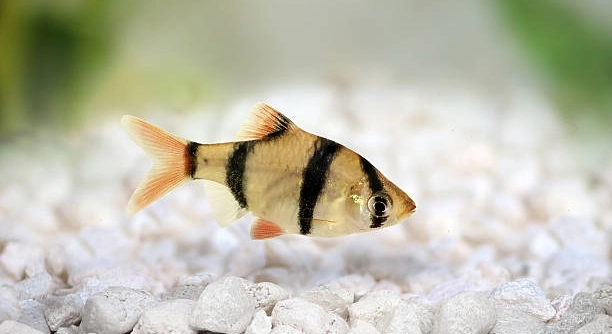
Tiger Barbs are popular freshwater aquarium fish known for their lively behavior and striking colors. Many aquarium enthusiasts wonder about their adaptability to different water conditions. Understanding their needs helps create a healthy environment for these fish.
Tiger Barbs are not suited for brackish water environments. They thrive best in freshwater with stable pH and temperature conditions. Exposure to brackish water can cause stress and health problems, reducing their lifespan and overall well-being.
Knowing the right habitat for Tiger Barbs ensures you keep them healthy and happy. This article explains why freshwater is essential and how to maintain ideal tank conditions for these vibrant fish.
Why Tiger Barbs Need Freshwater
Tiger Barbs come from tropical freshwater rivers in Southeast Asia. Their bodies are built to handle soft to moderately hard freshwater with a pH around 6.5 to 7.5. In their natural habitat, the water is clean, slightly acidic to neutral, and free from salt. When placed in brackish water, which contains a mix of salt and freshwater, their bodily functions struggle to adapt. Saltwater can cause damage to their delicate gills and disrupt their internal balance, leading to stress or illness. Keeping them in freshwater tanks with stable conditions helps prevent common health problems like fin rot and swim bladder issues. Proper water changes and monitoring parameters keep their environment healthy and comfortable.
Their natural environment teaches us the importance of matching tank water to their specific needs for better health and longevity.
Maintaining freshwater conditions also supports Tiger Barbs’ active and social nature. They swim actively in groups and show vibrant colors best when stress-free. A stable freshwater habitat provides the best chance for these fish to thrive and display their lively behavior without risk of illness.
Effects of Brackish Water on Tiger Barbs
Brackish water stresses Tiger Barbs quickly.
The salt in brackish water affects Tiger Barbs’ ability to regulate their internal fluids. This imbalance can cause dehydration or swelling. Over time, exposure leads to weakened immune systems and makes them more prone to infections. Their scales may lose brightness, and their behavior becomes less energetic. Unlike some fish adapted to changing salinity, Tiger Barbs cannot adjust to brackish water and often suffer poor health if kept in it for long periods. It is best to maintain freshwater conditions consistently to avoid these problems and keep Tiger Barbs healthy.
Proper Tank Setup for Tiger Barbs
Tiger Barbs need a well-maintained freshwater tank. The tank should be at least 20 gallons to allow enough swimming space. Use a reliable filter to keep the water clean and oxygenated.
Water temperature should be kept between 74°F and 79°F. Regular water changes, about 25% weekly, help maintain water quality. Avoid adding salt to the tank since it can harm the fish. Adding plants and hiding spots creates a natural environment, which helps reduce stress. Smooth gravel or sand is ideal for the substrate. Make sure to test water parameters often, especially pH and ammonia levels, to keep the environment stable.
Choosing a good filtration system is important for controlling waste. Avoid overcrowding the tank to reduce stress and aggression among Tiger Barbs. Keeping water parameters stable and clean supports their active and healthy lifestyle.
Suitable Tank Mates
Tiger Barbs are semi-aggressive and do well with similar-sized fish.
Good tank mates include other fast swimmers like danios or barbs. Avoid slow-moving or long-finned fish that may be nipped. Keeping Tiger Barbs in groups of six or more reduces their aggression by spreading it out. Fish like tetras and gouramis also make decent companions. Avoid mixing with saltwater or brackish species since different water needs cause health issues. It is important to observe behavior regularly and separate fish if fighting occurs. Compatibility depends on temperament and tank size, so careful planning is key to a peaceful tank community.
Feeding Tiger Barbs
Tiger Barbs eat a variety of foods including flakes, pellets, and live or frozen options. A balanced diet helps maintain their health and bright colors.
Feeding small amounts two to three times daily prevents overfeeding and keeps the tank water cleaner.
Signs of Stress in Tiger Barbs
Stress in Tiger Barbs shows through changes in behavior and appearance. They may become lethargic, lose color, or hide more often. Rapid gill movement or erratic swimming also indicates stress.
Recognizing these signs early helps prevent serious health problems. Causes of stress include poor water quality, inappropriate tank mates, or sudden changes in water conditions. Monitoring fish behavior regularly helps catch issues before they worsen, ensuring Tiger Barbs stay healthy and active.
Water Testing Importance
Regular testing of water parameters is crucial. Testing pH, ammonia, nitrites, and nitrates keeps the environment safe and stable for Tiger Barbs.
Consistent monitoring prevents toxic buildup and helps identify problems early.
Can Tiger Barbs live in brackish water?
Tiger Barbs cannot live in brackish water. Their bodies are adapted to freshwater environments with little to no salt. Even a small amount of salt can cause them stress and health problems. It’s important to keep their tank water fresh and stable for their well-being.
What water conditions do Tiger Barbs prefer?
They thrive in freshwater with a pH between 6.5 and 7.5. Temperatures should be steady around 74°F to 79°F. Soft to moderately hard water is best. Regular water changes and good filtration keep these conditions stable, which is key to their health.
Can Tiger Barbs tolerate changes in water salinity?
No, Tiger Barbs do not tolerate changes in salinity. Sudden or gradual increases in salt content can harm their gills and internal balance. Unlike some species that adjust to brackish water, Tiger Barbs are strictly freshwater fish and need consistent conditions.
Are Tiger Barbs aggressive toward other fish?
Tiger Barbs are semi-aggressive, especially in small groups. Keeping them in groups of six or more helps spread out aggression and reduce bullying. They may nip fins of slower or long-finned fish, so tank mates should be chosen carefully.
What are good tank mates for Tiger Barbs?
Fast-moving fish like danios, other barbs, and some tetras work well with Tiger Barbs. Avoid slow or delicate fish with long fins. Gouramis and similar-sized fish can also be compatible, but monitoring behavior is important to prevent fights.
How often should I feed Tiger Barbs?
Feeding two to three times a day in small amounts is best. Overfeeding can cause water pollution and health issues. A varied diet of flakes, pellets, and occasional live or frozen food keeps them healthy and colorful.
What signs show that Tiger Barbs are stressed?
Stress signs include faded color, hiding, lethargy, and erratic swimming. Rapid gill movement may also indicate discomfort. Stress often comes from poor water quality, incompatible tank mates, or sudden changes in the environment.
How often should I test my Tiger Barb tank water?
Testing water weekly is recommended to check pH, ammonia, nitrites, and nitrates. Frequent testing helps catch issues early and maintain a safe environment. Consistent water quality is vital for keeping Tiger Barbs healthy.
Can I keep Tiger Barbs with brackish water fish?
It’s not advisable because brackish water fish need some salt in their tank, while Tiger Barbs require pure freshwater. Mixing these species would force compromises in water conditions that harm one or both groups.
What happens if Tiger Barbs are kept in brackish water?
They often develop health problems like fin rot, infections, and stress. Their immune system weakens, making them prone to illness. Long-term exposure can reduce their lifespan and cause behavioral changes like hiding or loss of activity.
How large should a Tiger Barb tank be?
A minimum of 20 gallons is recommended. Tiger Barbs are active swimmers and need space to move freely. Larger tanks help keep water conditions stable and reduce aggression among fish.
Is adding salt beneficial for Tiger Barbs?
Adding salt is usually harmful. Tiger Barbs come from freshwater environments and do not tolerate salt well. Salt can cause damage to their gills and upset their internal fluid balance.
What substrate is best for a Tiger Barb tank?
Smooth gravel or sand is ideal. It mimics their natural habitat and is safe for their fins. Rough or sharp substrates can cause injury, especially if they become stressed and swim quickly.
How important are plants in a Tiger Barb tank?
Plants provide hiding spots and reduce stress by creating a natural environment. They also help improve water quality by absorbing nitrates. Hardy plants that tolerate the fish’s activity are best choices.
Can Tiger Barbs live alone?
They prefer living in groups. Being social fish, they become stressed or shy when alone. Groups of at least six reduce aggression and encourage natural, lively behavior.
How can I reduce aggression among Tiger Barbs?
Keeping larger groups spreads out aggressive behavior. Providing plenty of hiding places and swimming space also helps. Avoid overcrowding, which increases stress and fighting.
What are common health issues for Tiger Barbs?
Fin rot, swim bladder problems, and infections are common, often caused by poor water quality or stress. Maintaining clean water and stable conditions helps prevent these issues.
How long do Tiger Barbs live?
With proper care, Tiger Barbs live around 5 to 7 years. Good water quality, proper diet, and suitable tank mates contribute to their longevity.
Are Tiger Barbs good for beginner fishkeepers?
They can be, but their semi-aggressive nature and need for stable freshwater conditions require some attention. Beginners who keep proper tank conditions and groups of six or more often find them rewarding.
Tiger Barbs are lively and colorful fish that bring energy to a freshwater tank. Their natural environment is clear, soft freshwater with stable conditions. Because of this, they are not suited for brackish water. Brackish water contains salt mixed with freshwater, which can harm Tiger Barbs by causing stress and health issues. Keeping them in freshwater tanks with the right temperature, pH, and cleanliness is essential for their well-being. It is important to maintain these conditions consistently to help the fish thrive.
Creating a proper tank setup is one of the most important steps when caring for Tiger Barbs. The tank should be large enough for them to swim freely, usually at least 20 gallons. Good filtration and regular water changes help keep the water clean and stable. Adding plants and hiding spots creates a comfortable environment that reduces stress. Feeding a balanced diet in small amounts helps keep them healthy and colorful. It is also important to monitor water parameters regularly to avoid any sudden changes that could harm the fish.
Finally, choosing suitable tank mates and observing Tiger Barbs closely helps keep the aquarium peaceful. These fish are semi-aggressive, so keeping them in groups of six or more reduces fighting. Fast-moving fish with similar temperaments usually do well with Tiger Barbs. Watching for signs of stress or illness is necessary to address any problems early. By providing the right environment and care, Tiger Barbs can live active, healthy lives and brighten up your freshwater tank.

Hello,
If you enjoy the content that we create, please consider saying a "Thank You!" by leaving a tip.
Every little bit helps us continue crafting quality advice that supports the health, happiness, and well-being of pets around the world, for pets of all shapes, sizes, and species.
We really appreciate the kindness and support that you show us!