
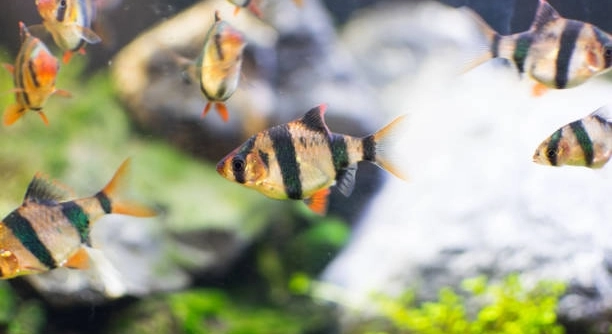
Are your tiger barbs displaying strange habits like chasing, glass surfing, or standing still for too long? You’re not alone. These small fish often surprise owners with behaviors that seem unusual or even alarming at first.
Tiger barbs are active and social fish, and their odd behaviors often stem from natural instincts, environmental factors, or social dynamics within the tank. Recognizing these behaviors can help ensure your tiger barbs remain healthy and stress-free.
Each behavior has a reason behind it, and understanding those reasons can help you care for your fish more confidently.
Chasing Tank Mates Constantly
Tiger barbs are known for their active nature, but constant chasing can signal a few things. This behavior is often related to hierarchy. These fish live in shoals, and chasing helps them establish a pecking order. It’s more noticeable if there aren’t enough tiger barbs in the tank. A small group can lead to stress and bullying. Keeping them in groups of six or more usually spreads out aggression. If they’re chasing other species, it may be because the tank mates are too slow or passive, which makes them easy targets. Tank size also matters. In a cramped space, tiger barbs become territorial and more aggressive. Adding plants and décor can help reduce stress by giving fish places to hide and retreat. Lastly, ensure the water quality is good. Poor water conditions can increase aggression, leading to more chasing. Addressing these factors will often reduce or stop the behavior completely.
Keep at least six tiger barbs together, and avoid pairing them with slow or long-finned fish like guppies or angelfish.
Pay attention to how often the chasing happens and whether it results in damage. Occasional chasing is natural, but frequent aggression may require changes in tank setup or stocking choices.
Glass Surfing at the Sides
Glass surfing is when a tiger barb repeatedly swims up and down along the tank walls.
This behavior can mean your tiger barb feels stressed, uncomfortable, or confused. A few possible reasons include poor water quality, lack of tank décor, or boredom. Sometimes they react to their reflection in the glass, mistaking it for another fish. This creates tension, especially if the barb is already feeling territorial. Inadequate tank conditions—like ammonia spikes or low oxygen—can also cause this repetitive swimming. Test your water regularly to rule this out. Another reason could be that the tank is too small or lacks enough stimulation. These fish are fast swimmers and need space and places to explore. Adding hiding spots, plants, or even rearranging the tank layout can make the environment feel safer and more engaging. Glass surfing is not just a quirky habit—it’s a sign that something may be off in their environment, and it’s worth taking time to correct it.
Nipping at Fins Repeatedly
Nipping is a common issue with tiger barbs, especially in tanks with slow or long-finned fish. This behavior is tied to their natural energy and social instincts.
When tiger barbs don’t have enough companions of their own kind, they often redirect their energy toward inappropriate tank mates. This leads to fin nipping, especially in species like bettas or angelfish. Keeping at least six tiger barbs helps them focus on each other instead of other fish. Overcrowding or lack of tank décor can make things worse by increasing stress and competition. A bare tank with no hiding spots gives timid fish nowhere to escape. Tank size matters too—if space is limited, aggression builds quickly. Stick to active, similarly sized tank mates like danios or other barbs. If your fish are still nipping, try rearranging the tank to reset territories or adding visual barriers like plants or driftwood.
Another thing that helps reduce nipping is feeding habits. Underfeeding or infrequent meals can make tiger barbs more aggressive. Feeding them small amounts more often—especially sinking foods that distract them—can ease this tension. A protein-rich diet keeps their energy focused on food instead of other fish. It also helps if you vary their meals with flakes, pellets, and occasional frozen options. Keeping them engaged during feeding time can limit how much time they spend bothering others. A mix of proper tank setup, group size, and regular feeding can reduce most of the nipping problems people face with tiger barbs.
Staying Still for Long Periods
If a tiger barb is staying still or hovering in place, it may not be resting—it could be stressed or unwell. Stillness isn’t typical for this species, which is usually active and social.
Check the water parameters first. Poor water quality is one of the most common reasons tiger barbs act differently. Low oxygen, high ammonia, or sudden pH changes can all lead to sluggish behavior. Make sure the tank has good circulation, and keep an air stone running if needed. A still tiger barb could also be reacting to a new environment or recent changes in tank mates. These fish don’t like sudden disruptions, and they may freeze up as a stress response. Illness is another possibility. Look for signs like faded color, torn fins, or rapid gill movement. If the fish is isolated from the group, it could be fighting off an infection or parasite. Early signs are easy to miss but can be serious.
Behavioral changes can also result from bullying or lack of stimulation. If the tiger barb is frequently picked on by others, it might withdraw and stay motionless. Rearranging the tank or adding more fish to balance aggression can help. Always give tiger barbs plenty of room to swim and rest. Keeping the tank well-lit during the day and dark at night helps them maintain a natural rhythm. When their basic needs are met and the environment is calm, tiger barbs tend to stay active and display more predictable behavior.
Jerky, Twitchy Swimming
Jerky or twitchy swimming often signals discomfort or irritation. It can be caused by sudden changes in water temperature or poor water quality. Parasites or external irritants may also cause fish to dart around or twitch their bodies frequently.
If the tank is new or recently cleaned, chemical residue or an uncycled filter might be stressing your tiger barbs. Check for chlorine, ammonia, or high nitrate levels. Also, look closely at the fish for signs of ich or flukes. Early treatment can prevent the behavior from getting worse or spreading to others.
Eating and Spitting Food Out
Tiger barbs sometimes take food in and spit it out, especially if the food is too large or hard to chew. They might also do this when stressed or unfamiliar with a new food. Try offering smaller, softer options like crushed flakes, thawed frozen foods, or soaked pellets. Watch how your fish react to each type and adjust the diet accordingly. If the food continues to be rejected, it may be spoiled or lacking nutrients. Offering a variety helps ensure they get what they need and reduces the chances of picky eating behavior continuing long-term.
Hovering Near the Filter
Staying near the filter can mean your tiger barb is seeking more oxygen or a calmer area. It’s often a sign that the rest of the tank feels stressful, too bright, or has poor water flow.
Why do tiger barbs chase each other so much?
Tiger barbs are naturally active and social fish that establish dominance through chasing. This behavior helps them create a social hierarchy within the group. When kept in small numbers or with slower fish, chasing becomes more intense and may look aggressive. Having at least six tiger barbs together balances their energy, reducing excessive chasing. Tank size and decorations also influence chasing—larger tanks with hiding spots reduce tension. Without enough companions or space, chasing can turn into bullying, which may stress your fish and cause injury. Monitoring group size and environment is key to managing this behavior effectively.
What causes tiger barbs to nip at other fish’s fins?
Fin nipping often results from boredom, stress, or insufficient group size. Tiger barbs are energetic and tend to redirect aggression towards slower or long-finned tank mates if they lack enough of their own species. Providing a proper-sized group of at least six tiger barbs helps minimize this. Overcrowding or lack of tank decorations increases stress and competition, which can worsen fin nipping. Also, feeding habits impact aggression—underfed or infrequently fed fish tend to nip more. A varied, frequent feeding routine and enriching the tank environment can reduce this unwanted behavior significantly.
Why do tiger barbs sometimes surf the glass?
Glass surfing occurs when fish swim rapidly along the tank walls, usually indicating stress or confusion. This may be caused by poor water quality, reflections on the glass mistaken for other fish, or boredom. Poor water conditions such as high ammonia or low oxygen can increase stress, leading to this behavior. A bare tank or small space limits hiding spots and stimulation, contributing to restlessness. Adding plants, décor, and maintaining stable water parameters helps lower stress and discourage glass surfing. It’s a sign your fish need a more comfortable environment.
What does it mean when tiger barbs stay still for a long time?
Stillness in tiger barbs is unusual and often signals stress, illness, or discomfort. Poor water quality is the most common cause—high ammonia, fluctuating pH, or low oxygen levels can make fish sluggish. Stress from bullying or sudden changes in tank conditions also causes inactivity. Illness such as parasites or infections may make a fish isolate itself and stop moving much. Observing physical signs like faded color or torn fins alongside stillness helps determine if medical treatment is needed. Improving tank conditions and ensuring a peaceful environment encourages normal activity levels.
Why do tiger barbs swim in a jerky or twitchy way?
Jerky swimming usually points to irritation or stress. Changes in water temperature or quality can cause this reaction. Parasites, like ich or flukes, often trigger twitching as the fish try to rid themselves of irritants. Chemical residues from cleaning or uncycled tanks may also cause discomfort. Testing water regularly and observing fish closely helps catch problems early. Treatment for parasites should be started quickly to prevent further harm. Maintaining stable water conditions and a clean tank reduces the chances of jerky swimming behavior.
Why do tiger barbs sometimes spit food out?
Spitting out food is common if the food is too large, hard to chew, or unfamiliar. Stress can also cause this behavior. Offering smaller, softer foods such as crushed flakes, soaked pellets, or thawed frozen items makes feeding easier for tiger barbs. Variety in diet prevents picky eating and ensures balanced nutrition. If food is spoiled or nutrient-poor, fish may reject it. Consistent feeding schedules and checking food quality help improve acceptance. Observing their eating habits can guide adjustments in diet for better health and less waste.
Is it normal for tiger barbs to hover near the filter?
Hovering near the filter often means the fish is seeking oxygen or calmer water areas. It may indicate poor water flow or low oxygen levels in other tank parts. Stress from bright lights, tank mates, or overcrowding can also push fish to stay near the filter. Ensuring good water circulation, adequate oxygenation, and a comfortable environment reduces this behavior. Adding an air stone or adjusting flow can make the whole tank more inviting. This habit signals that some aspect of the tank conditions needs attention for your tiger barb’s comfort.
Understanding the behaviors of tiger barbs helps provide better care for these lively fish. Many of their odd actions, such as chasing, fin nipping, or glass surfing, are natural but can be signs of stress or environmental issues. Recognizing the reasons behind these behaviors allows owners to make small changes that improve the fish’s well-being. Factors like tank size, water quality, group size, and tank mates all play important roles in how tiger barbs act. When these conditions are right, their natural behavior becomes less disruptive and more enjoyable to watch.
Keeping tiger barbs in a proper environment helps reduce many of their odd behaviors. A group of at least six barbs prevents excessive aggression and provides social balance. The tank should be spacious enough with hiding spots and plants to offer security and reduce stress. Regular water testing and maintenance are essential to keep the environment stable and healthy. Feeding a varied and nutritious diet also supports their energy and reduces aggression. Paying attention to their behavior and environment helps catch problems early and promotes a healthy tank community.
In summary, tiger barbs show a variety of behaviors that may seem strange but often have clear causes. Being aware of their natural instincts and environmental needs helps owners address these behaviors calmly and effectively. Proper care, including good water quality, suitable tank mates, and sufficient space, creates a comfortable home for tiger barbs. This leads to a more peaceful tank and fish that thrive. Understanding these factors makes caring for tiger barbs a more rewarding experience.

Hello,
If you enjoy the content that we create, please consider saying a "Thank You!" by leaving a tip.
Every little bit helps us continue crafting quality advice that supports the health, happiness, and well-being of pets around the world, for pets of all shapes, sizes, and species.
We really appreciate the kindness and support that you show us!