
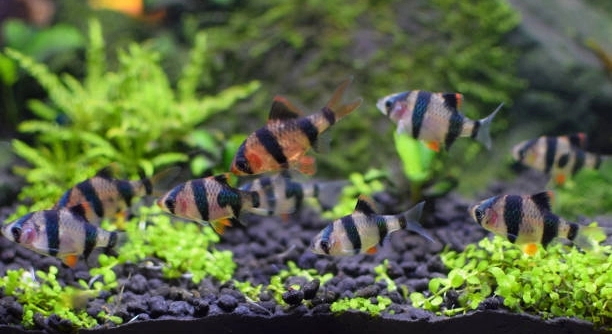
Tiger barbs are lively fish that thrive on a stable environment. Changes in their routine can cause stress and affect their behavior and health. Recognizing what disrupts their daily life is important for any aquarium keeper.
Common disruptions to a tiger barb’s routine include sudden changes in water temperature, poor water quality, irregular feeding schedules, overcrowding, improper tank mates, inconsistent lighting, and lack of hiding spaces. Each factor can negatively impact their well-being and cause stress-related issues.
Knowing these key disruptions will help maintain a healthy, peaceful aquarium for your tiger barbs. Understanding their needs supports their natural habits and overall happiness.
Sudden Changes in Water Temperature
Tiger barbs are sensitive to water temperature shifts. A sudden rise or drop can stress them and lead to health problems. Maintaining a stable temperature between 74°F and 79°F is essential. Rapid changes may cause lethargy, loss of appetite, or even disease. Aquariums near windows or heaters often face temperature fluctuations, which should be avoided. Consistent monitoring with a reliable thermometer helps keep the water steady. Adjustments in temperature should be gradual to allow fish time to adapt. Sudden changes disrupt their metabolism and behavior. This can weaken their immune system, making them vulnerable to infections. A stable environment ensures tiger barbs remain active and healthy, displaying their natural vibrant colors. Avoid placing tanks in drafty areas or near air conditioners. Water temperature plays a critical role in their overall well-being and daily routine.
Keeping temperature stable supports a calm and healthy environment for tiger barbs. Avoid sudden fluctuations to minimize stress and promote good health.
Temperature control is key to maintaining a tiger barb’s routine. Gradual adjustments, careful placement of the tank, and regular checks prevent stress and health issues. Using a heater with a thermostat ensures water stays within the ideal range. Seasonal changes outside the home also require attention to maintain stable conditions. Consistency in temperature helps tiger barbs maintain normal activity levels and feeding habits. A stable tank environment reduces aggressive behavior and supports proper growth. Knowing the importance of temperature control is vital to keeping tiger barbs comfortable and thriving in their aquarium habitat.
Irregular Feeding Schedules
Feeding tiger barbs at inconsistent times disrupts their natural routine. Regular feeding helps maintain their health and behavior.
Irregular feeding can cause stress and lead to overfeeding or underfeeding. Consistency in feeding times is essential. Tiger barbs thrive with small meals two to three times a day, avoiding leftover food that harms water quality. A balanced diet including flakes, pellets, and occasional live or frozen foods provides proper nutrition. Feeding at the same time daily reinforces their internal clock, encouraging healthy digestion and activity levels. Skipping meals or sudden changes in diet can cause digestive problems or aggression. Monitoring their appetite and adjusting portions prevents obesity and maintains water cleanliness. Keeping a strict feeding schedule is one of the simplest ways to support a tiger barb’s routine and well-being.
Overcrowding in the Tank
Overcrowding stresses tiger barbs and disrupts their routine. Too many fish in one tank leads to aggression and poor water quality.
A crowded tank limits swimming space and increases competition for food and territory. Tiger barbs may become aggressive or withdrawn under these conditions. Stress caused by overcrowding weakens their immune systems and can lead to illness. Maintaining a proper fish-to-water ratio is important. For tiger barbs, a general guideline is one inch of fish per gallon of water. Providing enough space helps reduce territorial disputes and allows natural behavior. Overcrowding also increases waste, making water maintenance more challenging. Keeping tank size appropriate ensures tiger barbs have room to swim and interact comfortably, supporting their health and daily habits.
A well-maintained tank with enough space keeps tiger barbs active and reduces stress. Regular monitoring of fish numbers helps maintain balance and routine.
Improper Tank Mates
Choosing unsuitable tank mates can disturb tiger barbs’ routine. Aggressive or slow-moving fish may cause conflicts or stress.
Tiger barbs are semi-aggressive and thrive best with similarly active fish. Housing them with peaceful, slow fish can lead to bullying or injury. Fish that nip fins or are territorial may increase stress levels for tiger barbs. Selecting compatible species like other barbs, danios, or small cichlids helps maintain harmony. Avoid slow swimmers or delicate species that may be overwhelmed. Tank mates should have similar water and temperature requirements to avoid sudden environmental changes. Properly chosen companions encourage natural schooling behavior and reduce anxiety. Compatibility plays a major role in maintaining a stable and peaceful aquarium environment for tiger barbs.
Inconsistent Lighting
Inconsistent lighting can confuse tiger barbs and disrupt their natural rhythm. A regular light schedule supports healthy behavior and growth.
Sudden changes or irregular light periods may cause stress and affect feeding and activity patterns. Using a timer helps maintain a consistent day-night cycle.
Poor Water Quality
Maintaining clean water is essential for tiger barbs’ health. Dirty water increases stress and risks infections. Regular water changes, proper filtration, and testing keep the environment safe. Poor water quality can cause lethargy, illness, and even death. Monitoring ammonia, nitrite, and nitrate levels prevents toxic buildup. A clean tank encourages natural behavior and supports their immune system, helping tiger barbs thrive.
Lack of Hiding Spaces
Tiger barbs need places to hide to feel secure. Without adequate cover, they become stressed and restless.
FAQ
What causes aggression in tiger barbs?
Aggression in tiger barbs is often caused by overcrowding, lack of hiding spots, or incompatible tank mates. When space is limited, they compete for territory and food. Stress from poor water quality or sudden environmental changes can also trigger aggressive behavior. Providing ample room and appropriate companions helps reduce fights.
How often should I feed tiger barbs?
Feeding tiger barbs two to three small meals daily is ideal. Consistent feeding times help maintain their routine and prevent overfeeding. Their diet should include flakes, pellets, and occasional live or frozen foods. Avoid leaving uneaten food to keep water quality high.
Can sudden water temperature changes kill tiger barbs?
Sudden temperature changes can seriously stress tiger barbs and weaken their immune system. While it may not kill them immediately, frequent fluctuations increase vulnerability to disease. Keeping water temperature stable and making gradual adjustments protect their health.
Why do tiger barbs nip fins?
Fin nipping is a natural behavior, especially in groups, but it can increase with stress or overcrowding. Insufficient space or incompatible tank mates also contribute. Ensuring enough room and compatible fish reduces this behavior and keeps the group peaceful.
How do I maintain good water quality for tiger barbs?
Regular water changes, proper filtration, and testing water parameters are essential. Remove uneaten food and waste to prevent toxin buildup. Keep ammonia and nitrite at zero and nitrates low. Consistent maintenance supports their health and routine.
What tank size is suitable for tiger barbs?
A minimum of 20 gallons is recommended for a small group of tiger barbs. They are active swimmers and need space to avoid stress and aggression. Larger tanks with proper filtration and hiding spots create a better environment for their routine.
Do tiger barbs need a specific light cycle?
Yes, maintaining a consistent light cycle of about 10-12 hours per day is important. Use timers to ensure regular day and night periods. Inconsistent lighting can disrupt their activity and feeding habits.
How many tiger barbs should be kept together?
Tiger barbs are schooling fish and should be kept in groups of at least six. Smaller groups can lead to increased aggression and stress. A larger school encourages natural behavior and reduces bullying within the group.
What are signs of stress in tiger barbs?
Signs include hiding excessively, loss of appetite, faded color, erratic swimming, or aggression. Stress often results from poor water quality, overcrowding, or sudden changes in environment. Identifying and correcting these issues helps restore their health.
Can tiger barbs live with other fish?
They can live with certain species, especially other active, semi-aggressive fish. Avoid slow or delicate species that may be bullied. Proper selection of tank mates ensures a balanced and peaceful aquarium.
How important are hiding spaces for tiger barbs?
Hiding spaces provide security and reduce stress. Plants, rocks, and decorations offer shelter and break lines of sight, which helps manage aggression. Lack of cover can cause restlessness and disrupt their routine.
What happens if feeding is irregular?
Irregular feeding leads to stress, digestive problems, and changes in behavior. Tiger barbs thrive on routine, and skipping or varying feeding times confuses their internal clock. Consistency promotes better health and activity.
How often should water be changed in a tiger barb tank?
Partial water changes of 20-30% weekly help maintain water quality. More frequent changes may be needed in crowded tanks. Regular maintenance prevents toxin buildup and supports a healthy environment.
Why do tiger barbs lose color?
Color fading can result from stress, poor water quality, inadequate diet, or illness. Stable conditions, good nutrition, and clean water help tiger barbs keep their bright, natural colors.
Are tiger barbs sensitive to noise or vibrations?
Yes, loud noises and vibrations can stress tiger barbs, causing erratic behavior or hiding. Placing the tank in a quiet, stable location minimizes disturbances and keeps their routine calm.
What is the best diet for tiger barbs?
A varied diet with high-quality flakes or pellets supplemented by live or frozen foods like bloodworms and brine shrimp ensures balanced nutrition. Proper diet supports growth, color, and overall health.
Can lighting affect tiger barbs’ health?
Improper lighting disrupts their natural day-night cycle, causing stress and irregular behavior. Consistent, moderate lighting with dark periods mimics their natural habitat and supports their routine.
How do I introduce new fish to a tiger barb tank?
Introduce new fish slowly by quarantining them first to avoid disease. Acclimate them gradually to the tank’s water conditions to reduce stress. Monitor interactions to prevent aggression.
Do tiger barbs need a filter with aeration?
Yes, a good filter maintains water quality and oxygen levels. Aeration helps circulation and provides a healthy environment. Proper filtration supports their health and routine.
What temperature range is safest for tiger barbs?
Maintaining water between 74°F and 79°F is safest. Temperatures outside this range can stress the fish, affect metabolism, and increase disease risk. Stable temperature control is crucial.
Final thoughts on caring for tiger barbs focus on the importance of maintaining a stable and healthy environment. These fish thrive best when their daily routine is consistent, with careful attention given to factors like water temperature, quality, and feeding schedules. Sudden changes or disruptions can cause stress, which affects their behavior and overall health. It is essential to monitor their tank regularly and provide the right conditions to support their natural habits. Paying attention to their environment helps prevent illness and aggressive behavior, creating a peaceful aquarium.
Creating a comfortable habitat means ensuring the tank is neither overcrowded nor filled with incompatible fish. Tiger barbs are active and semi-aggressive, so they need enough space and appropriate companions to avoid conflict. Providing hiding spots with plants and decorations also helps reduce stress by giving them places to retreat when needed. Regular water changes, consistent lighting, and a balanced diet complete the care routine. These measures work together to keep tiger barbs healthy and lively. When their environment is well-maintained, they show bright colors and natural behavior, making the aquarium enjoyable to watch.
Overall, maintaining a stable routine for tiger barbs requires attention to detail and commitment. Small changes can have big impacts on their well-being, so it is important to act quickly if signs of stress or illness appear. Observing their behavior daily helps identify problems early and ensures they get the care they need. Consistency in care supports a long and healthy life for these fish. By focusing on their basic needs and environment, tiger barbs will continue to thrive, providing a vibrant and dynamic presence in any home aquarium.

Hello,
If you enjoy the content that we create, please consider saying a "Thank You!" by leaving a tip.
Every little bit helps us continue crafting quality advice that supports the health, happiness, and well-being of pets around the world, for pets of all shapes, sizes, and species.
We really appreciate the kindness and support that you show us!