
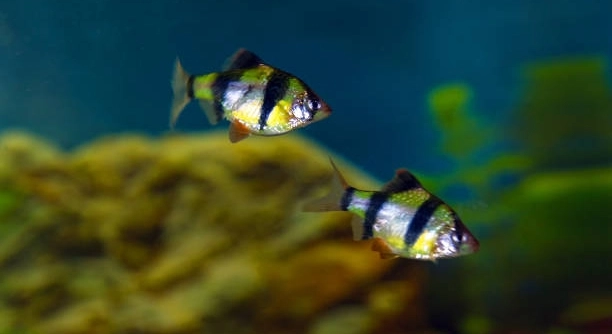
Tiger barbs are lively, colorful fish often chosen for home aquariums. They can brighten up a tank and offer an engaging experience for fish keepers. Many wonder how well these fish do when kept alone.
Tiger barbs can live alone, but they are naturally social and thrive better in groups. Keeping a single tiger barb may cause stress and unusual behavior, so their social needs should be carefully considered when housing them.
Learning about their social habits and care requirements will help you provide the best environment for your tiger barb’s health and happiness.
Social Nature of Tiger Barbs
Tiger barbs are naturally social fish that feel most comfortable when they have companions. In the wild, they swim in schools, which helps them feel secure and reduces stress. When kept alone, they may become shy or display odd behaviors like excessive hiding or aggression toward their reflections. A single tiger barb might also become bored or stressed, leading to a weaker immune system. To keep them healthy and happy, it is best to keep them in groups of at least six. This allows their natural social behaviors to emerge and keeps them active and playful. Observing a school of tiger barbs is much more enjoyable than watching just one fish swim alone.
Groups of tiger barbs encourage natural swimming patterns and reduce stress-related behaviors.
Understanding the social needs of tiger barbs helps create a balanced aquarium. While it is possible for one to live alone, the fish will likely do better with companions that encourage healthy, natural interactions. Tank mates also provide stimulation and help prevent loneliness. Without company, tiger barbs can become less vibrant and more prone to health issues. A well-planned group creates a lively tank environment and promotes better overall well-being.
Tank Size and Environment
A larger tank is better for keeping tiger barbs healthy and happy.
Tiger barbs need plenty of space to swim and explore. A tank of at least 20 gallons is recommended for a small group. This gives the fish room to swim freely and reduces territorial disputes. Adding plants, hiding spots, and decorations can mimic their natural habitat and provide places to rest. Clean water and proper filtration are also essential for their health. Regular water changes help keep the tank environment stable. Paying attention to these factors supports a thriving group of tiger barbs and prevents common stressors related to overcrowding or poor water quality.
Diet and Feeding
Tiger barbs eat a variety of foods including flakes, pellets, and live or frozen items. A balanced diet helps maintain their vibrant colors and energy levels.
It’s important to feed tiger barbs small amounts two to three times daily. Overfeeding can pollute the tank and harm water quality. Including protein-rich foods like bloodworms or brine shrimp supports growth and health. Vegetables such as blanched spinach or peas can also be offered occasionally for added nutrition. Providing a varied diet prevents boredom and promotes strong immune systems. Monitoring how much your tiger barbs eat ensures they get enough without leftover food decaying in the tank.
Feeding should match their natural diet, with a focus on balance and variety. Consistent feeding routines keep them active and healthy.
Tank Mates
Choosing the right tank mates is crucial for tiger barbs because of their semi-aggressive nature. They do well with other fast, similarly sized fish.
Avoid slow or long-finned species that tiger barbs may nip. Good companions include danios, barbs, and some tetras. These fish tolerate the tiger barbs’ active swimming and occasional fin-nipping. Avoid overcrowding the tank, which can increase aggression and stress. Introducing tank mates gradually helps prevent conflicts. A peaceful yet lively community tank suits tiger barbs best, balancing their energetic behavior with compatible companions. Observing interactions helps spot any aggression early and adjust the mix if needed to maintain harmony.
Tank Maintenance
Regular tank maintenance is essential to keep tiger barbs healthy. Weekly water changes of 20-25% help maintain water quality.
Cleaning the filter and removing debris prevent harmful buildup. Testing water parameters ensures safe living conditions. Consistent upkeep reduces stress and disease risks.
Behavior Observations
Watching your tiger barbs’ behavior can reveal their comfort level. Healthy fish swim actively and interact well with tank mates.
Signs of stress include hiding, lethargy, or fin damage. Early detection of problems allows prompt care adjustments and helps keep your fish thriving.
Lighting
Moderate lighting suits tiger barbs best. Bright lights can cause stress, while too little light may dull their colors. Balanced lighting helps mimic natural conditions.
FAQ
Can a tiger barb live alone?
Tiger barbs can survive alone, but they are social fish by nature. Without companions, they may become stressed or show odd behaviors such as aggression toward their own reflection. Keeping them in groups of six or more is best for their mental and physical health.
How many tiger barbs should be kept together?
A minimum of six tiger barbs is recommended. This helps spread out any aggressive behavior and allows the fish to swim and interact naturally. Smaller groups may lead to stress or fighting, as tiger barbs rely on social interaction.
What size tank is ideal for tiger barbs?
At least a 20-gallon tank is needed for a small group. This provides enough space for swimming and reduces territorial aggression. Bigger tanks offer a more stable environment and room for plants and decorations.
What do tiger barbs eat?
Tiger barbs are omnivores. They thrive on a mix of flakes, pellets, and occasional live or frozen foods like bloodworms or brine shrimp. Vegetables such as peas or spinach can be added for variety and extra nutrients.
Are tiger barbs aggressive?
They can be semi-aggressive, especially if kept in too small groups or crowded tanks. Aggression usually shows as fin-nipping or chasing. Keeping them in larger groups and with fast, sturdy tank mates helps reduce this behavior.
What tank mates work well with tiger barbs?
Good tank mates include fast swimmers and similarly sized fish such as danios, other barbs, and some tetras. Avoid slow-moving or long-finned species that can become targets for fin-nipping.
How often should I feed tiger barbs?
Feed small amounts two to three times a day. Overfeeding causes water quality problems and can harm the fish. Feeding a varied diet keeps them healthy and active.
How important is tank maintenance?
Very important. Regular water changes of 20-25% each week and cleaning the filter are necessary to keep water clean and safe. Testing water parameters regularly helps catch problems early.
Do tiger barbs need special lighting?
Moderate lighting is best. Bright lights may stress them, while low light can reduce their vibrant colors. Balanced lighting mimics their natural environment and supports their well-being.
Can tiger barbs live with other species?
Yes, but it’s important to choose compatible species. Fast, semi-aggressive fish are better tank mates. Avoid slow or long-finned fish to prevent fin-nipping and stress.
What signs show a stressed or unhealthy tiger barb?
Signs include hiding, loss of color, fin damage, lethargy, or loss of appetite. Early signs should prompt water testing and checking tank conditions. Prompt action helps prevent illness.
How long do tiger barbs typically live?
With proper care, tiger barbs live around 5 to 7 years. Good diet, clean water, and appropriate social groups contribute to a longer, healthier life.
Can a single tiger barb be aggressive?
Yes, a single tiger barb might act more aggressively out of boredom or stress. Having a group helps reduce this behavior by providing social interaction and distraction.
Is it necessary to have plants in the tank?
Plants are beneficial as they offer hiding places and make the environment more natural. They help reduce stress and improve water quality by absorbing nitrates.
What water parameters do tiger barbs need?
Ideal water temperature ranges from 74°F to 79°F (23°C to 26°C). The pH should be neutral to slightly acidic, around 6.5 to 7.5. Keeping parameters stable helps prevent stress and illness.
This FAQ covers common concerns and helps ensure your tiger barbs live a healthy and happy life.
Final Thoughts
Tiger barbs are lively and attractive fish that bring energy to any aquarium. While they can survive alone, it is clear that they do much better when kept in groups. Their social nature helps reduce stress and encourages natural behavior, which leads to healthier, happier fish. When considering keeping a single tiger barb, it is important to understand the possible challenges, such as boredom and aggression, that may arise. Providing companions or a well-planned community tank is the best way to support their well-being.
Proper care for tiger barbs involves more than just social needs. A suitable tank size, clean water, balanced diet, and compatible tank mates all play important roles in maintaining their health. Regular tank maintenance and monitoring water quality keep the environment safe and comfortable for them. Paying attention to their behavior and physical condition helps detect any early signs of illness or stress. Taking these steps ensures your tiger barbs will stay vibrant and active for years.
In summary, tiger barbs thrive in a well-maintained, social environment where their needs are met. While it may be tempting to keep just one due to space or budget limits, their natural instincts make group living far more beneficial. Investing time and effort into creating the right conditions pays off with a lively and rewarding aquarium experience. By understanding their needs and providing proper care, you can enjoy the beauty and personality of tiger barbs for a long time.

Hello,
If you enjoy the content that we create, please consider saying a "Thank You!" by leaving a tip.
Every little bit helps us continue crafting quality advice that supports the health, happiness, and well-being of pets around the world, for pets of all shapes, sizes, and species.
We really appreciate the kindness and support that you show us!