
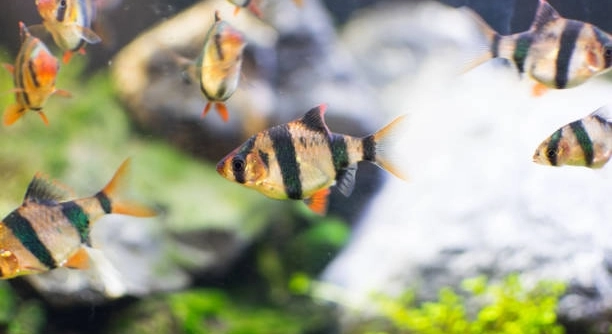
Tiger barbs are colorful freshwater fish popular in home aquariums. Their behavior changes noticeably before breeding. Watching these changes can help owners understand their fish better.
Before breeding, tiger barbs display unusual behaviors such as increased chasing, flaring their fins, color intensification, and repetitive swimming patterns. These actions signal readiness to mate and establish dominance among tank mates.
Observing these behaviors closely can improve your success in breeding tiger barbs and maintaining a healthy aquarium environment.
Increased Chasing and Nipping
Tiger barbs become more active and aggressive when they are ready to breed. You might notice them chasing each other around the tank more than usual. This chasing is part of their way to show dominance and attract mates. Males especially will nip at the females and other males to prove their strength. This behavior can seem rough but is natural. It helps them decide who gets to mate. Watching closely, you can see the males swim fast and often dart after females. This activity usually lasts for several days before actual spawning happens. It is important to keep an eye on the tank during this time to make sure no fish gets hurt badly. Providing hiding spots can help reduce stress for the less aggressive fish. This behavior marks the start of the breeding phase clearly.
Chasing and nipping increase mainly among males to establish breeding rights within the group.
Understanding this behavior helps prevent injury and supports a healthy breeding environment in your aquarium.
Flaring Fins and Color Changes
Before breeding, tiger barbs flare their fins to appear larger and more impressive. This display is part of their mating ritual. Males often show brighter colors, especially reds and oranges on their fins and bodies. This color intensification signals their health and readiness to females. Females also sometimes darken in color but less noticeably. Flaring fins and bright colors work together to attract mates and intimidate rivals. These changes are temporary and usually fade after spawning is complete. Watching these signs can tell you when breeding will happen soon. It also helps identify the dominant males in the tank. Maintaining good water quality and nutrition supports these natural color changes. When the fish look dull or stressed, breeding is less likely. Clear signs like fin flaring and color brightening show the breeding cycle is underway and that your tiger barbs are in good condition for spawning.
Repetitive Swimming Patterns
Tiger barbs often swim in circles or follow a set path before breeding. This behavior signals their readiness and helps them prepare for spawning. It may seem odd but is common in many fish species during mating periods.
This repetitive swimming is part of the courtship ritual. Males may swim closely around females, guiding or encouraging them toward the spawning site. It helps build a connection and synchronize their movements for egg laying. This behavior also serves to reduce tension in the group by focusing energy on a shared activity. Watching for these patterns can give you a clear sign that breeding is near. It’s helpful to have plants or spawning mops where eggs can be safely laid during this time.
The swimming paths may repeat for hours or days until actual spawning begins. These patterns show the natural rhythm tiger barbs follow in their reproductive cycle.
Nesting-Like Behavior
Tiger barbs don’t build nests but often show nesting-like behavior before breeding. They clean or pick at specific areas in the tank, preparing a safe spot for eggs. This cleaning helps remove debris or algae where eggs will attach. It also makes the area more attractive and secure for spawning. Both males and females may take part in this activity. This behavior is subtle but important, showing their instinct to protect offspring. Offering fine-leaved plants or spawning mats encourages this natural behavior. It also increases the chances of egg survival by giving them a good place to stick. Observing these small but focused actions gives insight into their breeding readiness and care for their young.
Increased Hiding
Tiger barbs sometimes hide more before breeding. This behavior helps reduce stress and avoid aggressive tank mates. It also allows the fish to rest before spawning.
Hiding spots like plants or decorations become important during this time. They provide safe places for shy or weaker fish to stay protected.
Body Quivering
Before spawning, tiger barbs often show body quivering. This shaking motion helps loosen eggs from females and stimulates the males to release sperm. It is a key part of the mating process.
This quivering usually happens near a chosen spawning site, like plants or spawning mops. It is brief but frequent, lasting just a few seconds each time. Watching for this behavior indicates breeding is actively happening or about to begin.
Flashing Colors
Tiger barbs may flash bright colors suddenly. This quick color change is a signal to mates and rivals, showing excitement or readiness to spawn.
Final Movements
Before spawning, tiger barbs make small but quick movements. These final actions prepare them to release eggs and sperm almost immediately afterward.
FAQ
Why do tiger barbs chase each other so much before breeding?
Chasing is a natural way for tiger barbs to show dominance and attract mates. Males often chase females and other males to prove their strength. This behavior helps decide who gets to breed. It can look aggressive but is normal during breeding times. Providing hiding spots in the tank can reduce stress caused by chasing.
How can I tell if tiger barbs are ready to spawn?
Signs include increased chasing, fin flaring, brighter colors, repetitive swimming, and body quivering. Males will show more intense colors and flare their fins to impress females. Females may look fuller in the belly. These behaviors often happen over several days leading up to spawning.
Do tiger barbs build nests for their eggs?
No, tiger barbs don’t build nests. Instead, they clean and prepare flat surfaces or plants for egg laying. This “nesting-like” behavior helps keep the eggs safe and attached. Providing fine-leaved plants or spawning mops encourages this natural habit.
What should I do to encourage breeding in tiger barbs?
Keep the tank clean with good water quality and temperature around 78-82°F (25-28°C). Provide plenty of plants or spawning mats for egg laying. Feed the fish a nutritious diet to boost health. Reduce stress by avoiding overcrowding and providing hiding spaces.
How long does it take for tiger barb eggs to hatch?
Tiger barb eggs usually hatch within 24 to 36 hours after being laid. The fry become free-swimming in about 3 to 5 days. During this time, parents may eat the eggs, so it’s best to separate the adults if possible to protect the young.
Will tiger barbs eat their own eggs or fry?
Yes, tiger barbs may eat their eggs or fry if given the chance. This is common in many fish species. To increase survival rates, it is best to remove the adults after spawning or set up a breeding tank.
What does fin flaring mean in tiger barbs?
Fin flaring is a display used by males to look larger and attract females. It is also a way to intimidate rival males. This behavior is a strong indicator of breeding readiness and dominance in the tank.
Can all tiger barbs in the tank breed at the same time?
Not necessarily. Breeding readiness varies among individuals. Some may show signs earlier while others take more time. Providing a healthy environment encourages more fish to breed, but timing will differ.
How important is diet for breeding tiger barbs?
Diet is very important. High-quality, protein-rich foods help improve fish health and boost breeding chances. Live or frozen foods like brine shrimp or bloodworms are great for conditioning tiger barbs before breeding.
Are there any signs that tiger barbs are stressed during breeding?
Signs of stress include hiding excessively, loss of color, reduced appetite, and injury from chasing. Stress can prevent successful breeding, so it’s important to monitor behavior and keep the environment calm.
What role does water temperature play in breeding?
Water temperature affects breeding activity. Tiger barbs breed best between 78°F and 82°F. Warmer water encourages spawning, but temperatures too high or low can cause stress and reduce breeding success.
How can I care for tiger barb fry after hatching?
Feed fry with tiny foods like infusoria or specially made fry food. Keep water clean and avoid strong currents. Fry are delicate, so gentle care and good water conditions help them grow strong.
Can tiger barbs breed in community tanks?
Breeding in community tanks is possible but tricky. Eggs and fry risk being eaten by other fish. If breeding is your goal, a separate breeding tank is recommended for better survival chances.
What causes color changes in tiger barbs before breeding?
Color changes happen due to hormonal shifts related to mating readiness. Males become brighter to attract females and show dominance. This change is temporary and fades after breeding.
How long does the breeding phase last?
The breeding phase, including all behaviors before and after spawning, can last from a few days to a week. Activity peaks around spawning and slows down once eggs are laid.
Is it normal for tiger barbs to become aggressive only during breeding?
Yes, aggression usually increases during breeding due to competition for mates. Outside this period, tiger barbs are less aggressive, especially if the tank is spacious and well-maintained.
Final Thoughts
Understanding the behaviors tiger barbs show before breeding can help you create a better environment for them. These fish have many unique actions that signal their readiness to mate, such as chasing, fin flaring, and changing colors. By recognizing these signs, you can know when breeding is about to happen and prepare your tank accordingly. This knowledge allows you to reduce stress for your fish and improve the chances of successful spawning. Watching their behavior closely also helps you learn more about their natural instincts and how they interact with each other.
Providing the right conditions is key to encouraging tiger barbs to breed. Keeping the water clean and maintaining the proper temperature are important steps. A temperature between 78°F and 82°F is best for breeding activity. Adding plants or spawning mats gives the fish safe places to lay eggs and protects the young fry. Feeding the fish a nutritious diet with protein-rich foods supports their health and breeding readiness. It is also helpful to provide hiding spots in the tank, especially during the aggressive chasing phase, to reduce injuries and stress among the fish.
Breeding tiger barbs can be rewarding but requires patience and care. Some behaviors, like chasing and aggression, are natural but need to be managed carefully to avoid harm. Separating the adults after spawning can help protect the eggs and fry. Paying attention to the subtle signals your fish show, like repetitive swimming or body quivering, can give you clues about their breeding stage. Overall, observing and understanding these behaviors helps create a healthier, more peaceful aquarium and increases the chances of raising healthy tiger barb fry.

Hello,
If you enjoy the content that we create, please consider saying a "Thank You!" by leaving a tip.
Every little bit helps us continue crafting quality advice that supports the health, happiness, and well-being of pets around the world, for pets of all shapes, sizes, and species.
We really appreciate the kindness and support that you show us!