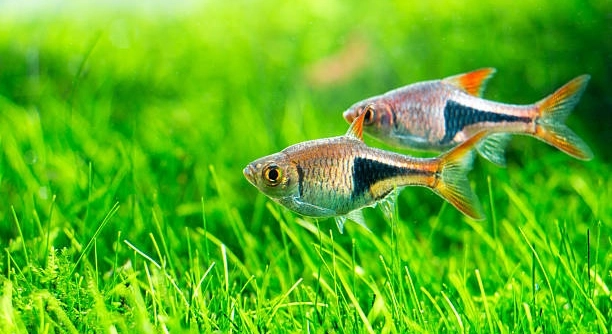
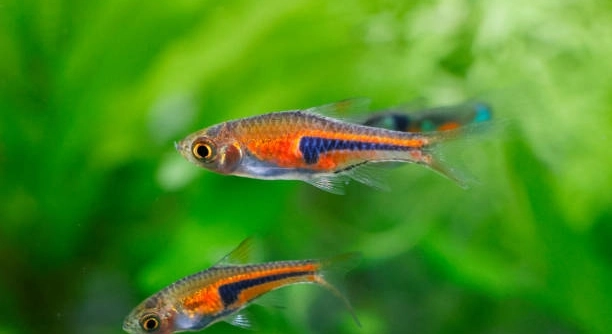
7 Benefits of Adding Live Plants to Their Tank
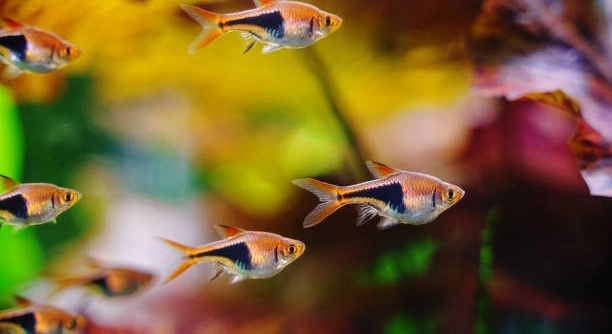
Adding live plants to a fish tank can transform its appearance and environment. They provide more than decoration, creating a calming and natural habitat that benefits both the fish and the overall aquarium ecosystem. Incorporating live plants into an aquarium improves water quality, reduces algae growth, and provides shelter for fish. Plants enhance oxygen levels, … Read more

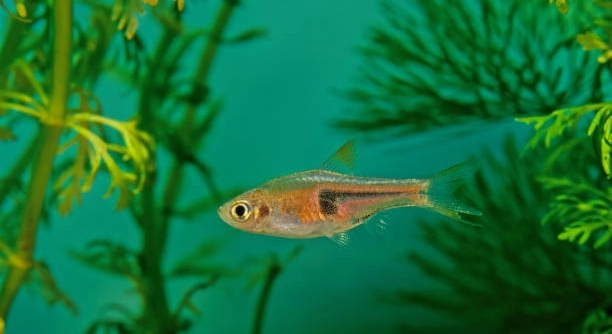
7 Simple Upgrades to Enrich Rasbora Life

Are your rasboras swimming in a tank that feels a little empty or uninspiring? Many aquarists often overlook how small changes in their aquarium setup can significantly improve the daily life of these lively fish. Simple upgrades can greatly enhance the well-being of rasboras. Introducing plants, adjusting tank décor, optimizing water conditions, and providing varied … Read more

7 Beginner Setup Tips for New Rasbora Tanks

Setting up a new Rasbora tank can feel exciting yet challenging for first-time fishkeepers. Ensuring the environment is suitable for these small, active fish requires attention to detail, proper planning, and a few essential preparations before introducing your fish. The key to a successful beginner Rasbora tank lies in proper tank size, water parameters, filtration, … Read more

Do Rasboras Like Plants? (What to Add)

Rasboras are small, peaceful fish that often live in planted aquariums. They enjoy gentle currents and open spaces, but adding greenery can create a more natural and comfortable environment for them. Many hobbyists consider plants essential. Rasboras thrive in aquariums with live or artificial plants that provide shelter and mimic their natural habitats. Plants help … Read more

What Makes Rasboras Act Nervous?

Rasboras are small, lively fish that often display sudden bursts of movement. They swim in tight groups and react quickly to changes in their surroundings, making them appear constantly on edge and alert. Rasboras exhibit nervous behavior primarily due to environmental stressors, including sudden changes in water temperature, poor water quality, overcrowding, and the presence … Read more

Can Rasboras Get Used to Routine Changes?

Do you ever notice how your rasboras react when their feeding schedule changes or when you rearrange their tank decorations? These small fish may seem delicate, yet they can adapt to gradual changes in their environment. Rasboras can adjust to routine changes if these adjustments are introduced slowly and consistently. Sudden alterations in feeding times, … Read more

Do Rasboras Dislike Strong Water Movement?

Rasboras are small, active fish that thrive in calm, well-maintained aquariums. Their gentle nature and delicate fins make them sensitive to environmental changes, including water currents. Understanding their comfort zones helps create a stable, stress-free habitat for these lively swimmers. Rasboras generally dislike strong water movement as it can cause stress and fatigue. Excessive currents … Read more

Are Rasboras Affected by Loud Music?

Are your home aquariums filled with vibrant rasboras that brighten your space? These small, active fish bring life to any tank, creating a peaceful and lively atmosphere for both beginners and experienced fish keepers alike. Loud music can affect rasboras by inducing stress and altering their natural behavior. Continuous exposure to high decibel sounds may … Read more

7 Quick Fixes for Nervous Rasboras

Are your neon tetras or other small fish acting jumpy and skittish in the tank? Nervous rasboras are sensitive creatures, and even minor changes in their environment can trigger stress and erratic behavior. Addressing nervous behavior in rasboras requires attention to water parameters, tank setup, and social conditions. Maintaining stable temperature, proper filtration, gentle lighting, … Read more

What Makes Rasboras Group Tightly?

Rasboras are small, colorful fish that often move together in water, creating an elegant display. Their coordinated swimming and gentle movements make them a popular choice for community aquariums, where their behavior adds liveliness and harmony. Rasboras form tight groups primarily due to instinctive shoaling behavior, which provides protection against predators and increases foraging efficiency. … Read more