
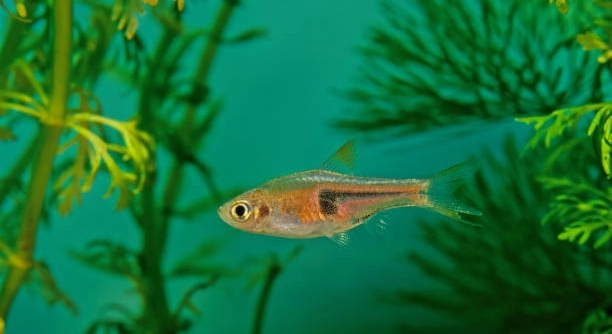
Rasboras are small, lively fish that often display sudden bursts of movement. They swim in tight groups and react quickly to changes in their surroundings, making them appear constantly on edge and alert.
Rasboras exhibit nervous behavior primarily due to environmental stressors, including sudden changes in water temperature, poor water quality, overcrowding, and the presence of perceived threats or aggressive tank mates. These factors significantly influence their behavior and overall well-being.
Understanding these triggers can help create a calmer environment for your fish, promoting healthier behavior and a more peaceful aquarium atmosphere.
Environmental Stressors
Rasboras are highly sensitive to their surroundings. Even small changes in water temperature or pH levels can make them swim erratically or hide more than usual. Bright lights, sudden movements outside the tank, or loud noises nearby can also trigger their nervous reactions. Overcrowding is another factor that adds to their stress, as these fish prefer to swim in groups but still need enough space to move freely. Providing plants, hiding spots, and open swimming areas can help reduce anxiety and encourage natural schooling behavior. Observing their behavior closely allows you to notice subtle signs of stress before it escalates. Feeding routines also play a role; inconsistent feeding or overfeeding can upset the balance in their tank, making them more jittery. Taking small steps to stabilize their environment ensures they remain calm and active. Regular water testing and gentle tank maintenance are essential practices for maintaining their well-being and reducing unnecessary stress.
Nervous behavior often decreases when tanks are stable and properly maintained, allowing Rasboras to swim confidently.
Maintaining stable water conditions is vital for Rasboras. Water temperature should stay consistent, usually between 22-28°C, and ammonia or nitrite levels must remain at zero. Providing hiding spots and a well-planted tank helps them feel secure, while gentle lighting reduces sudden stress. Proper spacing prevents overcrowding, letting them swim naturally without feeling threatened. Gradual adjustments in the environment prevent shocks that can trigger panic, and keeping a steady feeding schedule supports their routine. By monitoring their reactions to changes, owners can quickly correct potential issues. Over time, these measures foster calmer fish, improving their health and interactions. Nervous behavior often signals a need for attention to tank conditions, and addressing these factors strengthens the overall environment.
Predators and Perceived Threats
Rasboras react strongly to movement or shadows near the tank. Sudden appearances or larger fish nearby increase their alertness and cause quick, darting movements.
Even in a safe tank, Rasboras can feel threatened by larger tank mates or objects that resemble predators. Their schooling instinct heightens this response; when one fish becomes startled, the others follow, creating a chain reaction of nervous swimming. This behavior is natural and protective but can become exhausting if constant. Providing adequate hiding spaces, such as dense plants or decorative shelters, allows them to retreat when they feel unsafe. Observing how different tank mates interact is crucial—peaceful companions reduce stress, while aggressive or territorial species increase it. Small environmental adjustments, like rearranging decorations to break up open areas or dimming lights during the day, can also lower perceived threats. Consistently maintaining a calm environment helps Rasboras feel secure, promoting healthier activity and stronger schooling behavior while minimizing panic responses.
Water Quality Issues
Poor water quality immediately affects Rasboras’ behavior. High ammonia, nitrite, or nitrate levels cause stress, making them swim frantically or hide more often than usual.
Maintaining clean water is essential for their health. Frequent water changes, typically 20-30% weekly, help keep toxins low. Monitoring pH, hardness, and temperature ensures their environment remains stable. Filters should run efficiently, and debris should be removed to prevent water contamination. Even small fluctuations in chemical levels can trigger nervous reactions, so testing regularly allows early intervention. Stress from poor water quality can weaken their immune system, making them more susceptible to disease. Healthy water supports natural behavior, calmer movement, and consistent schooling patterns.
Uneven water temperature also contributes to nervous behavior. Sudden drops or rises can shock them, causing erratic swimming. Using a reliable heater and thermometer helps maintain steady conditions. Proper aeration ensures oxygen levels remain sufficient, reducing agitation. Observing their swimming and feeding habits offers insight into water quality issues.
Tank Size and Space
Cramped tanks increase stress and nervous behavior in Rasboras. They require open areas to swim freely along with hiding spots for security.
Rasboras thrive in medium to large tanks where they can form natural schools without feeling overcrowded. Small tanks limit movement, increasing collisions and panic responses. Decorations and plants should provide cover without reducing swimming space. Proper spacing between tank mates prevents aggressive interactions that can trigger stress. Overcrowding disrupts natural behavior, making them more skittish and prone to darting around the tank. Monitoring group size and tank dimensions helps maintain a balanced environment. A spacious tank reduces tension, encouraging calmer schooling and normal activity.
Providing enough space also impacts feeding behavior. In crowded tanks, some fish may compete aggressively, creating anxiety. Separate feeding zones and scattered food help reduce stress. Regularly assessing tank population ensures growth or additions do not compromise available space. Maintaining the right environment supports healthy social interactions and decreases constant nervous reactions.
Lighting and Noise
Bright lights or sudden changes in lighting can make Rasboras anxious. Consistent, gentle lighting helps them feel secure and reduces erratic movements.
Loud noises near the tank, like slamming doors or talking loudly, can startle them. Keeping the tank in a quiet area minimizes unnecessary stress and supports calmer behavior.
Incompatible Tank Mates
Rasboras react nervously around aggressive or larger fish. Territorial species can intimidate them, causing constant darting and hiding. Proper selection of peaceful companions is essential to maintain a calm tank environment and allow natural schooling behavior without unnecessary stress.
Feeding Habits
Irregular feeding schedules or overfeeding can unsettle Rasboras. They thrive on consistent routines and measured portions to avoid competition and maintain a sense of security in the tank.
FAQ
Why do my Rasboras swim frantically at times?
Rasboras swim frantically when they feel threatened or stressed. Sudden movements outside the tank, shadows, loud noises, or aggressive tank mates can trigger this behavior. Ensuring a calm environment, stable water conditions, and peaceful companions helps reduce frantic swimming and promotes natural schooling.
How can I tell if my Rasboras are stressed?
Signs of stress include darting around the tank, hiding more than usual, loss of appetite, and faded coloration. Consistent observation is key. Monitoring their behavior after water changes, feeding, or adding new tank mates helps identify potential stressors before they affect health.
What water conditions are best for calm Rasboras?
Rasboras thrive in slightly acidic to neutral water, with a pH between 6.5 and 7.5. Temperature should remain stable, ideally between 22-28°C. Ammonia and nitrite must be zero, and nitrates kept low. Regular water testing and partial water changes maintain these optimal conditions.
Does tank size affect their nervous behavior?
Yes. Small, crowded tanks increase stress, causing constant darting and hiding. Rasboras need space to school naturally and swim freely. Plants and decorations should provide hiding spots without restricting movement. Proper tank size supports calm behavior and reduces competition among fish.
Can lighting impact their mood?
Absolutely. Bright or inconsistent lighting can make Rasboras anxious. Gentle, consistent lighting mimics their natural environment and helps them feel secure. Avoid sudden changes in light intensity and consider floating plants or shaded areas for retreat when the tank is exposed to strong light.
Do tank mates influence Rasboras’ behavior?
Yes, significantly. Aggressive or larger fish can intimidate Rasboras, causing nervous behavior. Peaceful community fish are better companions. Observing interactions between species ensures everyone coexists safely. Properly chosen tank mates help maintain calm schooling and reduce stress-induced panic.
How often should I feed them to reduce anxiety?
Feeding should be consistent, ideally once or twice a day, with small portions they can finish in a few minutes. Overfeeding or irregular schedules increases stress and competition. Scattering food across the tank helps all Rasboras access it without feeling threatened.
Will decorations and plants help calm them?
Yes. Plants and decorations provide hiding spots and break up open spaces, making Rasboras feel secure. Dense plants, caves, and low decorations reduce exposure to perceived threats. A well-structured tank encourages natural behavior and lessens constant nervous movements.
Can water movement affect their behavior?
Strong currents can make Rasboras anxious, as they prefer gentle water flow. Filters should provide adequate circulation without creating excessive turbulence. Calm water allows smoother schooling and less frantic swimming, supporting overall health and reducing stress.
Are there any signs of long-term stress I should watch for?
Long-term stress can show as faded colors, slower swimming, frequent hiding, or weakened immunity. Stress over extended periods can lead to disease or early death. Maintaining proper water quality, peaceful tank mates, and a stable environment is essential to prevent chronic stress in Rasboras.
What small adjustments can make them calmer immediately?
Simple changes like reducing light intensity, adding plants or decorations, moving the tank to a quieter area, and ensuring stable water conditions can calm Rasboras quickly. Observing their reactions to adjustments allows you to fine-tune the environment for optimal comfort and natural behavior.
How important is group size for Rasboras?
Rasboras are schooling fish and feel safest in groups of at least six. Small numbers increase anxiety, while larger groups help them feel secure and display natural movement patterns. Proper group size minimizes nervous behavior and encourages harmonious interactions.
Can temperature swings make them nervous?
Yes. Sudden rises or drops in water temperature cause stress and erratic swimming. Using a reliable heater and monitoring temperature regularly ensures stability. Gradual adjustments, if needed, prevent panic responses and maintain healthy, calm behavior.
Are there any dietary tips to keep them relaxed?
Balanced nutrition supports overall health and reduces stress. High-quality flakes, micro-pellets, and occasional live or frozen food ensure Rasboras get proper nutrients. Avoid overfeeding and maintain a consistent feeding schedule to keep them calm and energetic.
How often should I test water to keep them stress-free?
Testing water weekly is recommended. Monitor pH, ammonia, nitrite, nitrate, and temperature regularly. Early detection of imbalances prevents stress-induced nervous behavior. Consistent water maintenance and gradual adjustments create a stable, safe environment for Rasboras.
Will introducing new fish affect their stress levels?
Yes, new tank mates can trigger nervous behavior temporarily. Introduce fish slowly, preferably in quarantine first. Rearranging decorations before adding newcomers can reduce territorial disputes. Monitoring reactions helps integrate new fish smoothly without long-term stress.
Are there any behavioral signs that indicate a healthy Rasbora?
Healthy Rasboras swim smoothly in schools, have vibrant colors, eat consistently, and interact peacefully with tank mates. Calm, coordinated movement and responsive but not frantic behavior indicate a well-maintained tank and minimal stress. Observing these signs ensures they are thriving.
Do Rasboras get stressed from sudden movements outside the tank?
Yes. Rapid movements or shadows from people or objects outside the tank can trigger quick, nervous swimming. Placing the tank in a low-traffic area or using plants to block sudden disturbances reduces their stress and promotes calmer behavior.
Can rearranging the tank help reduce nervousness?
Occasionally, yes. Strategic rearrangement of plants and decorations can break up open areas and provide new hiding spots. However, changes should be gradual to avoid shocking the fish. This can refresh their environment and help them feel more secure without adding unnecessary stress.
How can I encourage natural schooling behavior?
Providing adequate group size, open swimming areas, and gentle water flow encourages natural schooling. Peaceful tank mates and hiding spots reduce distractions, allowing Rasboras to move confidently and interact naturally, minimizing nervous reactions.
Is it normal for Rasboras to hide frequently?
Frequent hiding can indicate stress or discomfort. Adequate hiding spots are essential, but excessive hiding may point to water quality issues, aggressive tank mates, or overcrowding. Monitoring and adjusting environmental factors helps them feel safe and promotes balanced activity.
What immediate steps help calm overly nervous Rasboras?
Reduce lighting, maintain water quality, ensure quiet surroundings, add plants or shelters, and monitor tank mates. Gradual, small adjustments can soothe Rasboras quickly, restoring calm schooling and more relaxed behavior.
Rasboras are small, delicate fish that react quickly to their environment. Their nervous behavior often reflects how comfortable or stressed they feel in the tank. Factors like water quality, tank size, lighting, and companions all play a role in how calm they appear. Observing their daily behavior is important, as it helps identify problems before they affect health. Even subtle signs, like sudden darting, hiding more than usual, or refusing food, can indicate stress. Making small adjustments to water conditions, reducing noise and light changes, and providing adequate space can have a noticeable effect on their mood. Consistency in maintenance routines is key, as frequent or sudden changes can unsettle them, while steady care builds confidence in the environment.
Creating a peaceful aquarium involves more than just filling a tank with water and fish. Plants, decorations, and open swimming areas all contribute to a sense of security. Dense plants or small hiding spots give Rasboras places to retreat if they feel threatened, while open areas let them school naturally. Proper tank mates are equally important. Aggressive or larger fish can make them constantly anxious, while calm, compatible companions encourage natural, relaxed behavior. Feeding routines also matter. Consistent schedules and balanced portions prevent competition and help them feel safe during meals. Temperature stability, gentle water flow, and monitoring chemical levels create a predictable environment, which significantly reduces nervous behavior. Over time, these combined efforts improve their overall health and allow them to thrive, showing vibrant colors and smooth, coordinated swimming.
Understanding Rasboras’ needs takes attention and patience. Their nervous behavior is not just a quirk but a signal from the fish that something may need adjusting. By observing closely, maintaining a stable environment, and making thoughtful changes, owners can provide a comfortable space for them to grow and move naturally. Small steps, like adjusting lighting, rearranging decorations, or reducing sudden disturbances, can make a big difference in how they respond to the tank. Consistent care supports their immune system, reduces stress, and allows them to enjoy natural schooling without constant panic. Rasboras are rewarding to keep when their environment meets their needs. Paying attention to their reactions and responding appropriately ensures they remain active, healthy, and calm, creating a balanced and enjoyable aquarium for both the fish and the owner.

Hello,
If you enjoy the content that we create, please consider saying a "Thank You!" by leaving a tip.
Every little bit helps us continue crafting quality advice that supports the health, happiness, and well-being of pets around the world, for pets of all shapes, sizes, and species.
We really appreciate the kindness and support that you show us!