
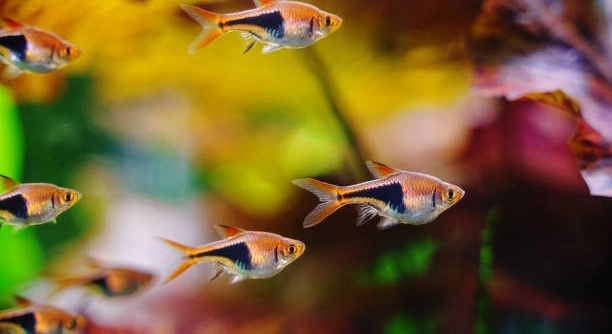
Adding live plants to a fish tank can transform its appearance and environment. They provide more than decoration, creating a calming and natural habitat that benefits both the fish and the overall aquarium ecosystem.
Incorporating live plants into an aquarium improves water quality, reduces algae growth, and provides shelter for fish. Plants enhance oxygen levels, support natural behaviors, and contribute to a balanced ecosystem, promoting healthier, more active, and less stressed aquatic life.
These benefits make live plants an essential addition, enhancing both the beauty and functionality of any aquarium setup.
Improved Water Quality
Live plants naturally filter the water by absorbing harmful substances like nitrates and ammonia. This process reduces the need for frequent water changes and keeps the tank healthier for fish. Over time, tanks with live plants tend to have more stable water parameters. Fish also experience less stress when they live in a cleaner, more balanced environment. Additionally, some plants can help prevent the growth of algae by competing for the same nutrients, keeping the aquarium clearer and more visually appealing. By carefully selecting the right species and maintaining them, aquarists can create a thriving ecosystem that benefits both plants and fish, making the aquarium easier to manage. Live plants also contribute to oxygenation during daylight hours, supporting the fish’s respiration. Choosing low-maintenance plants allows even beginners to experience these benefits without overwhelming upkeep. Overall, healthy plants mean a healthier, more vibrant tank that requires less effort to maintain consistently.
Tanks with live plants maintain better chemical balance, creating a stable, cleaner environment. Fish feel calmer and more comfortable.
Proper plant selection, regular trimming, and occasional fertilization ensure sustained benefits. Even simple care routines significantly improve water clarity and quality, leading to a vibrant and balanced aquarium ecosystem.
Natural Shelter and Hiding Spots
Fish often need areas to hide or rest, and plants provide this naturally.
Providing shelter reduces stress, which can prevent illness and aggressive behavior. Fish use plants to escape predators, establish territory, or lay eggs. Dense foliage allows shy or smaller fish to thrive without constant exposure to larger, more dominant species. Plants like Java moss, Anubias, or Amazon swords create layers of cover at different heights, accommodating multiple species within the same tank. Hiding spaces also mimic natural habitats, making fish behavior more natural and active. During nighttime or stressful situations, plants give fish a safe retreat, improving their overall well-being. Additionally, plants can act as a buffer, softening water currents and creating microenvironments where fish feel secure. Over time, observing fish interact with plants shows more natural behaviors, feeding patterns, and social interactions. Maintaining these shelters is simple: regular trimming and strategic planting ensure both accessibility and aesthetics, keeping the tank functional and visually pleasing.
Hiding spots improve fish health by reducing stress and encouraging natural behaviors. Dense foliage supports multiple species comfortably.
Reduced Algae Growth
Live plants compete with algae for nutrients, naturally limiting its growth. By occupying the same resources, plants prevent algae from overtaking the tank, keeping it cleaner and more visually appealing.
Healthy plants absorb nitrates and phosphates efficiently, reducing the excess nutrients that algae thrive on. By maintaining a balanced ecosystem, plants create conditions less favorable for algae blooms. Dense foliage shades parts of the aquarium, limiting light exposure where algae would normally flourish. Regular trimming and plant care keep nutrient uptake consistent, further preventing algae from spreading. Combining fast-growing species with slow growers ensures continuous competition for nutrients, discouraging algae from establishing strong roots. This natural approach reduces the need for chemical treatments, which can sometimes harm sensitive fish or invertebrates. Over time, tanks with live plants develop a more stable biological environment, keeping algae manageable and maintaining water clarity. Choosing species suited to your tank’s lighting and water conditions maximizes their effectiveness against algae.
Proper plant management and nutrient control are key to keeping algae in check while supporting a healthy, balanced aquarium ecosystem.
Maintaining a mix of slow and fast-growing plants ensures continuous nutrient absorption, preventing algae from gaining a foothold and keeping the tank visually clean.
Enhanced Oxygen Levels
Plants release oxygen during photosynthesis, improving water conditions for fish. Increased oxygen supports respiration and overall tank health.
Oxygen-rich water encourages more active and healthier fish. During daylight hours, plants release oxygen into the water while consuming carbon dioxide. This balance improves circulation and stabilizes dissolved oxygen levels. Fish benefit from higher oxygen concentrations, particularly species that are more sensitive or active. Proper plant placement and density allow optimal oxygen distribution throughout the tank. Even subtle adjustments, like trimming or repositioning plants, can enhance water movement and aeration. Additionally, plants help maintain consistent oxygen levels overnight by reducing nutrient buildup that could otherwise lower water quality. Selecting hardy, oxygen-producing species ensures consistent benefits with minimal maintenance, creating a stable environment where fish can thrive naturally.
Healthy oxygen levels promote fish vitality, reduce stress, and support stable water conditions, making the tank a more sustainable habitat.
Plants that thrive under the tank’s light schedule ensure consistent oxygen production, benefiting all fish and maintaining a balanced aquatic environment.
Natural Aesthetic Appeal
Live plants bring color and movement to a tank, creating a more dynamic and natural environment. Their presence makes the aquarium visually pleasing and more enjoyable to watch daily.
Varied leaf shapes, textures, and heights add depth, transforming simple setups into vibrant underwater landscapes.
Stress Reduction for Fish
Plants provide hiding spots and calm spaces, reducing fish stress. A less stressful environment encourages natural behavior and healthier growth.
Dense foliage allows shy or smaller fish to retreat when feeling threatened. This reduces aggressive encounters and supports a balanced social structure among tank inhabitants. Fish in planted tanks often display more confidence and natural interactions, improving their overall well-being. By offering consistent shelter and familiar spaces, plants help fish feel secure, which can prevent illness and promote longer lifespans. Maintaining a variety of plants ensures that all species have access to adequate cover, supporting the overall harmony of the aquarium ecosystem.
Encourages Natural Behavior
Live plants allow fish to forage, hide, and explore naturally, promoting more active and engaging behavior.
FAQ
How often should I trim my live plants?
Trimming depends on the plant species and growth rate. Fast-growing plants may need weekly trimming, while slow-growing species may only require attention monthly. Regular trimming prevents overcrowding, keeps plants healthy, and maintains open swimming space for fish. Removing dead or decaying leaves also helps prevent water quality issues.
Can all fish live with live plants?
Most freshwater fish adapt well to planted tanks, but some species may nibble on plants or uproot them. Fish like goldfish or cichlids may require sturdier plants or additional anchoring. Research your fish species and choose plants that can withstand their behavior while still providing the benefits of a planted tank.
Do live plants require extra lighting?
Yes, most live plants need adequate light for photosynthesis. The type of plant determines the intensity and duration required. Low-light plants can thrive under standard aquarium lights, while high-light species need specialized lighting for proper growth. Consistent lighting schedules help maintain plant health and support oxygen production.
Are fertilizers necessary for live plants?
Fertilizers can support plant growth, especially in tanks with minimal fish waste. Liquid fertilizers or root tabs provide essential nutrients like iron, potassium, and trace elements. Over-fertilization can cause algae growth, so monitoring nutrient levels and adjusting dosage is important. In well-stocked tanks, fish waste may supply sufficient nutrients for hardy plants.
How do I prevent algae in a planted tank?
Maintaining a balance between light, nutrients, and plant growth helps reduce algae. Fast-growing plants absorb excess nutrients before algae can use them. Avoid overfeeding fish, trim plants regularly, and ensure lighting is not excessive. Introducing algae-eating species, like snails or certain fish, can further help keep algae under control naturally.
Can live plants improve water quality?
Yes, plants absorb nitrates, ammonia, and other waste products, helping stabilize water chemistry. They also contribute oxygen during the day, supporting fish health. Consistent plant care, proper lighting, and adequate circulation maximize their natural filtration benefits. Healthy plants lead to a cleaner, more balanced tank over time.
How do I plant live plants in my aquarium?
Start by selecting species suited to your tank size and water conditions. Use nutrient-rich substrate or add root tabs for anchoring. Plant carefully to avoid damaging roots. Position taller plants in the back and shorter ones in the front to create depth. Ensure spacing for growth and regular maintenance.
Will live plants affect fish behavior?
Yes, plants provide shelter, reduce stress, and encourage natural behaviors. Fish explore, forage, and hide, resulting in a more active and balanced community. Observing fish interacting with plants often reveals behaviors not seen in bare tanks, such as territorial displays or nesting activities.
Are live plants hard to maintain?
Maintenance depends on plant type, lighting, and tank conditions. Low-maintenance plants like Anubias, Java fern, or mosses require minimal trimming and can thrive in a variety of water conditions. Regular care, including pruning, monitoring water parameters, and occasional fertilization, ensures plants remain healthy and the aquarium stays balanced.
Can live plants survive without CO2 injection?
Many freshwater plants survive without CO2 supplementation, especially hardy, low-light species. While CO2 injection can boost growth and allow high-light plants to thrive, it is not essential for basic plant health. Choosing appropriate species and providing proper lighting and nutrients can sustain a healthy planted tank naturally.
How do I know if my plants are healthy?
Healthy plants have vibrant color, strong stems, and consistent growth. Yellowing, holes, or decaying leaves indicate nutrient deficiencies, poor lighting, or water issues. Regular observation, trimming damaged leaves, and adjusting care routines help maintain plant vitality. Healthy plants support both water quality and fish well-being.
Can live plants be used in saltwater tanks?
Most live plants are suited for freshwater aquariums. Some marine plants and macroalgae can be incorporated into saltwater setups, but typical freshwater species will not survive. Selecting compatible species and understanding their specific requirements ensures success in marine planted environments.
How do I acclimate new plants to my tank?
Rinse new plants to remove pests or chemicals before planting. Gradually introduce them to the tank water by floating or placing them in a container to adjust to temperature and water parameters. Plant carefully, ensuring roots are properly buried, and monitor for initial signs of stress or decay.
What are the common mistakes with live plants?
Overcrowding, insufficient lighting, lack of nutrients, and overfeeding fish are common issues. Neglecting regular trimming or ignoring decaying leaves can reduce plant health and water quality. Choosing species unsuitable for tank conditions also leads to poor growth. Proper planning and consistent care prevent these problems.
Do live plants need special substrates?
While not always necessary, nutrient-rich substrates promote root development and plant growth. Gravel or sand can be used with root tabs for nutrients. The right substrate depends on plant type and tank setup. Deep-rooted species benefit from substrates that allow anchoring and nutrient absorption, supporting long-term plant health.
Can live plants help with breeding fish?
Yes, plants provide ideal spaces for laying eggs, hiding fry, and reducing aggression from adult fish. Dense foliage and fine-leaved plants like Java moss create safe areas for young fish to develop. Plant placement can support successful breeding and higher fry survival rates.
How do I deal with floating plants?
Floating plants offer shade and surface cover but can block light for submerged species. Monitor growth and thin plants as needed. They absorb excess nutrients and provide shelter, but balancing density ensures other plants receive adequate light. Regular maintenance prevents overcrowding.
Are there low-maintenance plants for beginners?
Yes, species like Anubias, Java fern, Java moss, and Amazon sword are hardy and adapt to various conditions. These plants tolerate low light, minimal fertilization, and inconsistent care, making them ideal for beginners looking to enjoy the benefits of a planted tank without extensive maintenance.
Can live plants survive in small tanks?
Absolutely. Small tanks benefit from low-maintenance species that don’t outgrow the space. Compact plants like dwarf hairgrass, Anubias nana, or mosses provide all the benefits of live plants while fitting in limited setups. Proper spacing ensures growth and avoids overcrowding.
Do live plants reduce the need for filtration?
Plants assist filtration by absorbing waste and stabilizing water, but they cannot replace mechanical or chemical filtration entirely. Filters ensure water circulation, remove debris, and maintain optimal water parameters. Combining live plants with proper filtration creates a healthier, balanced aquarium.
How do I propagate live plants?
Many plants propagate through cuttings, runners, or division. Trim healthy stems, separate rhizomes, or encourage runners to root. Proper propagation techniques expand your plant collection and maintain a lush tank without purchasing new specimens repeatedly.
Are live plants safe for all fish?
Most fish benefit from plants, but some herbivorous or digging species may damage them. Observing fish behavior and selecting compatible plant species ensures both fish and plants thrive. Choosing sturdy plants or protective planting methods reduces the risk of damage.
Can live plants survive in low-light conditions?
Yes, low-light plants like Anubias, Java fern, and mosses can thrive in minimal lighting. They grow slowly but remain healthy and require less maintenance, making them ideal for tanks without high-intensity lighting. Choosing species suited for your lighting ensures sustainable growth.
Do live plants affect water temperature?
Plants have minimal impact on water temperature. They may slightly buffer temperature fluctuations by providing shaded areas, but heaters and tank setup remain the primary factors for maintaining stable conditions. Proper lighting and filtration also contribute to overall tank stability.
How do I clean live plants without harming them?
Gently rinse leaves under tank water or use a soft brush to remove algae. Avoid harsh chemicals or vigorous scrubbing that can damage leaves or roots. Regular cleaning keeps plants healthy and maintains water quality without stressing fish.
Can live plants survive with snails or shrimp?
Yes, most snails and shrimp coexist well with plants. Snails may graze lightly on leaves, but they also help clean algae. Shrimp use plants for shelter and grazing surfaces. Choosing hardy plant species ensures both plants and invertebrates thrive together.
What is the best way to start a planted tank?
Begin with hardy, low-maintenance plants, proper substrate, and adequate lighting. Introduce fish gradually after plants establish roots. Monitor water parameters and maintain consistent care. Starting simple ensures plants thrive and the aquarium ecosystem remains balanced.
Are there any risks with live plants?
Potential risks include algae growth, plant decay, or fish uprooting plants. Monitoring water quality, trimming regularly, and choosing suitable species minimize issues while supporting a healthy and functional planted tank.
How do I encourage plant growth naturally?
Provide sufficient light, maintain stable water parameters, and allow fish waste to contribute nutrients. Occasional trimming and spacing adjustments help plants grow evenly. Selecting compatible species ensures balanced growth without excessive intervention.
Do live plants require CO2 supplements for growth?
Not always. Many hardy species grow well without CO2 injection, especially in tanks with sufficient lighting and nutrient availability. CO2 can enhance growth for demanding species, but basic plant care is often enough for a healthy aquarium.
How do I handle plant pests or diseases?
Rinse new plants before planting and quarantine if needed. Remove affected leaves and monitor water conditions. Maintaining cleanliness and proper care prevents infestations and promotes plant health.
Can I mix different plant types in one tank?
Yes, combining tall, short, floating, and rooted plants creates a balanced ecosystem. Diversity supports fish behavior, improves aesthetics, and maximizes natural benefits such as oxygenation and nutrient absorption. Proper spacing ensures all species receive adequate light and nutrients.
How long do live plants typically live?
With proper care, most live plants last for years. Lifespan varies by species and growing conditions. Regular trimming, nutrient management, and stable water parameters contribute to longevity and sustained benefits for the aquarium.
Are live plants worth the effort?
Yes, they improve water quality, provide shelter, reduce stress, encourage natural behavior, and enhance visual appeal. Even simple planted tanks offer significant advantages for both fish and aquarists. Well-maintained plants create a healthier and more enjoyable aquarium environment overall.
Final Thoughts
Adding live plants to an aquarium offers numerous advantages that directly improve the health and happiness of fish. They naturally filter the water, absorbing excess nutrients like nitrates and ammonia that can otherwise harm aquatic life. This process helps maintain stable water conditions, reducing the frequency of water changes and keeping the environment more consistent. Fish living in planted tanks often appear calmer and more active, as the plants provide natural shelter and reduce stress. Over time, the tank becomes easier to maintain, and fish exhibit healthier behaviors, from foraging to hiding. Even simple plant species can create a noticeable difference, making the tank more balanced and visually appealing without requiring excessive effort or specialized equipment.
Live plants also play a key role in supporting the natural ecosystem within the tank. They produce oxygen during the day, which benefits fish and other aquatic inhabitants. The added shelter and hiding spots allow shy or smaller fish to thrive without constant competition from larger species. Dense foliage also encourages breeding and natural behaviors, giving fish an environment closer to their natural habitat. Furthermore, plants can help control algae growth by competing for nutrients and reducing light exposure in certain areas. Proper care, including trimming, monitoring water quality, and selecting compatible species, ensures that the benefits of live plants are sustained over time. With consistent maintenance, even beginner aquarists can successfully incorporate plants and enjoy a thriving, balanced aquarium.
Beyond their functional benefits, live plants greatly enhance the visual appeal of any tank. The variety of colors, shapes, and textures transforms a simple aquarium into a dynamic, natural environment. They create depth and structure, making the tank more interesting to observe while giving fish spaces to explore and interact naturally. Maintaining a planted aquarium can be straightforward, and even low-maintenance plants contribute significantly to overall tank health. Investing in live plants improves water quality, encourages natural fish behavior, reduces stress, and adds a calming, aesthetically pleasing environment. For anyone looking to create a healthier and more vibrant aquarium, adding live plants is a practical and rewarding choice that benefits both the fish and the aquarist.

Hello,
If you enjoy the content that we create, please consider saying a "Thank You!" by leaving a tip.
Every little bit helps us continue crafting quality advice that supports the health, happiness, and well-being of pets around the world, for pets of all shapes, sizes, and species.
We really appreciate the kindness and support that you show us!