
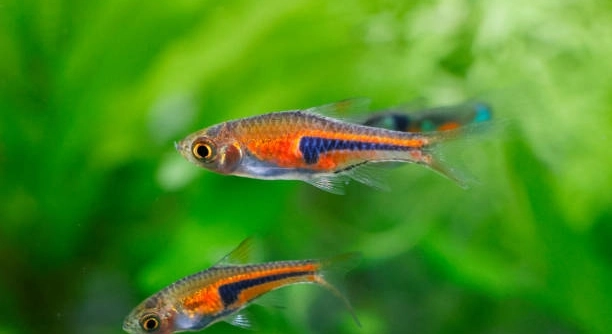
Rasboras are small, colorful fish that often move together in water, creating an elegant display. Their coordinated swimming and gentle movements make them a popular choice for community aquariums, where their behavior adds liveliness and harmony.
Rasboras form tight groups primarily due to instinctive shoaling behavior, which provides protection against predators and increases foraging efficiency. Environmental factors such as tank size, lighting, and presence of plants also influence their cohesion and social interactions.
Observing their synchronized swimming can reveal subtle cues about their well-being and social structure in the aquarium environment.
Understanding Rasbora Shoaling Behavior
Rasboras naturally swim in groups, a behavior known as shoaling. This instinct helps them feel safe and reduces stress, as being part of a group confuses potential predators. In addition, swimming together allows them to locate food more efficiently. The size of the group can affect their movement patterns, with larger groups often appearing more synchronized. Tank setup also plays a role; a well-planted tank with open swimming areas encourages natural shoaling, while overcrowding or sparse environments can disrupt their cohesion. Lighting and water conditions influence how tightly they stay together, as Rasboras respond to environmental cues. Observing their interactions provides insight into their mood and health. Over time, you can notice subtle signals, like changes in spacing or speed, which indicate comfort or stress. Regular monitoring ensures they remain healthy and maintain their natural, graceful behavior within the tank environment.
Shoaling reduces anxiety in Rasboras and promotes natural behavior, making it easier to observe their interactions and social hierarchy in the aquarium.
Paying attention to these patterns helps maintain their health and enhances the visual harmony of the tank. Keeping water clean and stable reinforces these behaviors, ensuring the fish remain active, comfortable, and visually appealing in their environment.
Factors That Influence Tight Grouping
Tank size and layout affect how closely Rasboras swim together. Providing enough space prevents overcrowding, while hiding spots reduce stress.
Lighting, temperature, and plant placement influence their cohesion. Stable water parameters encourage calm, predictable movement, while sudden changes can scatter the group.
Rasboras rely on visual cues to maintain formation. When plants, rocks, or decorations create safe pathways, the fish feel secure and swim with confidence. Larger groups tend to move more rhythmically, enhancing their coordinated patterns. Social interactions also matter; a dominant fish can subtly guide the group, while newcomers may take time to integrate. Feeding routines affect their grouping as well, since predictable feeding encourages synchronized movement toward food. Stressors like loud noise or rapid water changes can disrupt shoaling temporarily, but consistent care helps restore natural behavior. Observing these influences allows you to adjust tank conditions to promote tight, harmonious groups, supporting both the fish’s well-being and the aesthetic appeal of your aquarium.
Maintaining Group Cohesion
Consistent water conditions are key to keeping Rasboras together. Stable temperature, pH, and cleanliness reduce stress and support natural shoaling behavior. Gradual changes are better than sudden shifts, which can scatter the group and disrupt their patterns.
Regular feeding at consistent times encourages synchronized swimming. Rasboras quickly learn routines and often gather in the same area, reinforcing group cohesion. Providing a variety of foods ensures all fish remain healthy, reducing aggression or competition. Observing their movement during feeding can show if any fish are stressed or unwell, allowing timely adjustments.
Decorations and plants influence how Rasboras interact. Open swimming areas combined with hiding spots let them feel secure while exploring. Well-placed plants guide movement and create visual boundaries, promoting tighter formations. Overcrowding or poor layout can fragment the group, causing stress and uneven behavior. Watching how they navigate the tank helps identify necessary adjustments.
Social Dynamics in Rasbora Groups
Hierarchy impacts how tightly Rasboras swim together. Dominant individuals subtly lead the group, influencing speed and direction. Subordinate fish follow closely, enhancing cohesion and coordination.
Interactions such as chasing, nibbling, or gentle nudges shape group behavior. Introducing new fish requires careful observation, as acceptance takes time. Gradual integration helps newcomers find their place without disturbing the existing group structure. Consistent routines in feeding, tank maintenance, and lighting support stable interactions, reducing conflict. Observing their patterns reveals preferences for certain swimming areas or companions. Attention to these dynamics ensures the group remains healthy, active, and visually harmonious, enhancing the overall aquarium experience.
Environmental Influence on Grouping
Plants and decorations provide security, encouraging Rasboras to stay close. Hiding spots reduce stress and allow natural swimming patterns to develop.
Open spaces combined with structured areas help maintain tight formations. Fish feel safe moving together when they can see each other and navigate easily.
Water Quality and Its Effects
Clean water is essential for Rasboras to maintain tight shoals. High ammonia or nitrate levels cause stress, scattering the group and disrupting normal behavior. Regular water changes, proper filtration, and stable pH levels ensure fish remain healthy. Stress-free conditions allow them to swim cohesively and display natural group dynamics.
Feeding and Cohesion
Consistent feeding routines promote synchronized movement. Rasboras gather predictably during meals, reinforcing group bonds and natural behavior.
FAQ
Why do Rasboras swim in tight groups?
Rasboras naturally shoal for safety and comfort. Being in a group helps confuse predators and reduces individual stress. It also improves their efficiency in finding food, as they can follow one another to sources of nourishment. Tight swimming patterns are instinctive and indicate that the fish feel secure in their environment.
How many Rasboras should I keep together?
A minimum of six is recommended, though larger groups are better. Groups of ten or more tend to display more natural, synchronized swimming. Smaller numbers can feel insecure, scatter easily, and show irregular behavior. Adequate group size encourages cohesion and ensures that all fish can participate in social interactions without being isolated.
Does tank size affect their grouping?
Yes, tank size directly impacts shoaling. Too small a tank can stress fish and limit movement, while a spacious environment allows them to swim freely and form natural formations. Ideally, a tank should provide both open swimming areas and plants for hiding, supporting tight, confident movement throughout the group.
What role do plants and decorations play?
Plants and decorations offer security and visual cues. They give Rasboras safe spots to retreat and guide movement, encouraging them to stay together. Dense planting at the edges and open spaces in the center create boundaries that help the fish maintain tighter formations, reducing stress and promoting natural swimming behavior.
How does water quality influence tight swimming?
Stable water conditions are essential. High ammonia, nitrate, or nitrite levels stress Rasboras, causing them to scatter or hide. Regular water changes, proper filtration, and monitoring pH and temperature maintain a healthy environment. Healthy fish feel safe and swim closely, displaying natural, synchronized group behavior.
Will adding new Rasboras disrupt the group?
Introducing new fish can temporarily disrupt shoaling. Newcomers need time to adjust and integrate into the existing hierarchy. Gradual introductions and observation minimize stress. Once they are accepted, the group resumes tight formation. Patience is key to maintaining cohesion while expanding the group.
Do feeding routines affect cohesion?
Yes, consistent feeding encourages synchronized movement. Rasboras quickly learn feeding times and gather predictably in one area, reinforcing group bonds. Providing small amounts several times a day ensures all fish are active and healthy, which supports cohesive shoaling patterns.
Can stress break the group?
Stress from sudden movements, loud noise, or poor water quality can scatter Rasboras temporarily. Observing their behavior and identifying stressors is important. Addressing issues promptly restores tight swimming and keeps fish comfortable. Stable conditions allow them to maintain natural shoaling consistently.
Do dominant Rasboras lead the group?
Yes, subtle leadership exists within shoals. Dominant individuals often guide direction and speed, while others follow closely. Recognizing these social dynamics helps understand movement patterns and ensures that group interactions remain stable and balanced.
How can I tell if the group is healthy?
Healthy Rasboras swim closely, display bright colors, and respond naturally to feeding. Irregular spacing, lethargy, or scattered swimming can indicate stress, illness, or poor water quality. Regular observation allows timely adjustments to tank conditions, ensuring the group remains tight, active, and visually appealing.
Final Thoughts
Rasboras are small fish with a big impact on the look and feel of an aquarium. Their natural tendency to swim in groups creates movement and visual interest, making the tank feel alive. Observing them move together provides a sense of calm and satisfaction, as their patterns appear deliberate and coordinated. Understanding why they group tightly is important, because it reflects their comfort and overall health. When Rasboras feel safe, they swim closely together, maintaining cohesion and displaying natural behavior that is pleasing to watch.
Maintaining a tight group requires attention to several factors. Tank size, water quality, and environmental layout all play key roles. A tank that is too small or lacks structure can stress the fish, breaking their natural formation. Clean water, stable temperature, and balanced pH are essential to reduce stress and support cohesive swimming. Plants and decorations not only provide hiding spots but also create paths that guide movement, encouraging the group to stay together. Regular feeding at consistent times further reinforces coordination, as the fish gather predictably, strengthening their bonds and helping maintain social harmony.
Social dynamics are also important to consider. Dominant fish subtly guide the group, while newcomers may need time to integrate. Observing interactions helps identify any stress, imbalance, or changes in behavior that may indicate health issues. Paying attention to these details ensures the group remains active, cohesive, and visually harmonious. By understanding their needs and providing a supportive environment, it is possible to enjoy Rasboras at their best. Their natural shoaling behavior is not only a sign of well-being but also enhances the aesthetic of the aquarium, creating a lively, balanced, and engaging display that reflects careful care and observation.

Hello,
If you enjoy the content that we create, please consider saying a "Thank You!" by leaving a tip.
Every little bit helps us continue crafting quality advice that supports the health, happiness, and well-being of pets around the world, for pets of all shapes, sizes, and species.
We really appreciate the kindness and support that you show us!