
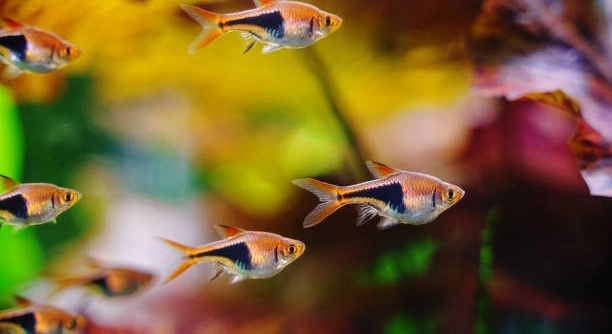
Are your rasboras swimming in a tank that feels a little empty or uninspiring? Many aquarists often overlook how small changes in their aquarium setup can significantly improve the daily life of these lively fish.
Simple upgrades can greatly enhance the well-being of rasboras. Introducing plants, adjusting tank décor, optimizing water conditions, and providing varied enrichment supports natural behaviors, reduces stress, and promotes healthier, more active fish within a home aquarium environment.
These practical adjustments can transform an ordinary tank into a more engaging and comfortable home for your rasboras.
Add Live Plants to the Aquarium
Live plants create a natural and calming environment for rasboras. They provide hiding spots and break lines of sight, reducing stress and encouraging exploration. Floating plants also soften lighting, which mimics their natural habitat, making the fish feel more secure. In addition, plants help maintain water quality by absorbing excess nutrients and producing oxygen. Choosing a variety of plant types, such as stem plants, mosses, and floating species, allows your rasboras to interact with different textures and spaces. Fast-growing plants can be trimmed regularly, which keeps the tank visually appealing and provides additional stimulation. Live plants also support the growth of microfauna, which rasboras may nibble on, adding natural enrichment to their diet. Over time, a planted tank becomes a dynamic environment, offering both physical and mental stimulation.
Adding live plants is one of the simplest upgrades with immediate benefits for tank aesthetics and fish well-being.
A well-planted aquarium encourages natural behavior and reduces boredom. Rasboras explore, hide, and interact with plants, creating a more balanced and engaging habitat.
Introduce Gentle Water Flow
Gentle water movement improves oxygenation and simulates natural streams where rasboras are often found. A small filter or a bubbler can create subtle currents without stressing the fish.
Consistent water flow also prevents stagnant areas, promoting healthier conditions. Rasboras feel more secure swimming in moving water, which encourages active behavior.
Introducing gentle water flow can be done gradually to ensure fish adapt comfortably. Start with a low setting on your filter or a small air stone. Observe how rasboras respond and adjust if they seem stressed. Water circulation also helps distribute nutrients from plants and prevent debris buildup. Over time, the combination of moving water and plant coverage creates a dynamic environment that supports both physical activity and mental stimulation. Rasboras benefit from the varied water conditions, which encourage swimming patterns similar to their natural habitat. Additionally, this upgrade reduces the likelihood of algae accumulation and promotes a healthier tank ecosystem. With proper placement and careful monitoring, gentle water flow can become a permanent feature that enhances both the visual appeal of the aquarium and the quality of life for the fish.
Provide Hiding Spots
Rasboras feel safer with places to hide. Caves, driftwood, and dense plant clusters reduce stress and give them space to rest.
Hiding spots are essential for social fish like rasboras, as they offer protection during interactions. Simple additions like small ceramic caves, hollow logs, or rock structures allow fish to retreat when needed. Arranging these elements thoughtfully can create layers in the tank, encouraging natural exploration. Even floating plants can serve as cover. The presence of shelters also helps when introducing new fish, giving everyone time to adjust without conflict. Over time, rasboras will use these spaces for resting, breeding, and playful swimming.
Creating varied hiding spots mimics their natural habitat and promotes comfort. They can choose areas for safety or interaction, which encourages balanced social behavior and reduces aggression.
Offer a Varied Diet
A diverse diet ensures rasboras receive all necessary nutrients. Rotating flakes, pellets, frozen, and live foods keeps meals interesting.
Providing different food types supports growth, color vibrancy, and overall health. Live foods like daphnia or brine shrimp encourage natural hunting behavior, while frozen and flake foods deliver essential vitamins and minerals. Avoid overfeeding by offering small portions multiple times a day. Variety also prevents selective eating, ensuring all fish receive adequate nutrition. Incorporating occasional vegetable matter like blanched spinach or zucchini supports digestion and adds fiber to their diet. A balanced feeding routine enhances energy levels, stimulates activity, and promotes stronger immune systems. Rasboras respond positively to these changes, often showing increased curiosity and interaction during feeding times.
Maintain Stable Water Temperature
Rasboras thrive in consistent temperatures. Sudden changes can stress them and lead to health issues.
Using a reliable heater and thermometer helps maintain a steady range between 24°C and 28°C. Regular monitoring ensures their environment remains comfortable and safe.
Install Soft Substrate
A soft substrate protects delicate fins and allows natural foraging. Sand or fine gravel is ideal.
Soft substrates also reduce the risk of injury while exploring and swimming. They create a more natural tank environment, supporting overall fish well-being.
Introduce Gentle Lighting
Moderate lighting replicates natural day-night cycles. Avoid overly bright lights that stress rasboras.
Balanced lighting promotes plant growth and supports normal fish behavior. It helps rasboras feel secure while exploring and resting in the tank.
FAQ
How often should I clean my rasbora tank?
Regular maintenance is key for healthy rasboras. Partial water changes of about 20-25% weekly help remove waste, reduce toxins, and maintain stable water parameters. Cleaning the substrate and decorations during these changes prevents debris buildup. Avoid full water changes, which can shock the fish and disrupt beneficial bacteria. Monitoring water quality with test kits ensures ammonia, nitrite, and nitrate levels remain safe. Filters should also be rinsed in tank water every few weeks to maintain efficiency without harming the microbial balance. Consistent cleaning keeps the tank environment stable, reducing stress and promoting active, healthy fish.
What is the best number of rasboras for a tank?
Rasboras are schooling fish, so keeping them in groups of at least six is ideal. Larger schools encourage natural behaviors, such as synchronized swimming and exploration. A group of eight to twelve is often preferred for medium-sized tanks, providing better social dynamics. Overcrowding should be avoided, as it can lead to stress, aggression, and poor water quality. Consider tank size alongside group size; a 20-gallon tank comfortably houses eight to ten rasboras, with space for hiding spots and swimming areas. Maintaining an appropriate school size ensures fish feel secure and exhibit natural, healthy behavior.
Can rasboras live with other fish?
Yes, rasboras are peaceful and do well with other non-aggressive species. Suitable tank mates include small tetras, guppies, danios, and peaceful bottom dwellers like corydoras. Avoid large or aggressive fish that may stress or prey on them. Introducing tank mates gradually and providing hiding spots reduces conflict. Rasboras thrive in a calm community setting where competition for food is minimal. Observing interactions during the first few days helps ensure compatibility. A well-planned community tank allows rasboras to feel safe while swimming in open spaces and interacting naturally with other species.
What do rasboras eat?
Rasboras are omnivores and enjoy a mix of foods. High-quality flake or pellet foods provide daily nutrition, while frozen or live foods like brine shrimp, daphnia, or bloodworms offer variety and enrichment. Small portions several times a day prevent overfeeding. Occasional blanched vegetables like spinach or zucchini support digestion. Offering varied foods encourages natural foraging behavior and keeps fish active. Balanced feeding contributes to vibrant colors, healthy growth, and strong immune systems. Rasboras respond well to live or frozen options, often showing increased activity during feeding times.
How do I prevent stress in rasboras?
Stress can be minimized through stable water conditions, proper tank mates, and sufficient hiding spaces. Consistent temperature, gentle lighting, and calm water flow reduce sudden changes that may startle the fish. Avoid tapping on glass or overcrowding the tank. Hiding spots, plants, and open swimming areas allow rasboras to choose their level of interaction. A varied diet and regular but gentle maintenance routines further support their well-being. Monitoring behavior, such as sudden hiding or loss of appetite, can help detect stress early and address environmental issues promptly.
How long do rasboras live?
With proper care, most rasboras live between 4 to 6 years, though some species may reach up to 8 years. Factors affecting lifespan include water quality, diet, tank size, and social environment. Providing a stable, enriched environment with proper nutrition and minimal stress supports longevity. Regular monitoring of water parameters and behavior helps maintain optimal health. Overcrowding, poor diet, or frequent temperature fluctuations can reduce lifespan, while well-maintained tanks with live plants, hiding spots, and balanced social groups encourage longer, healthier lives.
Can rasboras breed in home aquariums?
Yes, rasboras can breed in home tanks if conditions are favorable. Providing soft, slightly acidic water and a separate breeding area increases success. Fine-leaved plants or spawning mops give surfaces for eggs. After spawning, adults should be removed to prevent eating eggs. Maintaining stable water temperature and feeding high-quality live or frozen foods helps encourage breeding behavior. Eggs typically hatch within one to two days, depending on species and temperature. Raising fry requires gentle care and feeding with infusoria or finely crushed foods until they grow large enough for standard feeding.
Why are my rasboras hiding most of the time?
Excessive hiding can indicate stress, poor water quality, or discomfort with tank mates. Check temperature, pH, and ammonia levels first. Ensure the tank has adequate hiding spots but also open swimming areas. Observing interactions with other fish helps determine if bullying is occurring. Adjusting water flow, lighting, or tank decorations may make the environment more comfortable. Some species are naturally shy, so providing safe spaces while maintaining proper care helps them feel secure. Gradual acclimation to changes and monitoring behavior can improve confidence and encourage more active swimming.
Rasboras are small, lively fish that can bring a lot of enjoyment to a home aquarium. Their natural behaviors, vibrant colors, and peaceful nature make them appealing for both beginner and experienced aquarists. However, their well-being depends heavily on the environment provided. Small adjustments to tank conditions, diet, and enrichment can have a meaningful impact on their overall health and happiness. From adding live plants to introducing gentle water flow, each change contributes to a more engaging and comfortable habitat. These upgrades not only improve daily life but also encourage natural behaviors like schooling, exploring, and resting in safe spaces. Observing rasboras in a well-maintained tank allows you to appreciate their social interactions and playful movements. Their reactions to different elements, whether it is floating plants, hiding spots, or varied feeding, highlight the importance of creating an environment that meets their basic physical and psychological needs. A thoughtful approach to tank setup helps ensure that rasboras remain active, healthy, and vibrant for years.
Feeding practices also play a significant role in the quality of life for rasboras. Offering a balanced diet that combines flakes, pellets, frozen, and live foods provides essential nutrients and keeps them engaged during mealtime. Live foods such as brine shrimp or daphnia can simulate hunting behavior, which promotes activity and reduces boredom. Including occasional vegetable matter supports digestion and adds variety, which is crucial for overall health. Overfeeding should be avoided, as it can lead to water quality issues and obesity, both of which are harmful to fish. Monitoring their behavior and appetite during feeding helps detect potential health problems early. A consistent feeding schedule, paired with the right portion sizes, ensures that all fish in the tank receive adequate nutrition. This careful attention to diet, combined with environmental enhancements, creates a balanced system where rasboras can thrive. The benefits of these practices extend beyond physical health, fostering natural behaviors and providing mental stimulation that contributes to long-term well-being.
Maintaining stable water conditions, proper tank setup, and social balance is essential for rasboras to flourish. Stress can negatively affect their health and lifespan, so providing hiding spots, moderate lighting, gentle water flow, and compatible tank mates is important. Regular tank maintenance, including water changes and substrate cleaning, keeps the environment safe and comfortable. Observing their behavior daily can reveal whether adjustments are needed, helping prevent illness or discomfort. Creating a harmonious environment allows rasboras to display their natural colors, swim actively, and interact with each other in a healthy manner. These upgrades are not just aesthetic; they directly impact the quality of life for the fish. By focusing on both physical and mental needs, aquarists can ensure that their rasboras live longer, healthier lives in a home aquarium that mirrors the conditions they would encounter in nature. Over time, these small but meaningful improvements make a noticeable difference in behavior, energy levels, and overall enjoyment of the tank.

Hello,
If you enjoy the content that we create, please consider saying a "Thank You!" by leaving a tip.
Every little bit helps us continue crafting quality advice that supports the health, happiness, and well-being of pets around the world, for pets of all shapes, sizes, and species.
We really appreciate the kindness and support that you show us!