
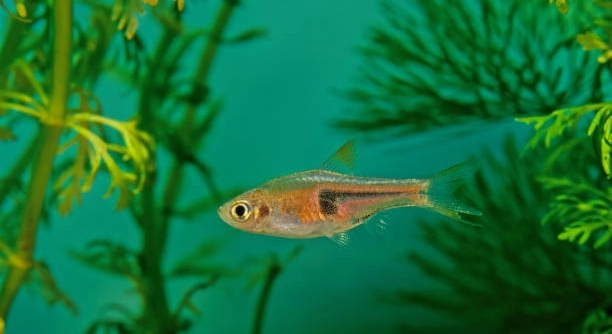
Rasboras are small, peaceful fish that often live in planted aquariums. They enjoy gentle currents and open spaces, but adding greenery can create a more natural and comfortable environment for them. Many hobbyists consider plants essential.
Rasboras thrive in aquariums with live or artificial plants that provide shelter and mimic their natural habitats. Plants help reduce stress, offer hiding spaces, and improve water quality, making them an important addition to a healthy tank environment.
Knowing which plants suit these fish best will help you create a balanced aquarium that supports their well-being and natural behaviors.
Why Rasboras Appreciate Plants
Rasboras feel safer and more relaxed when plants are present. In a planted aquarium, they can hide among leaves or swim near stems without feeling exposed. This environment mirrors their natural habitat, helping them display natural behaviors like schooling and exploring. Plants also help maintain water quality by absorbing excess nutrients, which reduces algae growth and keeps the tank cleaner. Floating plants provide shaded areas that prevent strong light from stressing them, while tall plants at the back offer vertical structure that adds depth. Many types of plants, including Java fern, Anubias, and mosses, are easy to maintain and provide both visual appeal and functional benefits. Even hardy species like plastic or silk plants can offer shelter, though live plants contribute more to water health. By arranging plants thoughtfully, you create a varied and stimulating environment that keeps Rasboras active and healthy, encouraging natural movement patterns and reducing stress levels in the tank.
Adding plants also reduces aggression among Rasboras by giving them more space and hiding spots to retreat.
Live plants help regulate oxygen levels and provide a sense of security, making the tank more balanced and healthier for Rasboras overall. They can nibble gently on plant surfaces, which may provide minimal enrichment without harming the plant. Using a mix of foreground, midground, and background plants creates depth and stimulates natural behavior. Some floating species diffuse light and create a softer environment, while rooted plants anchor the substrate and prevent sudden disturbances. By selecting hardy, low-maintenance plants, you reduce upkeep and ensure the tank remains visually appealing. Incorporating plants with varied leaf shapes and heights encourages exploration, while dense clusters offer protection for timid fish. Overall, carefully chosen plants benefit both the fish and the aquarium ecosystem.
Best Plants to Add
Java fern, Anubias, and mosses are ideal choices for Rasboras.
These plants are hardy, require minimal care, and grow well in low to moderate light. Java fern can attach to driftwood or rocks, providing vertical cover, while Anubias offers broad leaves for hiding. Mosses create soft patches where small Rasboras can explore or rest. Floating plants like frogbit or duckweed diffuse light and give shaded areas, reducing stress. When selecting plants, consider their growth rate and ease of maintenance. Fast-growing species absorb more nutrients, keeping water cleaner, while slower-growing plants need less frequent trimming. Combining different types creates a layered effect, enhancing the tank’s visual appeal and providing multiple hiding spots. Ensure proper spacing to allow swimming areas while maintaining dense sections for security. These choices create a balanced, low-maintenance setup that supports natural behavior and keeps Rasboras calm, active, and healthy in their environment.
Plant Placement Tips
Place taller plants at the back and shorter ones at the front to create open swimming space for Rasboras. Avoid overcrowding, as they need room to school. Floating plants can provide shade and shelter, while dense patches offer hiding spots for timid fish.
Arranging plants carefully helps Rasboras feel secure while maintaining an aesthetically pleasing tank. Position tall stems along the back or sides to prevent blocking light and allow clear swimming lanes. Use midground plants to fill gaps, creating a natural layered effect. Floating plants soften lighting and give areas of cover. Ensure enough open space for schooling, while leaving dense clusters for rest. Mixing textures and heights mimics their natural habitat, encouraging exploration. Proper spacing prevents stress and reduces competition among fish, promoting healthier behavior and interactions within the aquarium.
Plants should not block filter flow or overcrowd the tank. Leave open swimming paths and ensure easy access for maintenance. Dense areas can be adjusted as the plants grow, maintaining balance between shelter and space. By regularly trimming and rearranging, you support natural Rasbora activity while keeping the tank visually appealing. Watching them weave through leaves and glide among stems shows the benefit of thoughtful placement, creating a dynamic and lively aquarium environment.
Lighting and Plant Health
Moderate lighting is ideal for both Rasboras and plants. Too much light can cause algae, while too little slows plant growth. Balance is key.
Good lighting supports photosynthesis, keeping plants healthy and vibrant. Rasboras thrive under moderate light that highlights plant colors without stressing them. Using a timer helps maintain a consistent day-night cycle, which benefits both fish and plants. Different plant species have varying light needs, so choose accordingly. Low-light plants like Anubias and Java fern do well under indirect illumination, while faster-growing plants may need brighter conditions. Regularly monitor plant health for yellowing leaves or algae growth, adjusting light intensity or duration as needed. Proper lighting ensures plants grow steadily, maintaining shelter and enrichment for Rasboras while contributing to a balanced aquarium ecosystem.
Position lights to avoid direct glare on the water surface. Combine light placement with plant arrangement to prevent shadowed areas that hinder growth. Reflectors or diffusers can help spread light evenly across the tank. Observing plant response over time informs adjustments, ensuring optimal conditions. Healthy plants maintain water quality, provide hiding spaces, and encourage natural Rasbora behavior. Regular maintenance, including trimming and monitoring algae, supports both lighting effectiveness and overall tank balance, keeping the aquarium thriving and visually appealing.
Choosing Substrate for Plants
A nutrient-rich substrate helps plants establish strong roots and grow steadily. Fine gravel or aquarium soil works well. Avoid sharp substrates that may damage delicate plant roots or disturb Rasboras while swimming.
Substrate depth should be around two to three inches. This allows plants to anchor properly without compacting the soil. Layering with root tabs or fertilizer can boost growth. Consider lighter substrates for foreground plants and heavier options for tall or root-heavy species. Proper substrate selection supports healthy plants and maintains stable water conditions, benefiting Rasboras by keeping the tank safe and comfortable.
Feeding Rasboras Around Plants
Rasboras can feed near plants without harming them. Floating or sinking foods provide easy access, and plants offer natural cover during mealtime.
Placing food in open areas prevents uneaten debris from settling among plant roots. Dense plant areas should not block water circulation, ensuring waste does not accumulate. Using small portions multiple times a day encourages healthy feeding habits. This setup allows Rasboras to swim freely, interact with plants naturally, and maintain overall well-being, while plants continue to thrive without obstruction or damage from feeding routines.
Common Plant-Friendly Tank Additions
Driftwood and smooth rocks complement plants by creating hiding spots and adding structure. These additions mimic natural habitats for Rasboras, enhancing comfort and encouraging exploration.
Avoiding Overcrowding
Keep plant density balanced. Too many plants reduce swimming space and can stress Rasboras.
FAQ
Do Rasboras eat live plants?
Rasboras generally do not eat live plants. They may nibble on soft leaves occasionally, but most plant species remain safe. Hardy plants like Java fern, Anubias, and mosses are ideal, as they can withstand minimal interaction without damage. Nibbling is usually exploratory, not destructive.
Can Rasboras live in a tank without plants?
Yes, they can survive without plants, but a planted tank offers significant benefits. Plants reduce stress, provide hiding spots, and improve water quality. Tanks without plants may require extra effort to create safe areas and maintain environmental stability.
Which plants grow best with Rasboras?
Low-maintenance, slow-growing plants such as Anubias, Java fern, and mosses work well. Floating plants like duckweed or frogbit provide shaded areas, while midground plants offer cover. Mixing different types creates a balanced environment that promotes natural behavior.
Do artificial plants work for Rasboras?
Artificial plants can provide shelter and visual appeal. They don’t help water quality but still offer hiding spots. Ensure they are smooth and free from sharp edges to prevent injury to delicate Rasboras.
How many plants should I add to my tank?
A balanced approach works best. Cover about 50-70% of the tank with plants while leaving open swimming areas. Dense clusters can go in corners or along the back, creating shelter without overcrowding.
Do floating plants affect Rasboras?
Floating plants help diffuse light and provide shade, reducing stress. They create gentle cover at the water surface, encouraging Rasboras to explore different tank levels safely. However, avoid overgrowth that blocks too much light.
How often should I trim plants?
Trim plants as needed to maintain space for swimming and prevent overcrowding. Fast-growing species may need weekly attention, while slow growers require less frequent trimming. Regular maintenance supports healthy plant growth and a comfortable environment for Rasboras.
Can Rasboras coexist with delicate plants?
Yes, most Rasboras are peaceful and won’t harm delicate plants. Avoid aggressive tankmates that may uproot or damage greenery. Soft plants may need extra care but can thrive alongside calm Rasboras.
Do plants help with breeding Rasboras?
Yes, plants create natural hiding spots for eggs and fry. Dense foliage gives protection from adults or other fish, increasing survival rates. Mosses are especially useful for breeding setups.
Is lighting important for both Rasboras and plants?
Moderate lighting benefits both. It supports plant growth without stressing Rasboras. Timers help maintain a consistent day-night cycle, promoting natural behavior and keeping plants healthy. Adjust intensity based on plant species and growth rates.
Can Rasboras live with fast-growing plants?
Yes, but monitor growth. Fast-growing plants absorb nutrients and prevent algae but may need regular trimming to avoid overcrowding. Maintaining a balance between open swimming areas and dense plant clusters is essential.
Are there any risks with planted tanks for Rasboras?
Overcrowding or poor water circulation can create stress. Uneaten food trapped in plants may lead to decay or algae growth. Proper maintenance, spacing, and monitoring prevent these issues and ensure a safe, thriving environment.
How do I clean a planted tank without harming Rasboras?
Use gentle siphoning around plant roots and avoid uprooting them. Spot clean debris and avoid strong water currents that may disturb fish. Maintaining water quality gradually keeps both plants and Rasboras healthy.
Can I mix live and artificial plants?
Yes, combining both is effective. Live plants provide natural filtration, while artificial plants add extra shelter or decorative elements. Ensure artificial plants are smooth to prevent injury, and arrange them alongside live plants for variety.
Do Rasboras prefer dense or sparse plant arrangements?
They appreciate a balance. Dense clusters offer shelter and resting areas, while open swimming space allows schooling and exploration. Too much or too little vegetation can stress them, so aim for partial coverage with areas to swim freely.
What plants are safest for small Rasboras?
Soft-leaved plants like Java fern, Anubias, mosses, and floating species are safest. Avoid sharp or brittle plants that could injure fins. Low-maintenance species reduce stress and maintain consistent tank conditions.
How do plants improve water quality?
Plants absorb nitrates and excess nutrients, reducing algae growth. They help stabilize water chemistry, provide oxygen, and support a balanced ecosystem, making the tank healthier for Rasboras.
Can Rasboras damage plant roots?
They rarely disturb roots, especially if plants are well-anchored. Occasional nibbling may occur, but strong-rooted or potted plants remain secure and healthy in their environment.
Do seasonal changes affect planted tanks?
Yes, light duration and temperature changes may impact plant growth. Maintaining consistent lighting and monitoring water conditions helps both plants and Rasboras stay healthy throughout seasonal fluctuations.
Are there plants that should be avoided with Rasboras?
Avoid fragile or sharp-leaved plants that may injure fish. Fast-decaying species can cause water quality issues if left unmanaged. Choosing hardy, low-maintenance plants ensures safety and longevity for the aquarium.
How do I introduce new plants safely?
Rinse plants thoroughly and remove any pests or algae. Quarantine if necessary to prevent introducing diseases. Plant carefully to avoid disturbing the substrate or Rasboras. Gradual introduction ensures minimal stress for both fish and greenery.
Do plants help reduce stress in Rasboras?
Yes, plants offer hiding spots, diffuse light, and create a natural environment. Stress reduction leads to better coloration, healthier behavior, and lower susceptibility to disease, enhancing overall well-being.
How do I balance plants and swimming space?
Leave at least 30-50% of the tank open. Dense clusters can go along the sides and back, while midground and floating plants create partial cover. This balance supports natural Rasbora activity and plant growth simultaneously.
Can Rasboras coexist with aggressive tankmates in a planted aquarium?
Plants provide some protection, but aggressive fish can still stress Rasboras. Prioritize peaceful tankmates and use dense plant areas as retreats to maintain a calm environment.
Do plants need fertilizer in a Rasbora tank?
Low-maintenance species often do not require additional fertilizer. If needed, use root tabs or liquid fertilizer sparingly, ensuring it does not harm fish. Proper dosing supports healthy growth without compromising water quality.
How long do plants typically last in a Rasbora tank?
Hardy plants can last for years with proper care, light, and maintenance. Regular trimming, monitoring, and cleaning ensure longevity and a thriving aquarium ecosystem.
Can I use live plants in a small Rasbora tank?
Yes, small tanks benefit from compact or slow-growing plants. Choose species that fit available space and provide shelter without overcrowding, ensuring healthy conditions for both plants and fish.
Are there signs plants are affecting Rasboras negatively?
Watch for stress behaviors like hiding constantly or reduced swimming. Overcrowding, blocked swimming paths, or decaying plants can cause issues. Adjust plant placement or trim growth to restore comfort and balance.
How do I maintain a healthy planted tank long-term?
Regular water changes, proper lighting, trimming, and monitoring water quality keep plants and Rasboras thriving. Observe fish behavior, remove debris, and adjust plant arrangement as needed to maintain a stable, natural environment.
Do Rasboras prefer certain plant textures?
They are comfortable with soft-leaved plants and mosses, which provide gentle surfaces for swimming and resting. Avoid sharp or rigid foliage that may damage fins or cause stress.
Can plants reduce algae in a Rasbora tank?
Yes, healthy plants compete for nutrients and limit algae growth. Dense planting and proper light balance further reduce the chance of algae overrunning the aquarium.
Do floating plants affect water temperature?
They provide shade and slightly reduce direct light penetration, which can help stabilize water temperature. However, the effect is minimal in well-regulated tanks.
Should I remove dead plant leaves immediately?
Yes, decaying leaves can impact water quality and encourage algae growth. Removing dead material promptly protects both Rasboras and remaining plants, maintaining a cleaner environment.
Can Rasboras use plants as hiding spots during illness?
Yes, dense foliage provides security and reduces stress, allowing sick or timid fish to recover more comfortably while still accessing food and oxygenated water.
How often should I check plant health?
Monitor weekly for yellowing leaves, algae growth, or wilting. Early detection allows adjustments in lighting, fertilization, or pruning to maintain a healthy, balanced tank.
Are live plants worth the effort with Rasboras?
Yes, live plants enhance water quality, provide shelter, and encourage natural behavior. They require some care but significantly improve the overall well-being of Rasboras, creating a thriving and visually appealing aquarium.
Rasboras are small, peaceful fish that benefit greatly from having plants in their tank. Plants provide shelter and areas to explore, which help the fish feel secure. When Rasboras have places to hide, they are less likely to feel stressed, and this leads to healthier behavior and better coloration. A planted tank can mimic the fish’s natural habitat, encouraging natural swimming patterns and school formation. Open swimming spaces combined with dense plant patches create a balanced environment that suits their active yet timid nature. Choosing the right plants, like Anubias, Java fern, and mosses, ensures that the aquarium remains safe and easy to maintain while providing enrichment for the fish.
Proper placement of plants is just as important as the type of plants used. Taller plants are best placed at the back of the tank, while shorter plants go in the foreground to create depth and maintain open swimming areas. Floating plants can soften lighting and provide shade, which reduces stress for Rasboras. Dense clusters of midground plants give small fish a place to rest or hide when needed, while still allowing enough room for movement. Regular trimming and maintenance prevent overcrowding and maintain water quality. Balancing plant density with swimming space ensures the tank remains visually appealing while supporting the health and well-being of the fish. Using both live and artificial plants can also be a practical choice, as long as artificial plants are smooth and safe for the fish.
Maintaining a planted tank requires attention to lighting, substrate, and water conditions. Moderate lighting supports plant growth without causing stress to Rasboras. Nutrient-rich substrates and occasional fertilization encourage strong root development and healthy plants. Regular monitoring and removal of dead leaves or debris help prevent water quality issues and algae growth. Plants not only enhance the aesthetic of the tank but also contribute to a stable and balanced ecosystem. Over time, a well-planted tank becomes a dynamic environment where Rasboras can thrive, explore, and display natural behaviors. Providing plants in a thoughtful and balanced way ensures that the fish remain healthy, active, and stress-free, making the aquarium enjoyable both for the fish and the caretaker.

Hello,
If you enjoy the content that we create, please consider saying a "Thank You!" by leaving a tip.
Every little bit helps us continue crafting quality advice that supports the health, happiness, and well-being of pets around the world, for pets of all shapes, sizes, and species.
We really appreciate the kindness and support that you show us!