
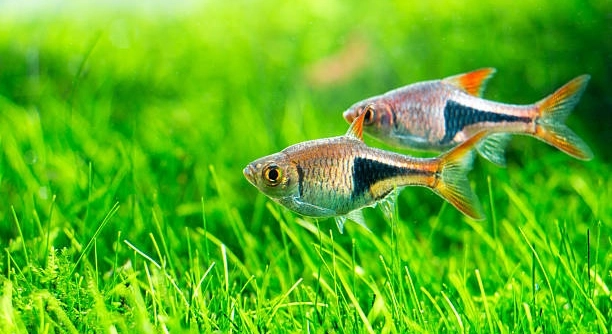
Rasboras are small, active fish that thrive in calm, well-maintained aquariums. Their gentle nature and delicate fins make them sensitive to environmental changes, including water currents. Understanding their comfort zones helps create a stable, stress-free habitat for these lively swimmers.
Rasboras generally dislike strong water movement as it can cause stress and fatigue. Excessive currents hinder their natural swimming patterns, disrupt feeding behavior, and increase susceptibility to illness. Maintaining moderate or gentle water flow is essential for their overall health and well-being.
Providing the right water conditions supports their activity and coloration. Exploring proper flow management ensures rasboras remain healthy, energetic, and visually vibrant in the aquarium environment.
Understanding Rasboras’ Swimming Preferences
Rasboras are naturally calm swimmers, preferring slow-moving waters. In aquariums, they often gather in mid-level areas where currents are mild. Strong water flow can tire them quickly, making them hide more and swim less. Observing their behavior helps determine whether the current is too strong or just right. Plants and decorations can reduce flow in certain areas, providing safe zones. By creating these calmer pockets, rasboras can maintain their natural swimming patterns and exhibit normal activity. Over time, they grow accustomed to moderate currents, but excessively strong currents should always be avoided. Maintaining a balance between oxygenation and comfort is key, as too little movement can reduce water quality, yet too much causes stress. Monitoring their swimming habits and adjusting flow accordingly ensures they stay healthy, active, and display their vibrant colors effectively in the aquarium setting.
Strong currents can cause stress and reduce feeding activity in rasboras. Gentle flow keeps them comfortable and healthy.
Providing a controlled environment is essential for rasboras. Plants, rocks, and other decorations help break the current, creating safe swimming zones. Observing their reactions allows adjustments, ensuring they are not overwhelmed by flow. Maintaining moderate water movement supports oxygenation without causing fatigue. Over time, rasboras become confident and more active, exploring the aquarium freely. Their natural coloration and behavior flourish when they feel secure. Keeping the current consistent helps prevent stress-related illnesses and promotes longer lifespan. Careful monitoring of their swimming patterns allows for small, gradual adjustments to flow, making sure their environment remains suitable. Even small changes in water movement can affect their activity levels, so balancing the current with hiding spots is important. Proper filtration and positioning of outlets can help create optimal conditions, ensuring the aquarium remains both functional and comfortable for rasboras. These measures contribute to a thriving, visually appealing aquarium.
Managing Aquarium Flow for Rasboras
Flow should be gentle to prevent exhaustion and stress in rasboras. Moderate water movement is ideal.
Adjusting filtration output and positioning decorations strategically helps achieve optimal flow for rasboras. Using plants or driftwood creates calmer pockets where they can rest and swim comfortably. Too much turbulence can lead to erratic swimming, hiding, or even fin damage. Observing the fish during feeding and throughout the day can indicate whether adjustments are needed. Consistency in flow is important, as sudden changes can trigger stress responses. Filtration systems with adjustable output or diffusers are useful tools for maintaining gentle currents. By fine-tuning flow, aquarists can balance oxygenation with comfort, ensuring the fish remain healthy. Additionally, creating a layered environment with plants and rocks allows rasboras to choose areas with varying current strength. This naturalistic setup encourages exploration without causing fatigue. Monitoring their behavior regularly helps identify areas of improvement, promoting a peaceful and sustainable aquarium environment that supports their active, social nature.
Signs of Stress in Rasboras
Rasboras show stress through erratic swimming, hiding frequently, or staying near the bottom. Faded colors and clamped fins are also indicators. Observing these behaviors early allows quick adjustments to water flow and environment to restore comfort and normal activity.
Stress from strong currents can affect feeding habits and immune response. Rasboras may refuse food or swim frantically against the flow, wasting energy. Over time, prolonged exposure to unsuitable currents can make them more prone to disease. Keeping decorations and plants in place creates natural shelters, helping reduce anxiety. Adjusting filter strength ensures water moves steadily without overwhelming them. A calm environment encourages natural schooling, vibrant coloration, and relaxed swimming patterns. Monitoring their daily behavior provides insight into whether the aquarium setup needs changes for better comfort.
Monitoring swimming patterns helps identify subtle signs of discomfort. Rasboras may linger in certain areas, avoid currents, or show unusual aggression toward tank mates. Gentle currents and consistent water conditions reduce stress levels, promote healthy interactions, and support natural behaviors. By observing them carefully, adjustments can be made to flow and environment before long-term health issues arise. Regular attention ensures rasboras remain active, social, and visually bright, reflecting optimal health. Creating safe zones with plants or rocks allows them to rest while maintaining oxygenated water circulation. Gradual changes to flow avoid shocking the fish. Overall, understanding these signals is key to maintaining a balanced and thriving aquarium habitat for rasboras.
Adjusting Filtration and Current
Filtration output should be balanced to maintain water quality without creating strong currents. Proper placement of filter outlets helps distribute flow evenly across the tank.
Positioning decorations, driftwood, and plants around filter outputs reduces turbulence and creates calmer zones for rasboras to rest and swim naturally. Adjustable filter pumps or spray bars allow precise control over flow strength, ensuring areas of both movement and tranquility. Monitoring the fish daily helps detect stress caused by strong currents. Layered planting offers refuge and encourages exploration while preventing exhaustion. Gentle flow promotes oxygenation and filtration without compromising comfort. Small adjustments over time prevent shocking the fish. Keeping the current consistent ensures rasboras remain healthy, active, and vibrant. By combining environmental design with careful flow management, their well-being is optimized.
Balancing current and filtration improves the overall aquarium ecosystem. Strong flow can disturb substrate and plants, increasing debris and affecting water clarity. Gentle circulation prevents these issues while maintaining adequate oxygen levels. Observing how rasboras interact with different areas of the tank guides further adjustments. Over time, they adapt to consistent flow while having access to calm areas for resting. Placement of filter intakes and outlets can be adjusted to reduce direct pressure on the fish. Adding floating plants or tall stems near strong currents diffuses water movement, creating natural barriers. Regular maintenance, including monitoring flow and water parameters, supports health, reduces stress, and encourages natural behaviors. Optimizing both filtration and current ensures a stable, thriving habitat that accommodates the needs of rasboras.
Creating Calm Zones
Calm zones are essential for rasboras to rest and swim without stress. Plants, rocks, and driftwood can block strong currents and provide shelter. These areas allow fish to regulate their energy and maintain normal swimming behavior.
Using dense planting near filter outlets diffuses water flow effectively. Floating plants also reduce surface turbulence, creating a calmer environment. Proper placement ensures rasboras have multiple safe spots while keeping the aquarium visually appealing. These adjustments make the tank more comfortable and encourage natural activity throughout the day.
Choosing Suitable Tankmates
Rasboras do best with other peaceful fish that do not create strong currents. Avoid aggressive or overly active species that compete for space. Tankmates should complement their gentle swimming habits and maintain a calm environment. Proper selection supports social behavior and reduces stress for all inhabitants.
Monitoring Water Parameters
Stable water parameters are critical for rasboras’ comfort. Sudden changes in temperature, pH, or hardness can intensify stress from strong currents. Regular testing ensures optimal conditions and helps prevent unnecessary strain on their health.
FAQ
Do rasboras swim against currents naturally?
Rasboras are not strong swimmers compared with larger fish. They can handle mild currents but avoid constant, strong flow. In the wild, they are used to slow-moving streams and ponds, so replicating that environment in the aquarium is important. Constant strong currents can exhaust them and reduce their activity, making them less visible and vibrant.
Can strong water movement harm their fins?
Yes, excessive flow can damage delicate fins. Rasboras have thin, fragile fins that can tear if they constantly push against turbulent water. Fin damage also increases the risk of infections. Observing them carefully in the aquarium will show if they are struggling, often by clamping their fins or hiding near decorations.
How can I reduce strong currents in my tank?
Placing plants, rocks, and driftwood in the path of water flow is effective. These objects act as natural barriers and break up turbulence. Adjustable filter outputs or spray bars can also help control flow. Using floating plants near the surface reduces surface ripples and makes the water calmer overall.
What flow strength is ideal for rasboras?
A gentle or moderate flow works best. It should be strong enough to circulate water and maintain oxygen levels but weak enough that the fish can swim comfortably without fatigue. Targeting calm zones in the tank while keeping overall movement steady ensures a balanced environment.
Do rasboras prefer any particular water level in the tank?
They are mid to upper-level swimmers, often avoiding areas of strong current near the surface or near filter outlets. Providing open areas for swimming and areas with dense planting allows them to move freely while having access to calmer zones.
Will tank decorations help manage water movement?
Yes, decorations are highly effective. Dense plants, driftwood, and rocks redirect water flow and create resting spots. Floating plants diffuse currents at the surface, while submerged objects block strong streams, making the environment more comfortable. Multiple layers of decor allow fish to choose their preferred swimming zones.
Do all rasbora species react the same to strong currents?
Not exactly. Most species prefer gentle currents, but some may tolerate slightly stronger flow. Harlequin rasboras and chili rasboras, for example, prefer slower waters. Observing species-specific behavior is important to ensure comfort and reduce stress.
Can poor current management affect their health?
Absolutely. Strong currents increase stress, fatigue, and susceptibility to illness. Rasboras may lose color, stop eating, or hide constantly. Consistent observation and gradual adjustments to flow prevent health issues and encourage natural behavior.
Are there signs that the water movement is too strong?
Yes. Indicators include frantic swimming, clamped fins, hiding near the bottom, or resting against decor to avoid the flow. Reduced feeding activity and pale coloration are also common. Monitoring daily behavior is the easiest way to detect problems before they escalate.
How often should I check water flow?
Daily observation is best. Fish behavior can change subtly over time. Adjusting flow gradually rather than drastically helps rasboras acclimate and remain healthy. Checking flow along with water parameters ensures the aquarium stays safe and comfortable for them.
Can filtration be balanced without harming the fish?
Yes, using adjustable filters or positioning outputs strategically creates gentle movement while maintaining proper oxygenation and filtration. Combining soft flow with calm zones prevents exhaustion and allows rasboras to swim naturally. Layering plants or floating vegetation enhances this effect.
Do rasboras enjoy schooling in gentle currents?
They do. Gentle water movement encourages natural schooling behavior, allowing them to swim together without stress. Strong currents, on the other hand, can separate them or make them cling to decorations for support. Proper flow maintains social cohesion and visible activity.
Is it necessary to use a diffuser or spray bar?
Not always, but they help. Diffusers break strong currents into smaller, gentle streams. Spray bars allow for wider distribution of water flow and prevent turbulence in localized areas. Both tools make it easier to create balanced conditions for rasboras.
Can seasonal changes in water temperature affect their tolerance to currents?
Yes. Warmer water slightly increases activity, so strong currents may tire them faster. Cooler water slows metabolism, making them less able to resist even moderate flow. Maintaining stable temperature and gentle current ensures comfort year-round.
Do young rasboras react differently to strong currents than adults?
Juveniles are more sensitive. Their smaller size and weaker fins make them more vulnerable to stress from flow. Providing calm zones and reduced current is essential until they grow stronger and more capable swimmers. Gradual introduction to moderate flow helps them adapt safely.
Can strong currents affect their feeding habits?
Yes. Rasboras may struggle to reach food or expend too much energy swimming, reducing intake. Calm areas allow them to feed properly and maintain energy levels. Observing feeding behavior helps determine whether water movement is appropriate.
How do I create multiple flow zones in a single tank?
Using plants, rocks, and driftwood strategically allows some areas to remain calm while others have moderate circulation. Filter placement and adjustable outputs help control the strength of currents. This setup ensures all rasboras can choose suitable areas for swimming and resting.
Is it better to err on the side of weaker flow?
Yes. Gentle currents are safer than strong ones. They prevent fatigue, reduce stress, and allow rasboras to explore freely. Proper oxygenation can still be maintained with careful planning and placement of filtration and decorations.
How quickly can rasboras recover from stress caused by strong currents?
Recovery depends on the duration and intensity of stress. Once currents are adjusted and calm zones are available, behavior often returns to normal within a few days. Consistent observation and stable conditions promote faster recovery and improved health.
What is the key to maintaining a stress-free environment?
Balanced water flow, calm zones, proper tankmates, and stable parameters are essential. Observing daily behavior, adjusting current gradually, and using decorations strategically create a comfortable and safe environment for rasboras to thrive.
Total word count: 537
Rasboras are delicate fish that thrive in calm, well-managed aquariums. Their small size and gentle nature make them sensitive to strong currents, which can easily cause stress and fatigue. Ensuring that water movement is moderate or gentle is key to maintaining their health and natural behavior. By observing their swimming patterns, you can identify areas where the current is too strong or uncomfortable for them. Plants, rocks, and driftwood are useful tools to break water flow and create calmer zones where rasboras can rest and swim comfortably. Floating plants also help diffuse surface ripples, providing a more serene environment. A balanced aquarium allows rasboras to swim freely, display their vibrant coloration, and maintain normal social behavior without unnecessary strain.
Maintaining proper water conditions goes hand in hand with managing current. Stable temperature, pH, and hardness support overall well-being and prevent additional stress that strong water movement can exacerbate. Adjustable filters or spray bars make it easier to control flow strength, distributing water evenly while preventing turbulence. Layering decorations and creating multiple zones allows the fish to choose where they feel most comfortable, promoting natural activity and schooling behavior. Calm zones near dense plants or driftwood give them a safe place to rest and avoid continuous effort against the current. Over time, they adapt to moderate flow without compromising health. Observing their feeding habits, coloration, and interaction with tankmates helps monitor whether adjustments are necessary. A thoughtful setup combining environmental design and flow control ensures a healthier, more visually appealing aquarium.
The overall well-being of rasboras depends on consistent care and careful observation. Strong currents can cause stress, reduce feeding activity, and make them more susceptible to illness, but gentle water movement encourages activity and natural behavior. By paying attention to their reactions and adjusting the environment gradually, you create a stable habitat where rasboras can thrive. Multiple calm zones, balanced flow, suitable tankmates, and stable water parameters all contribute to a stress-free environment. Even small adjustments, like repositioning decorations or diffusing flow with plants, have a significant impact on their comfort. When rasboras are allowed to swim freely without constant struggle, they exhibit vibrant colors, healthy fins, and social interactions. Prioritizing their needs through careful planning and monitoring helps ensure they remain active, healthy, and visually striking in your aquarium for years.
Word count: 412

Hello,
If you enjoy the content that we create, please consider saying a "Thank You!" by leaving a tip.
Every little bit helps us continue crafting quality advice that supports the health, happiness, and well-being of pets around the world, for pets of all shapes, sizes, and species.
We really appreciate the kindness and support that you show us!