7 Reasons Rasboras Might Lose Their Color
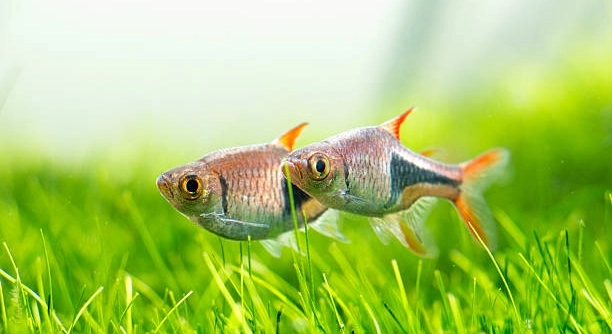
Have you ever noticed your rasboras looking dull or faded, even though they seemed vibrant just days ago? Watching their colors fade can be worrying, especially when you want your aquarium to remain lively and bright. Rasboras can lose their color due to a combination of environmental stress, poor diet, illness, inadequate lighting, improper water … Read more
Do Rasboras Prefer Smooth or Sharp Decor?

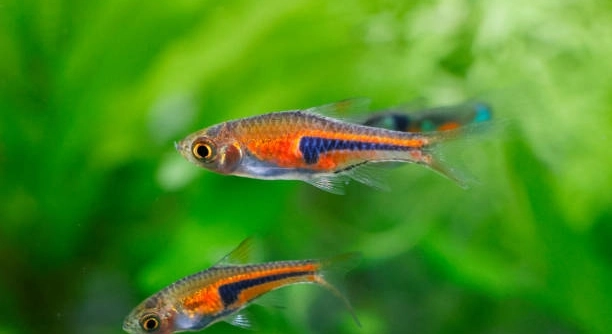
Many aquarium enthusiasts enjoy decorating tanks with both plants and ornaments, often choosing between smooth stones or sharp-edged decorations. The choice can affect fish behavior, making the aquarium a safer and more comfortable environment for them. Rasboras generally prefer smooth decor as it minimizes the risk of injury. Smooth surfaces allow easier swimming and reduce … Read more

Why Did My Rasbora Leave the Group Today?

Many fish owners enjoy keeping rasboras in lively groups, but sometimes one may suddenly swim away from the school. These small, social fish usually stay together, making any separation noticeable and a bit concerning for aquarists. A rasbora leaving its group today is often a response to stress, illness, or environmental changes. Sudden shifts in … Read more

7 Easy Plants That Thrive with Rasboras

Rasboras are small, peaceful fish that add color and movement to any aquarium. Many aquarists enjoy pairing them with plants that create natural hiding spots and enrich the tank environment for these active fish. Several plants thrive alongside rasboras due to their calm nature and moderate water conditions. Species such as Java fern, Anubias, and … Read more

Are Rasboras Prone to Swim Bladder Issues?

Rasboras are small, colorful freshwater fish that brighten up any aquarium. They are peaceful and social, often swimming in groups. Keeping them healthy requires attention to their diet, water quality, and overall environment. Rasboras can develop swim bladder issues, though they are not inherently prone. These problems usually result from dietary imbalances, overfeeding, or sudden … Read more

What If Rasboras Avoid the Tank Center?

Many aquarists enjoy watching rasboras swim gracefully around their tanks. These small, peaceful fish often add color and movement, but sometimes they avoid the center of the tank, staying near plants or corners instead. Rasboras may avoid the tank center due to stress, lack of cover, or feeling exposed. Providing plants, decorations, or gentle lighting … Read more

7 Tips for Handling Skittish Rasboras

Skittish rasboras can be a challenge to care for, especially when they dart around at the slightest movement in their tank. Observing them can be stressful for beginners, but patience and the right techniques make a difference. Handling skittish rasboras requires creating a calm environment, minimizing sudden movements, and providing consistent feeding routines. Proper tank … Read more

7 Items Rasboras Might Mistake for Food

Many fish owners enjoy watching their rasboras swim in vibrant groups. These tiny fish are often curious, exploring every corner of the tank. Sometimes, they mistake small objects for food, which can be surprising and concerning for caretakers. Rasboras frequently confuse small, floating, or colorful items with edible matter. Objects such as fish tank decorations, … Read more

7 Tips to Help Rasboras Recover from Stress

Many aquarium owners enjoy keeping rasboras because of their lively colors and peaceful behavior. These small fish can sometimes show signs of stress, which affects their health and overall activity in the tank environment. Rasboras recover from stress most effectively when their environment is stable, water quality is optimal, and they receive consistent care. Reducing … Read more

7 Facts About Rasbora Territorial Behavior

Rasboras are small schooling fish often praised for calm behavior, yet subtle territorial patterns exist. This article introduces key facts about how these fish interact, establish space, and respond to tank conditions in home aquariums. Rasbora territorial behavior is generally mild, structured around social hierarchy rather than aggression. Territorial displays occur during feeding or breeding … Read more