
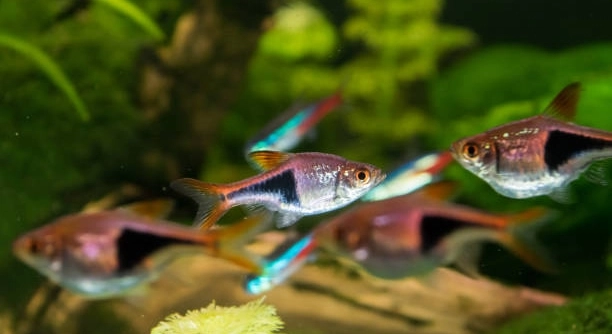
Rasboras are small schooling fish often praised for calm behavior, yet subtle territorial patterns exist. This article introduces key facts about how these fish interact, establish space, and respond to tank conditions in home aquariums.
Rasbora territorial behavior is generally mild, structured around social hierarchy rather than aggression. Territorial displays occur during feeding or breeding periods, influenced by tank size, group density, and environmental enrichment, which collectively regulate spacing and reduce sustained conflict among groups.
Clear insights into these behaviors help aquarists create balanced tanks that support harmony, health, and long-term stability for community species.
Schooling Reduces Territorial Pressure
Rasboras rely on schooling to manage space and reduce stress within shared environments. When kept in adequate numbers, individual fish feel less pressure to defend small areas. I have noticed that groups move as one unit, spreading attention evenly and limiting dominance displays. Territorial signals remain subtle, often limited to brief posturing or short chases. These behaviors rarely escalate when the school size is appropriate. Smaller groups create uneven social balance, which increases tension and competition. Consistent group movement also helps distribute access to food and shelter. This shared structure supports stability and predictable interactions. In well-sized schools, rasboras prioritize cohesion over control of space. Their natural tendency to stay close reinforces calm behavior. Understanding this dynamic allows aquarists to plan stocking levels that support natural instincts while reducing unnecessary stress across the tank. This approach reflects how I maintain peaceful tanks through observation and careful adjustments over time consistently.
School size directly influences how often territorial behaviors appear. Larger groups dilute attention, while smaller groups amplify stress. Maintaining recommended numbers promotes smoother interactions, balanced movement, and reduced competition, making daily care easier and more predictable for both fish and keeper. This balance supports long-term stability in community aquariums overall.
Territorial behavior also shifts during feeding and breeding periods. Food distribution can temporarily increase chasing, especially in tight spaces. I prefer spreading food across the tank to reduce crowding. During breeding readiness, males may guard small zones briefly. These actions remain controlled and short-lived. Providing visual breaks like plants or wood helps redirect focus. Open swimming areas combined with covered sections create balance. When environmental needs are met, territorial actions fade quickly. Observing daily patterns makes it easier to adjust layouts. Simple changes often restore calm without disrupting established social structures. This approach aligns with my preference for care methods.
Tank Setup Shapes Territorial Limits
Tank layout plays a direct role in shaping rasbora territorial limits. Poor design compresses movement and raises tension. Thoughtful placement of plants, open areas, and shelters helps fish establish comfortable spacing without triggering repeated defensive behaviors. I focus on simplicity and consistency when arranging shared spaces for long-term balance stability.
Adequate tank size allows rasboras to express natural movement patterns without crowding. When space is limited, even peaceful species display increased territorial responses. I choose longer tanks to support horizontal swimming, which suits their behavior. Dense planting along the edges provides retreat options without blocking flow. Central open zones reduce bottlenecks during feeding. Lighting also matters, as overly bright conditions can heighten stress. Gentle filtration maintains water movement without forcing fish into corners. Consistency in layout helps fish recognize safe zones. Frequent rearranging can reset boundaries and cause confusion. Stable environments support predictable behavior. Over time, rasboras adapt to their surroundings and reduce unnecessary displays. Observing how fish use each section guides small adjustments. These changes do not need to be complex. Practical design choices often resolve tension more effectively than altering stock levels. A balanced setup supports calm schooling and long-term health. I have found that patience is essential when evaluating results. Allowing several weeks for behavior to settle prevents overcorrection. Simple notes help track progress. This measured approach keeps maintenance manageable while respecting the fish natural adjustment process. It also aligns with my preference for calm, orderly aquariums over constant changes that disrupt established routines and increase stress.
Feeding Time and Territorial Signals
Feeding time often reveals mild territorial behavior among rasboras. I notice brief chasing when food lands in one area. This response is not aggressive but competitive. Spreading food evenly reduces pressure, keeps movement fluid, and helps every fish feed without repeated displays during daily routines at home aquariums setups overall.
Rasboras react quickly to food cues, which can tighten spacing within seconds. When food drops suddenly, individuals rush forward, creating short-lived competition. I avoid single feeding points by using floating foods or slow release methods. This keeps fish moving instead of clustering. Consistent feeding schedules also reduce tension. Fish learn when food arrives and remain calmer beforehand. Over time, these habits limit repeated chasing. Territorial signals fade once feeding ends, especially in well-sized groups. Balanced nutrition and portion control further support stability. Predictable routines encourage orderly behavior rather than defensive responses during daily care in shared tanks at home settings.
Feeding tools influence territorial behavior more than many expect. Automatic feeders disperse small amounts gradually, lowering urgency. I have found that hand feeding can increase clustering if repeated in the same spot. Rotating feeding locations prevents pattern formation. Tank mates also affect responses, as faster species may draw attention. Adjusting food size helps slower rasboras compete without stress. Observation during meals reveals subtle hierarchy shifts. These changes are temporary and rarely persist. Simple adjustments during feeding support calm interaction and protect overall group balance within community aquariums, especially those maintained long-term with consistent care routines and stable conditions overall daily.
Breeding Period Territorial Shifts
Breeding readiness slightly alters rasbora territorial behavior. Males may hover near preferred areas briefly. I observe more posturing near plants and shaded zones. These displays remain controlled and do not spread through the tank. Adequate space allows females to move freely. Once spawning interest passes, spacing returns to normal. These shifts are subtle and easy to manage with thoughtful layout choices in home aquariums, especially planted community setups with stable lighting and water flow patterns.
Environmental cues strongly influence breeding-related territorial changes. Warmer temperatures, extended lighting, and increased food availability can heighten activity. I adjust these factors slowly to avoid sudden tension. Dense planting provides focus areas without forcing isolation. When space is balanced, breeding behavior remains localized. Other fish continue schooling normally. Monitoring interactions during this period helps prevent overcrowding in key zones. Removing visual barriers can increase stress, so I keep layouts consistent. After breeding attempts, behavior stabilizes without intervention. Allowing fish to complete natural cycles supports long-term balance. These observations guide my maintenance decisions and reduce unnecessary changes over time, especially in established tanks where routines remain predictable and stocking levels are kept stable through regular observation and careful planning by the keeper at home setups overall.
Overcrowding and Social Tension
Rasboras respond to overcrowding with increased spacing behavior and subtle dominance displays. I see more chasing when tanks feel cramped. Limited swimming room forces closer contact. This pressure raises stress levels and disrupts schooling flow, even among peaceful groups kept together long term in shared home aquariums over time consistently.
Maintaining proper stocking levels prevents these issues. I prefer understocking slightly to preserve movement. Extra space allows natural schooling and reduces competition. Stable conditions support calmer behavior patterns. Regular observation helps adjust numbers before stress becomes visible or behavior shifts become difficult to correct later in shared aquariums long term.
Influence of Tank Mates
Tank mates influence rasbora territorial behavior through speed, size, and feeding habits. I avoid pairing them with fast or fin-focused species. Calm companions allow rasboras to maintain loose boundaries without pressure. Mixed behavior tanks increase competition during meals and resting periods. Choosing species with similar temperaments supports balance. Vertical swimmers reduce overlap. Bottom dwellers rarely interfere. When tank mates align well, territorial signals remain brief. Observation during introduction is essential. Early signs of stress guide changes. Thoughtful selection prevents long-term tension and protects schooling dynamics in community aquariums over time with consistent care routines and stable stocking choices applied carefully.
Lighting and Visual Boundaries
Lighting and décor placement affect how rasboras claim space. I use moderate lighting and natural cover. Strong light increases alertness. Visual breaks limit direct interaction. Consistent placement helps fish recognize safe areas. These choices reduce repeated displays and support calm movement throughout the tank daily in shared home aquariums consistently.
Do rasboras show true territorial behavior?
Rasboras do not display strong territorial behavior compared to many other freshwater species. Their interactions focus more on social structure and schooling order. I usually see short chases or positioning movements rather than defended areas. These behaviors are brief and rarely escalate. Space is shared rather than claimed. When conditions are stable, rasboras prioritize group cohesion over control of specific zones. This makes them suitable for peaceful community tanks where harmony matters more than dominance displays.
Does tank size affect rasbora territorial behavior?
Tank size has a direct impact on how rasboras interact. In smaller tanks, spacing becomes limited, which increases competition. I notice more frequent chasing when swimming room is restricted. Larger tanks allow smoother movement and reduce repeated contact. Horizontal space matters most. When fish can move freely, territorial signals decrease. Adequate size supports natural schooling and lowers stress, keeping behavior predictable and calm over time.
How many rasboras should be kept together?
Rasboras thrive in groups, and small numbers often lead to imbalance. I prefer keeping at least six, though larger groups perform better. Bigger schools spread attention evenly and reduce pressure on individuals. This lowers the chance of repeated chasing. Group size supports confidence and natural movement. When numbers are too low, dominant behavior becomes more visible. Proper grouping helps maintain peaceful interaction throughout the tank.
Can rasboras become aggressive during feeding?
Feeding can trigger brief competitive behavior. Rasboras rush toward food, which may look aggressive but usually is not. I see this most when food is dropped in one spot. Spreading food reduces clustering and keeps movement fluid. Once feeding ends, behavior settles quickly. Consistent routines help fish remain calm before meals. These feeding responses are temporary and manageable with simple adjustments.
Do breeding periods change rasbora behavior?
Breeding readiness can slightly increase territorial signals, especially among males. I observe hovering near plants and gentle posturing. These actions stay localized and short-lived. Adequate cover allows fish to move away easily. Once breeding interest passes, behavior returns to normal. These shifts do not disrupt the entire group when space and layout are balanced. Observation helps distinguish breeding activity from stress responses.
Are rasboras territorial toward other species?
Rasboras rarely direct territorial behavior toward other species. Issues arise more from incompatible tank mates. Fast or assertive fish can increase stress and trigger defensive responses. I choose calm species with similar movement patterns. Bottom dwellers usually coexist without issue. When tank mates align well, rasboras maintain loose boundaries and remain focused on schooling rather than competition.
Does tank décor influence territorial behavior?
Décor plays a major role in shaping interactions. Plants, wood, and visual breaks reduce direct contact. I notice calmer movement when fish have clear paths and resting zones. Overcrowded décor can trap fish and raise tension. Balanced layouts support shared space without forcing isolation. Consistency matters. Frequent changes can confuse boundaries and reset behavior. Stable décor supports predictable interaction.
Can overcrowding cause long-term behavior issues?
Overcrowding increases stress and repeated chasing. While rasboras are adaptable, constant pressure can weaken schooling behavior. I have seen fish become less coordinated in crowded tanks. Reducing stock levels restores balance quickly. Extra space allows natural spacing and lowers competition. Addressing overcrowding early prevents long-term disruption and supports healthier group dynamics.
How does lighting affect rasbora territorial signals?
Lighting influences alertness and movement. Bright lighting can heighten activity and tension. I use moderate lighting to keep behavior steady. Shaded areas allow retreat without isolation. Consistent lighting schedules help fish adjust and remain calm. Sudden changes can increase stress. Thoughtful lighting supports smooth schooling and limits unnecessary displays.
Do rasboras need intervention when territorial behavior appears?
Most territorial signals resolve on their own. I rarely intervene unless behavior becomes repetitive. Small changes like adjusting feeding methods or adding cover often solve issues. Observation is key. Rash changes can worsen stress. Allowing time for fish to adjust usually leads to stability. Rasboras are resilient when their basic needs are met.
Is territorial behavior a sign of poor tank conditions?
Not always. Mild territorial behavior is normal during feeding or breeding. However, constant chasing can indicate space or compatibility issues. I review tank size, group numbers, and layout when patterns persist. Water quality also matters. Stable conditions support calm behavior. Addressing root factors restores balance without major disruption.
Can rasboras be kept in beginner aquariums despite these behaviors?
Yes, rasboras are well suited for beginners. Their territorial behavior is mild and predictable. I recommend them for community tanks because they respond well to simple care routines. Understanding their social needs prevents issues. With proper grouping and space, rasboras remain peaceful and easy to manage over time.
Final Thoughts
Rasbora territorial behavior is often misunderstood because it appears subtle and controlled. In most cases, these fish are responding to space, routine, and environmental balance rather than defending fixed areas. Through observation, I have learned that calm behavior is usually the result of consistency. Stable tank size, proper group numbers, and predictable feeding routines support harmony. Rasboras rely on movement and shared space, not isolation. When their needs are met, their behavior remains steady and easy to manage. Small adjustments often bring noticeable improvement. These fish respond well to thoughtful care without requiring constant intervention. Understanding their patterns helps prevent unnecessary changes that may cause stress. Their behavior reflects the conditions provided, making them a clear indicator of tank balance. This makes rasboras rewarding to keep for aquarists who value observation and patience over frequent adjustments.
Maintaining a peaceful environment depends on recognizing early signs rather than reacting to isolated moments. Brief chasing, posturing, or spacing changes are normal and usually temporary. I have found that restraint is often more effective than immediate correction. Allowing time for adjustment helps fish settle naturally. Overcorrecting can disrupt established routines and increase tension. Simple actions like improving layout flow or adjusting food distribution often resolve issues. Rasboras adapt quickly when given space and consistency. Their social structure depends on shared movement, so preserving open swimming areas matters. Regular observation builds confidence in decision making. This approach reduces stress for both fish and keeper. Over time, patterns become familiar, making it easier to maintain balance without frequent changes or complex solutions.
Rasboras remain a strong choice for community aquariums due to their predictable behavior and gentle social structure. Their mild territorial tendencies do not overshadow their cooperative nature. With proper planning, these behaviors blend seamlessly into daily tank life. I appreciate how they communicate balance through movement rather than conflict. Their behavior encourages a slower, more attentive approach to aquarium care. By focusing on stability, space, and routine, long-term success becomes achievable. Rasboras reward consistency with calm interaction and healthy schooling. This makes them suitable for both newer and experienced keepers. Their behavior serves as a reminder that simplicity often supports the best outcomes. A steady environment allows rasboras to thrive while maintaining a peaceful and visually pleasing aquarium.

Hello,
If you enjoy the content that we create, please consider saying a "Thank You!" by leaving a tip.
Every little bit helps us continue crafting quality advice that supports the health, happiness, and well-being of pets around the world, for pets of all shapes, sizes, and species.
We really appreciate the kindness and support that you show us!