
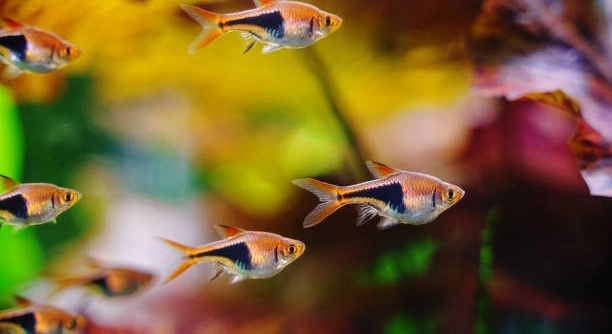
Rasboras are small, colorful freshwater fish that brighten up any aquarium. They are peaceful and social, often swimming in groups. Keeping them healthy requires attention to their diet, water quality, and overall environment.
Rasboras can develop swim bladder issues, though they are not inherently prone. These problems usually result from dietary imbalances, overfeeding, or sudden changes in water conditions. Maintaining a stable environment and proper nutrition reduces the risk of swim bladder disorders.
Recognizing early signs and understanding causes can help protect your rasboras’ health and ensure they thrive in your aquarium.
Common Causes of Swim Bladder Issues
Swim bladder problems in rasboras often stem from overfeeding or an improper diet. Feeding large amounts of dry flakes or frozen foods that expand in the stomach can lead to digestive difficulties. Sudden changes in water temperature or quality also affect the swim bladder, causing imbalance. Poor water conditions, including high ammonia or nitrate levels, place stress on the fish, making them more vulnerable to internal issues. Even minor injuries from tank decorations or aggressive tankmates can trigger swim bladder disorders. Some rasboras are genetically predisposed, meaning their swim bladder may be more sensitive to minor environmental changes. Observing swimming patterns and feeding behavior can provide early signs of trouble. Adjusting feeding routines, maintaining stable water parameters, and providing a balanced diet can significantly reduce the risk. Including vegetables or specially formulated pellets can aid digestion. Regular tank cleaning and water changes help prevent stress and disease, ensuring the fish remain healthy and active.
Dietary imbalances and environmental stress are the main triggers for swim bladder issues in rasboras, requiring careful monitoring.
Early detection involves watching for abnormal swimming, floating, or sinking. Prompt adjustments in care and feeding can restore normal function and prevent further complications, making attention to detail crucial for maintaining their well-being.
Symptoms to Watch For
Swim bladder issues often manifest as floating upside down or struggling to maintain position in water. Rasboras may also swim sideways or appear bloated.
Some rasboras exhibit lethargy, reduced appetite, or difficulty reaching food at the surface. Observing these behaviors early allows corrective measures such as adjusting diet, improving water quality, or temporarily fasting the fish. Consistent monitoring can prevent minor issues from becoming severe.
Addressing swim bladder disorders starts with understanding the physical symptoms and their causes. Feeding soaked or smaller portions can prevent digestive stress. Gradual water temperature adjustments help stabilize internal function, while a clean environment reduces pressure on the fish. Sometimes, separating affected fish allows targeted care without interference from other tankmates. Correcting dietary imbalances, such as providing fiber-rich foods, supports digestion and reduces internal pressure. Maintaining proper tank maintenance, including regular water testing and partial changes, ensures stable conditions that protect the swim bladder. With consistent attention, rasboras can recover and maintain normal swimming behavior. Recognizing early signs and taking action quickly is essential for long-term health and vitality.
Preventing Swim Bladder Problems
Maintaining a balanced diet is key to preventing swim bladder issues. Feed small portions multiple times a day, avoid overfeeding, and include fiber-rich foods. Keep water parameters stable and perform regular water changes to reduce stress. Avoid sudden temperature swings.
Providing a proper environment greatly reduces swim bladder risk. Rasboras thrive in clean, well-filtered water with stable temperatures. Floating or sinking issues often stem from dietary or environmental stress. Avoid overcrowding the tank and remove aggressive tankmates. Offering varied foods, such as high-quality flakes and occasional vegetables, supports digestion. Monitoring water quality and adjusting feeding routines can prevent problems from developing. Simple, consistent care ensures healthier, active fish and reduces the chance of swim bladder disorders.
Observation plays a crucial role in prevention. Watch for early signs like slight imbalance or hesitation while swimming. Prompt adjustments in diet, water quality, or tank setup often correct issues before they escalate. Providing a stress-free environment and maintaining proper nutrition ensures rasboras remain healthy and swim confidently. Consistency in care is the most effective preventive measure.
Treating Affected Rasboras
Isolating affected fish helps prevent stress from tankmates and allows focused care. Adjust diet and water conditions immediately to support recovery.
Treatment usually begins with dietary changes. Fasting for a day or two helps clear digestive blockages, followed by feeding small amounts of cooked, skinned peas or fiber-rich vegetables. Soaking dry foods before feeding reduces expansion in the stomach. Maintain stable water temperature and ensure excellent water quality. Avoid sudden movements or changes in the tank, which can worsen symptoms. In some cases, medicated foods or water additives prescribed for digestive health may be necessary. Regular observation ensures the fish is gradually returning to normal swimming behavior and appetite.
Patience is essential during recovery. Even minor swim bladder issues can take several days to resolve. Continue monitoring water parameters, adjust feeding routines carefully, and maintain a calm environment. If multiple fish are affected, consider reviewing overall tank conditions and diet for the group. Recovery often depends on consistent care and attention to detail, rather than aggressive interventions. Tracking progress and making small, steady adjustments ensures the affected rasboras regain health and regain proper swimming control over time.
Diet Adjustments for Swim Bladder Health
Feeding small, frequent meals helps prevent overloading the digestive system. Include fiber-rich foods like peas to support proper digestion and reduce pressure on the swim bladder. Avoid floating flakes that expand too quickly in the stomach.
Soaking dry foods before feeding can prevent digestive issues. A varied diet keeps rasboras healthy and reduces the risk of swim bladder problems. Observing how your fish respond to different foods ensures they receive what is easiest to digest.
Water Quality Considerations
Stable water parameters are essential. Monitor ammonia, nitrite, and nitrate levels regularly. Sudden changes in temperature or pH can stress rasboras and trigger swim bladder issues. A clean, well-filtered tank supports overall health and minimizes risks of digestive or buoyancy problems.
Observing Recovery Progress
Tracking swimming behavior and appetite is crucial. Gradual improvement indicates successful intervention. Immediate attention to changes in movement helps ensure timely adjustments.
FAQ
What causes swim bladder issues in rasboras?
Swim bladder problems are usually linked to diet and environmental factors. Overfeeding, feeding dry foods that expand in the stomach, or sudden changes in water quality can trigger issues. Stress from overcrowding, aggressive tankmates, or poor water conditions can also affect the swim bladder.
Can swim bladder issues be prevented?
Yes. Maintaining a balanced diet and feeding small portions helps prevent digestive stress. Regular water changes and stable water parameters reduce environmental stress. Avoid overcrowding, monitor tank conditions, and provide a clean, well-filtered environment to minimize risks. Observation of behavior helps detect early signs before problems worsen.
How can I tell if my rasbora has a swim bladder problem?
Signs include floating upside down, swimming sideways, struggling to maintain position, or appearing bloated. Reduced appetite and lethargy may also indicate issues. Monitoring swimming patterns daily allows early detection and timely intervention. Quick adjustments in care often resolve minor problems before they escalate.
What foods help rasboras with swim bladder issues?
Cooked, skinned peas are commonly recommended because they support digestion and relieve internal pressure. Soaked dry foods reduce expansion in the stomach. Including fiber-rich vegetables or high-quality pellets designed for digestive health can prevent or improve swim bladder problems. Avoid overfeeding or large meals.
Should I isolate affected fish?
Isolating fish with swim bladder issues is often helpful. Separation reduces stress from active or aggressive tankmates. It allows focused care, including monitoring feeding and swimming behavior. Isolation also prevents other fish from competing for food or disturbing a recovering rasbora.
How long does recovery take?
Recovery varies based on severity and care. Minor issues may resolve in a day or two with dietary adjustments. More serious cases can take several days to weeks. Consistent monitoring, proper diet, and stable water conditions are essential for a full recovery. Patience is key.
Can water temperature affect swim bladder health?
Yes. Sudden changes in temperature can stress fish, affecting their swim bladder. Maintaining a stable, appropriate temperature for rasboras is important. Gradual adjustments, when necessary, help avoid shock or digestive disturbances. Consistency in the tank environment supports overall health.
Are some rasboras more prone to swim bladder problems?
Genetic factors can make certain rasboras more sensitive to diet or environmental changes. While most are healthy with proper care, some individuals may show recurring issues. Careful monitoring, stable conditions, and proper feeding reduce risks even for more sensitive fish.
Is overfeeding a common cause of swim bladder issues?
Yes, overfeeding is a leading factor. Excess food can cause digestive blockages, which increase pressure on the swim bladder. Feeding small, frequent meals and avoiding excessive dry flakes prevents these issues. Observing how fish eat ensures they receive appropriate portions.
What role does water quality play in prevention and recovery?
Water quality is critical. High ammonia, nitrite, or nitrate levels stress fish and can worsen swim bladder problems. Regular water changes, proper filtration, and monitoring parameters create a healthy environment. Clean water supports digestion, reduces stress, and promotes faster recovery.
Can swim bladder issues become serious if untreated?
Yes. Untreated swim bladder problems can lead to difficulty eating, infection, or chronic stress. Persistent buoyancy problems affect movement, growth, and overall health. Prompt attention to diet, water quality, and tank conditions is essential to prevent long-term complications.
Are there any medications for swim bladder issues?
Medications are rarely required for simple cases caused by diet or minor stress. In some situations, digestive aids or antibacterial treatments may be recommended by a veterinarian. Focus on diet, water quality, and observation first. Medication is typically a last resort.
How often should I monitor my rasboras?
Daily observation is best. Watching for swimming patterns, appetite, and behavior helps catch early signs of swim bladder problems. Early detection allows prompt intervention and prevents minor issues from becoming more serious. Consistent monitoring is part of routine care.
Can tank decorations cause swim bladder issues?
Yes, sharp or unstable decorations may injure fish, indirectly affecting the swim bladder. Ensure decorations are smooth and stable. Avoid overcrowding the tank with obstacles. A safe environment reduces the risk of physical stress or injury that could contribute to buoyancy problems.
What is the best approach if multiple fish are affected?
Evaluate diet, feeding routine, and water quality for the entire tank. Treating multiple fish individually may be challenging, so improving overall conditions is essential. Consider isolating the most affected fish while adjusting care for all. Consistent environmental and dietary changes benefit the group.
Can stress alone trigger swim bladder issues?
Stress from overcrowding, aggressive tankmates, or sudden environmental changes can impact the swim bladder. Minimizing stress through stable water parameters, a calm environment, and proper tank setup reduces the likelihood of problems. Stress management is as important as diet and water quality.
How can I maintain long-term swim bladder health in rasboras?
Feed a balanced diet in small portions, monitor water quality, maintain stable temperature, and provide a calm, safe environment. Observe behavior regularly and make small adjustments as needed. Consistency in care ensures swim bladder health and overall well-being for your rasboras.
Are there any signs that indicate permanent damage?
Persistent inability to swim normally, chronic floating or sinking, and prolonged loss of appetite may suggest long-term issues. If symptoms do not improve after several days of proper care, consult a veterinarian experienced with fish. Early intervention increases chances of recovery.
Can diet alone fix swim bladder problems?
Dietary changes often resolve mild swim bladder issues. Soaked flakes, fiber-rich vegetables, and controlled portions relieve digestive stress. Severe cases may require environmental adjustments or veterinary care, but diet is usually the first and most effective step in treatment.
Is it normal for rasboras to float occasionally?
Occasional floating can happen, especially after feeding. Brief buoyancy changes are not always a sign of illness. Watch for persistent abnormal swimming, bloating, or difficulty eating, which indicate a true swim bladder problem rather than normal post-feeding behavior.
How do I know if my interventions are working?
Improved swimming, balanced buoyancy, and returning appetite are signs of progress. Continue observing behavior daily, adjusting diet and water parameters as needed. Patience and consistency in care ensure gradual recovery and minimize the chance of relapse.
Can stress from tankmates be prevented?
Yes. Keep rasboras with peaceful, compatible species. Avoid overcrowding and aggressive fish. Providing hiding spots and open swimming areas reduces stress. A calm, stable tank helps maintain healthy behavior and prevents swim bladder issues triggered by anxiety or conflict.
What is the role of fasting in treatment?
Fasting for one to two days can relieve digestive blockages that press on the swim bladder. Follow fasting with small, easy-to-digest meals like peas. This approach reduces internal pressure and supports recovery without overwhelming the fish.
Should I adjust feeding frequency during recovery?
Yes. Smaller, more frequent meals prevent overloading the digestive system and reduce pressure on the swim bladder. Avoid large portions and monitor the fish’s response to ensure proper digestion. Gradual reintroduction of normal feeding routines supports healing.
How important is consistency in water temperature?
Very important. Sudden fluctuations can stress rasboras and worsen swim bladder problems. Maintain a stable temperature appropriate for the species. Gradual adjustments, if necessary, protect digestion and buoyancy control, promoting faster and safer recovery.
Can swim bladder issues recur?
Yes, if underlying causes are not addressed. Overfeeding, poor water quality, or stress can trigger recurring problems. Maintaining a balanced diet, stable environment, and careful observation reduces the likelihood of repeat swim bladder issues.
Are juvenile rasboras more susceptible?
Young rasboras are more sensitive to diet and environmental changes. Overfeeding or sudden shifts in water conditions can affect their swim bladder more easily. Extra care in feeding routines and tank stability helps prevent early-life issues.
What equipment helps maintain healthy conditions?
Reliable filtration, a heater for stable temperature, and water testing kits are essential. Proper equipment ensures water quality and consistency, reducing stress and promoting digestive health. Maintaining clean, well-monitored tanks supports swim bladder function and overall well-being.
How long should I continue monitoring after recovery?
Even after improvement, continued observation is important. Watch swimming behavior, appetite, and tank conditions for several weeks. Early detection of minor changes prevents relapse and ensures the fish remains healthy and active.
Can diet, environment, and observation together prevent most swim bladder issues?
Yes. A balanced diet, stable water parameters, appropriate tank setup, and careful observation significantly reduce swim bladder problems. Consistency in care is more effective than interventions after symptoms appear, ensuring long-term health and normal swimming behavior.
Is professional help ever necessary?
Veterinary advice may be needed for severe or persistent cases. If symptoms do not improve with diet and environmental adjustments, consulting a fish-specialized vet ensures proper diagnosis and treatment, especially for chronic or complicated swim bladder issues.
Can stress from moving the tank trigger issues?
Yes. Sudden relocation or frequent handling can stress rasboras. Minimize disturbances during maintenance and ensure gradual acclimation when changing tanks. A stable, calm environment supports swim bladder health and overall well-being.
How do I prevent future problems after recovery?
Maintain a balanced diet, stable water parameters, proper feeding routines, and a safe tank environment. Regular observation and timely adjustments prevent recurrence, supporting healthy swimming and long-term fish vitality. Consistency in care is the most reliable prevention strategy.
Are there natural ways to support recovery?
Providing fiber-rich foods, maintaining clean water, and reducing stress are natural methods. Avoiding overfeeding and using gentle tank decorations supports digestion and buoyancy. These steps often allow rasboras to recover without medication or intensive intervention.
What are the most common mistakes owners make?
Overfeeding, ignoring water quality, sudden temperature changes, and overcrowding are frequent errors. Skipping observation or neglecting dietary adjustments can worsen swim bladder issues. Simple, consistent care avoids most problems and keeps fish healthy.
How important is tank size?
Adequate space prevents stress and ensures proper swimming. Crowded tanks increase competition for food and movement restrictions, contributing to swim bladder problems. Providing enough space allows fish to move freely and reduces risk of buoyancy disorders.
Can stress from other fish cause relapse?
Yes. Aggressive or fast-moving tankmates can disturb recovering rasboras, causing stress that affects the swim bladder. Monitoring tank dynamics and ensuring peaceful companions help prevent relapse and maintain recovery progress.
Are frozen foods safe for rasboras?
Frozen foods can be safe if properly prepared. Thaw and rinse before feeding to reduce digestive stress. Avoid feeding large portions at once. Incorporating varied foods supports balanced nutrition and reduces swim bladder risks.
How can I tell if water quality is affecting swim bladder?
Signs include sudden changes in swimming behavior, lethargy, or stress after water parameter shifts. Testing ammonia, nitrite, nitrate, and pH levels regularly helps detect issues early. Maintaining clean, stable water prevents environmental triggers.
Can mild swim bladder issues self-correct?
Sometimes minor issues resolve with stable conditions and proper diet. Observation is crucial, as even mild problems can worsen if underlying causes are not addressed. Preventive measures are better than waiting for self-correction.
What role does fiber play in prevention and treatment?
Fiber aids digestion and reduces pressure on the swim bladder. Foods like peas help clear blockages, prevent constipation, and support overall internal health, making it an effective natural approach to both prevention and treatment.
How often should I test water?
Weekly testing is ideal for stable parameters. More frequent checks may be needed after maintenance or noticeable changes. Regular monitoring ensures early detection of conditions that could affect swim bladder health.
Are certain fish foods more likely to cause problems?
Flakes that expand in water or overly dense pellets can trigger digestive issues. Soaking or providing smaller portions reduces the risk. A varied diet with fiber-rich components supports healthy digestion and swim bladder function.
Can poor swimming posture always indicate swim bladder issues?
Not always. Brief changes may occur after feeding or during normal activity. Persistent or repeated floating, sinking, or sideways swimming indicates a real problem requiring attention. Observation over time clarifies whether it is a true disorder.
Is swim bladder a common issue in all freshwater fish?
It occurs in many species, but some, like rasboras, are more sensitive to diet and environmental stress. Proper care, feeding, and monitoring reduce the likelihood, though occasional cases may still arise.
Does tank maintenance affect swim bladder health?
Yes. Regular water changes, substrate cleaning, and filtration upkeep prevent stress and digestive issues. Clean tanks reduce toxins, support immune health, and promote normal swimming behavior. Consistent maintenance is key to prevention and recovery.
How do I know if a fish is stressed?
Signs include erratic swimming, hiding, loss of appetite, or clamped fins. Stress increases vulnerability to swim bladder problems. Addressing environmental and dietary factors promptly reduces risks.
Are homemade foods safe for rasboras?
Homemade foods can be safe if prepared correctly. Avoid foods that expand in the stomach or are hard to digest. Properly cooked vegetables or commercially recommended supplements support digestive health and prevent swim bladder issues.
Should I change water more frequently during recovery?
Yes. Partial water changes help maintain optimal conditions, reduce stress, and support healing. Monitor parameters closely and avoid drastic changes that could shock the fish, ensuring a stable environment for recovery.
Can swim bladder problems affect growth?
Persistent or severe issues may impact feeding and activity, indirectly affecting growth. Ensuring proper diet, stable water, and reduced stress supports normal development and prevents long-term consequences.
What is the key takeaway for long-term prevention?
Consistent care, balanced diet, stable water, and observation prevent most swim bladder problems. Early detection and gradual interventions ensure rasboras remain healthy and maintain proper swimming behavior.
Are there signs that indicate full recovery?
Normal swimming, steady buoyancy, regular appetite, and active behavior indicate recovery. Continuous monitoring ensures sustained health and prevents recurrence of swim bladder problems.
Can environmental enrichment impact swim bladder health?
Yes. Adequate hiding spots, open swimming areas, and smooth decorations reduce stress and promote healthy behavior. A well-planned tank environment supports buoyancy control and overall well-being.
How do I balance prevention and treatment in daily care?
Feed small portions, maintain water quality, observe behavior, and adjust environmental factors. Prevention minimizes issues, while early intervention during minor problems ensures quick recovery. Routine care is the most effective long-term strategy.
Is there a seasonal impact on swim bladder health?
Seasonal temperature changes or fluctuations in light cycles can stress fish. Maintaining consistent conditions year-round prevents stress-related swim bladder problems. Gradual adjustments during seasonal changes reduce risk.
How can I reduce stress during feeding?
Feed small amounts gradually, avoid crowding, and ensure calm surroundings. Observing fish during feeding helps identify potential issues and supports digestion, reducing swim bladder risks.
Are fiber-rich foods necessary long-term?
Including fiber occasionally supports digestion and prevents constipation-related swim bladder issues. High-quality flakes and vegetables maintain internal health without over-reliance on fiber-heavy foods.
Can stress from handling cause swim bladder problems?
Yes. Frequent or rough handling can induce stress that affects buoyancy. Gentle care and minimal disturbance during maintenance help prevent stress-induced swim bladder issues.
Do water additives help?
Some additives support digestive health or reduce stress, but they are secondary to diet and stable water conditions. Use sparingly and according to recommendations to avoid unintended effects.
How important is tank stability overall?
Very. Consistent temperature, water quality, feeding, and minimal stress are key to preventing swim bladder problems. Stability supports both prevention and recovery, ensuring healthy, active rasboras.
What is the most effective first step when problems arise?
Adjust diet and observe behavior closely. Provide small, digestible meals, maintain stable water, and reduce stress. Early dietary and environmental interventions often resolve issues without medication.
Can multiple preventive measures be combined?
Yes. Using a balanced diet, regular observation, stable water parameters, and a safe tank environment together provides the most effective protection against swim bladder problems. Combining approaches ensures long-term health.
Are there limitations to home treatment?
Severe or persistent cases may require veterinary care. Home interventions are effective for mild to moderate issues, but professional guidance ensures proper treatment in complex situations.
Can swim bladder problems affect social behavior?
Yes. Affected rasboras may isolate or be less active with tankmates. Proper care and recovery support normal social interactions once swimming ability is restored.
How do I prevent overfeeding long-term?
Feed small, measured portions multiple times a day. Observe appetite and adjust accordingly. Avoid giving extra food as a reward, as it can stress the digestive system and lead to swim bladder issues.
Are there any long-term lifestyle changes for my rasboras?
Yes. Consistent feeding routines, clean water, stable temperature, observation, and calm tank conditions support overall health. Incorporating small, digestible foods regularly helps maintain swim bladder function.
What should I do if I notice symptoms returning?
Review diet, water quality, and tank setup immediately. Make gradual adjustments and monitor closely. Recurring issues indicate underlying environmental or dietary factors that need attention to prevent chronic problems.
Is observation more important than treatment?
Observation is critical. Detecting early signs allows preventive or corrective measures before the problem worsens. Combined with proper diet and water management, consistent observation is the foundation of swim bladder health.
How do I educate myself about swim bladder issues?
Reliable fish care guides, aquarium forums, and veterinary resources provide practical advice. Learning about species-specific needs and common issues helps prevent and address swim bladder problems effectively.
Can swim bladder problems affect reproduction?
Severe or prolonged issues may reduce energy and overall health, indirectly affecting breeding. Maintaining healthy conditions ensures normal behavior, growth, and reproductive potential.
Are live foods recommended?
Occasional live foods can support nutrition, but avoid overfeeding. Ensure they are safe and digestible to prevent swim bladder or digestive problems.
How does stress from tank changes compare to diet?
Both can trigger swim bladder issues. Stress from sudden tank alterations affects behavior and digestion, while improper diet causes internal blockages. Balanced care addresses both factors simultaneously.
Is it normal for recovered fish to have minor relapses?
Mild relapses can occur if diet or water parameters fluctuate. Monitoring and correcting conditions quickly usually restore normal swimming. Consistency prevents repeated issues.
Can swim bladder issues indicate other diseases?
Sometimes. Digestive problems, infections, or physical injury may present with similar symptoms. Observing overall health and consulting a vet if needed ensures accurate diagnosis.
Are smaller tanks riskier?
Yes. Limited space increases stress and restricts swimming. Overcrowding can exacerbate dietary or environmental problems, leading to swim bladder issues. Ade
Final Thoughts
Maintaining healthy rasboras requires consistent attention to diet, water quality, and tank conditions. Small, frequent meals prevent overfeeding and reduce digestive stress that can lead to swim bladder issues. Including fiber-rich foods like peas supports digestion and helps the fish maintain proper buoyancy. Dry foods should be soaked before feeding to prevent expansion in the stomach. A varied diet ensures the fish receive essential nutrients and helps avoid common digestive problems. Observing how rasboras respond to different foods allows adjustments that support long-term health and stability. Over time, consistent feeding practices establish a routine that reduces stress and minimizes the risk of swim bladder problems. Attention to portion size and feeding frequency is just as important as the type of food provided.
Water quality plays a major role in preventing and managing swim bladder disorders. Regular water changes and stable filtration keep ammonia, nitrite, and nitrate levels low, reducing stress and supporting digestion. Temperature should remain consistent to avoid shocking the fish, which can affect internal organ function, including the swim bladder. Proper tank setup, with smooth decorations and adequate swimming space, also helps prevent injury and stress. Overcrowding should be avoided, as competition for food and limited movement can contribute to buoyancy problems. Daily observation of swimming patterns, appetite, and general behavior allows early detection of issues. Addressing minor problems quickly often eliminates the need for more invasive measures or medical interventions. Creating a calm and stable environment is one of the most effective ways to protect rasboras from developing swim bladder issues.
Recovery and prevention are closely linked, and both require patience and careful attention. Isolating affected fish, adjusting diet, and maintaining optimal water conditions support healing and reduce the chance of recurrence. Gradual improvements in swimming behavior, appetite, and buoyancy are signs that care adjustments are working. Long-term success depends on consistent practices, including monitoring water quality, maintaining a balanced diet, and minimizing stress factors in the tank. Even after recovery, observation should continue to ensure that minor issues do not become major problems. With proper care, rasboras can thrive, swim confidently, and remain healthy for years. Consistency, attention to detail, and small preventive steps are the foundation for keeping swim bladder problems under control while ensuring the well-being of the fish.

Hello,
If you enjoy the content that we create, please consider saying a "Thank You!" by leaving a tip.
Every little bit helps us continue crafting quality advice that supports the health, happiness, and well-being of pets around the world, for pets of all shapes, sizes, and species.
We really appreciate the kindness and support that you show us!