
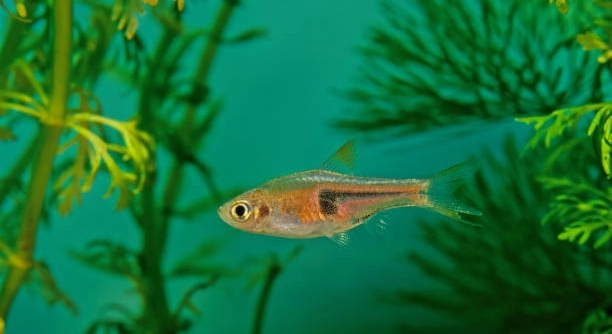
Rasboras are small, peaceful fish that add color and movement to any aquarium. Many aquarists enjoy pairing them with plants that create natural hiding spots and enrich the tank environment for these active fish.
Several plants thrive alongside rasboras due to their calm nature and moderate water conditions. Species such as Java fern, Anubias, and Cryptocoryne grow well without constant maintenance, providing shelter, oxygenation, and aesthetic appeal, which contributes to a balanced and healthy aquarium ecosystem.
Choosing the right plants ensures a harmonious tank where rasboras can flourish naturally and safely, enhancing both the visual appeal and overall health of your aquarium.
Java Fern
Java fern is a hardy plant that thrives in low to moderate light, making it ideal for tanks with rasboras. Its broad leaves provide excellent hiding spots for small fish, helping them feel secure and less stressed. This plant attaches easily to driftwood or rocks, so planting it in substrate is optional. It grows slowly, requiring minimal maintenance while still adding a natural look to your aquarium. Fertilizers can enhance growth, but Java fern can survive without frequent supplementation. Its resilience to varying water conditions makes it a reliable choice for both beginners and experienced aquarists. Rasboras enjoy swimming around its leaves, which also prevent strong currents from disturbing them.
Java fern does not demand frequent trimming, which keeps tank upkeep simple while maintaining a healthy environment for fish.
Its ability to grow in different water conditions and provide cover for rasboras makes Java fern a staple plant in aquariums. Its low maintenance allows you to focus more on observing your fish rather than constant care. The plant’s robust leaves resist algae growth, and its attachment to hardscape elements like rocks or driftwood prevents root disturbance. Java fern’s slow, steady growth ensures your tank remains visually appealing without sudden changes in plant size. Additionally, it enhances water quality by absorbing excess nutrients, reducing the likelihood of imbalances that could stress rasboras. This combination of resilience, visual appeal, and practicality makes Java fern an excellent choice for any planted aquarium housing these delicate fish.
Anubias
Anubias species grow well in shaded areas, making them perfect companions for rasboras.
Anubias plants attach to driftwood or rocks, offering hiding spots while requiring minimal care. Their thick leaves resist damage from fish activity.
Anubias thrives in low-light conditions and tolerates a range of water parameters, which is ideal for mixed-species tanks. Its slow growth means less pruning and fewer disturbances for rasboras. The plant’s sturdy leaves also help prevent algae build-up, keeping the tank cleaner. While it can survive in substrate, attaching it to decorations prevents root rot and allows it to flourish naturally. Fertilization is optional, but occasional liquid nutrients can support stronger growth. Its versatility and durability make Anubias a reliable choice for aquariums where you want beauty without constant effort. The broad leaves also create shaded areas, giving rasboras spaces to retreat when needed, reducing stress and promoting natural behavior. Over time, Anubias becomes a stable fixture that contributes to both aesthetics and ecosystem balance.
Cryptocoryne
Cryptocoryne adapts well to low and moderate light and provides dense foliage that rasboras enjoy for hiding and exploring. Its roots anchor firmly in substrate, making it stable even when fish swim actively around it.
This plant grows slowly, reducing frequent maintenance while adding texture to the tank. Cryptocoryne tolerates a variety of water conditions, which is helpful for community aquariums. Its leaves can vary in color from green to reddish-brown, offering visual contrast that enhances the tank’s appearance. While some species may experience “Crypt melt” when moved, they generally recover and continue growing. Fertilizers can boost growth, but they are not strictly necessary, keeping care simple. Rasboras swim confidently through its foliage, benefiting from both shelter and stimulation.
Regular trimming is minimal, making Cryptocoryne ideal for those who want a natural, low-maintenance tank. The plant’s dense growth improves water quality by absorbing nutrients and preventing algae spread. Its adaptability, aesthetic appeal, and protection for rasboras make it a reliable choice. Pairing it with driftwood or rocks can further enhance its structure, providing a layered environment that feels more natural for fish. Over time, it becomes an established feature that balances both form and function, keeping the aquarium healthy and visually engaging.
Vallisneria
Vallisneria grows quickly and creates long, flowing leaves that rasboras enjoy swimming around. Its tall structure adds depth and movement to the aquarium, complementing other plants.
This plant thrives in moderate to high light and tolerates varying water conditions. Its long roots stabilize substrate and absorb nutrients efficiently, reducing algae growth. Vallisneria can propagate through runners, gradually covering large areas without extra effort. Its leaves create natural corridors for rasboras, allowing them to explore while feeling secure. Occasional trimming is necessary to prevent overcrowding and maintain water flow. Fertilization encourages fuller growth, but the plant can survive without it. Its fast growth and resilience make Vallisneria a practical option for dynamic, planted tanks.
The long, ribbon-like leaves of Vallisneria provide excellent shelter for rasboras, while its rapid growth ensures the aquarium remains lush. Its ability to propagate via runners allows it to naturally expand and fill empty spaces, creating a fuller, more immersive environment. Vallisneria helps improve water quality by absorbing excess nutrients and minimizing algae proliferation. Its tall, flowing foliage offers movement and visual interest, making the tank feel more natural. By combining Vallisneria with slower-growing plants, you can create layers and contrast, giving rasboras both open swimming areas and hiding spots. This balance contributes to their health, reduces stress, and makes the aquarium easier to maintain over time.
Hornwort
Hornwort floats easily or can be anchored in substrate, making it flexible for any tank setup. Its feathery stems create hiding spots, which help rasboras feel secure and reduce stress.
This plant grows rapidly and absorbs excess nutrients efficiently, helping to maintain water quality. Its soft stems do not harm fish, allowing rasboras to swim freely through dense patches.
Amazon Sword
Amazon Sword is a robust plant with broad leaves that provide shelter for rasboras. It requires moderate light and nutrient-rich substrate to thrive, and its slow, steady growth ensures long-term stability in the aquarium. Its large leaves create shaded areas, helping to reduce fish stress and mimic natural habitats. The plant’s strong root system anchors it firmly, preventing disturbance from active swimming. Regular fertilization encourages healthy growth, though it can survive in standard conditions. Amazon Sword contributes to oxygenation and nutrient absorption, supporting overall tank health. Its presence enhances both functionality and visual appeal, making it a reliable choice for planted tanks with rasboras.
Water Wisteria
Water Wisteria grows quickly and creates a delicate, lacy look in the aquarium. Its roots and stems provide cover, making it ideal for rasboras to explore safely.
FAQ
What type of substrate is best for planted tanks with rasboras?
A nutrient-rich substrate is ideal for planted tanks with rasboras. It supports root growth for plants like Amazon Sword and Cryptocoryne while helping maintain stable water parameters. Fine gravel or sand works well for bottom-dwelling rasboras, allowing them to swim comfortably without disturbing plant roots. Avoid sharp substrates that could damage delicate fins.
How much light do these plants need?
Most plants that thrive with rasboras prefer moderate light. Java fern and Anubias do well in low light, while Vallisneria and Water Wisteria benefit from slightly brighter conditions. Using a timer for 8-10 hours per day prevents algae overgrowth while ensuring plants grow steadily. Adjusting light intensity can help balance plant health and fish activity.
Do rasboras eat or damage plants?
Rasboras are generally peaceful and do not consume live plants. They may nibble occasionally on softer stems like Hornwort or Water Wisteria, but damage is minimal. Hardier plants like Anubias and Java fern are particularly resistant to fish interaction. Dense planting helps reduce stress for fish and prevents any minor nibbling from affecting plant growth.
How often should I fertilize planted tanks?
Fertilization depends on plant type and tank setup. Root feeders or slow-release tablets work well for substrate-rooted plants like Amazon Sword. Liquid fertilizers support fast-growing plants like Vallisneria and Water Wisteria. Weekly or bi-weekly dosing is sufficient for moderate tanks. Over-fertilizing can lead to algae, so observing plant health is key.
Can these plants survive in varying water conditions?
Yes, many of the recommended plants are adaptable. Java fern, Anubias, and Cryptocoryne tolerate a wide pH and temperature range, making them suitable for most community tanks with rasboras. Vallisneria and Water Wisteria handle moderate fluctuations but perform best in stable conditions. Gradual acclimation is important when introducing new plants to avoid shock.
How do I prevent algae growth in a planted tank?
Algae control comes from balancing light, nutrients, and plant density. Fast-growing plants like Hornwort and Water Wisteria compete with algae for nutrients. Avoid overfeeding fish, keep light exposure within recommended hours, and maintain regular water changes. Adding floating plants or adjusting CO2 levels can also reduce unwanted growth while keeping rasboras comfortable.
Do I need CO2 supplementation for these plants?
CO2 supplementation is optional for most of these species. Java fern, Anubias, and Cryptocoryne grow well without additional CO2, while Amazon Sword, Vallisneria, and Water Wisteria may benefit from extra CO2 for faster growth. CO2 injection is not necessary for a healthy rasbora tank but can improve plant density and overall aesthetics.
How do I care for plants that grow quickly?
Fast-growing plants like Vallisneria, Water Wisteria, and Hornwort need periodic trimming to prevent overcrowding. Remove dead leaves and thin out dense areas to maintain water flow. Trimming encourages healthy new growth and keeps rasboras swimming freely. Frequent observation ensures plants do not dominate the tank or block light from slower-growing species.
Can I mix all these plants together in one tank?
Yes, these plants can coexist well. Combining slow-growing species like Anubias and Java fern with faster growers like Vallisneria and Water Wisteria creates layered environments. Place taller plants in the back and shorter or floating species in front. This arrangement provides hiding spots and open swimming space, creating a natural and balanced habitat for rasboras.
How do I transplant or move plants safely?
Handle roots carefully and avoid disturbing substrate too much. For plants with rhizomes like Anubias and Java fern, attach them to driftwood or rocks instead of burying them. Acclimate plants gradually to new water conditions to prevent shock. Gentle pruning before replanting helps maintain health and encourages growth.
Can these plants help improve water quality?
Yes, live plants absorb excess nutrients, reduce nitrates, and provide oxygenation, improving overall water quality. Fast-growing species like Hornwort and Water Wisteria are particularly effective at controlling nutrients and limiting algae. Healthy plants create a stable environment for rasboras, supporting both fish well-being and tank balance.
What is the best way to introduce new plants to a rasbora tank?
Rinse plants to remove pests or debris before adding them. Gradually acclimate new plants by floating them in tank water for a few hours if they come from different water conditions. Plant carefully to avoid disturbing the substrate or fish. Monitor plant and fish health closely for the first few weeks to ensure smooth integration.
How do I maintain plants during seasonal changes?
Temperature and light fluctuations can affect growth. Keep water temperature stable and maintain consistent light schedules, even during seasonal shifts. Adjust fertilization and trimming as necessary. Most hardy plants like Anubias, Java fern, and Cryptocoryne handle minor changes without issue, while fast growers may slow or accelerate depending on conditions.
Are there any plants that should be avoided with rasboras?
Delicate plants that cannot tolerate nibbling or active swimming, like some moss species or fragile stems, may not thrive. Avoid plants requiring extremely high light or CO2 if you prefer low-maintenance care. Stick to hardy, adaptable species to ensure both plant health and rasbora comfort.
How often should I trim and maintain these plants?
Maintenance varies by species. Slow-growing plants like Anubias or Java fern need trimming only when leaves decay. Fast growers like Vallisneria, Water Wisteria, and Hornwort require more frequent pruning to prevent overcrowding. Routine care ensures plants stay healthy, supports water quality, and provides a comfortable environment for rasboras.
Can I propagate these plants easily?
Yes, propagation is straightforward for most species. Vallisneria and Water Wisteria propagate through runners or cuttings. Java fern and Anubias can be divided at the rhizome. Cryptocoryne grows slowly but can be separated at the roots. Propagation helps expand planted areas without extra expense and maintains tank aesthetics.
How do I balance plant growth with rasbora activity?
Place dense plants along the tank edges and leave open swimming areas in the center. Fast-growing species provide cover while slower ones offer stability. Trimming and regular monitoring prevent plants from obstructing movement. This balance supports natural rasbora behavior while maintaining a visually pleasing aquarium.
What is the best water temperature for these plants with rasboras?
Most of these plants thrive between 22-28°C (72-82°F), aligning with ideal rasbora conditions. Stable temperatures prevent stress for both plants and fish. Avoid sudden fluctuations, as they can cause plant melt, slow growth, or stress the fish. Proper heating ensures healthy foliage and active, vibrant rasboras.
How do I prevent plant diseases or rot?
Avoid overwatering, poor light, or excessive nutrients that can cause decay. Remove dead leaves promptly. Ensure proper circulation and moderate feeding to prevent stagnation. Hardy species like Anubias, Java fern, and Cryptocoryne are less susceptible, but monitoring all plants regularly helps catch early signs of rot or infection.
Are floating plants safe for rasboras?
Yes, floating plants like Hornwort provide cover and create shaded areas without interfering with swimming. They absorb excess nutrients and diffuse light, reducing stress for rasboras. Ensure they do not block too much light from submerged plants, and occasionally thin them to maintain balance in the tank ecosystem.
How do I combine different plant types effectively?
Mix slow-growing and fast-growing plants to create layers and depth. Place tall or fast plants at the back and shorter ones in front. Floating plants add cover while substrate-rooted species stabilize the environment. This combination creates shelter, open swimming space, and visual interest for both plants and rasboras, supporting a healthy, natural aquarium.
Can these plants survive without fish in the tank?
Yes, most of these plants do not rely on fish for nutrients but benefit from fish waste as a natural fertilizer. Without fish, occasional fertilization may be needed. Plants like Java fern, Anubias, and Cryptocoryne can grow well independently, while fast growers may require additional nutrients to maintain healthy growth.
How long does it take for plants to establish in a rasbora tank?
Establishment varies by species. Fast-growing plants like Vallisneria and Water Wisteria can fill gaps in a few weeks. Slower growers like Anubias, Java fern, and Cryptocoryne may take months to fully root and grow. Providing proper light, nutrients, and water conditions accelerates establishment while ensuring stability for rasboras.
What signs indicate a plant is thriving in a rasbora tank?
Healthy plants show strong coloration, steady growth, and firm leaves. Roots remain anchored, and no excessive algae or decay appears. Fish interact naturally with the plants, swimming through or hiding among them without causing damage. Thriving plants contribute to clear water and a balanced, attractive aquarium environment.
How do I handle plant die-off or decay?
Remove decaying leaves immediately to prevent water quality issues. Check water parameters, light, and nutrient levels to address underlying causes. Replant healthy sections or propagate to replace lost foliage. Maintaining routine care and observation minimizes the risk of widespread die-off, ensuring a healthy tank for both plants and rasboras.
Can these plants coexist with other fish species?
Yes, these hardy plants tolerate most peaceful community fish. Avoid aggressive or plant-eating species that may uproot or damage foliage. By providing dense planting and stable conditions, you can maintain harmony in mixed tanks, offering both aesthetic appeal and shelter for rasboras and other compatible species.
How can I enhance plant growth naturally?
Regular water changes, balanced lighting, and occasional fertilization support healthy growth. Using nutrient-rich substrate and adding slow-release root tabs can benefit root-heavy plants. Fast-growing species may require pruning to encourage fuller growth. Ensuring water parameters remain stable enhances both plant vitality and rasbora well-being.
Are these plants suitable for beginners?
Yes, most recommended plants are low-maintenance and adaptable, making them ideal for beginners. Java fern, Anubias, and Cryptocoryne require minimal care, while Vallisneria, Water Wisteria, and Hornwort offer quick visual impact without extensive maintenance. These species create a stable, attractive environment while supporting the health and behavior of rasboras.
Can I use artificial plants instead?
Artificial plants provide shelter but lack nutrient absorption and water quality benefits. Live plants support oxygenation, algae control, and natural interactions for rasboras. Combining live and artificial plants is possible, but prioritizing live species ensures a balanced, functional, and visually pleasing aquarium.
How often should I monitor plant and tank health?
Regular observation is important. Check for leaf decay, algae, growth patterns, and fish behavior at least weekly. Monitoring water parameters such as pH, temperature, and nutrients ensures a stable environment. Prompt adjustments prevent problems from escalating and maintain a healthy balance between plants and rasboras.
What should I do if plants are growing too fast?
Trim leaves and stems to prevent overcrowding and maintain water flow. Remove excess runners from Vallisneria or Water Wisteria to avoid dominating the tank. Regular maintenance ensures all plants coexist without interfering with rasbora activity or tank aesthetics. Proper pruning supports healthy growth and prevents nutrient imbalance.
Are these plants compatible with planted tank equipment like filters and heaters?
Yes, these plants tolerate standard filtration and heating systems. Ensure plants are positioned to avoid being sucked into filters. Placement near heaters is safe as long as water temperature remains consistent. Proper tank setup ensures healthy plant growth while maintaining comfort for rasboras.
Can I combine these plants with mosses?
Yes, mosses like Java Moss complement these plants by creating additional cover and texture. Mosses attach to rocks, driftwood, or substrate, providing hiding spots and helping balance nutrients. Combining moss with hardy plants enhances aesthetics and supports rasbora well-being without increasing maintenance significantly.
How do I troubleshoot slow plant growth?
Check light, nutrients, and water parameters first. Low light or insufficient fertilization can slow growth. Fast-growing species may need trimming to promote new leaves. Ensure substrate supports root development. Gradual adjustments and patience allow plants to recover and grow steadily in a rasbora tank.
Can these plants survive in small tanks?
Yes, many species adapt well to smaller tanks. Anubias, Java fern, and Cryptocoryne remain compact, while Vallisneria and Water Wisteria can be trimmed to fit. Proper arrangement ensures open swimming space for rasboras while maintaining plant health and aesthetic appeal.
Do plants affect rasbora breeding?
Yes, dense foliage provides hiding spots for fry and reduces stress for adults. Plants like Java fern, Anubias, and Water Wisteria create safe zones for eggs and juveniles. Healthy plants improve water quality, which indirectly supports successful breeding and survival of offspring.
How do I prevent plants from being uprooted?
Anchor plants with strong root systems or attach them to decorations. Avoid placing delicate species in high-traffic areas. Fast-growing plants like Vallisneria may need trimming to prevent toppling. Stable planting ensures both plant survival and safe swimming space for rasboras.
Can plants help reduce fish stress?
Yes, plants offer hiding spots, reduce open exposure, and provide shaded areas. Dense foliage mimics natural habitats, allowing rasboras to explore safely. This reduces aggressive interactions, enhances natural behavior, and contributes to overall health and well-being.
Are fertilizers necessary for all plants?
Not all plants require fertilizers. Hardy species like Java fern, Anubias, and Cryptocoryne survive without supplementation. Fast growers benefit from occasional fertilization, either via root tabs or liquid nutrients. Monitoring plant growth helps determine whether added nutrients are needed.
How do I know if a plant is compatible with my rasboras?
Check species tolerance to water parameters, light, and tank conditions. Plants that are hardy, non-toxic, and adaptable generally work well. Observing rasbora behavior around plants ensures compatibility, as fish should be able to swim freely while using foliage for shelter without causing damage.
Can I create a fully planted tank with only these species?
Yes, combining Java fern, Anubias, Cryptocoryne, Amazon Sword, Vallisneria, Hornwort, and Water Wisteria can create a lush, functional aquarium. This mix provides layers, shelter, and open swimming areas, supporting both plant health and rasbora activity while maintaining a visually appealing environment.
How do I prevent plant leaves from rotting?
Ensure proper light, nutrient balance, and water flow. Remove dead leaves promptly. Avoid overcrowding and provide adequate spacing between plants. Maintaining healthy conditions reduces decay and supports robust growth, keeping the tank clean and rasboras safe.
What is the ideal tank size for these plants with rasboras?
A 10-20 gallon tank accommodates most of these plants while providing enough swimming space for rasboras. Larger tanks allow for more dense planting and layering, supporting natural fish behavior and creating a stable, low-maintenance environment. Proper layout ensures both plant and fish well-being.
Can these plants survive in low-tech setups?
Yes, many species require minimal equipment. Java fern, Anubias, and Cryptocoryne thrive without CO2 injection or specialized lighting. Fast-growing plants benefit from moderate light and occasional nutrients, but a low-tech setup can still maintain healthy plants and a thriving rasbora population.
How do I acclimate plants to a new tank?
Rinse plants thoroughly and inspect for pests or debris. Gradually introduce them by floating in tank water before planting. Ensure water parameters match their previous environment. Monitor growth and remove damaged leaves to encourage healthy establishment. Proper acclimation reduces stress and supports survival.
Are there any special care tips for winter or cold seasons?
Maintain stable water temperature using a heater. Ensure consistent light schedules and monitor nutrient levels. Hardy plants like Java fern, Anubias, and Cryptocoryne tolerate minor seasonal shifts, while fast-growing species may slow growth temporarily. Regular observation ensures all plants remain healthy during seasonal changes.
Can plants help prevent fish diseases?
Healthy plants improve water quality and provide shelter, reducing stress-related illnesses. Dense foliage lowers aggression and supports natural behavior, indirectly enhancing immunity. While not a replacement for proper care, plants contribute to a healthier, more stable environment that minimizes disease risk.
How do I deal with algae on plant leaves?
Remove algae manually or adjust light and nutrients. Fast-growing plants compete with algae for resources. Occasional pruning and maintaining a balanced ecosystem prevent excessive algae growth. Introducing algae-eating species compatible with rasboras can also help control buildup.
Are there any plants that grow well in low-light corner areas?
Java fern, Anubias, and Cryptocoryne thrive in shaded or low-light areas. These plants tolerate reduced light and still maintain healthy growth. Placing them in corners provides cover for rasboras while keeping less active areas visually appealing and functional.
How do I combine floating and rooted plants effectively?
Floating plants provide shade and reduce light intensity for rooted species. Position floating plants without completely blocking light from slower-growing rooted plants. This balance enhances growth, creates natural cover, and maintains visual appeal while supporting rasbora activity.
What are the benefits of dense planting for rasboras?
Dense planting reduces stress, offers hiding spots, and creates natural swimming paths. It encourages exploration while protecting fish from strong currents or aggressive tankmates. Well-planted areas improve water quality and mimic natural habitats, promoting healthy, active behavior in rasboras.
Can plants survive if I use tap water?
Yes, most hardy plants tolerate treated tap water if chlorine and chloramines are neutralized. Water parameters such as pH, hardness, and temperature should be monitored. Using tap water with proper preparation supports healthy plant growth and maintains a safe environment for rasboras.
How long should I wait before adding rasboras to a newly planted tank?
Wait until plants are established and water parameters are stable, usually 1-2 weeks. Healthy roots and acclimated plants ensure fish have shelter and reduce stress. Monitoring the tank during this period prevents sudden nutrient spikes or plant shock when introducing rasboras.
Are all these plants compatible with livebearers or other small fish?
Yes, these plants generally coexist well with peaceful community fish. Avoid aggressive or plant-eating species that may uproot or damage foliage. Proper arrangement and dense planting provide protection, supporting harmonious interaction with rasboras and other small tank inhabitants.
What maintenance routine keeps plants and rasboras thriving?
Regular water changes, pruning, fertilization as needed, and light management are essential. Weekly observation of plant and fish health prevents issues. Keeping substrate clean and ensuring proper spacing maintains balance. A consistent routine promotes growth, reduces algae, and creates a stress-free environment for rasboras.
**How do I create a natural look with
Final Thoughts
Creating a tank with rasboras and live plants can be a rewarding experience that combines visual appeal with a healthy aquatic environment. Choosing the right plants is crucial for both the fish and the overall balance of the aquarium. Plants like Java fern, Anubias, and Cryptocoryne are hardy, low-maintenance options that provide shelter and reduce stress for rasboras. Fast-growing species such as Vallisneria, Water Wisteria, and Hornwort help absorb excess nutrients, prevent algae growth, and create natural swimming paths. By combining slow and fast-growing plants, you can achieve a layered, visually interesting tank that meets both aesthetic and functional needs. Proper placement is also important, with taller plants in the back, shorter plants in the foreground, and floating or mid-height plants creating depth and cover. This approach allows rasboras to swim freely while still having plenty of hiding spots.
Maintaining a planted tank with rasboras requires attention to light, water quality, and nutrients, but it does not need to be overly complicated. Most of the plants mentioned adapt well to moderate light levels and standard water conditions, making them suitable for low-tech setups. Fertilization can support faster growth for some species, but hardy plants like Anubias and Java fern can thrive without it. Regular trimming of fast growers keeps the tank from becoming overcrowded and ensures proper water flow. Observing the tank weekly helps detect issues early, whether it is algae growth, leaf decay, or changes in fish behavior. This consistent care creates a stable, balanced environment where both plants and rasboras can flourish over time. Even a small tank can benefit from these practices, providing a natural, peaceful habitat for the fish while maintaining the visual appeal of a fully planted aquarium.
The presence of live plants improves not only the look of the tank but also its ecological balance. Healthy plants absorb nutrients, reduce waste accumulation, and provide oxygenation, which contributes to the overall health of rasboras. Dense foliage lowers stress for fish by offering places to hide and explore, while open swimming areas allow them to maintain natural behavior. Over time, well-chosen and properly maintained plants create a tank that is both functional and beautiful. Whether you are a beginner or have some experience with aquariums, focusing on hardy, adaptable plants ensures long-term success. Combining visual appeal, functional design, and careful maintenance results in a tank that supports healthy fish, thriving plants, and an attractive display that can be enjoyed for years.

Hello,
If you enjoy the content that we create, please consider saying a "Thank You!" by leaving a tip.
Every little bit helps us continue crafting quality advice that supports the health, happiness, and well-being of pets around the world, for pets of all shapes, sizes, and species.
We really appreciate the kindness and support that you show us!