Do Rasboras Form Leader Roles in Schools?
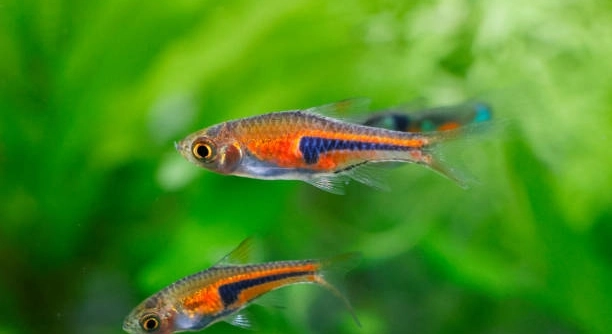
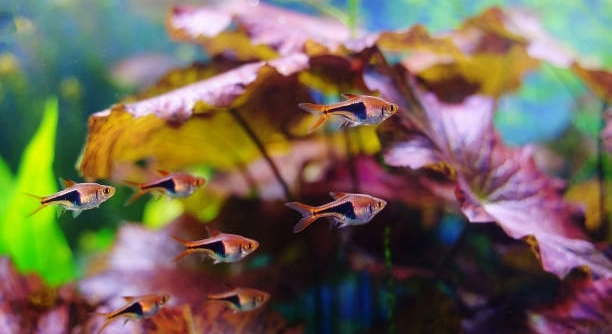
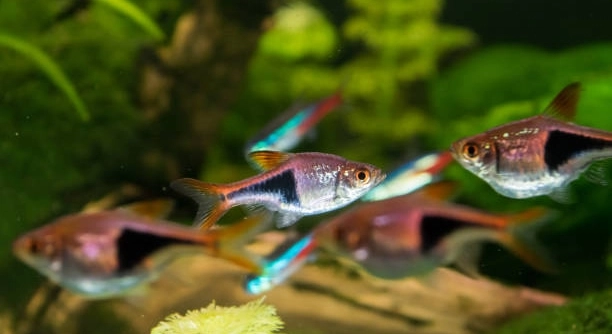
Have you ever watched a school of rasboras move together and wondered if certain fish guide the group through shared spaces, gentle turns, and daily routines within calm community aquariums during peaceful home tank settings? Rasboras do not form fixed leader roles, instead exhibiting decentralized schooling behavior where movement emerges from local interactions. Minor temporary … Read more
7 Things Rasboras Need for Mental Stimulation

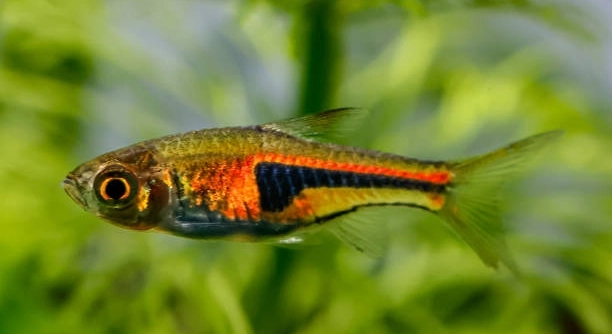
Rasboras are small, active fish that thrive in lively and engaging environments. Providing mental stimulation is essential for their health, helping them stay active and reducing stress. Many aquarists often overlook how much these fish benefit from enrichment. Mental stimulation for rasboras can be achieved through a combination of environmental variety, social interaction, feeding challenges, … Read more

Why Do Rasboras Avoid Certain Tank Zones?

Rasboras are small, active fish that bring life to home aquariums. They move gracefully among plants and decorations, yet often avoid certain areas of the tank, leaving some spots strangely empty. Observing this behavior can be puzzling. Rasboras avoid specific tank zones primarily due to stress, water flow, and environmental discomfort. Areas with strong currents, … Read more

Are Rasboras Active When the Lights Are Off?

Are your rasboras lively during the night, moving about the tank when the lights are off? Many aquarium enthusiasts notice subtle changes in their behavior once darkness falls, and understanding their habits can improve care routines. Rasboras exhibit reduced activity in low-light conditions but remain partially active. While their movements slow, they continue foraging and … Read more

7 Gentle Water Flow Options Rasboras Prefer

Do your small aquarium fish seem unsettled around strong currents? Rasboras, known for their peaceful nature, thrive in environments with gentle water movement. Providing the right flow helps them swim comfortably and maintain their health in a tank. Rasboras prefer calm and moderate water currents that do not disrupt their schooling behavior. Gentle flows reduce … Read more

Why Is My Rasbora Always Hiding in Corners?

Rasboras are small, active fish that often bring life to home aquariums. Observing them dart around can be delightful, but it can be concerning when one seems to prefer hiding in corners for extended periods. The primary reason your rasbora consistently hides in corners is due to stress or environmental discomfort. Factors such as inadequate … Read more

7 Temperature Swings That Stress Rasboras

Keeping rasboras healthy can be a challenge if their tank experiences sudden changes. These small, delicate fish are sensitive to environmental shifts that might seem minor but can affect their overall wellbeing. Even slight temperature changes matter. Rasboras experience stress when their water temperature fluctuates frequently or abruptly. Rapid shifts can impair their immune system, … Read more

Can Rasboras React to Seasonal Light Cycles?

Rasboras are small, active fish that brighten up any aquarium. Many fish owners enjoy watching their behavior and wonder how seasonal changes in light might affect them. Observing patterns can help understand their natural rhythms. Rasboras can respond to seasonal light cycles through changes in activity, feeding patterns, and occasional spawning behavior. Light duration influences … Read more

7 Ways to Improve Rasbora Schooling Behavior

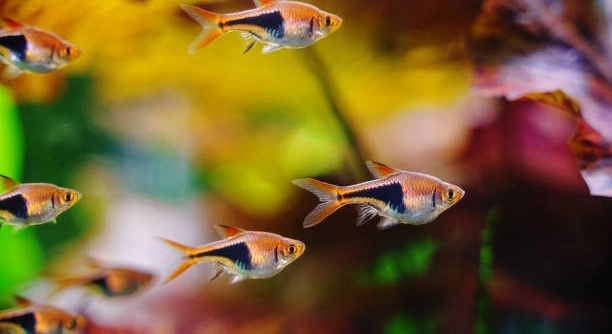
Are your rasboras swimming aimlessly instead of moving together as a coordinated school? Many hobbyists encounter this issue, which can affect the health and overall well-being of these small, social fish in home aquariums. Improving rasbora schooling behavior involves providing proper tank size, maintaining stable water parameters, offering hiding spots, feeding a balanced diet, encouraging … Read more

How to Tell if Rasboras Are Pairing Up

Have you ever noticed your rasboras swimming closely together and wondered if they might be pairing up? Observing their behavior can reveal subtle signs of bonding, making it easier to understand their social and reproductive habits. Rasboras often form pairs by swimming in close proximity, mirroring each other’s movements, and displaying gentle nudging or chasing … Read more