
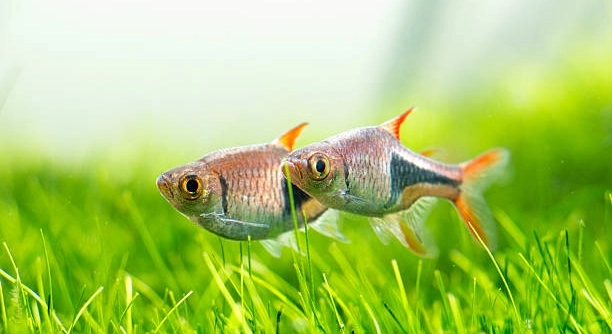
Have you ever noticed your rasboras looking dull or faded, even though they seemed vibrant just days ago? Watching their colors fade can be worrying, especially when you want your aquarium to remain lively and bright.
Rasboras can lose their color due to a combination of environmental stress, poor diet, illness, inadequate lighting, improper water conditions, overcrowding, or aging. Each of these factors affects pigmentation, health, and overall appearance, leading to a gradual or sudden loss of color.
Understanding what affects your fish’s coloration will help you maintain a healthy and vibrant tank environment for your rasboras. The following points explain the main reasons their colors might fade.
Poor Water Quality
Poor water quality is one of the main reasons rasboras lose their color. High levels of ammonia, nitrite, or nitrate can stress your fish, making them appear pale or washed out. Regular testing of water parameters is crucial to maintain a healthy environment. Changes in pH, temperature, or hardness can also affect coloration. Even small, gradual shifts in water conditions can stress the fish. Stress affects their immune system, making them more susceptible to disease and reducing the vibrancy of their colors. Using a reliable filter and performing consistent water changes helps keep the tank safe. Avoid overcrowding, as more fish produce more waste, increasing the risk of poor water quality. Introduce new fish carefully to prevent sudden spikes in ammonia or nitrites. Clean decorations, substrate, and plants to prevent waste accumulation. Maintaining stable, clean water gives rasboras the best chance to retain their natural colors and stay healthy.
Keeping water clean and stable is essential. Regular testing and proper filtration prevent stress and support your rasboras’ coloration and health.
Even with proper filtration, water changes are important. Changing 20-25% of the water weekly removes toxins and replenishes essential minerals. Using a water conditioner neutralizes chlorine and chloramine. Maintaining stable temperatures between 74-80°F prevents stress. Avoid sudden changes in pH or hardness, as these can shock the fish. Observing your rasboras daily helps detect early signs of stress, such as fading color, hiding, or irregular swimming.
Inadequate Diet
A poor diet directly affects the color intensity of rasboras. Feeding only flakes or generic foods may lack the pigments needed for vibrant coloration. High-quality diets including live or frozen foods enhance their appearance. Variety is key.
Providing a balanced diet improves health and coloration over time. Incorporate small live foods like brine shrimp, daphnia, or bloodworms a few times per week. Supplement with color-enhancing flakes or pellets that contain carotenoids and natural pigments. Avoid overfeeding, as excess food can degrade water quality, indirectly affecting color. Feeding multiple small portions throughout the day is better than one large feeding, helping maintain energy levels and healthy digestion. Some plants in the tank, such as blanched spinach or zucchini, can provide additional nutrients that support pigmentation. Remember that young rasboras may not show full coloration until fully grown, so patience is important. A consistent, nutrient-rich diet will gradually restore faded colors while improving overall health and vitality, making the fish more active and visually striking.
Stress from Tank Mates
Aggressive or overly active tank mates can stress rasboras, causing their colors to fade. Even minor chasing or constant competition for food reduces their vibrancy.
Stress affects hormone levels, weakening the immune system and reducing pigment production. Tank layout can also increase stress. Sparse plants or open spaces leave rasboras feeling exposed, while hiding spots like plants or decorations give them security. Stressful interactions with other fish, such as nipping or chasing, can lead to fatigue and illness. Overcrowding worsens the issue, as limited space increases competition for resources. Observing behavior and separating aggressive fish helps reduce stress. Proper stocking and a calm environment are key for maintaining their color.
Providing visual barriers, dense planting, and open swimming areas can significantly reduce stress. Rasboras display brighter colors when they feel safe and comfortable in their environment. Consistent observation helps detect early signs of stress.
Aging
As rasboras age, their colors naturally fade, though diet and environment influence the speed. Older fish often appear paler than younger ones.
Aging affects metabolism and pigment cells, gradually reducing the intensity of reds, oranges, and golds. Even in optimal conditions, older rasboras may not regain their original vibrancy. Age-related fading is normal and should not be confused with illness or poor care. Tank conditions, water quality, and diet continue to play a role in how pronounced the fading is over time. Recognizing natural aging helps adjust expectations for long-term care.
Maintaining proper water quality, diet, and a low-stress environment slows the fading process. Regular observation helps distinguish between natural aging and health issues. Ensuring older rasboras are in calm, comfortable conditions supports overall wellbeing and helps preserve the remaining coloration as long as possible.
Insufficient Lighting
Rasboras need consistent, moderate lighting to maintain vibrant colors. Too little light can make them appear dull, while harsh light can stress them and cause fading.
Position lights to mimic a natural day-night cycle. Providing 8-10 hours of gentle light daily supports pigment production. Avoid prolonged darkness or continuous bright lighting, as both can weaken coloration and stress the fish. Using adjustable LED lights helps balance intensity, and placing plants or decorations can diffuse harsh light. A stable lighting schedule ensures rasboras display their natural hues without added stress.
Illness
Diseases and infections directly affect coloration. Sick rasboras often lose brightness, become lethargic, or show unusual behavior. Maintaining water quality and observing fish daily can prevent or catch illness early.
Illness impacts pigment cells and overall vitality. Bacterial, fungal, or parasitic infections often result in faded colors before other symptoms appear. Nutritional deficiencies can also weaken immunity, making fish more susceptible. Quarantining new or sick fish prevents spread, while treating infections promptly improves recovery chances. Even minor health issues, like fin rot or skin parasites, can reduce color temporarily. A proactive approach, including proper diet, clean water, and stress reduction, helps maintain vibrant, healthy rasboras.
Overcrowding
Too many fish in a tank reduces swimming space and increases stress, which leads to fading colors. Maintaining appropriate stocking levels is essential for vibrant rasboras.
FAQ
Why are my rasboras losing their color suddenly?
Sudden color loss usually points to stress, illness, or poor water quality. Sudden changes in temperature, pH, or ammonia levels can shock the fish. Aggressive tank mates or overcrowding may also contribute. Observing behavior alongside water testing helps identify the exact cause.
Can diet improve faded colors?
Yes, diet plays a key role in maintaining vibrant colors. Feeding high-quality flakes, pellets, and live or frozen foods like brine shrimp or daphnia provides essential nutrients and pigments. Color-enhancing foods with carotenoids help restore intensity gradually. Overfeeding should be avoided to maintain water quality.
Is lighting important for color retention?
Absolutely. Proper lighting helps pigment production and overall health. Moderate, consistent lighting for 8-10 hours a day works best. Too little light makes fish appear dull, while harsh or constant light can stress them. A balanced light schedule mimicking natural conditions supports color.
Do older rasboras naturally fade?
Yes. Aging reduces metabolism and pigment production, so older fish often appear paler. This is normal and not necessarily a health concern. Maintaining good water quality, a nutritious diet, and a calm environment can slow fading and help older fish remain healthy.
Can stress from other fish affect color?
Stress from aggressive or overly active tank mates can significantly reduce coloration. Constant chasing, nipping, or overcrowding raises stress hormones, which impacts pigment cells. Providing hiding spots, plants, and visual barriers helps reduce stress and allows rasboras to display brighter colors.
How does water quality impact coloration?
Poor water quality is one of the biggest reasons for color loss. Ammonia, nitrite, nitrate, and pH fluctuations stress fish and damage pigment cells. Regular testing, partial water changes, and proper filtration keep water stable and safe, directly supporting vibrant coloration and overall health.
Can illness cause fading before other symptoms appear?
Yes. Many illnesses, including bacterial, fungal, or parasitic infections, first affect color. Fish may lose vibrancy before showing visible damage, fin rot, or unusual behavior. Early detection and prompt treatment improve recovery chances and help restore their natural colors.
How can I prevent my rasboras from losing color?
Maintaining stable water quality, providing a balanced diet, avoiding overcrowding, and keeping stress low are key. Regular observation helps spot early signs of fading. A proper lighting schedule, healthy tank mates, and hiding places all contribute to preserving vibrant colors in rasboras.
Do temperature fluctuations affect color?
Yes. Rasboras prefer stable temperatures, usually between 74-80°F. Sudden drops or spikes can stress them, reducing color and potentially causing illness. Using a reliable heater and monitoring daily ensures stable conditions that support both health and pigmentation.
Will adding plants help my rasboras keep their color?
Yes. Plants create hiding spots, reduce stress, and provide a more natural environment. Stress reduction allows rasboras to display stronger colors. Additionally, some plants contribute minor nutrients, which can indirectly support overall health and pigmentation. Dense planting improves tank aesthetics while benefiting the fish.
How long does it take for color to return after issues are fixed?
Recovery depends on the cause. After improving water quality, reducing stress, or adjusting diet, noticeable changes may take days to weeks. Aging or chronic health issues may limit full restoration. Consistent care, proper feeding, and a calm environment are essential for regaining vibrancy.
Are certain rasbora species more prone to fading?
Yes. Some species, like the Harlequin Rasbora, naturally display brighter colors and are more sensitive to stress and water quality. Other species may show paler colors or less intense pigmentation. Knowing the specific needs of your species helps maintain their color effectively.
Can tank size affect coloration?
Smaller or overcrowded tanks increase stress and reduce space for natural swimming, leading to faded colors. Adequate space allows normal behavior, reduces competition, and helps maintain stable water parameters. Proper stocking levels and tank size ensure rasboras remain healthy and colorful.
Is it safe to mix rasboras with other fish?
Yes, but only with compatible species. Aggressive or large fish can stress rasboras, causing color loss. Peaceful community fish that occupy different levels of the tank work best. Careful observation is required when introducing new fish to prevent stress-related fading.
Do seasonal changes affect color?
Minorly. Seasonal light variations or water temperature changes can influence stress and pigment production. Maintaining consistent tank conditions helps offset these effects. Using timers for lighting and monitoring temperature ensures rasboras retain vibrant coloration year-round.
What immediate steps should I take if I notice fading?
Test water parameters, check for signs of illness, and review diet. Addressing water quality and reducing stress are top priorities. Adjust lighting, provide hiding spots, and consider quarantining new or sick fish. Prompt action helps prevent further fading and supports recovery.
Maintaining the vibrant colors of rasboras requires attention to several key factors in their environment. Water quality is the foundation of their health, and stable conditions are essential. Regularly testing for ammonia, nitrites, nitrates, and pH ensures that the tank remains safe. Partial water changes help remove toxins and replenish essential minerals, preventing stress that can dull colors. Filtration is equally important, as it keeps the water clear and reduces the buildup of waste. Overcrowding should also be avoided because too many fish increase waste and competition for space, which directly impacts their appearance. Even minor fluctuations in temperature or pH can affect pigment cells, so consistent monitoring is necessary. By keeping water stable, clean, and properly balanced, rasboras have the best chance to display their natural hues.
Diet plays a critical role in maintaining and enhancing rasbora coloration. A varied, nutrient-rich diet supports pigment development and overall health. Flakes and pellets formulated with color-enhancing ingredients can help boost reds, oranges, and golds. Supplementing with live or frozen foods like brine shrimp, daphnia, or bloodworms provides essential protein and nutrients, contributing to vibrancy. Overfeeding should be avoided because uneaten food can harm water quality, indirectly affecting coloration. Vegetables like spinach or zucchini can also provide additional nutrients that promote healthy pigmentation. Young rasboras may not show full colors immediately, so patience is important. A consistent feeding routine, combined with a balanced diet, gradually improves the intensity of their colors while keeping them active and healthy. Attention to nutrition ensures that even older fish maintain some of their natural vibrancy as they age.
Stress reduction is equally important for colorful and healthy rasboras. Aggressive tank mates, overcrowding, or insufficient hiding places can make them feel insecure, causing fading. Providing a calm environment with visual barriers, plants, and decorations allows them to feel safe and display brighter colors. Proper lighting, mimicking natural day-night cycles, supports pigmentation without causing stress. Illness can also lead to color loss, so observing fish regularly and addressing health issues promptly is crucial. Aging is a natural factor in color fading, but stable conditions, good diet, and low-stress environments help slow the process. By focusing on water quality, diet, and stress reduction, owners can maintain a vibrant, healthy tank where rasboras thrive, keeping their natural colors at their best for as long as possible.

Hello,
If you enjoy the content that we create, please consider saying a "Thank You!" by leaving a tip.
Every little bit helps us continue crafting quality advice that supports the health, happiness, and well-being of pets around the world, for pets of all shapes, sizes, and species.
We really appreciate the kindness and support that you show us!