
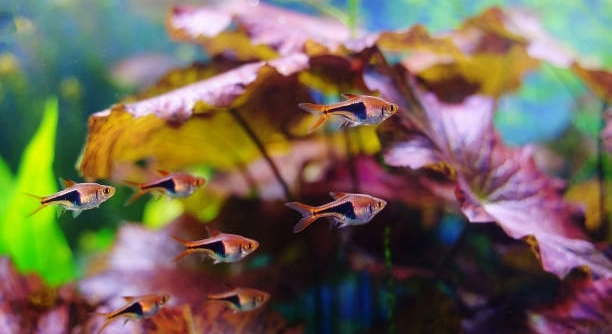
Many fish owners enjoy watching their rasboras swim in vibrant groups. These tiny fish are often curious, exploring every corner of the tank. Sometimes, they mistake small objects for food, which can be surprising and concerning for caretakers.
Rasboras frequently confuse small, floating, or colorful items with edible matter. Objects such as fish tank decorations, plant fragments, tiny stones, and floating debris can be ingested, potentially causing stress, digestive issues, or harm if not monitored carefully.
Being aware of these items helps maintain a safe environment. Proper observation and tank management can prevent accidental ingestion and keep your rasboras healthy.
Tiny Tank Decorations
Many rasboras are attracted to small decorations that float or have bright colors. Plastic plants, miniature castles, or other ornaments may look edible to them. I have noticed my own rasboras pecking at tiny stones and hollow decorations, trying to nibble on surfaces. These objects can sometimes be sharp or coated with chemicals from manufacturing, so ingestion can cause health issues. Even when the decorations are designed for aquariums, constant attention is necessary. Small pieces can break off, and the fish may swallow them. Watching them interact with the tank helps spot risks early. Some rasboras are more curious than others, exploring every corner with quick, darting movements. Regular maintenance of tank items reduces the chances of them eating something unsafe. Understanding their behavior helps ensure a safer environment, especially when multiple fish share limited space. Replacing or cleaning items periodically is key to maintaining tank safety.
Tiny decorations often resemble edible particles, leading rasboras to bite, which may result in minor or serious health problems.
Careful placement of items and frequent inspection keeps fish from accidentally swallowing non-food objects. Maintaining a clean tank reduces potential hazards and promotes overall well-being. Observing fish behavior helps identify items that might trigger mistaken feeding.
Floating Plant Debris
Rasboras often go after small leaves or bits of floating plants, mistaking them for food.
Loose plant material in the tank can be ingested accidentally. Over time, decomposing debris may affect water quality. Some leaves are tough or coated with fertilizers, making them hard to digest. It’s helpful to remove excess debris during regular cleaning to prevent problems. Floating plants shed tiny fragments that look appealing, especially if they drift near feeding areas. While live plants provide shelter and oxygen, trimming and monitoring are necessary. Certain plants break apart easily, increasing the likelihood of accidental ingestion. Observing where fish spend most of their time can help identify high-risk areas. Filtration also plays a role, as debris tends to gather in corners or under decorations. Rasboras may nibble on these pieces instinctively, driven by curiosity and feeding habits. Keeping the tank free of excessive loose material minimizes digestive stress. Regular maintenance and careful selection of hardy plant types are important for safe tank conditions, allowing the fish to explore without encountering hazards.
Would you like me to continue with the next items rasboras might mistake for food?
Small Gravel and Pebbles
Rasboras sometimes pick up tiny gravel or pebbles while exploring the tank. Their curiosity can lead to accidental swallowing, which may cause mild digestive discomfort or blockages if not monitored closely.
These fish are naturally inquisitive, often darting around the tank searching for food. Small gravel pieces resemble natural food like insect larvae or tiny seeds, making them tempting to nibble on. Over time, repeated ingestion can lead to digestive issues, especially if the gravel is sharp or irregularly shaped. I’ve seen my own rasboras test almost every stone in the tank, especially around feeding times. Choosing smooth, rounded substrate helps reduce risks, and observing their behavior ensures they aren’t consuming dangerous amounts. Gravel that is too small or unstable can shift, potentially trapping tiny fish or causing stress. Periodic checks and selecting appropriate substrate size are essential for keeping rasboras safe and comfortable.
Accidental ingestion of pebbles can also disrupt the tank’s ecosystem. Uneaten pieces may settle in filters or corners, creating additional maintenance needs. Maintaining proper substrate depth and cleanliness reduces these risks, supporting healthier fish behavior.
Floating Food Particles
Rasboras often go after tiny fragments of uneaten flakes or pellets that float in the water. These leftovers can resemble natural food and may attract constant attention.
When food breaks apart, small particles can linger at the surface or drift in currents, tempting rasboras to snap at them repeatedly. While most fragments are safe, overfeeding increases the risk of poor water quality and stress. I noticed that in my tank, even a few floating crumbs can lead to several rasboras chasing them for minutes, ignoring other parts of the tank. Uneaten particles decompose, causing water parameters to shift. Scooping out leftover flakes during and after feeding reduces unnecessary ingestion and keeps the environment clean. Feeding the right portion sizes ensures fish get enough nutrition without creating excess debris. Over time, these habits help maintain both fish health and tank stability, preventing the stress that comes from constant scavenging and the potential digestive issues that arise from consuming too many small, broken food pieces.
Floating fragments often attract fish instinctively, but monitoring portion sizes and removing leftovers promptly ensures long-term tank safety.
Tiny Insects
Rasboras often snap at small insects that land on the water surface. Even if these insects are not part of their regular diet, the fish treat them as food and may attempt to eat them.
Occasionally, tiny bugs like fruit flies or gnats end up in the tank. Rasboras instinctively chase these insects, sometimes swallowing them whole. While many insects are harmless, some could carry pesticides or other chemicals from the environment, posing potential health risks. Observing the tank and keeping the area around it clean helps reduce the presence of unwanted insects. I’ve noticed my rasboras become more active when a fly lands, darting in unison to catch it. Providing proper nutrition ensures they are less likely to overconsume unexpected insects, maintaining overall health.
Algae Flakes
Algae flakes can attract rasboras because of their texture and color. These flakes may look edible even if they are not part of the main diet.
Many rasboras nibble at algae flakes out of curiosity or mild hunger. While small amounts are generally safe, excessive consumption can disrupt digestion. I’ve seen my fish occasionally peck at algae flakes stuck to tank walls or decorations. Managing algae growth and cleaning surfaces regularly prevents overfeeding on these flakes. Providing a balanced diet reduces the need for them to snack on non-nutritive items, keeping the fish healthy and active.
Floating Debris
Tiny pieces of debris from plants or food often float in the tank. Rasboras will attempt to eat these, mistaking them for food.
Microplastics
Even small microplastic particles in the water can catch a rasbora’s attention. These fragments resemble tiny edible items and may be accidentally ingested.
FAQ
Why do rasboras try to eat non-food items?
Rasboras are naturally curious and often explore everything in their tank with quick nibbles. Small, colorful, or floating items can resemble natural food, triggering instinctive feeding behavior. I’ve noticed my own rasboras investigating tiny stones, plant fragments, and decorations, often trying to bite anything that moves or drifts in the water.
Can eating non-food items harm my rasboras?
Yes, ingestion of non-food objects can cause digestive issues, stress, or blockages. Sharp or chemically treated items are particularly risky. Even small pebbles or plastic fragments can be dangerous over time. Regular observation and careful tank management are essential to prevent accidental harm.
How can I prevent rasboras from eating tank decorations?
Choose smooth, rounded ornaments and avoid objects that can break into small pieces. Keep decorations clean and inspect them regularly for damage. I often remove any tiny loose parts that could be mistaken for food. Placement also matters—keeping items in less accessible areas helps.
Are live plants safe for rasboras?
Most live plants are safe, but some may shed small leaves or fragments that attract nibbling. I’ve found that trimming plants regularly and removing floating debris reduces accidental ingestion. Hardy plants like Java moss or Anubias are less likely to create tiny fragments.
How do I manage leftover food to reduce accidental ingestion?
Feed appropriate portion sizes and remove uneaten flakes or pellets promptly. Floating fragments can attract continuous nibbling and affect water quality. I make it a habit to scoop leftovers after each feeding session, keeping both the water clean and my rasboras healthier.
Do rasboras eat insects that fall into the tank?
Yes, tiny insects like gnats or fruit flies are often treated as food. While occasional insects are usually harmless, they could carry chemicals or bacteria. Keeping the surrounding area clean minimizes this issue. I’ve noticed my rasboras get very excited when a fly lands on the water surface.
Is gravel safe for rasboras to nibble?
Smooth, rounded gravel is generally safer than sharp or jagged stones. However, ingestion of any substrate can cause minor digestive discomfort. Observing their behavior and choosing proper-sized substrate prevents potential blockages. I often gently stir the gravel to remove any tiny loose pieces that could be swallowed.
Can algae be harmful if eaten in excess?
Small amounts of algae flakes or growth are fine, but excessive consumption may disrupt digestion. I keep algae under control and monitor my rasboras, making sure they mainly eat their balanced diet rather than relying on algae in the tank.
What should I do if my rasbora swallows something it shouldn’t?
Watch for signs like bloating, lethargy, or changes in swimming. Removing the object from the tank is often impossible, so monitoring and maintaining water quality are crucial. In severe cases, consulting a vet experienced with fish can prevent complications.
How can I encourage safe feeding habits?
Feed a varied and balanced diet while minimizing non-food items in their environment. I notice my rasboras focus more on actual food when portions are consistent, reducing the temptation to nibble on debris, decorations, or floating plant matter.
Are microplastics a concern for rasboras?
Yes, tiny plastic particles can resemble edible items and may be accidentally ingested. I make sure to avoid contaminated water sources and keep the tank free from small floating fragments to reduce the risk. Microplastics can accumulate in their digestive system over time.
How often should I inspect the tank for potential hazards?
Regular observation is key. Checking decorations, substrate, and plant fragments weekly ensures nothing small or loose is available for accidental ingestion. I often spend a few minutes watching my rasboras explore to identify anything that might attract their attention.
Can tank mates affect accidental ingestion?
Yes, more active or aggressive fish can disturb the environment, creating debris or dislodging objects that other rasboras may mistake for food. I notice that in community tanks, extra vigilance is needed to ensure all small items are safe and not swallowed inadvertently.
Does water flow impact what rasboras try to eat?
Currents can carry tiny particles, making them appear like floating food. I adjust filters and aeration carefully, so debris doesn’t drift near feeding areas, reducing accidental nibbling on non-food objects.
What long-term steps improve safety for rasboras?
Consistent tank maintenance, proper substrate, secure decorations, balanced feeding, and careful monitoring of plants and debris help reduce accidental ingestion. Over time, rasboras learn to focus on actual food when the environment is safe, minimizing health risks and stress.
Rasboras are small, lively fish that bring a lot of activity to a tank, but their curious nature means they sometimes mistake inedible objects for food. Observing them closely can reveal their instincts in action, from darting at tiny floating particles to pecking at decorations. Even items that seem harmless, like small pebbles or plant fragments, can pose risks if ingested. Keeping the tank clean and organized helps reduce the chances of accidental swallowing and keeps the fish healthier. Over time, I’ve learned that watching how rasboras interact with their environment is just as important as providing a proper diet. It’s a combination of care, observation, and small preventive measures that makes the biggest difference in maintaining a safe, stress-free habitat.
Balanced feeding plays a key role in preventing rasboras from nibbling on non-food items. Providing the right amount of food in manageable portions keeps them focused on edible items instead of decorations, algae, or floating debris. I often feed in intervals and remove any leftovers to avoid lingering fragments that could be mistaken for food. Live or artificial plants require attention as well, because loose leaves or broken bits can attract unnecessary nibbling. Choosing sturdy, safe decorations and inspecting them regularly reduces the chances of harm. Even seemingly minor adjustments, like rounding off sharp gravel or removing tiny fragments from plants, can significantly reduce health risks. By addressing the environment and feeding habits together, rasboras are less likely to ingest anything that could cause stress or digestive problems.
Creating a safe tank goes beyond feeding and decoration—it’s about maintaining an overall healthy environment. Water quality, proper filtration, and regular cleaning are essential in keeping rasboras active and free from illness. Floating food particles, microplastics, or small debris can accumulate unnoticed, so staying vigilant helps prevent long-term issues. I’ve noticed that once the tank is organized and monitored, rasboras become more confident and spend more time exploring rather than constantly nibbling at every object. Simple steps like trimming plants, checking substrate, and removing tiny fragments make a big difference. In the end, understanding rasboras’ natural curiosity and adjusting the tank to meet their needs ensures they thrive. Attention to detail and consistent care create a safe, healthy environment where these small fish can swim freely without risk, giving both the fish and caretaker peace of mind.

Hello,
If you enjoy the content that we create, please consider saying a "Thank You!" by leaving a tip.
Every little bit helps us continue crafting quality advice that supports the health, happiness, and well-being of pets around the world, for pets of all shapes, sizes, and species.
We really appreciate the kindness and support that you show us!