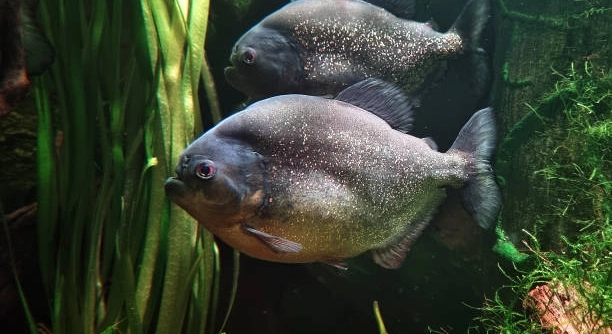
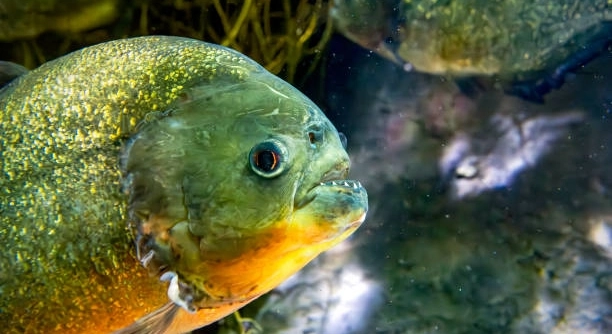
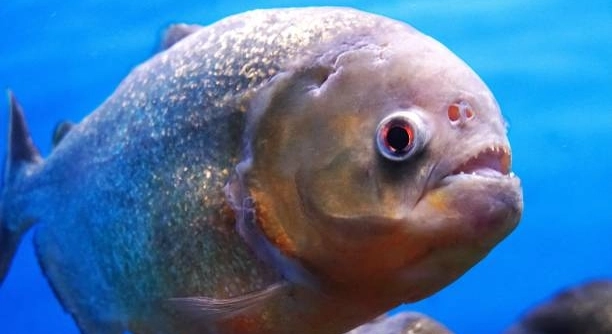
7 Visual Cues That Piranhas Are Thriving
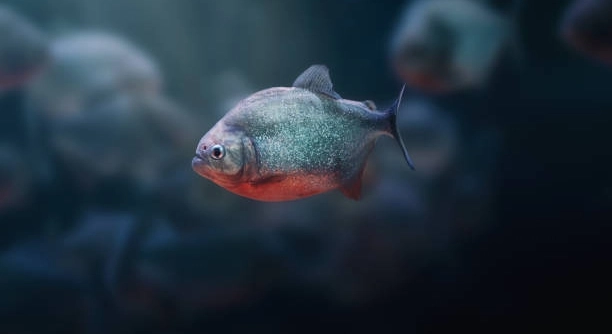
Piranhas are often misunderstood fish with a fierce reputation. Observing their behavior and environment can reveal if they are doing well. Knowing the signs of healthy piranhas helps owners and enthusiasts keep them in good condition. Seven clear visual cues indicate thriving piranhas: vibrant coloration, active swimming patterns, well-formed fins, clear eyes, healthy scales, steady … Read more
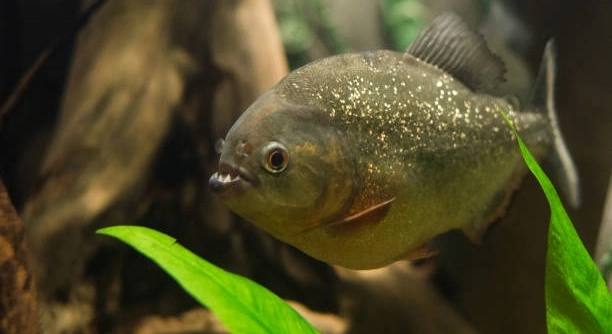
7 Sounds That Disturb Piranha Behavior

Piranhas are known for their sharp teeth and fast movements. These fish respond to many sounds in their environment, which can change their behavior. Understanding these sounds helps us learn more about how they act. Seven specific sounds have been found to disturb piranha behavior. These include sudden loud noises, vibrations, and water surface disturbances. … Read more

7 Piranha Movements That Signal Curiosity

Piranhas are often seen as fierce fish, but they also show curiosity through specific movements. Observing these behaviors can help us understand what they are thinking or feeling in their environment. This article highlights seven key piranha movements that signal curiosity. Piranhas display curiosity through distinct actions such as slow approach, head tilting, fin flicking, … Read more

7 Behaviors Linked to Overcrowded Tanks

Overcrowded fish tanks can cause stress and health problems for your aquatic pets. It’s important to recognize the signs that indicate your tank might be too full. This article will help you identify those behaviors. When tanks become overcrowded, fish often show signs such as increased aggression, frequent hiding, rapid breathing, erratic swimming, reduced appetite, … Read more

7 Natural Hiding Spots Piranhas Prefer

Piranhas are often seen as fierce fish, but they also need safe places to hide in their natural environments. These hiding spots help them stay protected from predators and give them quiet spaces to rest. Understanding where they prefer to stay can reveal a lot about their behavior. Piranhas typically choose natural hiding spots such … Read more

7 Feeding Mistakes That Stress Out Your Piranha

Feeding a piranha may seem simple, but many common mistakes can cause stress to these fish. Proper feeding is important for their health and behavior. Understanding what to avoid can help keep your piranha calm and thriving. Feeding mistakes such as overfeeding, improper diet, and poor feeding schedules are major stressors for piranhas. These errors … Read more

7 Things Piranhas Do Right Before Feeding

Piranhas are known for their sharp teeth and feeding frenzy. They exhibit specific behaviors just before they start to feed, which help them catch their prey efficiently. Understanding these actions gives insight into their feeding habits. Before feeding, piranhas display a series of deliberate behaviors including group gathering, increased alertness, fin display, and rapid movements. … Read more

7 Common Items That Don’t Belong in a Piranha Tank

Many piranha owners focus on tank cleanliness and fish health. However, some common household items can cause harm if placed inside a piranha tank. Understanding what to avoid helps maintain a safe and stable environment for these fish. Introducing foreign objects like sharp decorations, untreated wood, metal, plastic, and certain plants can disrupt water quality, … Read more

7 Tank Decor Items Piranhas Use Instinctively

Piranhas are often misunderstood fish with specific needs in their tank environment. Their natural instincts influence how they interact with decor and choose their surroundings. Understanding these preferences can improve their well-being and tank harmony. Piranhas instinctively use certain tank decor items that mimic their natural habitat. These include hiding spots, plants, and substrates that … Read more

How to Manage Piranha Behavior During Feeding Time

Do your piranhas often get aggressive or overly excited during feeding time, making it hard to manage their behavior? The best way to manage piranha behavior during feeding time is by creating a consistent feeding routine, reducing food competition, and avoiding sudden movements that can trigger aggression. Feeding them in a calm environment also helps. … Read more