
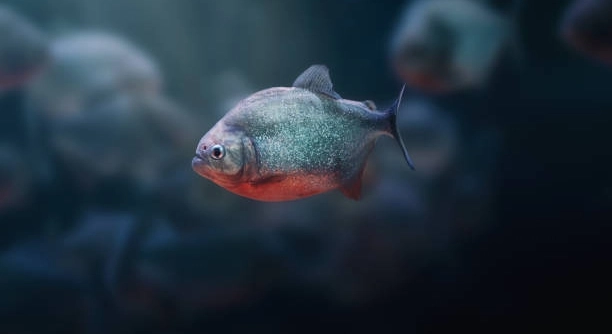
Piranhas are often misunderstood fish with a fierce reputation. Observing their behavior and environment can reveal if they are doing well. Knowing the signs of healthy piranhas helps owners and enthusiasts keep them in good condition.
Seven clear visual cues indicate thriving piranhas: vibrant coloration, active swimming patterns, well-formed fins, clear eyes, healthy scales, steady breathing, and consistent feeding behavior. These signs collectively reflect their overall health and well-being.
Recognizing these cues is essential for maintaining a balanced aquatic habitat and ensuring your piranhas remain strong and healthy over time.
Vibrant Coloration and Active Swimming
Healthy piranhas usually show bright and vibrant colors. Their red, silver, or golden shades appear clear and rich, not dull or faded. When piranhas are thriving, their bodies reflect light well, signaling good nutrition and low stress. Watching them move through the water can also tell you a lot. Active swimming means they have enough energy and feel comfortable in their environment. They glide smoothly, change directions quickly, and don’t linger at the bottom or surface for long periods. If piranhas swim sluggishly or hide often, it might indicate illness or poor water quality. These fish also interact with one another, showing social behavior without signs of aggression beyond normal. Bright colors combined with lively movement suggest that your piranhas are healthy and adapting well to their tank or natural habitat. Paying attention to these details can help you spot early signs of trouble before serious problems develop.
Bright colors and active swimming show that piranhas have good health and energy levels.
Watching how your piranhas behave can help maintain their health. Ensuring they have clean water, proper diet, and enough space supports their vibrant colors and activity. Observing these signs daily helps keep them thriving longer.
Well-Formed Fins and Clear Eyes
Well-formed fins are a key indicator of piranha health. Healthy fins are intact, without tears or spots, and they spread naturally during swimming. Damaged or clamped fins often signal stress, disease, or poor water conditions. Similarly, clear eyes show that piranhas are free from infections or parasites. Cloudy or swollen eyes need immediate attention, as they can indicate illness or injury. Good fin and eye condition reflect proper care and a balanced environment. Monitoring these features regularly helps catch problems early. When you notice fins or eyes looking unhealthy, check water quality, diet, and tank mates. Providing a clean habitat and suitable nutrition often improves their condition quickly. Proper care supports piranhas in maintaining their natural defenses and overall well-being.
Healthy Scales
Healthy piranhas have smooth, shiny scales without any signs of damage or discoloration. Scales should lie flat against their bodies, showing no signs of lifting or missing patches.
Damaged or raised scales often point to infections, injuries, or poor water conditions. When scales are intact and clean, it means your piranhas are protected against external threats like parasites and bacteria. Maintaining clean water and avoiding overcrowding helps keep scales healthy. If you notice any changes, it’s important to act quickly to prevent worsening problems. Regular tank cleaning and proper diet improve scale health over time, helping your piranhas stay strong.
Careful observation of scales is crucial since early damage can quickly lead to infections. Taking preventive steps keeps piranhas comfortable and reduces stress, allowing them to grow and thrive naturally in their environment.
Steady Breathing
Steady breathing shows that piranhas are not stressed or sick. It means they get enough oxygen and have good water conditions.
Rapid or labored breathing can signal poor water quality or illness. Piranhas breathe steadily when water is clean, well-oxygenated, and free of toxins. If you see quick gill movements or gasping at the surface, test the water for ammonia, nitrites, and oxygen levels. Correcting these issues often restores normal breathing. Observing breathing patterns helps catch problems early, ensuring your piranhas stay healthy. Maintaining a balanced tank environment supports steady breathing and overall fish health.
Clear Eyes
Clear eyes are a strong sign of healthy piranhas. They should be bright, without cloudiness or swelling.
Cloudy or sunken eyes often point to infections or stress. Regular water changes and proper nutrition help keep their eyes clear and healthy.
Consistent Feeding Behavior
Piranhas that eat regularly and eagerly are usually thriving. A healthy appetite means they are getting enough nutrients and feel safe in their environment. Watch for sudden changes in eating habits, as this could signal illness or discomfort. Providing a balanced diet and maintaining clean water encourages steady feeding behavior. It also helps support growth and energy levels, making sure your piranhas stay strong and active.
Social Interaction
Piranhas show social behavior by swimming in groups and communicating through movement.
How can I tell if my piranhas are stressed?
Stress in piranhas often shows through changes in behavior and appearance. They may hide more, swim less actively, or lose their vibrant colors. Look for clamped fins, rapid breathing, or erratic swimming. Stress can come from poor water quality, overcrowding, sudden changes in temperature, or aggressive tank mates. Regular water testing and maintaining a stable environment help reduce stress. If stress signs appear, check water parameters first and make sure the tank is clean and spacious enough.
What is the best diet to keep piranhas healthy?
Piranhas need a varied diet rich in protein. Feeding them fresh fish, shrimp, insects, and specially formulated pellets supports their growth and vibrant colors. Avoid feeding only one type of food, as this can cause nutritional deficiencies. Overfeeding should be avoided since leftover food pollutes the water and harms their health. Feeding small amounts once or twice daily ensures they get enough without overloading the tank.
How often should I change the water for piranhas?
Changing 20-30% of the water weekly is recommended for piranhas. This keeps ammonia, nitrites, and nitrates at safe levels. Frequent partial water changes are better than rare full changes, which can shock the fish. Clean water prevents disease and helps maintain steady breathing and vibrant coloration. Always treat tap water to remove chlorine and chloramine before adding it to the tank.
Why are my piranhas’ fins tearing or clamped?
Torn or clamped fins usually mean stress, injury, or infection. Poor water conditions can cause fin rot, a common bacterial infection. Aggressive tank mates may also damage fins. To fix this, improve water quality, reduce aggression by adjusting tank population, and treat infections with appropriate medications. Healthy fins indicate a safe and well-maintained environment.
Can piranhas live with other fish?
Piranhas are territorial and may attack smaller or slower fish. It is best to keep them with similar-sized species that can hold their own. Avoid small or delicate fish, as piranhas may see them as food. A well-planned community tank requires careful selection of tank mates and enough space to reduce aggression.
What signs show that piranhas are sick?
Signs of illness include loss of appetite, lethargy, faded colors, white spots, swollen eyes, and abnormal swimming. Rapid gill movement and labored breathing are also warning signals. If you see these signs, test water quality and isolate affected fish. Early treatment with antibiotics or antifungal medicine may be needed depending on the disease.
How important is tank size for piranha health?
Piranhas need plenty of space to swim and reduce stress. A small, crowded tank causes aggression, poor water quality, and health problems. A minimum of 20 gallons per piranha is recommended, but larger tanks are always better. A spacious tank supports natural behavior and steady feeding habits, helping them thrive.
What should I do if piranhas stop eating?
Loss of appetite can result from stress, illness, or poor water conditions. Check water quality first, as bad water is a common cause. Observe their behavior for signs of disease or injury. Try offering a variety of foods, including live or frozen options, to stimulate interest. If appetite does not return in a few days, consult a vet or fish specialist.
How do I keep piranha water clean?
Use a good filtration system and perform regular partial water changes. Avoid overfeeding, as leftover food decomposes and pollutes the water. Remove uneaten food quickly and vacuum the tank substrate during cleaning. Testing water parameters weekly helps catch problems early. Clean water reduces disease risks and supports steady breathing.
Are piranhas aggressive toward each other?
Piranhas can be aggressive, especially if overcrowded or stressed. They often establish a social hierarchy with some chasing others. Providing enough space, hiding spots, and proper feeding reduces fighting. Aggression can increase during feeding times, so feeding small amounts frequently helps keep peace.
What is the ideal water temperature for piranhas?
Piranhas thrive between 74°F and 82°F (23°C to 28°C). Temperatures outside this range can stress them or slow their metabolism. Using a reliable heater and thermometer ensures stable water temperature. Sudden temperature changes should be avoided to prevent shock.
How do I recognize healthy piranha behavior?
Healthy piranhas swim actively, explore their tank, and respond quickly to food. They interact socially without constant fighting and maintain bright colors and clear eyes. Regular feeding and steady breathing are also signs of good health. Watching these behaviors daily helps detect early changes.
What should I avoid when keeping piranhas?
Avoid overcrowding, poor water quality, overfeeding, and sudden environmental changes. Do not keep them with small or aggressive fish that cause stress or injury. Avoid using harsh chemicals in the tank, and never introduce untreated water. Careful tank maintenance and appropriate feeding are key to keeping piranhas healthy and thriving.
Final thoughts on caring for piranhas focus on understanding the clear signs that show when these fish are healthy and thriving. Paying attention to their appearance and behavior helps ensure they live well in captivity. Bright colors, active swimming, clear eyes, and steady breathing are all positive signs. When these visual cues are present, it means the piranhas feel comfortable, get enough food, and live in good water conditions. Observing your fish regularly allows you to catch any early problems before they become serious. Healthy piranhas are easier to care for and will bring a balanced, lively energy to their tank.
Maintaining good water quality and providing a proper diet are two of the most important steps in keeping piranhas healthy. Clean water with the right temperature, oxygen levels, and minimal toxins creates a safe environment for the fish. Regular partial water changes and a reliable filter system help keep the tank clean and reduce stress. Feeding piranhas a varied diet, including protein-rich foods like fish, shrimp, and specially made pellets, supports their growth and vibrant colors. Avoiding overfeeding prevents leftover food from polluting the water and causing health issues. Consistent care in these areas strengthens your piranhas’ immune systems and encourages natural behavior.
Lastly, creating a peaceful tank environment helps reduce aggression and stress among piranhas. They are naturally territorial, so giving them enough space and hiding spots supports their well-being. Overcrowding should be avoided to lower fighting and injuries. Watching how your piranhas interact with each other and their surroundings can guide changes in tank setup if needed. When they eat regularly, swim actively, and show no signs of illness, it means your efforts are paying off. Keeping piranhas healthy requires attention and patience, but the rewards are clear in their lively appearance and behavior.

Hello,
If you enjoy the content that we create, please consider saying a "Thank You!" by leaving a tip.
Every little bit helps us continue crafting quality advice that supports the health, happiness, and well-being of pets around the world, for pets of all shapes, sizes, and species.
We really appreciate the kindness and support that you show us!