
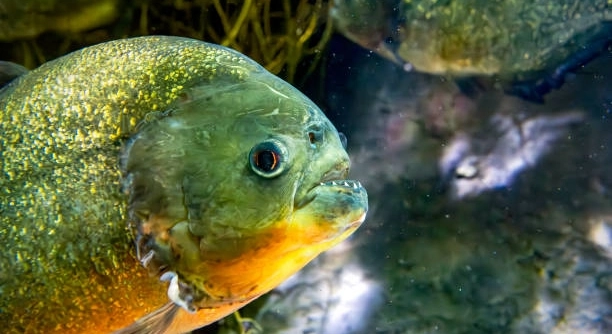
Piranhas are known for their sharp teeth and feeding frenzy. They exhibit specific behaviors just before they start to feed, which help them catch their prey efficiently. Understanding these actions gives insight into their feeding habits.
Before feeding, piranhas display a series of deliberate behaviors including group gathering, increased alertness, fin display, and rapid movements. These actions prepare them to hunt and capture prey effectively in their natural environment.
Learning about these behaviors reveals how piranhas coordinate and survive in the wild, offering a clearer picture of their fascinating feeding strategies.
Group Gathering Before Feeding
Piranhas often come together in large groups called shoals before they start feeding. This gathering is important because it helps them hunt more successfully. When piranhas group up, they can surround their prey quickly and cut off any chance of escape. Being in a shoal also provides safety, as there is strength in numbers. Each fish watches the others, and their combined movements create an intense and coordinated attack. This behavior is especially common in places where food is scarce, encouraging piranhas to work together rather than hunt alone. The group dynamic increases their chances of getting enough food and reduces the risk of injury during feeding frenzies.
Grouping also helps piranhas sense danger, as many eyes can spot threats faster than one. Their social nature plays a big role in how they behave before feeding begins.
The way piranhas gather demonstrates how cooperation improves their hunting efficiency and survival in challenging environments.
Increased Alertness and Senses
Before feeding, piranhas become more alert and rely heavily on their senses. Their sharp eyesight and keen sense of smell help detect prey nearby.
Piranhas use their senses to focus on movements in the water, reacting quickly to signals of potential food. Heightened awareness ensures they don’t miss any opportunity to feed. Their alertness also helps them avoid larger predators while they hunt. This careful attention allows piranhas to strike fast and with precision, making their feeding process more effective and controlled.
Fin Display and Rapid Movements
One of the signs piranhas show before feeding is the display of their fins, especially the dorsal fin. This fin often stands erect, signaling readiness and alertness. The display may also act as a warning to other fish nearby, indicating that feeding behavior is about to start. Piranhas often swim rapidly back and forth, making quick, jerky movements. These sudden motions help confuse prey and prepare the group for the feeding attack. The rapid swimming also helps piranhas gather strength and speed to strike efficiently.
The combination of fin display and quick movement is a clear sign that feeding is imminent. This behavior is crucial because it helps coordinate the group’s attack, making the feeding process more organized. Observing these signs in piranhas shows how they prepare their bodies and minds for the intense activity ahead. It’s fascinating to see how much preparation goes into their feeding beyond just chasing prey.
Silent Stalking
Piranhas often move quietly and slowly before they feed. This cautious approach helps them avoid alerting their prey. They stay low in the water and use minimal movement to get closer without being noticed.
This silent stalking is a key strategy that allows piranhas to surprise their prey. By reducing noise and movement, they can approach quickly when the moment to strike arrives. The quiet movements conserve energy and keep the group coordinated. This behavior also helps piranhas avoid scaring off other fish in the area that could be their next meal.
Remaining still and quiet until the last moment makes their attack more effective. It shows that even aggressive feeders like piranhas use patience and control before feeding to maximize success.
Sudden Burst of Speed
Piranhas explode into action with a sudden burst of speed once they decide to feed. This rapid movement helps them capture prey before it can escape. The burst is powerful and coordinated among the group.
The fast strike overwhelms the prey, leaving little time to react. Piranhas use their sharp teeth to grab and tear quickly, often in a matter of seconds. This speed is fueled by the preparation they do beforehand, including gathering energy during slow stalking. The sudden movement is key to their feeding efficiency.
In groups, this burst of speed becomes even more effective. It allows piranhas to trap and bite prey rapidly, ensuring a successful hunt for all members of the shoal. This quick action is a critical step in their feeding behavior.
Water Vibrations Detection
Piranhas sense vibrations in the water to locate prey. These subtle movements help them find food even in murky conditions.
Their lateral line system is highly sensitive, allowing them to detect the smallest ripple caused by nearby animals or struggling fish.
Intense Focus on Prey
Before feeding, piranhas lock their attention on their target with intense focus. This concentration helps them coordinate their attack perfectly. They watch every movement, waiting for the best moment to strike. This focus reduces wasted energy and increases their chances of a successful feed. Piranhas’ sharp vision and alertness work together to keep them locked on the prey until the feeding frenzy begins.
Quick Bite and Release
Piranhas often bite quickly and release before feeding more aggressively. This behavior tests the prey’s reaction and weakness, helping them decide the best approach. It is a strategic move to avoid injury and maximize feeding success.
FAQ
What triggers piranhas to start feeding?
Piranhas usually begin feeding when they detect movements or vibrations caused by potential prey in the water. Changes in water temperature, low oxygen levels, or the presence of blood can also trigger feeding behavior. Their group gathering and increased alertness help ensure the timing is right for a coordinated attack.
How do piranhas communicate before feeding?
Piranhas communicate mainly through body language and movements. Fin displays, rapid swimming, and changes in position within the group signal readiness to feed. These nonverbal cues help coordinate the attack and reduce conflicts among the fish.
Are piranhas always aggressive feeders?
No, piranhas are not always aggressive. They tend to be cautious and strategic before feeding. Their behavior shifts depending on food availability and environmental conditions. They can be calm and avoid confrontation when there is enough food.
Do all piranha species behave the same before feeding?
Not all species act identically, but most share similar feeding behaviors like grouping, alertness, and sudden bursts of speed. Variations exist depending on habitat and prey types, but the core preparation behaviors are common.
Can piranhas detect prey in dark or murky water?
Yes, piranhas rely on their lateral line system to detect water vibrations, allowing them to sense prey even when visibility is low. Their sharp senses compensate for poor light conditions.
How fast is the feeding attack?
The feeding strike is extremely fast, often lasting only a few seconds. This speed is essential to capture prey before it can escape or fight back. Their sharp teeth and coordinated movements maximize efficiency.
Do piranhas ever feed alone?
While they mostly hunt in groups, piranhas can feed alone if food is abundant or if the situation requires it. Group feeding provides better chances of success, but solitary feeding does happen occasionally.
What role does the fin display play before feeding?
The fin display signals readiness and helps organize the group. It may also serve as a warning to other fish to keep distance. This visual cue is important for coordination.
How do piranhas avoid injuring themselves during feeding?
Piranhas’ quick bite and release behavior allows them to test prey and avoid injury. Their group coordination also reduces chaos, helping minimize accidental bites among themselves.
Can humans safely observe piranhas feeding?
Yes, humans can observe from a safe distance or through aquarium glass. However, it’s important not to provoke or disturb them, as this may trigger aggressive behavior. Proper safety measures ensure a safe viewing experience.
Piranhas are often seen as fierce and dangerous fish, but their feeding behavior shows a lot more than just aggression. They prepare carefully before they feed, using group cooperation, alertness, and quick, coordinated attacks. Understanding what they do right before feeding helps us see how they survive in their environment. Their actions are not random; they follow patterns that improve their chances of catching prey and staying safe. This shows that even animals known for being aggressive have a complex way of working together and preparing for important moments like feeding.
The way piranhas gather in groups and become very focused before feeding reveals how important teamwork is to them. When they swim quietly and watch carefully, they make sure they don’t waste energy or scare off their prey too soon. Their sudden bursts of speed and rapid movements are planned and help them catch food quickly and efficiently. This kind of preparation and cooperation allows piranhas to live in sometimes harsh environments where food is not always easy to find. By watching these behaviors, it is clear that piranhas use more than just their teeth; they rely on strategy and senses to survive.
Learning about piranhas’ feeding habits can change how we think about these fish. They are more than just simple predators; they are skilled hunters that use teamwork and careful planning. This knowledge can help people appreciate piranhas in a new way, understanding their role in the ecosystem and their survival skills. It also reminds us that nature is full of interesting behaviors, even in animals that seem scary at first. Taking the time to notice these details helps us respect wildlife and the balance that keeps their habitats healthy.

Hello,
If you enjoy the content that we create, please consider saying a "Thank You!" by leaving a tip.
Every little bit helps us continue crafting quality advice that supports the health, happiness, and well-being of pets around the world, for pets of all shapes, sizes, and species.
We really appreciate the kindness and support that you show us!