
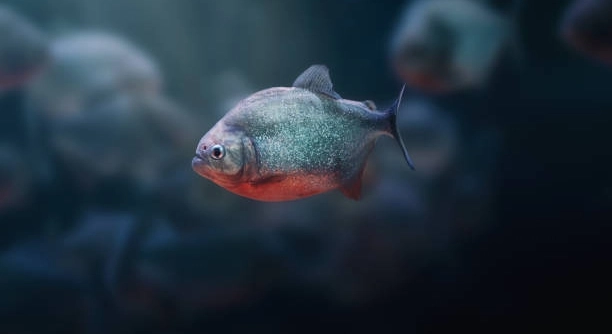
Piranhas are often seen as fierce fish, but they also need safe places to hide in their natural environments. These hiding spots help them stay protected from predators and give them quiet spaces to rest. Understanding where they prefer to stay can reveal a lot about their behavior.
Piranhas typically choose natural hiding spots such as submerged roots, dense aquatic plants, underwater caves, fallen tree trunks, thick mud layers, rocky crevices, and shaded areas with low water flow. These locations provide shelter, camouflage, and access to food sources while minimizing threats.
Knowing these natural hiding places gives better insight into piranha habitats and helps anyone interested in their ecology appreciate their survival strategies.
Submerged Roots and Fallen Tree Trunks
Piranhas often seek shelter around submerged roots and fallen tree trunks. These natural structures provide excellent cover from predators and strong currents. Roots create tangled, maze-like areas underwater where piranhas can hide easily. Fallen trunks also offer solid barriers, allowing piranhas to rest in shaded, calm spots. These hiding places tend to accumulate food particles and smaller fish, which makes them ideal hunting grounds. In rivers and lakes where trees frequently fall into the water, piranhas take advantage of this natural debris. The rough surfaces of roots and trunks also help piranhas sharpen their teeth and remove parasites. Being near these spots increases their chances of survival because it reduces exposure to threats. Many piranha species use these hiding places daily to feel safe and regain energy after active hunting or swimming.
Submerged roots and fallen trunks are critical for piranha survival in many freshwater habitats.
The combination of shelter and food near these structures makes them some of the most preferred piranha hiding spots. If you observe piranhas in a natural setting, they will likely be found close to such underwater formations. These areas offer protection, help with hunting, and give piranhas a place to rest quietly. Understanding this can improve how we study their habits or maintain aquariums that mimic their natural homes. These structures create a balanced environment where piranhas can thrive.
Dense Aquatic Plants and Mud Layers
Dense aquatic plants provide cover and food for piranhas. They hide among thick vegetation to avoid predators and ambush prey.
Dense plants not only shield piranhas but also support a rich ecosystem that attracts small fish and insects, which are part of their diet. Piranhas use the plants to blend into their surroundings, making it easier to sneak up on prey. Additionally, thick mud layers on riverbeds serve as another favorite hiding spot. The soft mud offers a place to burrow and stay hidden during the day when piranhas are less active. Mud layers also help regulate temperature, keeping the fish cool in warmer weather. These plants and mud together create ideal, safe zones for piranhas in their habitat.
Both dense plants and mud layers play important roles in protecting piranhas while supporting their feeding habits. They provide safety, food access, and comfortable resting areas. Observing these natural features helps explain how piranhas avoid threats and maintain energy for hunting. They are essential components of the fish’s environment and influence their daily behavior. Incorporating similar elements in captivity can improve piranha health and wellbeing by replicating these hiding and resting preferences.
Underwater Caves and Rocky Crevices
Underwater caves and rocky crevices provide secure hiding places for piranhas. These tight spaces protect them from larger predators and strong water currents.
The hard surfaces of caves and rocks give piranhas a safe refuge where they can rest without being easily seen. These spots also offer stable temperatures and less water movement, which helps conserve energy. In some areas, caves serve as breeding sites, giving piranhas a safe place to lay eggs and protect their young. The shadows cast by rocks create excellent camouflage for hunting small fish that swim nearby. Such structures are less disturbed by other animals, making them peaceful areas for piranhas to hide during the day.
Rocky crevices and caves form natural shelters that support piranhas’ survival needs. They are critical for resting, protection, and reproduction, highlighting the importance of these habitats in piranha ecology.
Shaded Areas with Low Water Flow
Shaded areas with slow-moving water attract piranhas for rest and protection. These calm zones help piranhas avoid predators and reduce energy use.
Slow water flow reduces the effort needed for swimming, allowing piranhas to conserve strength for hunting or escaping threats. Shade from overhanging plants or land features lowers water temperature and provides relief from harsh sunlight. These areas also tend to accumulate food particles and smaller fish, making them good hunting grounds. Piranhas feel safer here because visibility is lower, and movement is less likely to attract attention. These quiet, sheltered spots help piranhas stay hidden while waiting for prey or resting between active periods. Their preference for shaded, slow-flowing water reflects their need for both safety and efficiency in their environment.
Fallen Leaves and Floating Debris
Fallen leaves and floating debris create natural cover for piranhas. These materials break up light and movement on the water’s surface, helping piranhas stay hidden.
The debris also attracts insects and small fish, which serve as food for piranhas. These spots are calm and provide excellent camouflage, making them a preferred hiding place.
Root Tangles in Shallow Water
Root tangles in shallow water offer dense protection from predators. Piranhas use these areas to hide and ambush prey effectively.
These tangled roots slow down larger animals and make it harder for them to reach piranhas. The complexity of roots creates safe zones where piranhas feel secure while waiting to catch food.
Thick Algae Mats
Thick algae mats provide cover and reduce visibility underwater. Piranhas use these mats to stay hidden from predators and sneak up on prey.
The algae mats also create oxygen-rich microhabitats that support smaller fish and insects, adding to the piranhas’ food supply.
FAQ
Where do piranhas like to hide the most?
Piranhas most often hide in areas that provide good cover and safety. Submerged roots, fallen tree trunks, and dense aquatic plants are their favorite spots because these places offer shelter and a chance to ambush prey. They also prefer shaded areas with slow-moving water where they can rest without using much energy.
Why do piranhas need hiding spots?
Hiding spots are important for piranhas to avoid predators and conserve energy. These fish live in environments with many threats, including larger fish and birds. By hiding in natural shelters, piranhas can stay safe while waiting for prey. It also helps them protect their young and recover after hunting.
How do underwater caves benefit piranhas?
Underwater caves provide safe refuges where piranhas can rest, reproduce, and avoid danger. These caves have stable temperatures and less water flow, which helps piranhas save energy. They also offer excellent camouflage and protection from predators, making caves a crucial part of piranha habitats.
Can piranhas survive without these natural hiding spots?
Natural hiding spots are essential for wild piranhas’ survival. Without places like roots, plants, and caves, piranhas would be exposed to predators and harsh environmental conditions. In captivity, it is important to replicate these hiding spaces to keep piranhas healthy and stress-free.
Do piranhas use hiding spots to hunt?
Yes, piranhas use hiding spots as hunting bases. By blending into vegetation or hiding behind debris, they can ambush unsuspecting prey. Their ability to stay still and hidden allows them to strike quickly when smaller fish swim too close.
What role do fallen leaves and floating debris play in piranha habitats?
Fallen leaves and floating debris break up light and water movement, making it easier for piranhas to remain unseen. These materials also attract insects and small fish, which piranhas feed on. They provide both protection and food, making them valuable parts of the habitat.
How do shaded areas with low water flow help piranhas?
Shaded areas with slow water help piranhas conserve energy and stay cool. These zones reduce exposure to predators and create quiet places for rest. The lower light also improves camouflage, making it easier for piranhas to hunt without being noticed.
Are thick algae mats important for piranhas?
Thick algae mats serve as excellent hiding spots for piranhas. They reduce visibility underwater, allowing piranhas to remain hidden from predators and sneak up on prey. The mats also support smaller organisms that become food for the piranhas.
How do root tangles protect piranhas?
Root tangles in shallow water slow down larger animals, creating a barrier that piranhas can use for safety. The dense roots offer a complicated environment where predators cannot easily reach them. These tangles also give piranhas a strategic place to ambush prey.
What can aquarium owners learn from piranha hiding spots in the wild?
Aquarium owners can improve piranha care by adding structures that mimic natural hiding spots. Submerged roots, plants, caves, and shaded areas reduce stress and encourage natural behavior. Replicating these environments supports the fish’s health and helps them feel secure.
Piranhas are fascinating fish that rely heavily on natural hiding spots to survive and thrive. These places provide more than just shelter; they offer safety, comfort, and opportunities for hunting. Understanding where piranhas prefer to hide helps us learn about their daily habits and how they interact with their environment. Whether it is underwater caves, dense plants, or fallen tree trunks, these natural features play important roles in the fish’s life. Each hiding spot serves a specific purpose, whether it’s protection from predators, a place to rest, or a good location for finding food.
Many of the natural hiding spots also support other parts of the ecosystem, attracting small fish, insects, and other creatures that piranhas feed on. For example, algae mats and floating debris can gather tiny insects, while root tangles create safe areas for small prey to hide. This balance between shelter and food availability makes these spots ideal for piranhas. Knowing this can help in conserving their habitats and making sure these environments remain healthy. It also provides useful information for people who keep piranhas in aquariums. By replicating these natural hiding places, aquarists can create safer and more comfortable conditions for the fish, reducing stress and encouraging natural behavior.
Overall, the natural hiding spots piranhas prefer are essential to their survival and well-being. These areas offer more than just cover; they help piranhas rest, hunt, and protect themselves from threats. Learning about these spots deepens our understanding of how piranhas live and interact with their surroundings. It also reminds us of the importance of preserving natural water habitats where piranhas and other species depend on these hiding places. Whether in the wild or in captivity, providing or protecting these natural structures can make a significant difference in the health and behavior of piranhas.

Hello,
If you enjoy the content that we create, please consider saying a "Thank You!" by leaving a tip.
Every little bit helps us continue crafting quality advice that supports the health, happiness, and well-being of pets around the world, for pets of all shapes, sizes, and species.
We really appreciate the kindness and support that you show us!