
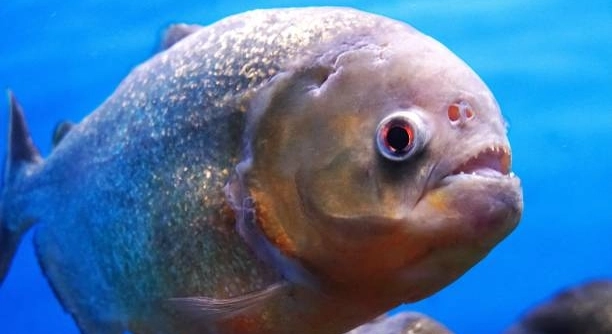
Piranhas are often misunderstood fish with specific needs in their tank environment. Their natural instincts influence how they interact with decor and choose their surroundings. Understanding these preferences can improve their well-being and tank harmony.
Piranhas instinctively use certain tank decor items that mimic their natural habitat. These include hiding spots, plants, and substrates that provide security and stimulate natural behaviors. Proper decor supports their health and reduces stress in captive environments.
Recognizing the right decor choices helps create a comfortable space for piranhas, enhancing their natural instincts and overall tank experience. This article highlights seven essential decor items piranhas use instinctively.
Natural Hiding Spots
Piranhas feel safest when they have places to hide. In the wild, they use rocks, plants, and driftwood to create shelter from predators and to rest. In a tank, natural hiding spots help reduce their stress and encourage natural behaviors like hunting and resting. Smooth rocks and sturdy pieces of driftwood work well, as they mimic the piranhas’ natural environment. Plants, especially dense or broad-leaved types, offer both cover and shade. Providing these elements can prevent aggressive behavior by giving piranhas a sense of security. These hiding spots also add visual interest to the tank, making it look closer to their natural river habitats. Over time, piranhas may return repeatedly to their favorite spots, showing how important these areas are for their comfort. Avoid sharp or rough materials that could injure them. Soft lighting combined with hiding places helps them feel less exposed and more relaxed.
Natural hiding spots are key to maintaining a peaceful tank with healthy piranhas.
Proper shelter creates a sense of safety, supporting piranhas’ natural instincts and overall well-being.
The Role of Plants
Plants play a vital role in a piranha tank by providing cover and breaking lines of sight. This helps to reduce stress and aggression among the fish. Live plants are ideal as they improve water quality by absorbing nitrates, though sturdy artificial plants can also be useful if well placed. Broad leaves give piranhas places to rest beneath, simulating shaded areas they would find in rivers.
Using plants helps balance the tank environment, promoting healthier and calmer fish behavior.
Plants soften the tank’s appearance and give piranhas spaces to retreat, which supports their instinctive behaviors.
Substrate Choice and Its Impact
The substrate at the bottom of the tank influences how piranhas behave and feel. In natural habitats, piranhas are used to sandy or fine gravel riverbeds. A soft substrate encourages natural digging and foraging behaviors, allowing piranhas to sift through the sand for food remnants or hide small prey items. It also helps reduce injuries that might happen with rough or sharp gravel. Sand is often preferred because it is gentle and mimics their native river bottoms.
The color of the substrate can also affect how secure the fish feel. Darker substrates provide a better contrast, making piranhas feel less exposed to threats from above. It also enhances the tank’s overall appearance, highlighting the fish’s colors.
Choosing the right substrate improves both the aesthetic and the health of the tank, encouraging natural piranha instincts and behaviors while protecting their delicate skin. It is important to regularly clean the substrate to avoid buildup of waste that could harm water quality. Sand and fine gravel substrates are easy to maintain and provide a more natural setting for these fish. A well-chosen substrate supports the tank’s ecosystem and keeps piranhas comfortable and active.
Driftwood and Branches
Driftwood provides essential shelter and adds structure to the tank. It creates shaded areas and places for piranhas to explore and rest.
Driftwood mimics the submerged branches found in piranha habitats. It offers a natural hiding spot that piranhas instinctively seek. The wood also releases tannins, which can slightly lower the pH, replicating their preferred water conditions. Driftwood’s texture allows piranhas to rub against it, helping remove parasites or dead skin gently. It also contributes to tank aesthetics, making the environment feel more natural and comfortable for the fish.
When adding driftwood, ensure it is properly treated to avoid releasing harmful substances. Rinse and soak it for days to weeks, allowing tannins to leach out gradually. Use pieces that are smooth to prevent injury. Arranging driftwood strategically helps break up open spaces, which can reduce aggression by providing multiple territories. This setup allows piranhas to express natural behaviors more freely, supporting their health and reducing stress.
Floating Plants
Floating plants provide cover at the water surface and create shadows, which piranhas instinctively appreciate. They help filter light and reduce glare in the tank.
These plants mimic the natural river environments where piranhas live, offering shaded areas that help reduce stress. Floating plants also improve water quality by absorbing excess nutrients, limiting algae growth. They give piranhas a sense of security by breaking up open water and creating visual barriers. This encourages more natural behavior and helps keep aggression low among tank mates. Common options include duckweed, water lettuce, and frogbit, which are easy to maintain and propagate.
Maintaining floating plants requires regular thinning to prevent overcrowding, which can reduce oxygen levels. They thrive in well-lit tanks but need stable water conditions. Combining floating plants with other decor elements creates a balanced, enriched environment that supports piranhas’ instincts and promotes healthier, more natural behavior. This also enhances the visual appeal of the tank, making it more dynamic and interesting to observe.
Rock Formations
Rock formations offer stable hiding spots and help establish territories in the tank. They add texture and interest, encouraging natural exploration.
Careful selection of smooth, non-toxic rocks is essential to avoid injury. Rocks create caves and crevices, which piranhas instinctively use for shelter and resting places.
Lighting Conditions
Lighting should be soft and natural to mimic shaded river environments. Bright, harsh lights can stress piranhas and increase aggression.
Using adjustable or dimmable lights helps create a calming atmosphere. Natural light cycles support their biological rhythms, encouraging healthier behavior and reducing stress.
Water Movement
Piranhas prefer moderate water flow that simulates river currents. Gentle currents help oxygenate the tank without causing stress.
Too strong a current can exhaust them, while stagnant water reduces oxygen and affects their health negatively.
Leaf Litter
Leaf litter on the tank bottom replicates the natural riverbed environment. It provides hiding spots for smaller creatures and enriches the habitat.
What type of plants are best for a piranha tank?
Plants that are sturdy and able to tolerate some nibbling are best for piranha tanks. Broad-leaved plants like Amazon swords or Anubias work well because they provide good cover and are less likely to be destroyed quickly. Floating plants such as duckweed or frogbit also help by offering shade and breaking up light, which makes the tank environment feel more natural and calming for piranhas. Live plants improve water quality by absorbing nitrates, but if maintaining live plants is difficult, high-quality artificial plants with soft edges can be used as substitutes.
How often should I clean tank decorations?
Tank decorations should be cleaned regularly but carefully to avoid stressing the fish. Generally, cleaning every one to two weeks is sufficient, depending on tank conditions. Use warm water and a soft brush to remove algae and debris from decorations like rocks, driftwood, and plants. Avoid using soaps or detergents as these can harm the fish. Routine cleaning helps maintain water quality and prevents buildup that could cause health problems or promote unwanted bacteria and algae growth. Cleaning also keeps the tank visually appealing and safe for piranhas to interact with.
Can piranhas damage tank decorations?
Piranhas can sometimes damage decorations, especially soft or fragile ones. They may chew on plants, particularly if they are live, or scratch at driftwood and rocks during natural behaviors. Choosing durable materials is important to prevent damage. Using sturdy plants, smooth rocks, and well-treated driftwood helps ensure that decorations last longer. Regularly monitoring the tank and replacing worn or damaged items maintains a safe environment. Understanding that some interaction with decor is natural helps in planning the tank setup to minimize harm.
Do piranhas need hiding places?
Yes, hiding places are essential for piranhas. These spots help reduce stress and aggression by giving fish a secure area to retreat. In the wild, piranhas use natural shelters to avoid predators and rest. Replicating this with caves, plants, and driftwood in the tank provides comfort and supports their natural behavior. Lack of hiding places can lead to increased fighting or nervousness. Providing multiple shelters is especially important in tanks with more than one piranha to help establish territories and reduce conflicts.
How does substrate affect piranha behavior?
The substrate impacts how piranhas behave by influencing their comfort and natural activity levels. Soft substrates like sand or fine gravel allow them to engage in digging and foraging behaviors common in the wild. Hard or sharp substrates can cause injury or discomfort, discouraging natural instincts. The color of the substrate also matters; darker colors help piranhas feel more secure by reducing reflections and glare, creating a sense of safety. Regular cleaning of the substrate prevents waste buildup, which supports overall tank health and fish well-being.
Are floating plants necessary in a piranha tank?
Floating plants are not absolutely necessary but highly beneficial. They provide shade and cover at the water’s surface, reducing stress by softening light and breaking open spaces. This creates a more natural, river-like environment that piranhas instinctively prefer. Floating plants also contribute to water quality by absorbing excess nutrients, which limits algae growth. Maintaining floating plants requires occasional thinning to prevent overcrowding and maintain oxygen levels, but their benefits to fish behavior and tank balance make them a useful addition.
What kind of lighting is best for piranhas?
Soft, natural lighting works best for piranhas. Harsh, bright lights can increase stress and lead to aggressive behavior. Lighting that mimics natural daylight cycles supports their biological rhythms, promoting healthy activity patterns. Using dimmable or adjustable lights allows control over intensity, creating a calm environment. Avoid direct overhead lighting that produces glare on the water surface. Proper lighting enhances both fish health and the visual appeal of the tank by bringing out natural colors without causing discomfort.
How does driftwood benefit piranhas?
Driftwood provides essential shelter and adds complexity to the tank. It creates shaded areas and hiding spots, which piranhas instinctively seek for safety and rest. Driftwood releases tannins that slightly lower water pH, simulating their natural river conditions. Its rough texture allows piranhas to gently rub against it, which can help remove parasites and dead skin. Well-prepared driftwood also supports beneficial bacteria growth, contributing to biological filtration. Proper treatment before use ensures it won’t leach harmful substances, making it both a functional and aesthetic addition to the tank.
Is leaf litter safe for piranhas?
Leaf litter is safe and beneficial when used properly. It replicates the natural riverbed environment and provides additional hiding spots for smaller organisms within the tank. Decomposing leaves release tannins that help lower pH, creating favorable water conditions. They also contribute to a more natural and enriched habitat. It’s important to use clean, pesticide-free leaves and replace them regularly to prevent excess waste buildup. Leaf litter supports natural behaviors and improves the overall health of the tank ecosystem when managed carefully.
How important is water flow in a piranha tank?
Water flow is very important for piranhas. Moderate currents mimic the natural river environment and help maintain oxygen levels in the tank. Gentle water movement supports respiratory health without tiring the fish. Too strong a current can cause stress and exhaustion, while stagnant water reduces oxygen and promotes harmful bacteria growth. Proper filtration combined with controlled water flow creates a balanced environment that encourages natural behavior and keeps piranhas comfortable. Adjusting flow to suit the species’ needs is essential for long-term health and well-being.
Final thoughts on decorating a piranha tank emphasize the importance of creating an environment that closely mimics their natural habitat. Piranhas thrive in spaces where they feel secure and have places to hide, explore, and establish territories. Including elements like rocks, driftwood, plants, and leaf litter provides more than just decoration—it supports the fish’s instinctive behaviors and reduces stress. A well-planned tank setup benefits the overall health and longevity of piranhas by encouraging natural activity and minimizing aggression.
Maintaining a balance between aesthetics and function is key when selecting tank decor. Decorations should be durable and safe to prevent injury while offering enough variety to meet the piranhas’ needs for shelter and stimulation. Proper lighting and moderate water flow help maintain stable conditions, making the fish more comfortable. Choosing the right substrate and adding floating plants further enhances the environment, supporting water quality and replicating river-like conditions. Attention to these details creates a tank that is both visually pleasing and practical for piranha care.
Regular maintenance and observation are essential to keep the tank in good condition and ensure the fish remain healthy. Cleaning decorations carefully, monitoring water parameters, and replacing worn items contribute to a stable habitat. Watching how piranhas interact with their environment helps identify any adjustments needed to reduce stress or aggression. Overall, thoughtful tank decoration is an ongoing process that combines understanding piranha instincts with practical care strategies to provide a safe and enriching home for these unique fish.

Hello,
If you enjoy the content that we create, please consider saying a "Thank You!" by leaving a tip.
Every little bit helps us continue crafting quality advice that supports the health, happiness, and well-being of pets around the world, for pets of all shapes, sizes, and species.
We really appreciate the kindness and support that you show us!