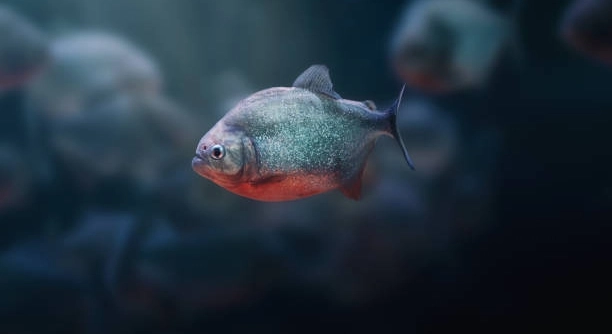
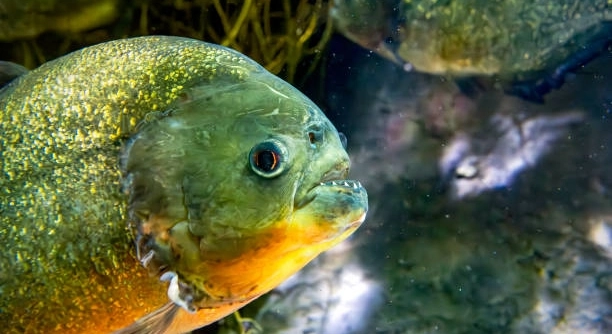
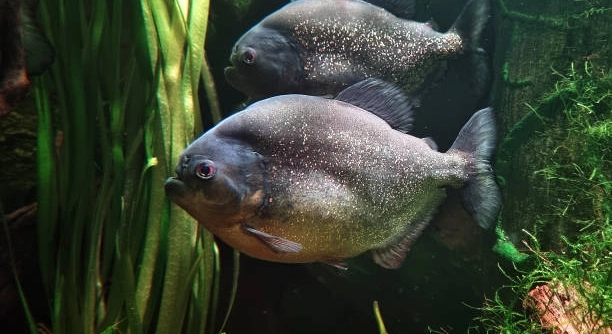
7 Quiet Tank Filters Ideal for Piranha Setups
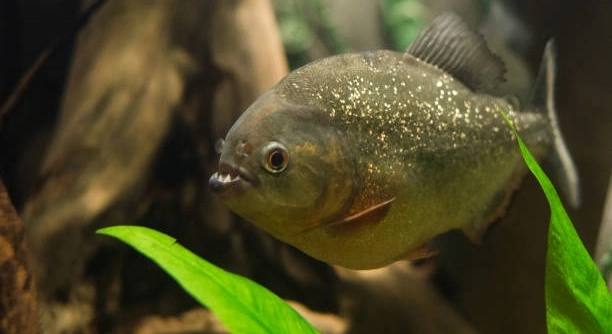
Keeping a piranha tank clean and healthy is essential for the well-being of these vibrant fish. Choosing the right filter can make a big difference in maintaining water quality while ensuring a quiet environment. This article explores options suited specifically for piranha setups. Quiet tank filters are designed to minimize noise while efficiently circulating and … Read more

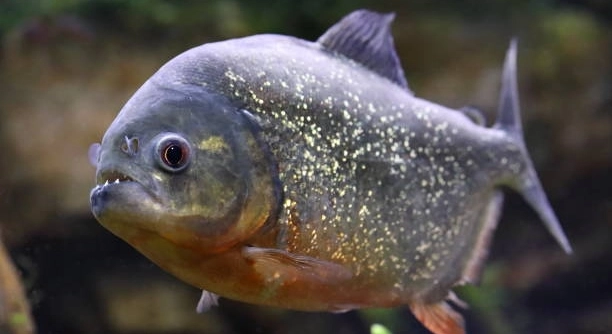
7 Reasons Why Piranhas Move in Tight Groups

Have you ever stopped to think about why piranhas always seem to swim so closely together in rivers and lakes? Piranhas move in tight groups primarily for protection, hunting efficiency, and social structure. Grouping together helps reduce individual risk from predators, increases their chances of capturing prey, and allows them to communicate and coordinate more … Read more

7 Reactions Piranhas Have to Moving Shadows

Piranhas react quickly to changes in their environment, especially to moving shadows. These fish are highly sensitive to visual cues, which helps them survive and hunt effectively in the wild. Understanding their reactions offers insight into their behavior. Piranhas exhibit several instinctive responses to moving shadows, including increased alertness, defensive posturing, rapid swimming, and changes … Read more

7 Tank Plants Piranhas Won’t Destroy

Many aquarium owners enjoy adding plants to their tanks for decoration and fish health. Piranhas are known to be aggressive, often damaging or destroying plants in their environment. Finding plants that can survive with piranhas can be challenging but rewarding. Seven specific tank plants have been identified that piranhas typically do not destroy. These plants … Read more

7 Unexpected Foods Piranhas Might Nibble

Piranhas are often known for their sharp teeth and aggressive feeding habits. However, their diet can include a surprising variety of foods beyond the usual fish and meat. Some unexpected items can catch their interest and satisfy their appetite. Piranhas may nibble on a range of unusual foods, including fruits, plants, insects, crustaceans, and even … Read more

7 Subspecies of Piranhas You’ve Probably Overlooked

Piranhas are often seen as fierce fish, but there is much more to them than meets the eye. Many people recognize only a few common types, missing out on the variety that exists beneath the surface. These lesser-known subspecies each have unique traits worth exploring. Seven subspecies of piranhas have been identified, each with distinct … Read more

Can Piranhas Live with Other Fish? (What You Should Know)

Many aquarium owners enjoy keeping piranhas because of their unique appearance and behavior. Understanding how these fish live alongside others can help create a balanced and healthy tank environment. Knowing their needs is important for any fish enthusiast. Piranhas are generally aggressive and territorial, making it difficult for them to live peacefully with many other … Read more

7 Tips for Raising Baby Piranhas

Raising baby piranhas can be an interesting challenge for many fish enthusiasts. These small but lively creatures require special care to ensure they grow healthy and strong in their environment. Proper knowledge is key to their successful development. Successfully raising baby piranhas involves maintaining clean water, providing appropriate food, ensuring stable temperature, and monitoring their … Read more

7 Water Quality Factors That Shape Piranha Mood

Piranhas are often seen as fierce fish, but their behavior can change depending on the water they live in. Many factors in the water influence how piranhas feel and act. Understanding these can help keep them healthy and calm. Water quality factors such as temperature, pH levels, dissolved oxygen, ammonia concentration, nitrate levels, hardness, and … Read more

7 Signs Your Piranha Doesn’t Like the Filter Flow

Is your piranha acting jumpy or hiding more often ever since you installed a new filter in its tank? Piranhas can become stressed or irritated by strong or inconsistent filter flow, which disrupts their sense of security and comfort. Recognizing signs of discomfort early can help you adjust the environment to better suit their needs. … Read more