
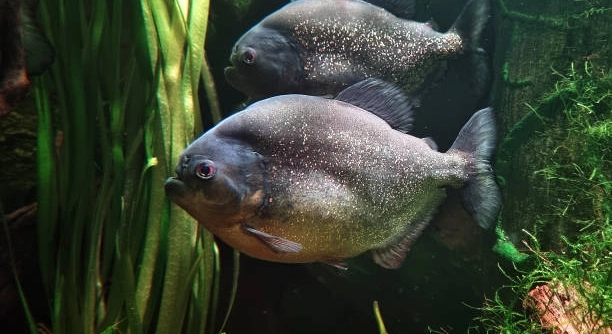
Do your piranhas often get aggressive or overly excited during feeding time, making it hard to manage their behavior?
The best way to manage piranha behavior during feeding time is by creating a consistent feeding routine, reducing food competition, and avoiding sudden movements that can trigger aggression. Feeding them in a calm environment also helps.
Feeding time doesn’t have to feel chaotic—learning a few simple techniques can keep both your fish and your fingers safe.
Understanding Piranha Behavior During Feeding
Piranhas are known for their fast and intense feeding reactions, especially when food is introduced suddenly. This excitement can lead to aggression, not just toward their tank mates but also toward anything that enters the water. These fish are naturally triggered by movement and the scent of food, so even small actions can lead to chaotic behavior. To reduce this, it’s helpful to keep a consistent feeding schedule. Feed them at the same time each day to establish a rhythm. This routine helps lower stress and decreases food-related aggression. Offering the right amount of food is also important. Overfeeding can cloud the water and raise aggression, while underfeeding can increase competition. Use feeding tools like long tongs or feeding rings to safely deliver food. Avoid crowding them, and don’t place your hands in the tank during meals. Calm handling reduces tension and supports safer feeding habits overall.
Spacing between each piranha during feeding matters. Give them enough room so they don’t compete over the same food source.
Feeding should feel controlled. Avoid sudden movements, loud noises, or splashing when it’s time to feed. Keep the lights steady and avoid tapping on the tank. These changes in environment can startle your piranhas and lead to aggressive lunging or fighting. Feeding in a calm setting helps them feel more secure.
Creating a Safer Feeding Routine
Avoid feeding when your piranhas are already active or startled. Choose a moment when the tank is quiet and the fish appear calm.
A well-planned routine makes feeding smoother. Start by using the same container and tools each time. This creates consistency, which helps reduce excitement and surprise. Try feeding them in small amounts instead of giving all the food at once. This spreads out their attention and gives slower fish a better chance to eat. Monitor your fish during meals to ensure no one is being chased away or showing signs of injury. A quiet feeding zone also matters—limit outside distractions like pets or kids near the tank during this time. Keep the tank clean to avoid buildup from leftover food. Using food that floats can help you track how much they’ve eaten. Finally, give them time to finish eating before doing any maintenance or approaching the tank again. This builds trust and makes each feeding more manageable.
Choosing the Right Feeding Tools
Feeding tools help you stay safe and keep the tank calm. Long tongs or feeding sticks allow you to place food without startling the piranhas or risking your hands near their bites. These tools also help spread food out more evenly in the tank.
Using the same tools every time builds a feeding pattern your piranhas will start to recognize. Metal tongs or plastic feeding sticks are easy to clean and long enough to avoid accidents. Avoid using your hands, even if the fish seem calm. Piranhas can mistake fingers for food, especially during high-energy moments. If you’re feeding live or frozen food, place it gently in different areas of the tank. This reduces crowding and tension. Feeding rings work well for floating foods and help contain meals in one area. With routine use, these tools will help feeding feel smoother and safer for both you and your fish.
Make sure your tools are clean and dry before use. Dirty feeding tools can introduce bacteria into the tank, which may affect water quality and fish health. Avoid letting the tools sit inside the aquarium after feeding, as this can stress the fish. Always remove them once the food is eaten. If you’re feeding multiple piranhas, try using two feeding sticks to separate the food and reduce competition. If you use frozen food, thaw it before placing it in the water to prevent temperature shock. A consistent approach, with the right tools, keeps feeding time efficient and calm.
Monitoring Aggression and Injuries
Aggression can happen even with a good feeding setup. Watch for fin nipping, chasing, or cornering behavior during and after meals. These signs may mean your piranhas are stressed or not getting enough food.
Piranhas may show signs of minor injuries after an aggressive feeding session. Look for torn fins, missing scales, or unusual swimming behavior. If you see these issues, check if certain fish are being bullied or left out during feeding. Try spacing the food more or adjusting the amount you’re offering. Injured fish may hide or stop eating, so consider placing food closer to them in a calm spot. In more serious cases, you may need to separate the hurt fish until it recovers. Regularly inspect each fish after feeding and note any changes. This simple habit helps you catch problems early and keep your piranhas in better health over time.
Adjusting Feeding Frequency and Amount
Feeding once a day is usually enough for adult piranhas. Too much food can make them more aggressive and dirty the water. Younger piranhas may need to eat twice a day, but in smaller amounts.
Overfeeding can cause leftover food to sink and rot. This lowers water quality and adds stress. Feed only what they can finish in a few minutes.
Keeping the Tank Environment Calm
A calm tank supports better feeding behavior. Keep lighting consistent and avoid sudden changes. Loud noises, fast movements, or tapping the glass can trigger fear or aggression during meals. Use a cover or background to reduce outside distractions, especially in busy rooms.
Watching for Behavioral Patterns
Piranhas often show patterns in how they feed. Some eat fast and swim away, while others hang back. Noticing these habits helps you plan better feeding strategies and prevent conflict.
FAQ
How often should I feed my piranhas?
Adult piranhas should be fed once a day. This keeps them healthy without overfeeding, which can lead to dirty water and aggression. Juvenile piranhas may need to eat twice a day, but in small portions. Always remove uneaten food to keep the tank clean. Keeping a consistent schedule helps your fish stay calm and balanced.
What kind of food should I give my piranhas?
Piranhas need a varied diet. You can feed them high-quality pellets, frozen fish, shrimp, and occasionally small pieces of raw meat. Avoid feeding live animals, as this can encourage aggressive behavior and introduce disease. Vegetables like peas or zucchini can also be added occasionally for balance. A healthy mix keeps them strong and less likely to fight.
Is it safe to feed piranhas by hand?
No, it’s not safe. Even if your piranhas seem calm, they can quickly become aggressive during feeding. Their bite is strong, and they may mistake fingers for food. Always use long tongs or a feeding stick to keep a safe distance. Safety should always come first during feeding time.
Why do my piranhas fight during feeding?
Fighting usually happens when food is limited or placed in one spot. Piranhas become competitive in high-stress situations. Spreading food out in different areas of the tank helps reduce this problem. Make sure each fish has enough space and time to eat without being chased or bitten by others.
How can I tell if a piranha is injured after feeding?
Look for torn fins, missing scales, or if a fish is hiding more than usual. Injured piranhas may also avoid food or swim oddly. If you see these signs, check how the fish behaves during the next feeding. If it’s being bullied or attacked, consider separating it until it heals.
What should I do if one piranha eats more than the rest?
Some piranhas eat faster than others. Try feeding in smaller, spaced-out portions across the tank. This gives slower fish a chance to eat without being chased off. If it continues, observe closely to make sure all fish are eating. You may need to adjust how and where you feed them.
Do piranhas recognize feeding tools or routines?
Yes, over time they can recognize routines. If you use the same tools and feed at the same time, piranhas may become more relaxed during feeding. This helps reduce the chaos that often happens when food is introduced suddenly. Routine and calm behavior lead to better feeding sessions.
Can I feed my piranhas live fish?
It’s not recommended. Feeding live fish can spread parasites or disease to your tank. It also encourages aggression and can stress both the piranhas and the prey. Frozen or prepared foods are safer and easier to control. Stick with high-quality, clean food sources to keep the tank healthy.
Should I turn off the filter during feeding?
You don’t have to turn off the filter completely, but you can reduce the flow if it pushes food around too much. Some filters have adjustable settings. Keeping food in place helps the fish focus and prevents waste from floating all over the tank.
What signs show my piranhas are overfed?
If they ignore food or spit it out, they’re likely full. Also, look for cloudy water, more waste at the bottom, or sluggish swimming. Overfeeding is common and can harm both water quality and fish health. Feed smaller amounts and watch how much they finish in a few minutes.
How long should feeding time last?
Feeding should only take a few minutes. Most piranhas eat quickly, so if food stays uneaten after five minutes, remove it. Leaving it too long dirties the water and can lead to health issues. A short, focused feeding time is best for them and easier for you to manage.
Final Thoughts
Feeding time with piranhas can feel intense, but with the right approach, it becomes much easier to manage. Understanding their behavior is one of the most important steps. Piranhas are not naturally aggressive all the time—they just react strongly when food enters the water. This response comes from instinct, not anger. Creating a calm environment and sticking to a regular routine helps reduce those sudden bursts of energy. Over time, your piranhas may even begin to recognize when feeding time is near and act in a more predictable way. Watching their behavior and learning their patterns can make a big difference.
Using feeding tools, spacing out food, and keeping things quiet during feeding all help make the experience safer for you and your fish. These steps are not complicated, but they do take a bit of consistency. It’s better to feed smaller amounts and observe how they eat, rather than rushing through it and letting things get chaotic. If one fish seems to be causing problems or eating more than the others, don’t ignore it. Small problems during feeding can grow into bigger ones over time. Monitoring aggression and checking for injuries should be part of your regular routine. Even a quick look after feeding can tell you a lot about your tank’s health.
There’s no need to overthink the process, but small changes really can help. Use tools instead of hands. Feed at the same time each day. Watch for leftover food and remove it quickly. These habits may seem small, but they help create a more balanced and calm space for your fish. Piranhas are interesting and active creatures, and feeding time is when you get to see much of their personality. When done right, it’s a safe and even enjoyable part of caring for them. Keeping things simple, consistent, and calm will help make each feeding go more smoothly, while also keeping your piranhas healthy and less likely to harm one another.

Hello,
If you enjoy the content that we create, please consider saying a "Thank You!" by leaving a tip.
Every little bit helps us continue crafting quality advice that supports the health, happiness, and well-being of pets around the world, for pets of all shapes, sizes, and species.
We really appreciate the kindness and support that you show us!