How to Move an Arowana Safely (Step-by-Step)
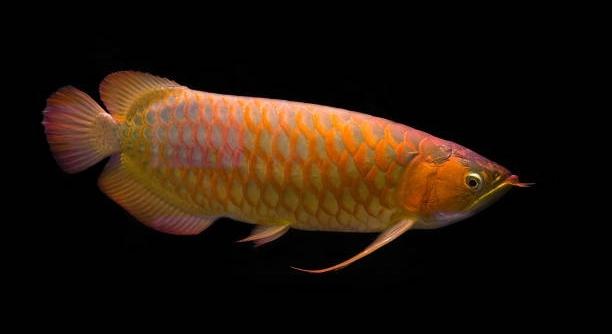
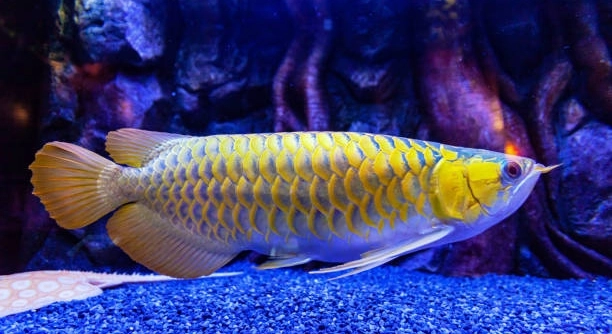
Moving an arowana can feel challenging, especially if you want to avoid stressing the fish. Ensuring a smooth transition is important for both the health of the fish and the safety of your aquarium setup. The most effective method to move an arowana safely involves preparing a temporary container, regulating water temperature and quality, handling … Read more
Why Is My Arowana Active Only at Night?

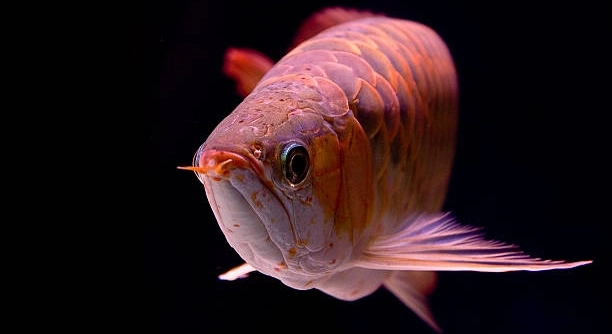
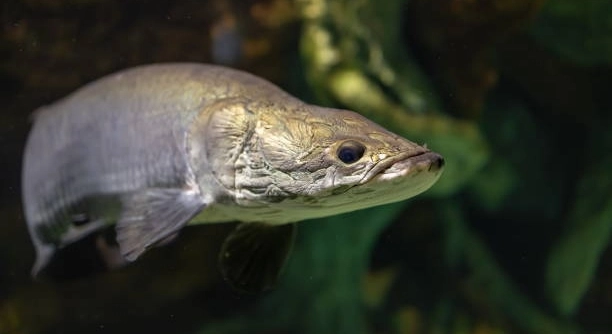
Have you ever noticed your arowana becoming most active when your home is quiet and calm during the night hours, leaving you curious about its unusual behavior and what might be influencing this routine today. The primary reason an arowana becomes active only at night relates to environmental conditions mimicking its natural habitat. Reduced lighting, … Read more

7 Ways to Make Feeding Time More Interactive

Feeding time can sometimes feel routine and quiet, but it doesn’t have to be that way. Making meals more interactive can encourage engagement, build stronger bonds, and even support healthy habits in those you care for. Creating interactive feeding experiences involves incorporating sensory, cognitive, and social elements into mealtime. Structured activities, varied textures, and playful … Read more

7 Arowana Tank Upgrades That Make a Big Difference

Are your arowana tanks feeling a bit outdated or underwhelming? Many hobbyists find that small adjustments can dramatically improve both the appearance and health of their aquatic environment, creating a more vibrant and stable home. Upgrading an arowana tank involves optimizing filtration, lighting, water flow, and tank size. Enhancements like better heaters, aeration systems, substrate, … Read more

Can Arowana Grow Attached to a Routine?

Have you ever noticed how some fish seem calmer and more responsive when fed at the same time each day? Arowanas, with their elegant movements, often show subtle changes in behavior linked to routine care and feeding patterns. Arowanas can adapt to a consistent routine, which helps stabilize their behavior and growth. Regular feeding times, … Read more

7 Types of Arowana (And How to Tell Them Apart)

Arowanas are striking freshwater fish admired for their graceful movements and metallic scales. They are popular among aquarium enthusiasts and collectors alike. Their unique appearance and behavior make them a fascinating addition to any home tank. Arowanas can be categorized into seven main types: Asian, Jardini, Silver, Black, Red, Albino, and Super Red. Each type … Read more

Can You Keep Two Arowana Together?

Keeping Arowanas is a rewarding experience, but managing their behavior can be challenging. These majestic fish are known for their size and beauty, making them popular among enthusiasts who value both appearance and presence in an aquarium. Keeping two Arowanas together requires careful planning. They are territorial and aggressive, especially as they mature. Providing ample … Read more

7 Odd Tank Habits That Mean Nothing’s Wrong

Have you ever watched your aquarium pets act in strange ways that leave you unsure whether something is wrong or simply part of their routine behavior around the tank even when everything appears normal overall? Most unusual tank behaviors are harmless expressions of natural instincts, including exploration, rest patterns, or environmental reactions, and they typically … Read more

7 Reasons Your Arowana Is Breathing Heavily

Is your arowana showing signs of heavy breathing and unusual movement in its tank? Observing these behaviors can be concerning for any fish owner. Understanding why your arowana struggles to breathe properly is essential for its overall well-being. Heavy breathing in arowanas is often linked to environmental stressors, poor water quality, oxygen deficiency, or underlying … Read more

7 Clues Your Arowana Wants a Different Diet

Arowanas are beautiful and graceful fish that often capture the attention of aquarium enthusiasts. Watching them swim can be relaxing, but it can also make you notice small changes in their behavior or appetite over time. Arowanas may signal a need for a different diet through behavioral changes, selective feeding, or physical signs. Recognizing these … Read more