
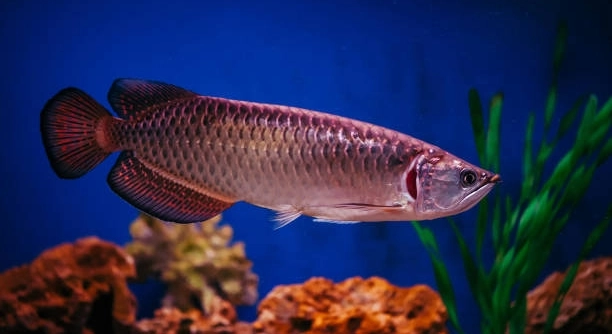
Arowanas are striking freshwater fish admired for their graceful movements and metallic scales. They are popular among aquarium enthusiasts and collectors alike. Their unique appearance and behavior make them a fascinating addition to any home tank.
Arowanas can be categorized into seven main types: Asian, Jardini, Silver, Black, Red, Albino, and Super Red. Each type has distinct features, including body shape, scale color, and fin structure, which allow precise identification when observing them closely in aquariums.
Knowing the differences between each type will make it easier to care for them properly and appreciate their unique beauty in your aquarium.
Asian Arowana
The Asian Arowana is one of the most sought-after types due to its elegant body and metallic scales. Its long, sleek form and large, symmetrical fins make it stand out in any tank. Colors range from gold to red and green, depending on the specific variant. They are often considered symbols of luck and prosperity in certain cultures. Asian Arowanas require a spacious tank with stable water conditions to thrive. They are carnivorous and prefer live or frozen food, including shrimp, insects, and small fish. Their behavior is calm yet assertive, and they may claim territory if housed with other fish. Regular water changes and proper filtration are essential to keep them healthy. This type of Arowana can live for over a decade with proper care, making them a long-term commitment. Observing their graceful movements and shimmering scales can be very rewarding.
Asian Arowanas are best kept in tanks over 250 liters to ensure adequate swimming space and healthy growth.
They are delicate fish that require stable water temperatures and careful feeding. Tank mates must be chosen cautiously to prevent aggression, as they may chase or bite smaller species. Their beauty is matched by their care requirements, making them ideal for aquariums with dedicated attention.
Silver Arowana
Silver Arowanas are recognized for their long, slender bodies and silvery scales that reflect light beautifully.
They are highly active swimmers and often leap out of water, so tanks need secure lids to prevent accidents.
These fish grow quickly and can reach impressive lengths in captivity, often exceeding 90 centimeters. Silver Arowanas are hardy compared to some other types but still require clean water and consistent temperatures to thrive. Their diet consists mainly of live or frozen food, including small fish, insects, and shrimp. They are known for their jumping behavior, which helps them catch prey in the wild and requires owners to be vigilant in tank setup. While they can be aggressive, especially as they mature, proper tank size and careful selection of tank mates can reduce conflicts. Observing their sleek, shimmering bodies and powerful movements is fascinating. Silver Arowanas can live for over 15 years with proper care, making them a long-term addition to an aquarium.
Jardini Arowana
Jardini Arowanas have a robust body with a greenish-gold hue. Their scales are smaller than other types, giving them a slightly textured appearance. They are hardy and can adapt well to different freshwater environments.
These Arowanas are less aggressive than some other species but still appreciate space. They enjoy live food such as insects, small fish, and shrimp, which supports their active lifestyle. Tank size should be generous to accommodate their swimming needs, ideally over 250 liters. Regular water changes and proper filtration are essential to maintain their health. They are slower to mature compared to Asian Arowanas, often taking several years to reach full size. Despite their calm demeanor, they remain territorial, especially during feeding. Their natural coloration can intensify with proper lighting, making them visually striking in larger tanks.
They are suitable for those who want a manageable Arowana without compromising beauty. Observing their subtle movements can be very satisfying in a home aquarium.
Black Arowana
Black Arowanas are sleek with dark, metallic scales and elongated fins. They are known for their distinctive color contrast and predatory nature in freshwater tanks.
These fish are highly active and require spacious tanks, preferably over 300 liters, to swim freely. Their diet mainly consists of live or frozen food, including insects and small fish. They are territorial and can show aggression toward smaller fish, so careful tank mate selection is crucial. Regular monitoring of water conditions is necessary, as poor quality can affect their color and health. Black Arowanas are hardy, but they need consistent temperatures between 24–28°C. They grow quickly and can live over 10 years in captivity, making them a long-term commitment. Proper lighting can highlight their dark, reflective scales, enhancing their presence in an aquarium.
With attention to tank size, diet, and water quality, Black Arowanas thrive and display impressive, graceful movements that add elegance to any setup.
Red Arowana
Red Arowanas are known for their vibrant red-orange scales and flowing fins. They require spacious tanks and stable water conditions to maintain their color intensity.
They are carnivorous and thrive on a diet of live or frozen food, including shrimp, insects, and small fish.
Albino Arowana
Albino Arowanas have pale, almost translucent scales with pinkish hues. Their striking appearance makes them unique among Arowana types. They require careful attention to water quality and sunlight exposure, as their lighter coloration can make them more sensitive to environmental changes. Albino Arowanas are active swimmers and enjoy live foods, but overfeeding can affect their health. Tank mates should be chosen carefully, as their mild temperament can be disrupted by aggressive species. Consistent water conditions and a proper diet are key to maintaining their health and distinctive coloring. With proper care, they can live for over a decade.
Super Red Arowana
Super Red Arowanas have deep red scales and a robust body. They are highly prized for their vivid coloration and growth potential.
FAQ
How do I tell the different types of Arowana apart?
Identifying Arowana types comes down to observing their body shape, scale color, and fin structure. Asian Arowanas have metallic gold, green, or red scales with large, symmetrical fins. Silver Arowanas are long and slender with reflective silvery scales. Black Arowanas have darker, metallic scales, while Red and Super Red Arowanas display vibrant red-orange coloring. Albino Arowanas are pale with pinkish hues, and Jardini Arowanas have smaller, textured scales with a greenish-gold tint. Paying attention to these details will help distinguish each type clearly.
What tank size is best for Arowanas?
Most Arowanas require large tanks due to their size and swimming habits. A minimum of 250 liters is recommended for smaller species like Jardini or Albino Arowanas. Larger types, including Silver, Black, and Red Arowanas, need tanks over 300 liters. The tank should be long and wide to allow unrestricted swimming. Secure lids are essential, especially for jumping species like Silver Arowanas. Proper filtration and frequent water changes are necessary to maintain water quality and support healthy growth.
What should I feed my Arowana?
Arowanas are carnivorous and thrive on live or frozen foods. Common options include small fish, shrimp, insects, and pellets designed for carnivorous fish. Overfeeding can lead to obesity and water quality issues, so portion control is essential. Rotating their diet with different proteins helps provide balanced nutrition. Some species may take time to accept frozen foods, so patience is important. Avoid feeding overly fatty foods, as they can affect growth and health. Supplementing occasional vitamins can help maintain their scales’ vibrant colors.
Are Arowanas aggressive toward other fish?
Most Arowanas show territorial behavior, particularly as they mature. Aggression varies by species; Asian and Black Arowanas are known to be more assertive, while Albino and Jardini types are generally calmer. Tank size and suitable tank mates can reduce aggression. Avoid placing small or slow-moving fish in the same tank, as they may be targeted. Grouping multiple Arowanas in one tank requires significant space to prevent conflicts. Understanding each species’ temperament helps create a more peaceful aquarium environment.
How long do Arowanas live?
With proper care, Arowanas can live over 10 to 15 years, and some species, like Silver Arowanas, can exceed 20 years in captivity. Lifespan depends on water quality, diet, and overall care. Regular tank maintenance, stable temperatures, and a balanced diet are essential for longevity. Observing their health and behavior ensures early detection of issues that could affect lifespan.
Do Arowanas need special lighting?
Lighting is important for showcasing the natural colors of Arowanas. Red and Super Red Arowanas, in particular, benefit from lighting that enhances their scales’ vibrant tones. Avoid harsh or direct sunlight, especially for Albino types, as it may stress them. Standard aquarium lighting is usually sufficient, but using adjustable LEDs can help highlight coloration. Proper lighting also supports the overall health of the tank environment, encouraging natural behavior and activity.
How often should I clean an Arowana tank?
Arowana tanks require regular cleaning to maintain water quality. Partial water changes of 20–30% should be done weekly, and filter media cleaned according to manufacturer instructions. Debris from uneaten food must be removed daily to prevent water contamination. Consistent maintenance helps prevent stress, illness, and poor growth. Monitoring water parameters, such as pH, ammonia, and nitrate levels, is essential for healthy Arowanas. Proper cleaning routines ensure long-term tank stability and the fish’s wellbeing.
Can Arowanas live together?
Arowanas can sometimes coexist, but space and compatibility are critical. Large tanks are necessary when housing multiple Arowanas. Aggressive species should be monitored closely, and similar-sized individuals are preferable to avoid bullying. Tank layout with hiding spots and visual breaks can help reduce territorial behavior. Pairing overly small or delicate species with larger Arowanas is not recommended. Understanding each species’ temperament and providing adequate space ensures more peaceful cohabitation.
What common health issues should I watch for?
Common problems include fin rot, ich, bacterial infections, and swim bladder issues. Poor water quality and overfeeding are frequent causes. Regular observation for unusual behavior, discoloration, or lethargy helps detect problems early. Maintaining stable water conditions, balanced diet, and proper tank hygiene minimizes risks. Quarantining new fish before introducing them to the main tank is essential to prevent disease spread. Early intervention increases recovery chances and preserves overall tank health.
Are Arowanas difficult to care for?
Arowanas require commitment, as they need large tanks, stable water, and a controlled diet. While not impossible to care for, they are best suited for aquariums with experienced fish keepers or those ready to dedicate time and attention. Regular monitoring of water conditions, proper feeding routines, and tank maintenance are essential. Understanding the unique needs of each type, including temperament and growth patterns, helps ensure a healthy, thriving Arowana. Their beauty and behavior make the effort worthwhile.
Word count: 506
Final Thoughts
Arowanas are some of the most fascinating freshwater fish to keep in an aquarium. Each type brings its own unique charm, from the vibrant reds of the Super Red Arowana to the sleek silvery body of the Silver Arowana. Observing their movements can be calming, as they glide gracefully across the tank. However, their beauty comes with responsibility. These fish grow large, require spacious tanks, and need consistent care to thrive. Choosing the right type for your space and experience level is important. Understanding the differences between types helps you provide the best environment for them and ensures they remain healthy and active. Their long lifespan means they are a long-term commitment, so preparation is key before adding one to your aquarium.
Caring for Arowanas is more than just keeping them alive. Their water quality, diet, and tank setup play crucial roles in their health and appearance. Regular water changes and proper filtration are essential to prevent stress and disease. Feeding them a balanced diet that mimics their natural food sources will help maintain their vibrant coloration and overall well-being. Tank mates should be chosen with care, as Arowanas can be territorial. Each species has its temperament, and understanding these behaviors prevents conflicts and promotes a peaceful environment. Observing their habits, feeding patterns, and responses to their surroundings is a rewarding part of ownership, providing insight into their unique personalities and behaviors.
While they may seem intimidating at first, Arowanas are manageable with proper planning and attention. Their striking colors, graceful swimming, and unique personalities make them worthwhile additions to a home aquarium. By learning about their needs and respecting their care requirements, you can create a healthy and stimulating environment for them. Investing time in their care ensures they thrive and remain beautiful for years to come. Whether you are drawn to the powerful Black Arowana, the exotic Asian Arowana, or the gentle Albino Arowana, each type offers something special. Proper research, commitment, and routine maintenance are essential to enjoy these remarkable fish fully. A well-cared-for Arowana can become a centerpiece of your tank, offering visual appeal and a sense of accomplishment in providing the right care for such extraordinary creatures.
Word count: 407

Hello,
If you enjoy the content that we create, please consider saying a "Thank You!" by leaving a tip.
Every little bit helps us continue crafting quality advice that supports the health, happiness, and well-being of pets around the world, for pets of all shapes, sizes, and species.
We really appreciate the kindness and support that you show us!