What Does It Mean When Arowana Swim in Figure 8s?
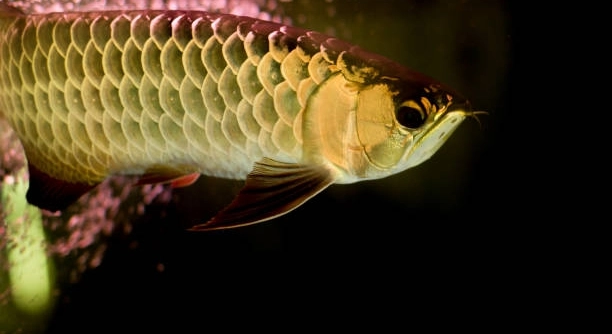
Arowanas are elegant fish that often captivate aquarium enthusiasts with their graceful movements. Observing them swim can be mesmerizing, especially when they trace distinct patterns in their tank, adding a sense of calm and beauty to their environment. When arowanas swim in figure 8s, it is typically a display of natural behavior associated with territorial … Read more
7 Things You Can Do Today for a Happier Arowana

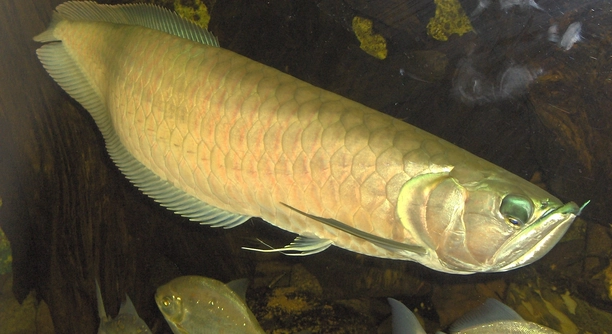
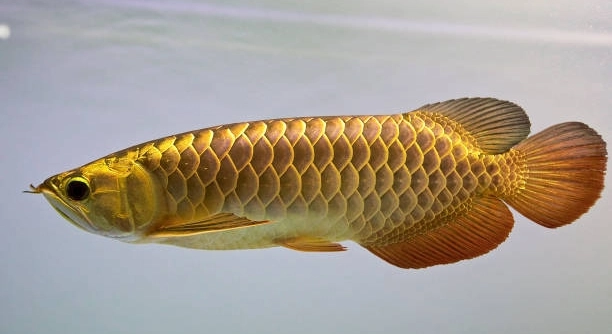
Keeping an Arowana happy requires more than just feeding it daily. Their well-being depends on proper care, a clean environment, and attention to their natural behaviors, which ensures they thrive in home aquariums with minimal stress. Providing a spacious tank, maintaining optimal water conditions, offering a varied diet, ensuring proper lighting, reducing stressors, observing social … Read more

Is It Okay to Rearrange an Arowana Tank Often?

Is your arowana tank looking a bit too familiar lately? Rearranging its layout can be tempting, especially when adding new decorations or plants. Many aquarists enjoy changing their tank to keep it visually interesting and fresh. Frequent rearrangement of an arowana tank can cause stress and disrupt established territories. Maintaining a stable environment with consistent … Read more

7 Natural Ways to Boost Your Arowana’s Immunity

Are your arowanas looking less lively than usual, or do you want to ensure they stay strong and healthy in their tank? Maintaining their immunity is essential for long-term well-being and vibrant activity. Boosting an arowana’s immunity can be achieved through natural methods such as providing a balanced diet, maintaining optimal water conditions, including immune-boosting … Read more

Why Is My Arowana Floating With No Movement?

Is your arowana floating motionless in the tank, leaving you concerned about its wellbeing? Observing your fish in this state can be alarming, especially when it normally swims gracefully and interacts actively with its environment. Arowanas may float without movement due to swim bladder disorders, poor water quality, infections, or dietary issues. These factors affect … Read more

Why Is My Arowana Rubbing Against the Glass?

Is your arowana showing unusual behavior by rubbing against the glass of its tank? This action can be alarming to observe, especially when it seems persistent or aggressive. Many fish owners notice this pattern and seek answers. Arowanas often rub against glass due to irritation, stress, or environmental factors. Common causes include poor water quality, … Read more

7 Low-Stress Tricks for Moving Arowana

Moving an arowana can feel overwhelming, especially when you want to ensure its safety and comfort. Many owners worry about stress, injury, or water quality changes during the transport process. Proper preparation is key. The most effective low-stress methods for moving an arowana involve gradual acclimation, stable water conditions, secure transport containers, and minimizing handling. … Read more

Can Arowana Live in a Pond? (What You Should Know)

Have you ever thought about keeping your beautiful arowana outdoors and wondered if a pond could be a suitable home for it? Arowanas can live in ponds if the environment meets their specific needs. These include stable warm temperatures, clean water, proper filtration, and enough space for free movement. Without these conditions, their health and … Read more

What to Watch for During Arowana Molting (If Any)

Have you ever noticed your arowana behaving differently in its tank, showing subtle changes in color or scale texture? Many fish owners observe these shifts and wonder if something significant is occurring beneath the surface. During arowana molting, it is essential to monitor for signs such as loose or peeling scales, slight changes in skin … Read more

7 Things Arowana Hate in a Tank (+Avoid These)

Have you ever noticed your arowana acting restless or refusing to eat, leaving you wondering if something in its tank might be bothering it? Arowanas are highly sensitive fish that react strongly to unsuitable tank conditions. They dislike small spaces, poor water quality, overcrowding, strong currents, bright lights, and certain tankmates. These stress factors can … Read more