
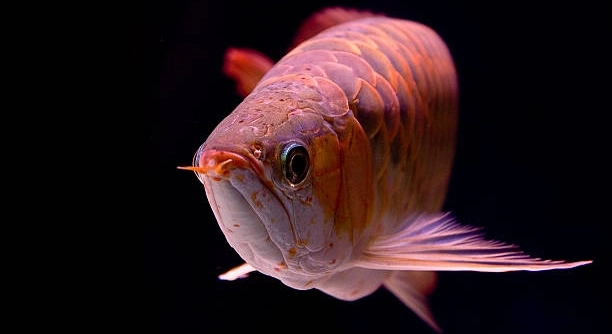
Have you ever noticed your arowana becoming most active when your home is quiet and calm during the night hours, leaving you curious about its unusual behavior and what might be influencing this routine today.
The primary reason an arowana becomes active only at night relates to environmental conditions mimicking its natural habitat. Reduced lighting, decreased activity around the tank, and instinctual nocturnal tendencies contribute to heightened nighttime movement and behavioral patterns in captivity today.
Understanding these habits helps you support healthier routines and create an environment your arowana responds to with greater comfort today.
Understanding Nocturnal Behavior
Many arowanas become more active at night because their instincts are shaped by darker, calmer environments. In the wild, they often move more confidently under low light, and this habit can carry over into home aquariums. Your arowana may feel safer exploring when the room settles down, noise decreases, and sudden movements fade. Tank lighting, water flow, and the placement of decorations can also influence when it feels comfortable enough to swim more freely. Some arowanas respond strongly to routine, so the natural rhythm of your household may encourage nighttime behavior without you realizing it. Observing how your arowana reacts to small changes in its environment can help you better understand what makes it feel secure, supported, and willing to stay active at different times of day.
Your arowana may simply prefer reduced stimulation, becoming more active when the environment feels steady, dim, and predictable enough for confident movement.
Adjusting lighting, tank layout, and daily routines can gradually help your arowana become more active during the day while still supporting the instincts that make it feel safe and comfortable.
Environmental Factors That Influence Activity
Lower lighting, quiet surroundings, and stable water conditions can naturally encourage your arowana to move more during the night when everything feels calmer.
Arowanas are sensitive fish, and the environment you create plays a large role in shaping their daily patterns. If the tank lights are too bright or inconsistent, your arowana may prefer waiting until the lights go down to explore. Loud sounds, frequent movement near the tank, or sudden changes in the room can also make arowanas withdraw during the day. Water flow, temperature, and oxygen levels matter as well, especially if these conditions shift throughout daylight hours. Decorations and hiding spots are important because they provide a sense of safety, helping your arowana feel less exposed. When these elements are missing or not arranged well, the fish may only feel comfortable enough to swim actively once everything becomes quiet at night. Adjusting these factors carefully can create a balanced environment that supports healthier and more consistent activity patterns.
Feeding Patterns and Timing
Feeding late in the day can shift your arowana’s activity toward nighttime. When it expects food after dark, it may naturally stay more alert, swim more often, and wait for its routine meal, especially if daytime feeding has been inconsistent.
Adjusting feeding times can encourage more daytime energy. Offering meals earlier helps reset expectations and supports steadier activity throughout the day. Slow, gentle movements during feeding prevent unnecessary stress, allowing your arowana to associate daytime with positive experiences. Consistency matters, so keeping a predictable schedule helps your fish feel comfortable and willing to move more during brighter hours.
Watching how your arowana responds to feeding changes can guide you in fine-tuning your routine. If it becomes more active after earlier meals, you’ll know the adjustment is working. Gradually shifting feeding times gives your arowana the chance to settle into a healthier pattern without feeling overwhelmed.
Tank Mates and Social Stress
Unsuitable tank mates may cause your arowana to withdraw during the day and move more when the environment finally quiets down at night. Smaller fish, aggressive species, or overly active swimmers can make your arowana uneasy, leading it to wait for calmer hours to explore.
Arowanas often thrive when housed alone or paired with tank mates that match their size and temperament. When they share a tank with species that nip, chase, or crowd them, stress builds quickly. This stress can lead to hiding, reduced appetite, or nighttime-only activity. Providing enough swimming space, avoiding overcrowding, and observing how other fish interact with your arowana can help you identify issues. Rearranging decorations, adding visual barriers, or removing problematic tank mates can create a more peaceful space. A calmer environment encourages your arowana to feel secure enough to remain active throughout the day instead of retreating until nightfall.
Light Exposure and Daily Rhythm
Bright lights or sudden lighting changes can push your arowana to stay active only when the room becomes dim. Keeping a steady lighting schedule helps your fish understand when it’s safe to move around comfortably.
Soft transitions between light and dark make your arowana feel more secure. Avoiding harsh brightness encourages more natural daytime behavior.
Water Quality and Comfort
Poor water conditions can make your arowana uneasy during the day, causing it to swim more at night when everything feels calmer. Stable temperature, clean filtration, and proper oxygen levels help reduce this discomfort. Regular testing and maintenance support healthier, more balanced activity patterns.
Monitoring Subtle Behavioral Cues
Small changes in movement or posture can help you understand when your arowana feels stressed or relaxed. Noticing these details makes it easier to adjust the environment so your fish stays more comfortable throughout the day.
FAQ
Why does my arowana seem more confident at night?
Your arowana may feel more secure when the environment is dim and quiet. Nighttime usually removes sudden movements, bright light, and daytime activity around the tank. This calmer atmosphere can make your fish feel safer, allowing it to swim more freely without feeling exposed or startled.
Can daytime stress make my arowana more active at night?
Yes, daytime stress plays a major role. Loud noises, frequent movement near the tank, unsuitable tank mates, or unstable lighting can make your arowana withdraw during the day. When the room settles down at night, it finally feels relaxed enough to move around more comfortably.
Is it normal for an arowana to hide during the day?
It can be normal, but it often points to discomfort. Many arowanas prefer gentle lighting and predictable surroundings. If the tank setup feels too open or bright, your fish may hide until the environment becomes less intense. Adding plants, driftwood, or shaded areas can help.
Should I adjust my lighting schedule to change this behavior?
A consistent lighting schedule can make a big difference. Sudden changes or overly intense brightness may encourage nighttime activity. Soft, gradual transitions between day and night help your arowana understand its routine and feel safe moving around during daylight hours.
Can feeding habits cause nighttime activity?
Yes, they can. If you feed your arowana mostly in the evening, it may learn to expect food at that time and stay alert more at night. Slowly shifting meals earlier in the day can help reset its rhythm and promote more daytime swimming.
Do tank mates influence my arowana’s daily behavior?
Tank mates can strongly affect comfort levels. Aggressive or overly active fish may stress your arowana during the day. Once the tank becomes calmer at night, your arowana may feel more at ease. Choosing peaceful companions or keeping the arowana alone often helps restore balance.
What water parameters most affect daytime comfort?
Temperature stability, oxygen levels, and overall cleanliness matter the most. Arowanas become uneasy when the water shifts too often or becomes cloudy. Regular testing, cleaning the filter, and keeping stable conditions support healthier daytime movement and a more relaxed fish.
How can I tell if my arowana is stressed?
Stress can show up through hiding, reduced appetite, frayed fins, rapid breathing, or sudden jumps. Watching for small behavioral shifts can help you understand when something in the environment is causing discomfort. Addressing these signs early helps your fish feel safe enough to move during the day.
Could the tank setup be encouraging nighttime activity?
Yes, the layout itself can influence behavior. A tank with too much open space or very bright surroundings can make your arowana feel exposed. Adding visual barriers, shaded areas, and gentle lighting creates a secure atmosphere that encourages more daytime exploration.
Is nighttime activity harmful to my arowana?
Nighttime activity is not harmful on its own. Many arowanas naturally adjust to their environment. The concern arises when nighttime behavior is caused by stress or discomfort. Ensuring proper lighting, water quality, tank mates, and feeding routines helps maintain overall well-being.
How long does it take to shift my arowana’s activity pattern?
Behavioral changes happen gradually. Your arowana may need several days or even a couple of weeks to adjust to a new routine. Making slow, steady changes prevents overwhelm and helps your fish feel secure enough to adopt healthier daytime habits without added stress.
What should I focus on first if I want to improve daytime activity?
Start with lighting and water stability. These two factors influence comfort the most. Once these are consistent, adjust feeding times and observe how your arowana responds. Small, thoughtful changes create a calmer environment that supports active movement throughout the day.
Final Thoughts
Creating a comfortable environment for your arowana is one of the most helpful ways to support healthier daily behavior. Many factors influence how and when your fish chooses to stay active, and most of them connect to simple environmental details. Light levels, feeding routines, tank mates, and water quality all shape your arowana’s comfort during the day. When any of these elements feel too intense or unpredictable, your fish may naturally wait until nighttime to move with confidence. Paying attention to how your arowana reacts to changes in the tank can guide you toward adjustments that make daytime feel just as safe as the quiet hours of the evening. Small improvements often have the biggest impact, especially when they are made slowly and consistently to avoid causing additional stress.
Understanding your arowana’s natural instincts also helps you make more supportive choices. These fish are sensitive and responsive to rhythm, routine, and stability. When the lighting schedule remains steady, the water stays clean, and the tank offers enough space and shelter, your arowana is more likely to stay active throughout the day. Stress from tank mates, bright lights, or sudden movements can push activity into nighttime hours, but these patterns are not permanent. With gentle adjustments, your fish can gradually develop a more balanced routine. Observing your arowana’s posture, appetite, swimming style, and hiding behaviors can help you identify what needs attention. These small cues often reveal more than you might expect and allow you to respond in a way that makes your fish feel secure and supported.
Encouraging healthy activity is not about forcing change but about creating an environment that aligns with your arowana’s needs. Patience is important, especially because stress-related habits take time to shift. Each improvement you make—whether it’s adjusting feeding times, softening the lighting, rearranging decorations, or improving water stability—builds a space that promotes confidence and comfort. Over time, your arowana can become more relaxed during the day, giving you more chances to enjoy its presence and observe its natural beauty. Keeping a gentle, consistent routine helps reinforce this sense of safety, allowing your fish to settle into healthier patterns without feeling overwhelmed. With attentive care and steady support, your arowana can thrive in both daytime and nighttime settings, creating a more peaceful and enjoyable tank environment for both you and your fish.

Hello,
If you enjoy the content that we create, please consider saying a "Thank You!" by leaving a tip.
Every little bit helps us continue crafting quality advice that supports the health, happiness, and well-being of pets around the world, for pets of all shapes, sizes, and species.
We really appreciate the kindness and support that you show us!