
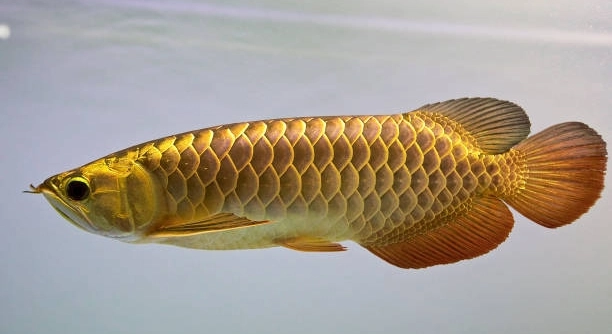
Have you ever noticed how some fish seem calmer and more responsive when fed at the same time each day? Arowanas, with their elegant movements, often show subtle changes in behavior linked to routine care and feeding patterns.
Arowanas can adapt to a consistent routine, which helps stabilize their behavior and growth. Regular feeding times, consistent tank maintenance, and predictable environmental conditions contribute to their sense of security and overall health.
Understanding how schedules impact your arowana can improve its wellbeing and make daily care easier to manage.
How Routine Affects Arowana Behavior
Arowanas are sensitive to their environment, and routines can make a noticeable difference in their behavior. Feeding them at the same times each day helps them feel secure and reduces stress. They begin to anticipate mealtime and often become more active when it approaches. A predictable schedule for water changes, tank cleaning, and light cycles also supports their overall well-being. Sudden changes in their environment can make them hesitant or skittish, so consistency is key. Many arowana owners notice that fish kept on a routine are calmer, swim more smoothly, and respond better to their caregivers. Even small details, like keeping decorations in the same positions, contribute to a stable environment. Over time, these habits help the fish adjust more easily to minor changes and prevent erratic behavior. A steady routine is not just about feeding; it’s about creating a reliable, safe space for your arowana to thrive.
Routines make arowanas more confident, predictable, and healthier overall. They respond well to consistent care.
Observing your arowana closely can show how routines affect its mood and activity levels. Fish often display small but meaningful signals when they feel secure. You may notice smoother swimming patterns, fewer sudden darting movements, and more relaxed interaction with the tank environment. Even slight differences in routine, like changing feeding times or moving tank elements, can temporarily unsettle them. Tracking these behaviors helps in adjusting care practices to match their needs. Over time, a reliable schedule encourages steady growth, better digestion, and reduced stress, which all contribute to a healthier fish. Consistency in routine allows both you and your arowana to settle into a rhythm that supports long-term wellbeing.
Establishing a Consistent Feeding Schedule
Arowanas thrive when feeding times are consistent. Their digestive system adapts to regular intervals.
Setting a fixed feeding schedule is crucial for maintaining your arowana’s health. Feed at the same time every day and measure portions carefully to avoid overfeeding or underfeeding. A consistent routine encourages proper digestion and reduces stress. Preparing food in advance and sticking to a predictable plan makes care easier and more effective. This is especially important for young or growing arowanas, whose metabolic rates rely on steady nutrition. A structured feeding routine also helps in monitoring appetite and identifying potential health issues early. Over time, your arowana will recognize feeding cues and become more interactive, making care more enjoyable. Regular feeding, combined with consistent tank maintenance, creates an environment where your arowana can flourish. Maintaining this routine is simple but has a significant impact on overall wellbeing, growth, and behavior patterns.
Creating a Stable Environment
Consistency in tank conditions helps arowanas feel secure. Stable water temperature, pH, and lighting support their natural behavior and reduce stress.
Arowanas are highly sensitive to fluctuations in their surroundings. Sudden changes in temperature or water quality can cause stress, which may lead to illness or erratic swimming. Maintaining consistent lighting schedules, performing regular water tests, and keeping decorations and hiding spots in place contribute to a stable environment. Even minor disturbances, like moving ornaments or changing substrate, can unsettle them. Creating predictability allows the fish to focus energy on growth and natural activity rather than adapting to stressors. Regular monitoring ensures that conditions remain optimal, supporting their health over time.
Tank stability also helps when introducing new feeding routines or supplements. Fish quickly adapt to these changes if the overall environment remains predictable. A calm, structured tank encourages exploration, interaction, and better appetite.
Recognizing Behavioral Changes
Observing daily behavior reveals how well your arowana is adapting to routine. Sudden lethargy or aggression can indicate stress or discomfort.
Behavioral changes are often the first sign that your arowana is not comfortable with its environment or schedule. For example, a normally active fish that becomes withdrawn may be reacting to water quality issues, improper feeding, or inconsistent light cycles. Overactive darting or bumping into the tank walls can indicate stress or illness. Regular observation allows caregivers to notice these subtle cues and address problems promptly. Recording behavior over time helps identify patterns, making it easier to adjust routines and maintain optimal conditions. Arowanas that are monitored closely show more predictable, calm, and healthy behaviors.
Recognizing these signs early also prevents long-term health issues. Behavioral monitoring complements consistent feeding and tank maintenance, ensuring your arowana thrives. Maintaining a close eye on movement, appetite, and interactions gives insight into overall well-being and reinforces the benefits of a steady routine.
Feeding Consistency
Regular feeding helps arowanas feel secure and supports steady growth. Feeding at the same time each day reduces stress.
Consistent meal sizes and timing prevent overeating or underfeeding. It also allows you to track appetite changes, which can signal health issues early.
Water Quality Maintenance
Stable water conditions are critical for arowana health. Monitoring temperature, pH, and ammonia levels prevents stress and illness. Routine water changes and filtration checks maintain a safe environment, supporting their growth and natural behavior.
Monitoring Growth
Tracking your arowana’s size and weight helps assess the effectiveness of routines. Regular observation ensures they are developing properly and identifies potential issues early.
FAQ
How often should I feed my arowana?
Feeding your arowana once or twice a day is generally enough, depending on its age and size. Younger fish need smaller, more frequent meals, while adults do well with a single, measured feeding. Overfeeding can lead to poor water quality and obesity, so portion control is important. Stick to a consistent schedule to keep your fish healthy and reduce stress.
Can arowanas adapt to different feeding times?
Yes, arowanas can adjust to changes, but sudden shifts may cause temporary stress. Gradually shifting feeding times by 15–30 minutes over several days helps them acclimate without disrupting their routine. They are smart fish and quickly learn new patterns when introduced carefully.
Do arowanas prefer live or prepared food?
Arowanas thrive on a varied diet. Live food such as small fish, shrimp, or insects stimulates natural hunting behavior, while prepared pellets ensure balanced nutrition. Mixing both types maintains health and prevents boredom. Avoid feeding only live food, as it may not provide complete nutrition.
How important is water temperature for routine?
Water temperature affects metabolism, digestion, and behavior. Keep the tank between 75–82°F (24–28°C) for optimal activity. Sudden temperature drops or spikes can stress the fish, making it less responsive to routines. Using a reliable heater and thermometer ensures consistent conditions.
How can I tell if my arowana is stressed?
Signs of stress include rapid gill movement, erratic swimming, hiding, or refusal to eat. Stress can be caused by poor water quality, inconsistent feeding, or sudden changes in environment. Observing behavior daily helps detect problems early. Maintaining a stable routine reduces stress and promotes wellbeing.
Can arowanas remember feeding schedules?
Yes, arowanas are intelligent and can remember routines. They often become active and swim to the feeding area when mealtime approaches. This learned behavior demonstrates that a steady routine provides comfort and predictability, making care easier for both you and the fish.
How often should I change the water?
Weekly partial water changes of 20–30% are recommended. Consistency in water changes maintains stable parameters and prevents buildup of toxins. Keeping water quality steady supports growth and reduces stress, allowing arowanas to follow their routine smoothly.
What tank setup works best for a routine?
A consistent tank layout, with stable decorations and hiding spots, helps the fish feel secure. Avoid frequent rearrangements, which can disrupt their sense of routine. Proper filtration, lighting, and water circulation should also remain steady to create a predictable environment.
Do arowanas respond to human interaction?
Yes, many arowanas recognize their caretakers and may swim closer during feeding. Gentle, predictable interactions reinforce their sense of routine. Avoid sudden movements or tapping the tank, as this can break trust and stress the fish.
Is it okay to travel with my arowana?
Traveling should be minimized, as changes in environment can stress them. If necessary, use a secure, insulated container and maintain stable temperature and water conditions. Returning to their usual tank promptly helps them readjust to their established routine.
How long does it take for arowanas to get used to a routine?
Most arowanas adapt within a few weeks of consistent feeding, water changes, and environmental stability. Younger fish may adjust faster, while older or more skittish individuals may take longer. Patience and consistency are key for long-term health and behavior.
Can routines affect breeding behavior?
Yes, consistent routines and optimal conditions promote natural breeding behavior. Proper feeding, stable water parameters, and predictable lighting help create an environment where arowanas are more likely to engage in mating activities. Stress and irregular schedules can hinder reproductive activity.
How do I adjust a routine during illness?
During illness, maintain as much consistency as possible while making necessary adjustments for medication or specialized feeding. Sudden, unnecessary changes can add stress. Monitor water quality and provide gentle care to support recovery, then resume the regular routine gradually.
What are the benefits of a strict routine for arowanas?
A strict routine stabilizes behavior, reduces stress, supports healthy growth, and enhances appetite. It allows easier monitoring of health issues and makes daily care predictable. Over time, a reliable routine fosters trust, comfort, and longevity for your arowana, creating a harmonious environment.
How do lighting schedules affect routines?
A consistent day-night cycle helps regulate activity and sleep patterns. Keeping lights on a timer ensures predictability and prevents stress caused by sudden changes. Proper lighting supports metabolism and overall wellbeing, complementing feeding and maintenance routines effectively.
Maintaining a routine for your arowana is one of the most effective ways to support its health and overall well-being. Fish, like arowanas, are sensitive to changes in their environment, and predictable patterns help reduce stress. Consistent feeding times, regular water changes, and stable lighting contribute to a sense of security for the fish. When arowanas feel secure, they are more likely to display natural behaviors, stay active, and develop steadily. Even small actions, like keeping decorations in the same place or monitoring water parameters at the same time each week, add to a stable environment that helps your fish adjust to their surroundings and reduces unnecessary stressors.
A key benefit of a routine is its effect on behavior. Arowanas respond to regular schedules and can quickly learn patterns, such as approaching during feeding time or swimming more actively when lights turn on. This predictability makes it easier to observe their behavior and notice subtle changes that may indicate health issues. For instance, a loss of appetite or unusual swimming patterns can signal stress, illness, or water quality problems. By keeping a structured routine, caregivers can spot these issues early and make the necessary adjustments to support recovery. Additionally, consistent routines help maintain steady growth and proper digestion, as their metabolic processes align with predictable feeding times. This makes daily care simpler and more effective, creating a balanced environment that supports both the fish and the caretaker.
It is also important to remember that routines are not just about strict schedules but about creating a reliable and calm environment. This includes maintaining water quality, monitoring temperature, and ensuring proper lighting and filtration. Small, regular tasks like partial water changes, cleaning the tank, and feeding measured portions contribute to overall health and longevity. Arowanas thrive in environments that are stable and predictable, and the benefits of routine go beyond immediate convenience—they foster long-term well-being and a strong bond between caregiver and fish. Observing your arowana daily and responding consistently to its needs creates a rhythm that supports its natural behavior and overall happiness. By prioritizing routine, you can help your arowana live a healthier, calmer, and more predictable life, reducing stress and improving its growth and vitality over time.

Hello,
If you enjoy the content that we create, please consider saying a "Thank You!" by leaving a tip.
Every little bit helps us continue crafting quality advice that supports the health, happiness, and well-being of pets around the world, for pets of all shapes, sizes, and species.
We really appreciate the kindness and support that you show us!