
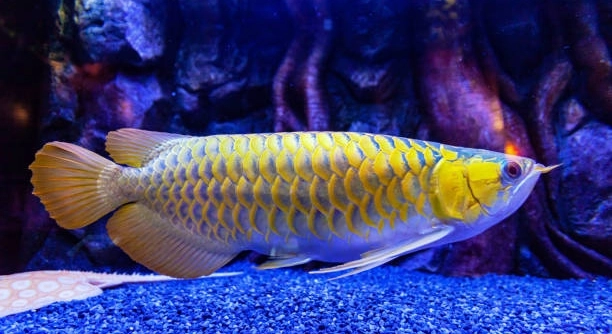
Arowanas are beautiful and graceful fish that often capture the attention of aquarium enthusiasts. Watching them swim can be relaxing, but it can also make you notice small changes in their behavior or appetite over time.
Arowanas may signal a need for a different diet through behavioral changes, selective feeding, or physical signs. Recognizing these clues allows owners to adjust nutritional offerings to support proper growth, immune function, and overall health in these delicate freshwater fish.
Observing subtle hints in your arowana’s routine can help prevent long-term health issues. Small adjustments now can make a big difference in their wellbeing and happiness.
Refusing Certain Foods
Arowanas sometimes refuse foods they used to enjoy. This may happen because their dietary needs are changing as they grow, or certain nutrients are missing from their current diet. I noticed my own arowana would ignore pellets but eagerly eat live feeder fish. This selective behavior is a clear indicator that the diet needs adjustment. Owners should observe which foods are consistently refused and consider alternatives that provide essential vitamins, proteins, and fats. Switching to a more varied diet can prevent nutritional deficiencies and support stronger growth and immune function. Sometimes, adding small amounts of fresh or frozen foods can entice them to eat more consistently. Observing changes in feeding patterns carefully is important. Over time, these small shifts can affect health, weight, and overall activity levels. Ignoring these signs can lead to more serious problems, including weakened immunity or stunted growth.
Tracking these patterns daily helps identify whether the refusal is temporary or persistent.
Offering variety and monitoring responses ensures the arowana receives a balanced diet. Regularly updating the menu can maintain interest and improve long-term health outcomes.
Slower Eating
Arowanas that suddenly start eating more slowly may be showing signs of dietary dissatisfaction or digestive discomfort. Slower feeding can indicate that the food does not meet their nutritional needs or that they find it less appealing. Observing this pattern is important for preventing further complications. Slow eaters may spend longer circling the tank before taking bites or may nibble intermittently rather than eating steadily. This behavior can also be paired with hesitation or avoidance of certain textures or sizes of food. Paying attention to how long it takes them to finish a meal can reveal subtle dietary issues.
Consistently slow eating may require changes to portion size or the type of food offered.
Adjusting arowana meals is crucial when slower eating is noticed. For instance, introducing soft-frozen foods or finely chopped live options can encourage proper consumption. Monitoring feeding sessions allows owners to track improvements and notice if additional changes are necessary. Proper nutrition affects not only growth but also activity and coloration, which are essential for a healthy arowana. By recognizing slow feeding patterns early, you can prevent nutrient deficiencies and maintain a more consistent appetite. Making gradual adjustments rather than abrupt changes helps the fish adapt without stress. Over time, this attentive approach can improve both health and enthusiasm for meals, ensuring a more balanced diet and overall well-being.
Picky About Texture
Arowanas may start avoiding foods with certain textures. Hard pellets or overly soft options can be rejected, signaling a preference for variety or a need for easier-to-digest meals. Paying attention to texture can improve feeding consistency and overall nutrition.
Changing textures can reignite interest in feeding. I noticed my arowana ignored large, dry pellets but accepted smaller, softer options. Gradually introducing different textures encourages proper eating habits without causing stress. Mixing frozen or live foods with processed pellets can balance nutrition and maintain appetite. Texture is often overlooked, but it plays a key role in diet satisfaction and digestion, especially for older or slower-growing fish.
Offering a mix of textures prevents boredom and ensures all nutrients are consumed. Observing responses helps refine the diet over time, keeping the fish healthy and active. Consistency combined with variety supports better feeding habits and long-term wellness.
Sudden Weight Changes
Unexpected weight gain or loss often reflects dietary imbalance. Rapid changes suggest the current diet is either insufficient or excessive, affecting metabolism and overall health. Monitoring weight trends is important for timely adjustments.
Weight loss can indicate inadequate protein or fat intake, while gain may result from overfeeding or foods with too many fillers. I noticed my arowana lost noticeable mass when fed only pellets for several weeks. Adding fresh protein sources like shrimp or fish restored healthy weight. Maintaining a balanced ratio of proteins, fats, and carbohydrates supports steady growth. Regular observation ensures that small changes are corrected before serious health issues arise.
Tracking weight alongside appetite and behavior provides a clearer picture of dietary effectiveness. Combining portion control with high-quality foods helps stabilize weight and maintains arowana vitality. Adjusting meal frequency or food type based on observed trends supports optimal health, prevents digestive stress, and promotes strong immune function. Consistent attention to weight prevents long-term problems and ensures a flourishing, active fish.
Changes in Color
Arowanas may show duller or faded colors when their diet lacks essential nutrients. Vitamins and pigments in food directly affect vibrancy, so observing color shifts can indicate a need for diet improvement.
Brightening their diet with natural color enhancers like krill or spirulina can restore intensity. Regularly including these foods helps maintain vivid scales and overall health, ensuring the fish looks its best while staying nutritionally balanced.
Reduced Activity
A decrease in swimming or playful behavior often signals dietary deficiencies. Low energy can result from insufficient protein or poor-quality food, affecting overall health. Observing movement patterns helps identify whether adjustments are needed to meet nutritional requirements and maintain vitality.
Frequent Hiding
Arowanas that spend more time hiding may be stressed due to an unbalanced diet. Nutrient shortages or unappealing food can reduce activity and make the fish less confident in the tank environment. Consistently monitoring behavior ensures dietary changes are implemented promptly to support comfort and health.
Continue the article with the following outline. Bold the questions. Do not write an intro for each header, get straight to the point. Do not use a greeting. Make it feel slightly personal. Write in a simplistic style.; Outline: ; FAQ (write at least 500 words); Note: Skip the intro, get straight to the point. The rest of the headers will be provided later, so do not write them yet. Skip the conclusion, and recap. Respect the given word count for every paragraph.
Arowanas are beautiful fish that bring life to any tank, but keeping them healthy requires attention to their diet. Their needs change as they grow, and small changes in behavior or appearance can indicate that their current food is not meeting those needs. Observing how your arowana eats, swims, and interacts with its environment is essential. Refusing certain foods, eating slowly, or showing reduced activity are subtle but important clues. Noticing these changes early allows you to make adjustments before health problems develop. It is easy to assume that a standard diet of pellets is enough, but a balanced approach with variety ensures that your fish receives all necessary nutrients. Adding live or frozen foods in moderation, alongside high-quality pellets, provides the proteins, fats, and vitamins needed for growth and vitality. Paying attention to texture and color of the foods can also improve appetite and ensure proper digestion, helping maintain both energy and overall wellbeing.
Feeding an arowana is not just about providing enough calories. Nutritional balance affects coloration, immune function, and even behavior. A fish that refuses food or hides more than usual is sending signals that require attention. Small adjustments can make a big difference. Introducing different textures or food types gradually can encourage better eating habits. Portion control matters as much as the type of food. Overfeeding can lead to bloating and lethargy, while underfeeding slows growth and may weaken the immune system. Regularly monitoring your fish’s body condition, appetite, and swimming patterns provides insight into how well their diet is supporting them. Subtle signs, like faded colors or less interest in food, should not be ignored, as they often reflect deeper dietary deficiencies. A thoughtful approach to feeding helps maintain arowanas in a healthy, active state for years.
Dietary care is an ongoing responsibility, but it is rewarding. Watching your arowana thrive, with vibrant colors and energetic movements, reflects the effort put into proper nutrition. Routine observation and small changes in diet can prevent major health issues and extend the lifespan of your fish. Rotating foods, supplementing with fresh proteins, and paying attention to feeding behavior ensures that your arowana receives everything it needs. Even minor improvements, like changing the texture of pellets or adding natural color enhancers, can improve appetite and overall health. Understanding the signs that indicate dietary needs empowers you to respond quickly and maintain optimal care. A balanced, varied diet not only supports physical health but also encourages active and natural behavior in the tank. Consistency, observation, and careful planning make a significant difference, helping your arowana remain strong, colorful, and thriving over time.

Hello,
If you enjoy the content that we create, please consider saying a "Thank You!" by leaving a tip.
Every little bit helps us continue crafting quality advice that supports the health, happiness, and well-being of pets around the world, for pets of all shapes, sizes, and species.
We really appreciate the kindness and support that you show us!