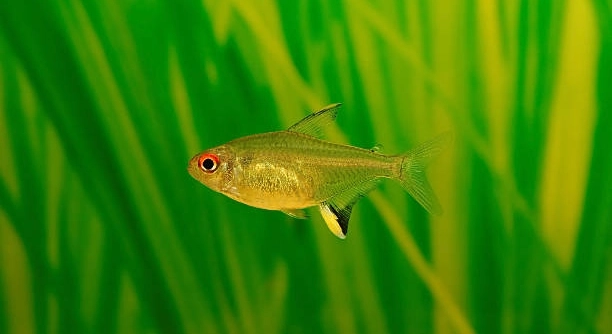
How Big Do Lemon Tetra Get in Captivity?
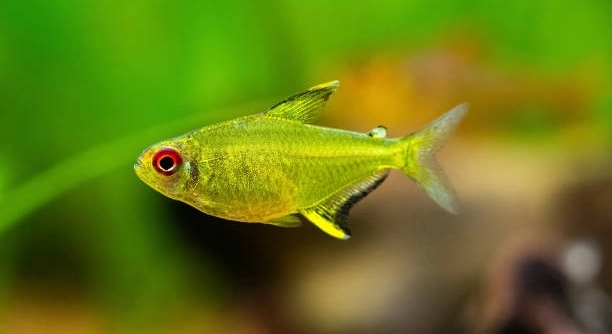
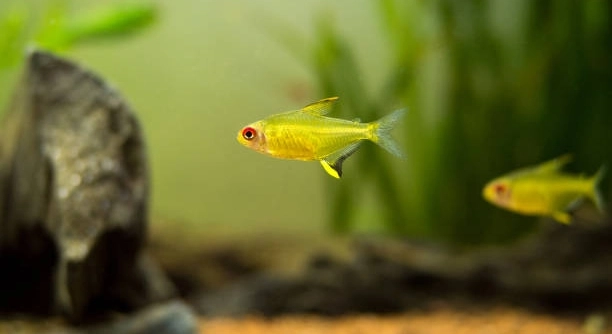
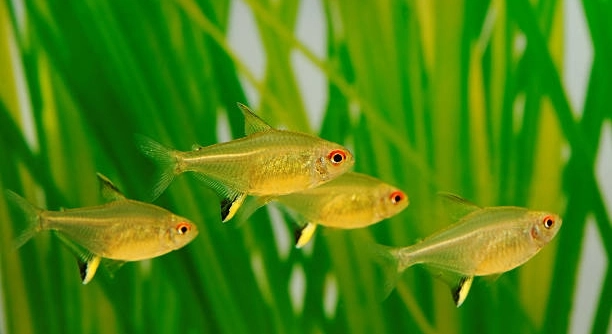
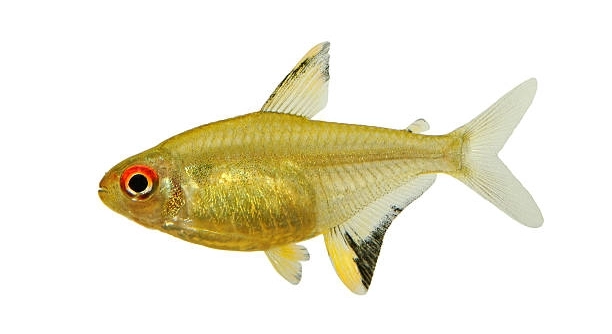
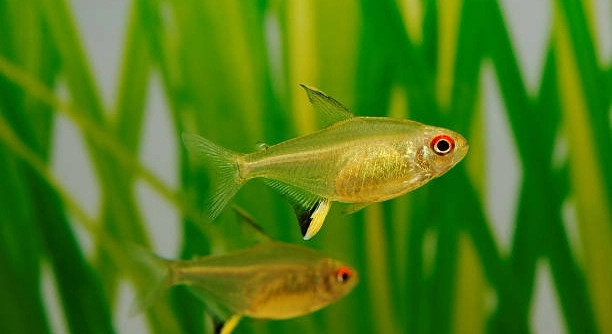
Do your home aquariums include bright and lively fish that add a splash of color? Lemon tetras are a popular choice among enthusiasts, known for their shimmering yellow bodies and peaceful nature in community tanks. Lemon tetras typically reach a maximum size of 1.5 inches in captivity, with growth influenced by water quality, diet, and … Read more
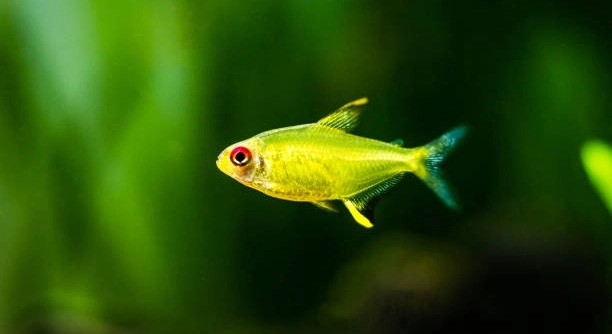
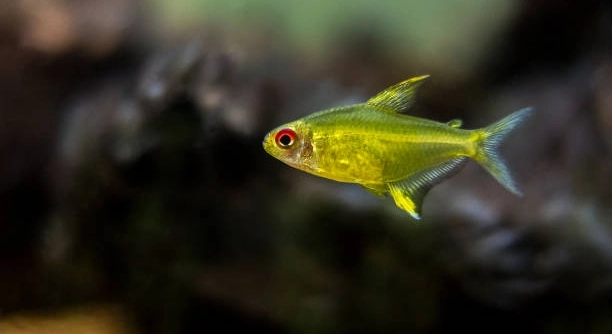
7 Common Lemon Tetra Illnesses and Symptoms

Keeping Lemon Tetras healthy can sometimes feel tricky, especially when they start acting differently. Observing their behavior and appearance closely can help you notice signs of illness before they worsen. Early attention is important for their well-being. Lemon Tetras are prone to several common illnesses including ich, fin rot, dropsy, velvet disease, fungal infections, swim … Read more

7 Indicators of Tank Water That’s Too Warm

Have you ever noticed your fish acting sluggish or hiding more than usual in the tank? Warm water can quietly affect your aquarium, changing the way your fish behave and the overall health of the environment. Tank water that is too warm can lead to decreased oxygen levels, increased algae growth, and stress for aquatic … Read more

How to Tell If Lemon Tetra Are Overcrowded

Have you ever noticed your lemon tetras swimming in tight groups or acting restless in their tank? Many aquarium owners face challenges when managing the number of fish, and overcrowding can affect their behavior and health. Lemon tetras are considered overcrowded when the tank contains more fish than the recommended density, typically one inch of … Read more

7 Colors Lemon Tetra Tend to Respond To

Lemon Tetras are small, vibrant fish that bring life to any aquarium. Observing their behaviors can be both relaxing and informative, especially when understanding the colors that naturally attract their attention. Their reactions reveal subtle preferences in light and hue. Lemon Tetras tend to respond most noticeably to seven colors: red, blue, green, yellow, orange, … Read more

Why Does My Lemon Tetra Keep Surfacing?

Are your lemon tetras frequently swimming near the surface of the tank, catching your attention more than usual? Observing their behavior can reveal important clues about their health, environment, and overall comfort in their aquatic home. The primary reason lemon tetras surface often is due to low oxygen levels or poor water quality. Ensuring proper … Read more

Can Lemon Tetra Change Color with Mood?

Have you ever noticed your lemon tetra looking brighter or duller at times? These small, vibrant fish often catch the eye with their yellow bodies and subtle blue accents in the tank environment. Observing them can be quite fascinating. Lemon tetras can exhibit slight color changes, but these variations are usually linked to health, stress, … Read more

Can Lemon Tetra Learn Their Tank Routine?

Do you ever notice your lemon tetras swimming in a predictable pattern, moving from one corner of the tank to another at certain times? Observing their behavior can be fascinating for both beginners and experienced aquarists. Lemon tetras are capable of learning routines within their tank, responding to feeding times, light changes, and environmental cues. … Read more

7 Warning Signs in Lemon Tetra Movement

Lemon tetras are small, bright fish that bring life to any aquarium. Watching them swim gracefully can be relaxing, but subtle changes in their movement may indicate something is wrong with their health. Unusual swimming patterns, lethargy, erratic darting, and imbalance are common warning signs in lemon tetras. Observing these behaviors carefully helps detect illness … Read more

What If Your Arowana Keeps Leaping for No Reason?

Arowanas are elegant and powerful fish that often capture attention in any aquarium. Their sudden leaps can surprise owners, making it a concerning behavior that feels unpredictable and confusing at times. Understanding this habit is helpful. Arowanas leap for various reasons, including stress, poor water quality, insufficient space, or an instinctive response to food. Addressing … Read more