
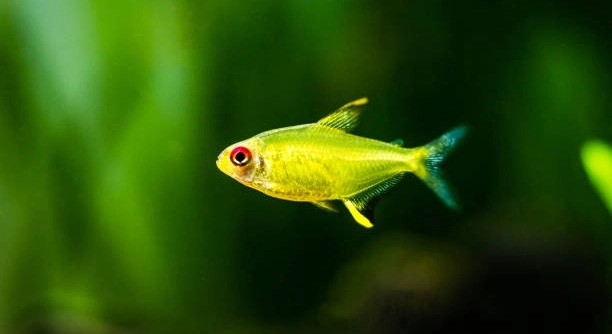
Keeping Lemon Tetras healthy can sometimes feel tricky, especially when they start acting differently. Observing their behavior and appearance closely can help you notice signs of illness before they worsen. Early attention is important for their well-being.
Lemon Tetras are prone to several common illnesses including ich, fin rot, dropsy, velvet disease, fungal infections, swim bladder issues, and bacterial infections. Recognizing the symptoms early allows for timely treatment, improving survival and maintaining a healthy aquarium environment.
Monitoring your fish regularly and understanding their signs of distress can prevent serious health problems. This knowledge ensures a vibrant, active tank and a longer, healthier life for your Lemon Tetras.
Ich (White Spot Disease)
Ich is a common disease in Lemon Tetras caused by a parasite that attaches to their skin and gills. Infected fish develop small white spots across their body and fins. They may scratch against objects or appear lethargic. Ich spreads quickly in tanks, especially if new fish are introduced without proper quarantine. Maintaining clean water and stable temperature can reduce the risk of infection. The parasite thrives in stressed fish, so keeping a balanced environment and avoiding overcrowding is essential. Treatment usually involves raising the water temperature slightly and using specialized ich medications available at pet stores. Observing fish daily helps catch symptoms early before the infection becomes severe. Even mild infections can weaken a fish’s immune system, making it vulnerable to other illnesses.
Ich presents as small white spots on Lemon Tetras’ bodies and fins. Infected fish may scratch surfaces, swim erratically, or appear less active, signaling early infection.
Preventing ich requires careful attention to water quality and tank hygiene. Quarantining new fish for at least two weeks helps avoid spreading the parasite.
Fin Rot
Fin rot occurs when bacteria attack the edges of a Lemon Tetra’s fins, often following stress or injury. The fins may look ragged or frayed, and the edges can appear white or red. Poor water quality is a primary factor, as bacteria flourish in dirty or improperly maintained tanks. Stress from overcrowding, sudden temperature changes, or aggressive tank mates can increase vulnerability. Treating fin rot involves improving water conditions, removing sick fish from aggressive tank mates, and sometimes using antibacterial medication. Maintaining a stable, clean environment helps prevent recurrence. Regular monitoring and partial water changes can reduce bacteria buildup. Early recognition is important because severe fin rot can spread to the body, weakening the fish and potentially leading to death if untreated. Observing swimming patterns and fin condition helps detect issues promptly.
Fin rot is visible through torn or discolored fin edges.
Addressing fin rot effectively requires consistent tank maintenance and monitoring fish behavior. Using medications when necessary, combined with clean water, stops the infection. Nutrition also plays a role, as well-fed fish have stronger immune systems. Avoiding overcrowding and ensuring proper tank conditions support recovery and long-term fin health. Early intervention increases chances of full regeneration and keeps the fish active and comfortable.
Dropsy
Dropsy causes Lemon Tetras to bloat and develop raised scales, giving them a pinecone-like appearance. It usually signals organ failure or severe internal infection. Affected fish often become lethargic, lose appetite, and may isolate themselves from the school.
This condition is serious and often fatal if not addressed early. Dropsy is commonly linked to poor water quality, stress, or underlying bacterial infections. Treating it involves isolating the sick fish, improving tank hygiene, and using antibacterial medications specifically designed for internal infections. Adjusting diet and maintaining stable water parameters can support recovery. Prevention is key, as healthy, well-maintained tanks reduce the likelihood of such infections occurring.
Observing Lemon Tetras daily helps catch early signs of dropsy before symptoms worsen. Even with treatment, recovery is slow, and the fish may not return fully to their previous condition. Prompt action and attentive care improve the chances of survival, though prevention remains the most effective approach.
Velvet Disease
Velvet disease appears as a fine, gold or rusty dust on Lemon Tetras’ bodies and fins. Infected fish may scratch against decorations, swim erratically, and show rapid gill movement due to irritation and oxygen stress.
Treatment involves raising water temperature slightly and using medications that target the parasite. Quarantining affected fish prevents spreading, as velvet disease is highly contagious. Maintaining a clean tank and minimizing stress helps reduce the likelihood of infection. The parasite thrives in low-quality water or overcrowded tanks. Early detection is crucial because advanced infections can weaken the immune system, leaving the fish vulnerable to secondary diseases.
Consistent observation and prompt treatment improve recovery chances. Adjusting water parameters, improving filtration, and providing nutritious food strengthen the fish’s defenses. Regular monitoring, combined with preventive measures, reduces the risk of recurring outbreaks and helps maintain a healthy, active school of Lemon Tetras.
Fungal Infections
Fungal infections in Lemon Tetras appear as white, cotton-like growths on the skin or fins. These infections often follow injuries or stress, giving fungi an opportunity to take hold. Poor water quality and overcrowding increase the risk of fungal outbreaks.
Treating fungal infections requires isolating affected fish and applying antifungal medications. Improving water conditions and removing decaying matter prevents further growth. Early detection is important because infections can spread quickly, weakening the fish and making recovery more difficult. Consistent monitoring ensures that small issues don’t turn into serious health problems.
Swim Bladder Disorder
Swim bladder disorder affects Lemon Tetras’ ability to maintain proper buoyancy. Infected fish may float sideways, sink, or struggle to swim upright. Overfeeding, constipation, or bacterial infections can cause this condition. Adjusting diet, fasting for a day or two, and maintaining clean water helps recovery.
Bacterial Infections
Bacterial infections can affect Lemon Tetras internally and externally, causing red streaks, ulcers, or bloating. Stress, poor water quality, and injury increase susceptibility. Treatment involves antibacterial medication, quarantine, and improving tank hygiene. Healthy nutrition supports the immune system and reduces the chance of recurring infections.
Parasitic Infestations
Parasitic infestations can cause visible irritation, rapid gill movement, and lethargy. These infections spread quickly in overcrowded or unclean tanks. Prompt treatment and quarantine are essential to prevent transmission and ensure the school of Lemon Tetras remains healthy.
FAQ
What causes Lemon Tetras to get sick so often?
Lemon Tetras are sensitive to changes in their environment. Poor water quality, overcrowding, sudden temperature shifts, and stress from aggressive tank mates can all weaken their immune system. Even minor injuries can become infected if the tank isn’t clean or conditions are unstable. Keeping water parameters stable and performing regular maintenance reduces the risk of illness significantly.
How can I tell if my Lemon Tetra is sick?
Signs of illness include lethargy, loss of appetite, unusual swimming patterns, and visible changes like white spots, frayed fins, or bloating. Scratching against decorations or rapid gill movement may indicate irritation or infection. Observing the fish daily helps detect problems early, improving chances of successful treatment.
Can I treat Lemon Tetra illnesses at home?
Yes, many illnesses can be treated at home if caught early. Medications for ich, velvet, fungal, and bacterial infections are available in pet stores. Quarantining sick fish prevents spread. Improving water quality, feeding a balanced diet, and adjusting temperature carefully supports recovery. However, advanced cases like severe dropsy or prolonged swim bladder disorders may require professional advice.
How do I prevent common Lemon Tetra diseases?
Prevention is simpler than treatment. Maintain clean water through regular partial changes, monitor water parameters, avoid overcrowding, and quarantine new fish before adding them to the main tank. A stable environment with proper filtration, nutrition, and minimal stress reduces the likelihood of infections and keeps the fish healthy.
How long does it take for a Lemon Tetra to recover?
Recovery time depends on the illness and severity. Mild cases of ich or fin rot may improve in a few days with proper treatment. Severe infections like dropsy or systemic bacterial infections can take weeks, and sometimes full recovery is not possible. Consistent care and monitoring are essential.
Are some Lemon Tetra illnesses contagious?
Yes, several diseases are highly contagious. Ich, velvet, and parasitic infections can spread quickly through the tank, especially in overcrowded conditions. Bacterial and fungal infections can also transfer, particularly if the fish are stressed or injured. Quarantining sick individuals and maintaining hygiene prevents outbreaks.
Can stress make diseases worse?
Stress significantly weakens a Lemon Tetra’s immune system. Changes in water temperature, poor water quality, aggressive tank mates, or sudden environmental shifts can trigger stress. Stressed fish are more likely to develop infections and have slower recovery rates. Reducing stress is as important as direct treatment for illnesses.
Is diet important for preventing illnesses?
Yes, diet plays a key role in immunity. Feeding high-quality flake or frozen foods, supplemented occasionally with live foods, strengthens the fish and helps fight off infections. Overfeeding can cause constipation and swim bladder issues, so portion control is equally important. Balanced nutrition supports overall health.
When should I consult a professional?
Consult a veterinarian or aquatic specialist if a fish shows severe symptoms, fails to respond to treatment, or multiple fish are affected simultaneously. Advanced infections, prolonged dropsy, or swim bladder disorders sometimes require professional assessment to prevent fatalities. Early intervention improves outcomes.
Can I keep Lemon Tetras with other fish safely?
Yes, but compatibility is crucial. Avoid aggressive or large fish that may stress Lemon Tetras. Peaceful schooling species are ideal tank mates. A calm environment helps prevent stress-related illnesses and supports a healthy, active aquarium.
Lemon Tetras are delicate fish that require careful attention to stay healthy. Observing their behavior and physical condition regularly is essential to notice early signs of illness. Small changes in appetite, swimming patterns, or appearance often indicate a developing health issue. By catching these signs early, you can take quick action to prevent the problem from becoming severe. Consistent observation is one of the most effective ways to maintain a healthy aquarium, and it helps you understand the normal behavior of your fish so unusual patterns stand out clearly. Paying attention to the little details, such as fin movement, coloration, and activity levels, can make a big difference in preventing illnesses from spreading through your tank.
Maintaining good water quality is a key factor in preventing most common Lemon Tetra illnesses. Regular partial water changes, monitoring temperature, and keeping ammonia, nitrite, and nitrate levels in check reduce stress and create a stable environment. Clean water supports a strong immune system, helping fish resist infections like ich, velvet disease, or fin rot. Proper filtration, avoiding overcrowding, and removing uneaten food or debris also minimize harmful bacteria and parasites. A stable environment is less likely to cause stress-related illnesses, which are common in sensitive species like Lemon Tetras. Keeping the tank well-maintained provides a safe and healthy space for your fish, encouraging natural behavior and longevity.
Nutrition, tank companions, and careful monitoring also play important roles in keeping Lemon Tetras healthy. Feeding high-quality foods, avoiding overfeeding, and offering occasional live or frozen treats support growth and immune function. Choosing peaceful, compatible tank mates prevents stress and aggression, which can lead to injuries or secondary infections. Quarantining new fish before introducing them to the main tank reduces the risk of introducing parasites or diseases. When illness does occur, early treatment combined with improved conditions can increase the chances of recovery. Overall, understanding the needs of Lemon Tetras and providing a clean, stable, and well-monitored environment helps them thrive, ensuring a vibrant and active aquarium for years to come.

Hello,
If you enjoy the content that we create, please consider saying a "Thank You!" by leaving a tip.
Every little bit helps us continue crafting quality advice that supports the health, happiness, and well-being of pets around the world, for pets of all shapes, sizes, and species.
We really appreciate the kindness and support that you show us!